After a PET scan, patients often need to keep away from pets. This includes small animals, pregnant ones, or pets with weak immune systems. This is because the patient’s body has leftover radiation.
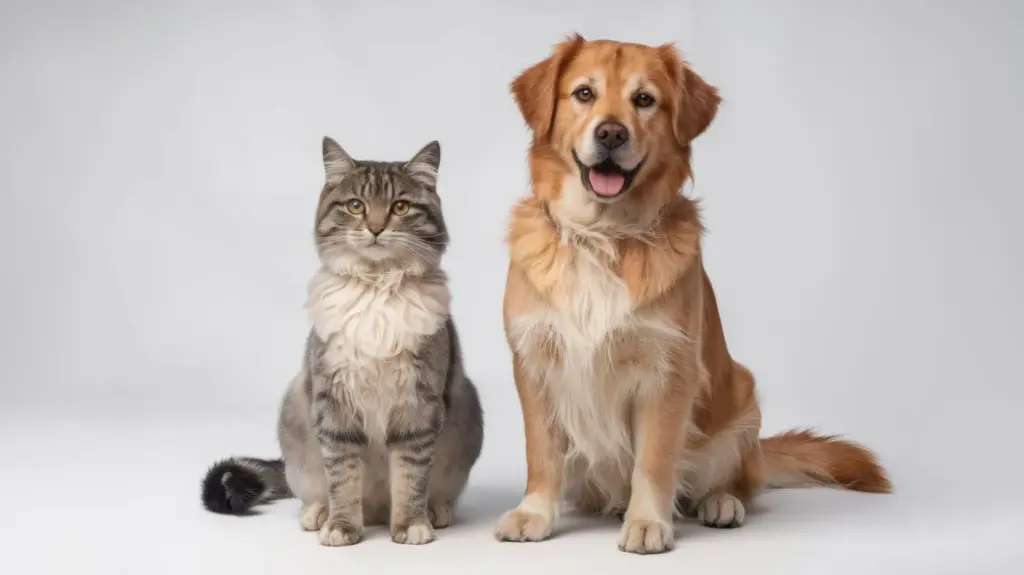
It can be hard to think about not being with your pets. But it’s important to know why this rule is in place. It’s for your pets’ health and safety, as well as yours.
A PET scan uses tiny amounts of radioactive materials. This is safe for people but can be risky for animals. Animals that are more sensitive are at a higher risk.
Can cats detect cancer after your scan? Learn amazing facts about radiation and pets for a perfect and fast recovery at home today.
Key Takeaways
- Patients are advised to limit contact with pets after a PET scan due to residual radiation.
- The recommended period for limiting contact varies, typically ranging from 6 to 24 hours.
- Small animals, pregnant animals, and those with weakened immune systems are most at risk.
- Understanding radiation safety is key to protecting both humans and animals.
- Following post-PET scan precautions can help reduce risks.
What Happens During a PET Scan: The Basics
A PET (Positron Emission Tomography) scan is a test that shows how active the body’s cells are. The PET scan procedure uses a radioactive tracer to see how the body works. Doctors use it to find and track diseases like cancer, brain problems, and heart issues.
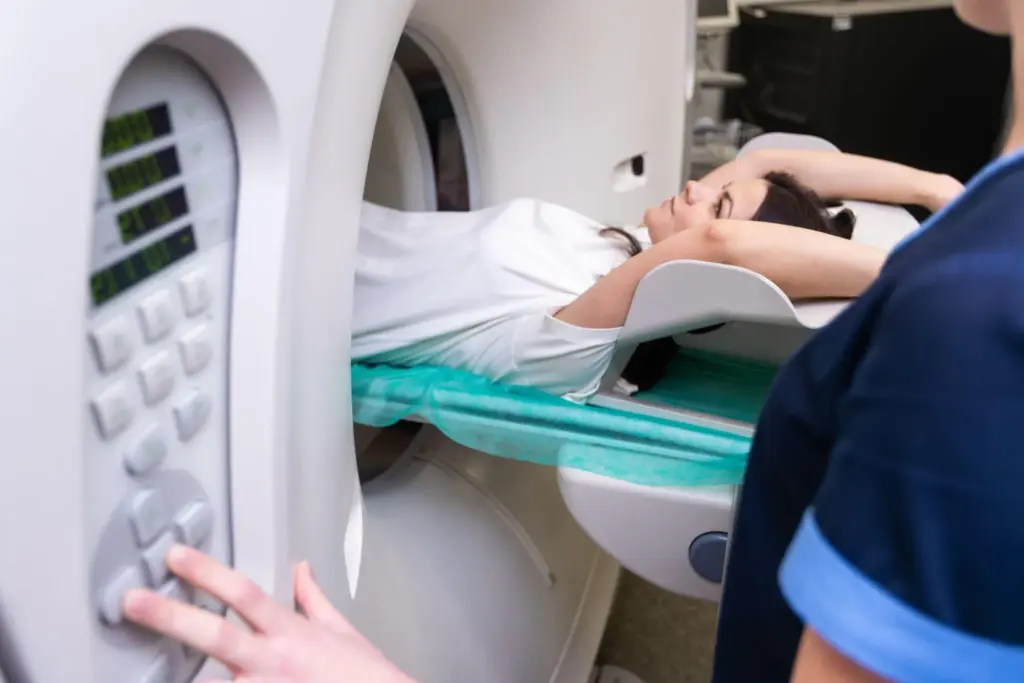
The Purpose and Procedure of PET Imaging
PET imaging shows what’s happening inside the body. A tiny amount of radioactive tracer is given, usually through a vein. This tracer goes to active areas, like growing tumors. The PET scanner picks up signals from the tracer, making detailed images of the body’s inside.
The scan starts with the tracer injection. Then, the body waits for it to spread. The patient lies in the PET scanner, a big doughnut-like machine. The scan takes 30 to 60 minutes, and the patient must stay very quiet for clear pictures.
Types of Conditions Diagnosed with PET Scans
PET scans help find and track many health issues. They are used for:
- Finding and knowing how far cancer has spread
- Seeing how well cancer treatments are working
- Checking for brain diseases like Alzheimer’s and Parkinson’s
- Looking at heart health
A study in the Journal of Nuclear Medicine says PET scans are key in cancer care. They help doctors know how to treat cancer better.
“PET/CT is better than CT alone for finding cancer spread.”
|
Condition |
PET Scan Application |
Benefits |
|---|---|---|
|
Cancer |
Diagnosis, staging, treatment monitoring |
Accurate assessment of cancer spread and treatment response |
|
Neurological Disorders |
Diagnosis, disease progression monitoring |
Early detection and monitoring of neurodegenerative diseases |
|
Cardiovascular Disease |
Viability assessment, ischemia detection |
Evaluation of heart function and viability |
In short, PET scans are important tools for doctors. They help understand the body’s activity. Knowing how PET scans work helps patients see their value in health care.
Radioactive Tracers: The Core Element of PET Scans
PET scans use radioactive tracers to show what’s happening inside the body. These tracers give off radiation that the PET scanner picks up. This helps create detailed pictures of the body’s inner workings.
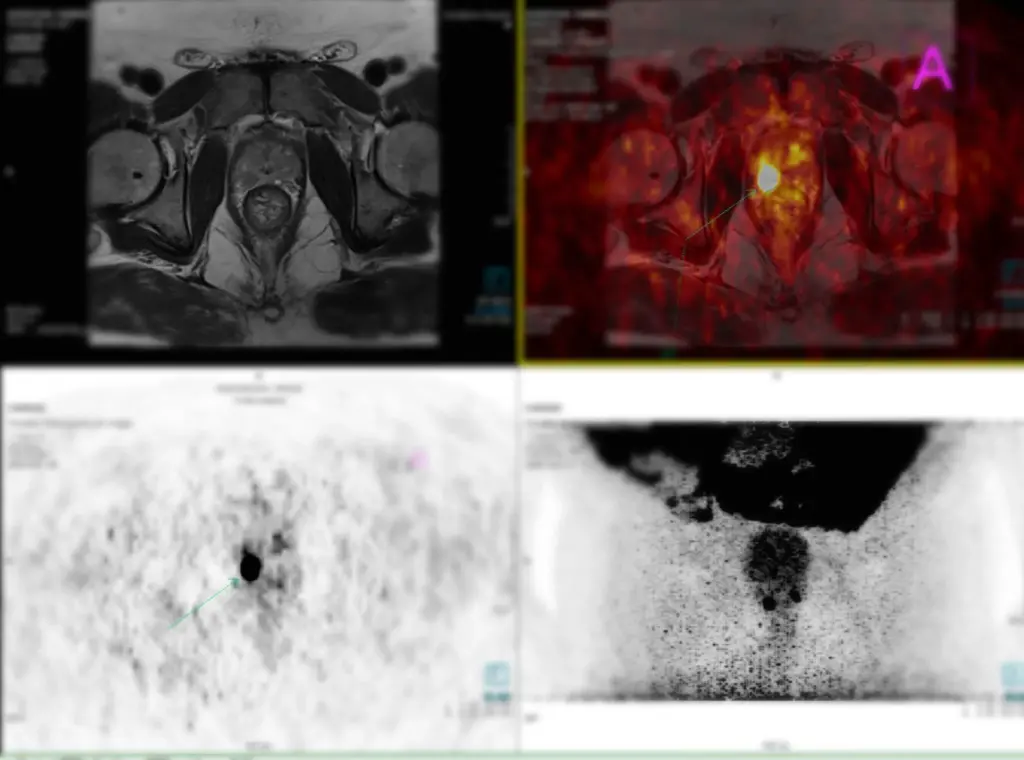
How Radioactive Tracers Function in the Body
Radioactive tracers build up in certain parts of the body. For example, Fluorodeoxyglucose (FDG) goes to cells that use a lot of glucose, like cancer cells. This lets PET scans spot areas where cells are acting strangely.
The tracers are given through an IV. The PET scanner watches where they go in the body. It uses the radiation to make images that show where the tracers are most concentrated.
Common Tracers Used and Their Properties
Many radioactive tracers are used in PET scans, each with its own special qualities. Here are a few:
- Fluorodeoxyglucose (FDG): Helps find and track cancer by looking at glucose use.
- Fluorodopa: Helps study dopamine in the brain, useful for Parkinson’s disease.
- Oxygen-15: Measures blood flow and oxygen use in the brain.
Knowing how these tracers work and what they’re used for is key. It helps doctors understand PET scan results. It also ensures safe handling of radioactive materials after the scan.
Understanding Radiation Emission After Your Scan
After a PET scan, you might wonder how long the radiation stays in your body. The radiation from a PET scan fades over time but can be strong for hours after. Knowing this helps you protect pets and people who are more sensitive.
Duration of Radiation in the Body
The radioactive tracers in PET scans have different half-lives. This means they lose their radioactivity at different rates. For example, studies show Fluorodeoxyglucose (FDG) loses half its radioactivity every 110 minutes. But how fast the body gets rid of the tracer also affects how long it emits radiation.
Radiation levels drop a lot in just a few hours after the scan. Doctors advise patients to avoid close contact with others, like pets and pregnant women, for a while after the scan.
Measuring Radiation: What mSv Levels Mean
Radiation exposure is measured in millisieverts (mSv). This unit shows the biological effect of radiation. A PET scan usually gives about 7-10 mSv to an adult. To compare, a chest X-ray is about 0.1 mSv.
Knowing mSv levels helps you understand risks and take the right precautions. For instance, if you’ve had a PET scan, knowing the radiation will decrease helps you plan. It’s also important to remember that PET scan radiation is generally low. The benefits of getting a clear diagnosis usually outweigh the risks.
Why Pets Need Protection from Post-Scan Radiation
Pets are at risk from radiation after a PET scan. This is because they are smaller and more sensitive to radiation. We will look into why pets need protection from this radiation.
<SEP-14239_image_4>
Pets’ Smaller Body Mass and Radiation Sensitivity
Pets, like hamsters and birds, are smaller than humans. This makes them more exposed to radiation. They are also more sensitive because of their fast metabolism and close contact with owners.
Key factors contributing to pets’ radiation sensitivity include:
- Body size: Smaller animals receive a higher relative dose of radiation.
- Metabolic rate: Faster metabolism in pets can increase their sensitivity to radiation.
- Proximity to owners: Pets often stay close to their owners, increasing their exposure to post-scan radiation.
Bone Tissue Absorption Rates in Animals
The way animals absorb radiation is important. Some animals absorb more radiation because of their bone density. For example, animals with denser bones might hold onto radiation longer.
It’s essential to understand that the impact of radiation on pets can vary widely depending on several factors, including the type of PET scan performed and the specific tracer used.
Some key points to consider regarding bone tissue absorption include:
- The type of radioactive tracer used in the PET scan.
- The animal’s size and age, as these factors can influence bone density and metabolism.
- The duration and frequency of exposure to the radiation-emitting owner.
The Recommended Timeframe: 6-24 Hours of Limited Contact
After a PET scan, it’s important to know how long to keep pets away. The tracer used in PET scans stays in the body and emits radiation. This could harm pets.
Medical Guidelines for Pet Interaction After PET Scans
Doctors say to keep pets away for 6 to 24 hours after a PET scan. This lets the tracer’s radiation decrease to safer levels.
To keep pets safe, follow these steps:
- Sleep in a separate room from your pets for the recommended period.
- Avoid close contact, such as cuddling or sharing food and drinks with your pets.
- Maintain a safe distance when interacting with your pets, ideally at least 3 feet away.
- Have someone else care for your pets during this period if possible.
Factors That Influence Your Personal “Safe Period”
The time you need to keep pets away can change based on several things:
- The type and dose of the radioactive tracer used: Different tracers last longer or shorter in being radioactive.
- Your overall health and kidney function: How fast your body gets rid of the tracer affects radiation levels.
- The specific PET scan protocol followed by your healthcare provider: Different protocols use different amounts of tracer, affecting radiation.
Always listen to your healthcare team’s advice. They can give you specific guidance based on your situation and PET scan details.
High-Risk Pet Categories That Need Extra Protection
Pets face a higher risk from PET scan radiation. We must identify these high-risk groups. This way, we can take the right precautions to keep them safe.
Small Animals
Small pets like hamsters, birds, and guinea pigs are very vulnerable. Radiation can harm them more because their bodies are smaller. It’s important to arrange for their care during a PET scan to reduce their exposure.
Pregnant Pets and Nursing Animals
<SEP-14239_image_5>
Pregnant and nursing pets need extra care. Radiation can harm the developing fetuses or pass to the young through nursing. They are more sensitive to radiation. So, we must take extra precautions to protect them. Keeping a safe distance and following vet advice is key.
Pets with Compromised Immune Systems
Pets with weak immune systems are also at risk. This includes pets with illnesses, older pets, or those on certain treatments. Limiting their exposure is essential. If your pet is in this category, talk to your vet and healthcare provider to ensure their safety.
Knowing which pets are at higher risk helps us protect them. This ensures their safety and gives peace of mind to pet owners having PET scans.
Potential Health Impacts on Pets Exposed to Radiation
Pets can be at risk from radiation after a PET scan. It’s important for pet owners to know these risks. This way, they can take the right steps to protect their pets.
Short-term Effects: Rare but Possible Symptoms
Exposure to radiation from a PET scan can cause short-term health issues in pets. These might include vomiting, diarrhea, or feeling very tired. The severity and how often these symptoms happen depend on the radiation dose and how long the pet was exposed.
It’s vital to watch your pet closely after a PET scan. If your pet shows any unusual symptoms, see your vet right away.
Long-term Cancer Risks from Cumulative Exposure
Long-term exposure to low levels of radiation can raise the risk of cancer in pets. Even though a single PET scan’s radiation dose is usually low, repeated exposure can be harmful.
Talk to your healthcare provider about your pet’s situation. They can help understand the risks and what precautions are needed. They’ll give advice that fits your pet’s health and needs.
Knowing the health risks from radiation exposure helps us protect our pets. We can take steps to keep them safe and healthy.
Can Cats Detect Cancer? The Science Behind Feline Perception
<SEP-14239_image_6>
Research shows that cats can detect health issues, including cancer. This has made people curious about how cats sense these problems.
Research on Cats’ Ability to Sense Biochemical Changes
Cats have a strong sense of smell. They can pick up on small changes in their surroundings and the people they meet. This skill might help them detect health issues, like cancer.
Cats often go to areas with unusual smells or temperature changes. This could be because they sense a tumor. Scientists think cats might smell volatile organic compounds (VOCs) from cancer cells.
|
Potential Mechanisms |
Description |
|---|---|
|
Sensing VOCs |
Cats may detect VOCs emitted by cancer cells, which can be present in breath, urine, or skin. |
|
Detecting Biochemical Changes |
Cats can sense changes in biochemical markers associated with cancer, potentially through smell or other sensory inputs. |
|
Behavioral Observations |
Changes in cat behavior towards their owners, such as increased affection or alertness, may indicate they have sensed something unusual. |
How Cats Might Detect Cancer in Humans
How cats detect cancer in humans is not fully understood. But, it’s thought they use their senses, like smell and observing behavior, to find health problems.
Some studies suggest cats can smell certain cancers, like breast, lung, or colon cancer.
While the evidence is mostly based on stories, research into cats detecting health issues is promising. It could lead to better ways to find cancer early.
Practical Strategies for Pet Owners After a PET Scan
Keeping pets safe after a PET scan means using smart strategies for temporary separation. As a pet owner, it’s key to limit your pet’s radiation exposure. Yet, you must also care for them properly.
Creating Temporary Separation Arrangements
To cut down on radiation, setting up temporary separation plans is vital. This can include:
- Asking a friend or family member to look after your pet temporarily.
- Using pet boarding facilities or hiring a pet sitter.
- Creating a separate area for your pet in your home to keep them far away.
When setting up these plans, think about the time your healthcare provider suggests. This is usually between 6 to 24 hours after the scan.
Handling Pet Care When Living Alone
<SEP-14239_image_7>
Living alone doesn’t have to make pet care hard after a PET scan. Here are some tips:
|
Strategy |
Description |
|---|---|
|
Remote Pet Care |
Get a neighbor or friend to check on your pet and take care of them. |
|
Automated Feeders |
Use automated feeders to make sure your pet eats on time. |
|
Pet Cameras |
Put in pet cameras to watch your pet’s condition and activities from afar. |
By using these strategies, you can keep your pet safe. This also helps reduce your stress during the post-PET scan time.
Safe Interaction Techniques During the Post-Scan Period
After a PET scan, it’s important to keep your pets away and avoid certain activities. This helps lower their risk of getting too much radiation. We know it’s hard, but with the right tips, you can keep them safe.
Maintaining Distance While Providing Care
To care for your pets without being too close, try these ideas:
- Use a separate room for your pet’s living area temporarily.
- Arrange for someone else to care for your pet during this period.
- If you must be close to your pet, limit the time spent in close proximity.
Activities and Behaviors to Avoid
There are some things you should not do to protect your pets from radiation. These include:
- Close contact such as cuddling or kissing your pet.
- Sharing food or drinks with your pet.
- Allowing your pet to sleep in your bed.
By sticking to these rules, you can significantly reduce the risk of radiation exposure to your pets.
Other Post-PET Scan Precautions to Follow
After a PET scan, it’s key to take extra steps to protect those around you from radiation. We’ve talked about keeping pets safe. But there are more steps to ensure everyone’s safety.
General Radiation Safety Measures
To cut down on radiation exposure, follow some general safety tips. Maintaining distance from others, mainly in the first few hours after the scan, is very important. Here are some actions you can take:
- Sleep in a separate bed from your partner or others for at least 6 hours post-scan.
- Avoid close contact, such as hugging or kissing, for the recommended period.
- Use separate utensils and dishes for the remainder of the day.
These steps help lower radiation exposure for your household. It’s also wise to drink plenty of fluids to help your body get rid of the radioactive tracer faster.
Interactions with Vulnerable Humans
Some people are more at risk from radiation, like children and pregnant women. When around these groups, you need to be extra careful.
- Limit close contact with children and pregnant women for at least 6 hours post-scan.
- Avoid holding or carrying children on your lap during this period.
- Maintain a safe distance when interacting with them.
By following these precautions, you can greatly lower the risk of radiation exposure for those around you. Always check with your healthcare provider for advice tailored to your situation.
Comparing Radiation Risks: Pets vs. Other Household Members
When we look at PET scan radiation, we see pets and humans react differently. This means we need to take special steps to protect them. If someone in your family has a PET scan, it affects everyone at home. Knowing how to keep your home safe is key.
Relative Sensitivity Differences
Pets, like small animals, are more at risk from radiation. Their size and body mass make them more sensitive. Adult humans are less affected, but kids and pregnant women are more like pets in this regard.
Radiation can harm pets in many ways, like changing their behavior or weakening their immune system. For humans, the main risk is getting cancer later in life.
Balancing Precautions Across the Household
It’s important to find a balance when protecting pets and people in your home. You need to know who is most at risk and take the right steps to keep them safe.
For example, you should limit contact with pets after a PET scan, but don’t forget to care for them. If you have pregnant women or young kids, be extra careful to avoid any leftover radiation.
|
Household Member |
Sensitivity to Radiation |
Recommended Precautions |
|---|---|---|
|
Pets (specialy small animals) |
High |
Limit close contact for 6-24 hours post-scan, continue necessary care while maintaining distance |
|
Children and Pregnant Women |
High |
Minimize exposure, avoid close contact for extended periods |
|
Adult Humans |
Lower |
Normal interaction is generally safe, but maintaining some distance is advisable |
By understanding these differences and taking the right steps, you can keep your home safe for both pets and people after a PET scan.
Hospital Protocols for Patient Education About Pet Safety
After a PET scan, hospitals give patients key tips on keeping pets safe. This is part of a bigger effort to teach patients about radiation risks after a PET scan.
Addressing Pet Concerns in Medical Facilities
Medical places have rules to keep pets safe. They teach patients how to reduce radiation to their pets. Hospitals give out brochures or point to online guides for more info.
Some hospitals have special staff for pet safety questions. They offer advice based on the patient’s situation. This includes tips on avoiding pets, pet care, and safe activities.
Evolution of Post-Scan Guidelines
Guidelines for PET scan safety have changed over time. At first, they were more strict, telling patients to stay away from pets for a long time.
Now, thanks to new studies, guidelines are more detailed. For example, the American College of Radiology (ACR) suggests a personalized approach. This depends on the PET scan type and the radioactive tracer used.
|
Guideline |
Description |
Recommendation |
|---|---|---|
|
ACR Guidelines |
Tailored approach based on PET scan type and tracer amount |
Variable precaution periods |
|
Radiation Safety Guidelines |
General safety measures for patients post-PET scan |
Avoid close contact for 6-24 hours |
|
Patient Education Materials |
Informational brochures and online resources |
Personalized advice from hospital staff |
Knowing these guidelines helps patients and their pets stay safe after a PET scan.
Common Misconceptions About PET Scans and Pet Safety
It’s important to clear up the truth about PET scans and their impact on pets. Many pet owners worry about their pets’ safety after a PET scan. But, not all worries are based on facts.
Addressing Exaggerated Fears
Some people think PET scans are very dangerous for pets. But, the truth is the radiation from a PET scan is short-lived and fades quickly.
|
Tracer |
Half-Life |
Implication for Pet Safety |
|---|---|---|
|
Fluorodeoxyglucose (FDG) |
110 minutes |
Minimal risk after 24 hours |
Distinguishing Between PET Scans and Other Procedures
PET scans are sometimes mixed up with other medical tests. But, each test has its own level of radiation risk.
“The radiation exposure from a PET scan is generally considered to be low.” – Medical Expert
Planning Ahead: Preparing Your Pets Before Your PET Scan
<SEP-14239_image_8>
As a responsible pet owner, it’s key to plan for your pets’ care before a PET scan. Getting them ready early can reduce their radiation exposure. It also makes sure they’re safe and comfortable while you’re getting scanned.
Arranging Temporary Care Options
One great way to keep your pets safe during a PET scan is to find temporary care. You can ask a trusted friend or family member to watch them.
- Find a caregiver early to make sure they’re available.
- Let them know about your pet’s needs, like when to feed them and any health issues.
- Give them your vet’s contact info.
Resources for Pet Owners Undergoing Medical Procedures
If you’re having a PET scan, there are many ways to take care of your pets. Look into local pet-sitting, boarding, and online services to find reliable caregivers.
|
Resource Type |
Description |
Benefits |
|---|---|---|
|
Pet-sitting Services |
Professional caregivers visit your home to care for your pets. |
Reduces stress for pets by keeping them in their familiar environment. |
|
Boarding Facilities |
Specialized centers that provide care and housing for pets. |
Offers socialization for pets and can be a safe option if you have multiple pets. |
|
Online Caregiver Platforms |
Websites and apps that connect pet owners with local caregivers. |
Provides a wide range of options and can be more cost-effective. |
“The American Society for the Prevention of Cruelty to Animals (ASPCA) emphasizes the importance of planning ahead to ensure pets receive the care they need during their owner’s medical procedures.”
Conclusion: Balancing Medical Needs with Responsible Pet Ownership
Understanding the risks of PET scans is key. We must consider how radiation affects our pets. This way, we can meet our medical needs while being good pet owners.
It’s vital to limit contact with pets after a PET scan. This is true for small pets, pregnant ones, and pets with weak immune systems. By separating them temporarily and following safe interaction rules, we can reduce radiation risks.
Being responsible pet owners means being informed and careful. Knowing the risks and taking steps to avoid them helps keep both us and our pets safe and healthy.
FAQ
What is a PET scan and how does it work?
A PET (Positron Emission Tomography) scan is a test that shows how the body works. It uses a special tracer that is injected into the body. This tracer is then picked up by cells.
The PET scanner catches the radiation from the tracer. It makes detailed pictures of what’s inside the body.
How long does the radiation from a PET scan stay in the body?
The radiation from a PET scan stays in the body for a few hours. Most of it goes away in 6-24 hours. How long it stays depends on the tracer used and the person’s health.
Why do pets need protection from post-PET scan radiation?
Pets, like small animals, pregnant or nursing ones, and those with weak immune systems, are more at risk. They can get hurt by radiation from a PET scan. So, it’s important to keep them away from the person who had the scan.
Can cats detect cancer in humans?
Research shows cats might be able to find changes in the body that come with cancer. They might notice changes in their owner’s behavior or smell. This could mean they can sense cancer.
How can I minimize radiation exposure to my pets after a PET scan?
To keep your pets safe, stay far away and don’t let them get too close. You can also find someone to take care of them while you’re recovering. This could be a friend or family member.
What are the possible health effects on pets exposed to radiation?
Pets might feel sick or tired if they get too much radiation. But this is rare. Long-term exposure can increase their risk of getting cancer, though.
Are there any specific precautions I should take when interacting with vulnerable household members after a PET scan?
Yes, keep a safe distance from people who are more vulnerable, like kids and pregnant women. This is to protect them from radiation. Do this for a while after the scan.
How can I plan ahead to care for my pets before undergoing a PET scan?
Plan by finding someone to take care of your pets. This could be a friend, family member, or pet-sitting service. Look for local options and make plans before your scan.
What are the medical guidelines for pet interaction after a PET scan?
Medical advice says to limit contact with pets for 6-24 hours after a PET scan. The exact time depends on the tracer used and the person’s health.
Can my chemotherapy treatment affect my dog?
Yes, chemotherapy can harm dogs if they’re exposed to it. To protect them, wash your hands well and avoid touching them too much. This helps keep them safe from the chemicals.
How do hospital protocols address pet concerns for patients undergoing PET scans?
Hospitals teach patients about keeping pets safe during PET scans. They give tips on how to reduce radiation exposure. They also help find temporary care for pets.
References
• Pet Cancer Foundation. Ionizing radiation and cancer in pets. https://petcancerfdn.org/pet-health/sun-and-radiation-safety/ionizing-radiation-and-cancer-in-pets/
• SWDIC. Are PET scans safe? Understanding radiation exposure and safety measures. https://swdic.com/posts/are-pet-scans-safe-understanding-radiation-exposure-and-safety-measures/
• PMC. PMC3411290. https://pmc.ncbi.nlm.nih.gov/articles/PMC3411290/
• Radiological Society of North America (RSNA). PET. https://www.radiologyinfo.org/en/info/pet
• National Cancer Institute (NCI). PET scans fact sheet. https://www.cancer.gov/about-cancer/diagnosis-staging/pet-scans-fact-sheet



 Departments
 Related Videos
 Our Doctors
 News
News