
Sickle cell anemia is often linked to certain ethnic or racial groups. But, it’s a fact that it can affect people from any background, including white or Caucasian individuals. At Liv Hospital, we focus on each patient’s needs, providing top-notch care for all, no matter their background.Learn whether can Caucasians get sickle cell anemia and the rare genetic links behind the condition.
This genetic blood disorder isn’t exclusive to any group. Its occurrence differs among various populations. While it’s more common among people of African descent, sickle cell anemia can also be found in individuals of other ethnicities, like those from the Mediterranean, Middle East, and Asia.
Key Takeaways
- Sickle cell anemia is not limited to specific racial or ethnic groups.
- Individuals of any background, including Caucasians, can be affected.
- The disease prevalence varies across different populations.
- Genetic basis of the disease is key to understanding its occurrence.
- Liv Hospital provides expert, patient-centered care for all cases.
Understanding Sickle Cell Anemia
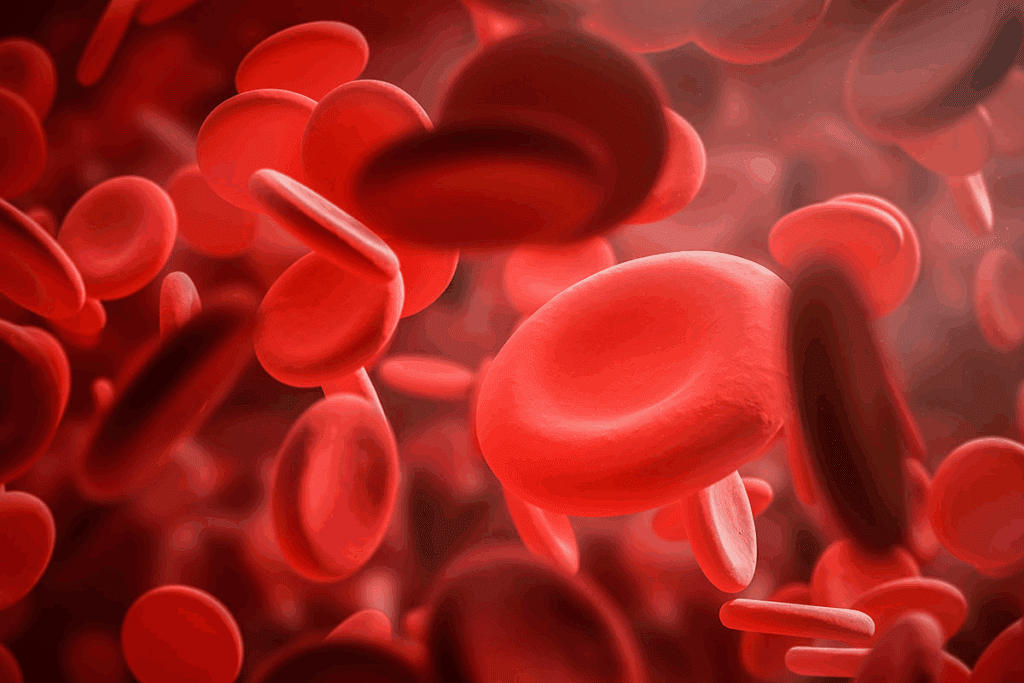
To understand sickle cell anemia, we need to know what it is and how it affects the body. It’s a genetic disorder that changes the shape of red blood cells. This happens because of a problem with the hemoglobin in these cells.
What Is Sickle Cell Anemia?
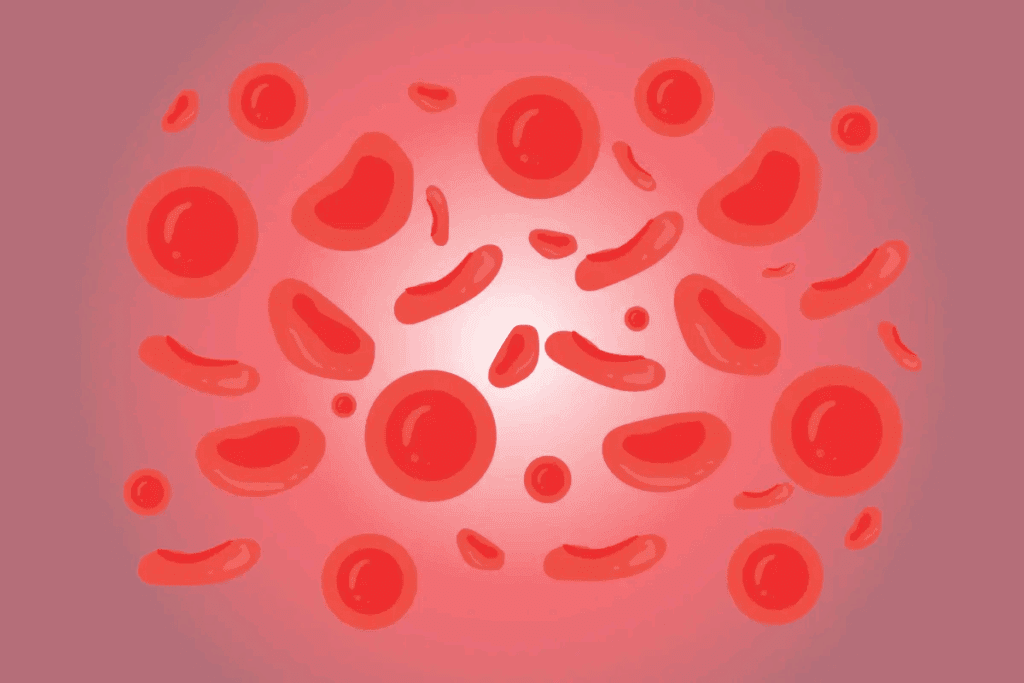
Sickle cell anemia, or sickle cell disease (SCD), happens when you get two sickle cell genes. One comes from each parent. This leads to abnormal hemoglobin, causing red blood cells to become rigid and sickle-shaped.
This condition is caused by a genetic mutation in the HBB gene. When these cells lose oxygen, the abnormal hemoglobin polymerizes. This makes the cells lose their flexibility and take on a sickle shape.
How Sickle-Shaped Cells Affect Blood Flow
The sickle-shaped red blood cells are less flexible and more prone to destruction. This leads to anemia. These cells can also get stuck in small blood vessels, blocking blood flow and causing tissue damage.
This blockage can lead to pain crises and more serious problems like stroke and organ damage. The impact on blood flow is significant because these cells can block the delivery of oxygen to tissues and organs.
Difference Between Sickle Cell Trait and Disease
It’s important to know the difference between sickle cell trait (SCT) and sickle cell disease (SCD). People with SCT have one normal and one sickle cell gene. They are carriers but usually don’t show symptoms of SCD.
On the other hand, those with SCD have two sickle cell genes. They show symptoms of the disease. While SCT carriers are usually fine, they might face complications in extreme conditions like high altitudes or intense physical activity.
The Genetics Behind Sickle Cell Anemia
The genetic basis of sickle cell anemia is rooted in mutations of the HBB gene. This gene provides instructions for making beta-globin, a key part of hemoglobin.
Understanding the genetic basis of sickle cell anemia is key. It shows how this condition is passed down. Sickle cell anemia is caused by a mutation in the HBB gene. This leads to abnormal hemoglobin, known as sickle hemoglobin or HbS.
Inheritance Patterns of the HbS Gene
The HbS gene is inherited in an autosomal recessive pattern. This means an individual needs two copies of the mutated gene to have sickle cell anemia. They get one from each parent.
If someone has only one copy of the mutated gene, they are a carrier. Carriers usually don’t show all the symptoms of sickle cell anemia. But they can pass the mutated gene to their children.
Autosomal Recessive Inheritance
In autosomal recessive inheritance, the condition only shows up with two copies of the mutated gene. This pattern is not linked to sex chromosomes. So, both males and females have an equal chance of getting the condition.
The chance of inheriting sickle cell anemia depends on the parents’ genes. If both parents are carriers, there’s a 25% chance with each child that they will have sickle cell anemia.
How Genetic Mutations Occur Regardless of Race
Genetic mutations that cause sickle cell anemia can happen in anyone, no matter their race or ethnicity. While it’s more common in some groups, the mutation itself isn’t exclusive to any group.
This is why it’s important to know that sickle cell anemia can occur in anyone. It highlights the need for genetic screening and awareness in all communities.
Can Caucasians Get Sickle Cell? The Simple Answer
Caucasians can get sickle cell anemia, despite what many think. It’s a genetic disorder that changes how red blood cells work. This can cause pain, infections, and anemia.
Breaking the Common Misconception
Many believe sickle cell anemia only affects certain groups, like Africans. But, it can happen to anyone, no matter their race or ethnicity. The genetic mutation that causes it can occur in anyone.
It’s essential to understand that sickle cell anemia is not limited by race. It’s inherited in a way that means a person needs two bad genes to have it. This means it can happen in any group where the mutation is found.
Statistical Evidence: 1.8% of US Hospitalizations
Statistics show Caucasians can get sickle cell anemia. About 1.8% of US hospitalizations for it are white patients. This shows it’s a big issue, even if it’s less common than in other groups.
| Ethnic Group | Percentage of Sickle Cell Disease Hospitalizations |
| White | 1.8% |
| African American | 80.4% |
| Hispanic | 10.3% |
| Other | 7.5% |
Rate of Sickle Cell Trait in White Newborns (3 in 1,000)
The sickle cell trait is different from the disease. It happens when someone has one normal and one bad hemoglobin gene. In white newborns, it’s found in about 3 in 1,000. This shows the genetic mutation is present in Caucasians.
The fact that Caucasians can have sickle cell anemia and the trait is important. It shows we need to screen and be aware of it in all groups. By understanding it, we can help diagnose and treat it better for everyone.
Prevalence of Sickle Cell Anemia Across Different Populations
Sickle cell anemia is found in different amounts in various ethnic and geographical groups. This difference comes from the disease’s genetic roots and past migrations.
African and African American Populations
In the United States, sickle cell anemia is most common among people of African descent. About 1 in 500 African Americans has the disease. The sickle cell trait, a milder form, affects about 1 in 12 African Americans.
Mediterranean and Southern European Populations
In countries like Greece and Turkey, and Southern Europe, sickle cell anemia is less common than in Africa. Its presence here is linked to historical interactions and migrations.
Middle Eastern and Indian Populations
Sickle cell disease is also found in the Middle East and India. In some areas, its prevalence is as high as in Africa. This shows the genetic diversity and disease history in these regions.
Caucasian Populations in North America and Europe
While rare, sickle cell anemia is not limited to non-Caucasian groups. In North America and Europe, it occurs in Caucasians, often due to mixed ancestry. For more on how it affects different racial groups,.
The table below shows the prevalence of sickle cell anemia in different populations:
| Population | Prevalence of Sickle Cell Anemia | Prevalence of Sickle Cell Trait |
| African American | 1 in 500 | 1 in 12 |
| Mediterranean | Variable, generally lower than African | Variable |
| Middle Eastern | Significant, comparable to African in some areas | Significant |
| Caucasian (North America and Europe) | Less common, but present due to mixed ancestry | Rare |
Knowing how sickle cell anemia affects different groups is key for health planning and genetic advice. It shows the need for awareness and screening that fits each region’s demographics.
The Malaria Connection: Why Sickle Cell Exists
Malaria has played a big role in the evolution of sickle cell anemia. It gave carriers an advantage in certain parts of the world. This advantage has changed the genetic makeup of populations in malaria-prone areas.
Evolutionary Advantage Against Malaria
The sickle cell trait protects against malaria, mainly the deadly form caused by Plasmodium falciparum. People with one copy of the HbS gene are less likely to get severe malaria. This is because the malaria parasite grows less well in red blood cells with sickle hemoglobin.
The evolutionary advantage of the sickle cell trait in malaria areas has made it more common. This is a classic example of heterozygote advantage. Carriers of the trait have a survival edge over those without it.
Geographic Distribution Matching Malaria-Endemic Regions
The spread of sickle cell anemia mirrors malaria’s past presence. In sub-Saharan Africa, the Mediterranean, and parts of India, the sickle cell trait is more common. This is because the trait protects against malaria.
- In Africa, the sickle cell trait is most common in areas with high malaria transmission.
- In the Mediterranean, countries like Greece and Turkey have a higher prevalence of the trait, reflecting malaria’s historical presence.
- In India, the trait is more common in certain tribal populations and in regions that were previously endemic for malaria.
How This Affects White Populations in These Regions
Sickle cell anemia is often linked to African populations. But it can also be found in white populations from malaria-endemic regions. For example, in parts of Greece and Italy, there’s a higher incidence of the disease among locals.
The presence of the sickle cell trait in white populations shows the complex genetic history of these regions. It also highlights the impact of malaria on local genetics. It’s important to consider genetic screening for sickle cell disease in all populations, regardless of ethnicity, in areas with a history of malaria.
In conclusion, the link between sickle cell anemia and malaria shows how environmental pressures shape genetics. Understanding this relationship is key to grasping the distribution and impact of sickle cell disease across different populations.
Origins of the Misconception About Race and Sickle Cell
The idea that sickle cell anemia only affects certain races is rooted in history. It’s shaped by old medical views, media, and how research groups people. These factors have made many believe it’s a disease of specific races or ethnicities.
Historical Medical Perspectives
Sickle cell disease was first found in people of African descent. This led to a link between the disease and African ancestry. Early research focused on African and African American populations, making it seem like it only affects them. But, as we learned more, we realized it’s not just one race’s problem.
The reason for this early focus was the sickle cell trait’s spread. It was more common in areas where malaria was a big problem. This was because the trait helped fight malaria, making it more common in those areas.
Media Portrayal and Public Understanding
Media has greatly influenced how people see sickle cell anemia. Early reports often linked it to certain races, spreading stereotypes. This made many think it only affects people of African descent.
But, there are efforts to change this. Awareness campaigns and educational materials are now trying to show it affects more people. They’re working to include information about other groups too.
Impact of Racial Categorization in Medical Research
How medical research groups people has shaped our understanding of sickle cell anemia. By classifying diseases by race, some groups are overlooked. This can lead to biased diagnoses and less effective care for those not seen as typical.
New studies are pushing for a more open approach to research. They want to look at sickle cell anemia in all kinds of people. This goal is to help everyone, no matter their race or ethnicity, get better care.
Diagnosis and Testing for Sickle Cell Anemia
Diagnosing sickle cell anemia requires several tests. These tests can spot the condition in people of all ages. They are key for catching the disease early and managing it well.
Newborn Screening Programs
In many countries, like the United States, newborn screening for sickle cell disease is common. A simple blood test is done when the baby is 24 to 48 hours old. The Centers for Disease Control and Prevention (CDC) says early detection through these tests has greatly helped children with sickle cell disease.
Diagnostic Tests for Adults
Adults who weren’t screened at birth or show symptoms can get tested. There are several tests available:
- Hemoglobin electrophoresis: This test separates different types of hemoglobin in the blood, helping to identify abnormal hemoglobin associated with sickle cell anemia.
- High-performance liquid chromatography (HPLC): This is another method used to detect abnormal hemoglobin.
- Genetic testing: This can identify the genetic mutations that cause sickle cell anemia, useful for diagnosing the condition and identifying carriers.
These tests are important for adults with symptoms or a family history of the disease.
Genetic Counseling for All At-Risk Populations
Genetic counseling is advised for those carrying the sickle cell trait or with a family history of the disease. It helps them understand their risk of passing the condition to their children. This way, they can make informed choices about having children.
Genetic counseling is not just for families with a known history of sickle cell anemia; it’s also good for people from areas where the disease is common. Counselors can tell them about the chances of having a child with sickle cell disease. They can also talk about testing options.
Treatment Approaches for All Sickle Cell Patients
Sickle cell anemia treatment is for everyone, no matter their background. It aims to manage symptoms, prevent problems, and enhance life quality.
Standard Treatments Regardless of Ethnicity
Hydroxyurea therapy is a common treatment. It helps reduce pain crises and may cut down on blood transfusions. Blood transfusions also play a big role. They increase normal red blood cells, lowering complication risks.
Pain management is key. It includes pain meds, lifestyle changes, and therapies like acupuncture or physical therapy.
Managing Pain Crises and Complications
Handling pain crises involves meds, hydration, and rest. Severe cases might need hospital care. Regular doctor visits are vital to track the condition and adjust treatments.
- Administering pain relief medication
- Ensuring adequate hydration
- Providing emotional support
Emerging Therapies: Gene Therapy and CRISPR
New treatments like gene therapy and CRISPR technology are showing promise. They aim to fix the genetic issue causing sickle cell anemia, possibly leading to a cure.
Gene therapy replaces or fixes the faulty gene. CRISPR technology edits the gene precisely, aiming to correct the mutation at its source.
Conclusion
Sickle cell anemia is a genetic condition that can affect anyone, no matter their race or ethnicity. It’s important to understand its genetic basis, how common it is, how to diagnose it, and how to treat it. This knowledge helps us care for all those affected.
Many think sickle cell anemia only affects certain groups. But it’s not true. It can happen to anyone, including Caucasians. The genetic mutation that causes it isn’t tied to specific places or ethnic groups.
We need to spread the word about sickle cell anemia. We should talk about its symptoms and why getting the right diagnosis and treatment is key. This way, we make sure everyone with sickle cell anemia gets the care they need, no matter their background.
Knowing about sickle cell disease is vital for managing it. By realizing that anyone can have sickle cell anemia, we can improve healthcare for all. This understanding helps us work towards better health outcomes for everyone affected.
FAQ
Can Caucasians get sickle cell anemia?
Yes, Caucasians can get sickle cell anemia. It’s just not as common as in other groups.
Is sickle cell anemia exclusive to certain racial or ethnic groups?
No, sickle cell anemia isn’t just for certain groups. It can happen to anyone, no matter their background.
What is the difference between sickle cell trait and disease?
Sickle cell trait means having one HbS gene. It usually doesn’t cause problems. But, having two HbS genes leads to sickle cell disease.
How is sickle cell anemia diagnosed?
Doctors use newborn screening and tests for adults to find sickle cell anemia. They also offer genetic counseling to those at risk.
Can white people have sickle cell disease?
Yes, white people can have sickle cell disease. It’s not limited to any race or ethnicity.
What is the prevalence of sickle cell anemia in Caucasian populations?
Sickle cell anemia is less common in Caucasians than in Africans and African Americans. But, it does happen.
Are there any specific treatments for sickle cell anemia in Caucasians?
No, treatments for sickle cell anemia don’t change based on ethnicity. They focus on managing pain and finding new treatments like gene therapy.
How common is sickle cell trait in white newborns?
About 3 in 1,000 white newborns have sickle cell trait.
Can a white person have sickle cell anemia?
Yes, anyone can have sickle cell anemia, including white people. It’s caused by a genetic mutation that can happen to anyone.
What is the connection between sickle cell disease and malaria?
Sickle cell trait helped protect against malaria in some areas. This has shaped where the disease is found.
Do white people get sickle cell anemia?
Yes, white people can get sickle cell anemia. It’s just not as common in this group.
Can Caucasians have sickle cell trait?
Yes, Caucasians can have sickle cell trait. They might not show symptoms but can pass the gene to their kids.
References
- Lovering, S., Grosse, S. D., & Scheuerman, O. (2024). Birth prevalence of sickle cell disease and county-level social vulnerability—Sickle Cell Data Collection Program, 11 States, 2016–2020. Morbidity and Mortality Weekly Report (MMWR), 73(12), 263–268. https://www.cdc.gov/mmwr/volumes/73/wr/mm7312a1.htm