

We’re always looking for new ways to fight cancer. One promising method is combining targeted therapy with chemotherapy. Studies show this combination cancer therapy can greatly improve patient results.
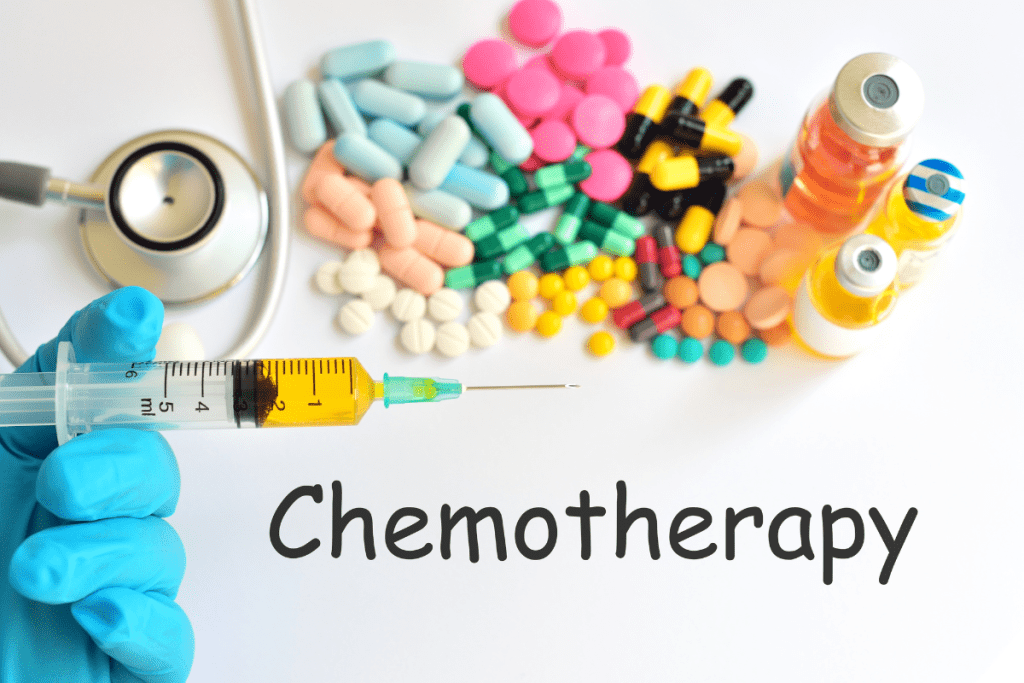
Using both therapies together can make treatment more effective. Success rates can reach up to 80%, compared to 30% with chemotherapy alone. This approach gives patients more hope and a better quality of life.
Key Takeaways
- Chemotherapy and targeted therapy can be given together to improve cancer treatment outcomes.
- Combination cancer therapy has shown success rates of up to 80% in some cases.
- This integrated approach can enhance patient outcomes and quality of life.
- Recent studies support the use of combination therapy for various types of cancer.
- Multi-modal treatment strategies are becoming increasingly important in oncology.
The Current Landscape of Cancer Treatment
Cancer treatment has changed a lot over time. Now, we focus more on using many different treatments together. This change comes from our better understanding of how cancer works.
We’re moving towards mixing different ways to treat cancer. This is to help patients get better results.
Evolution of Cancer Therapy Approaches
The history of fighting cancer is filled with new ideas. We’ve moved from surgery and radiation to chemotherapy and targeted therapy. Targeted therapy has changed how we treat cancer by being more precise.
Studies show that mixing targeted therapy with chemotherapy works better. In some cases, it’s up to 80% effective, compared to 30% for chemotherapy alone. This way of treating cancer attacks cancer cells more fully, which could lead to better results for patients.
The Need for Multi-Modal Treatment Strategies
Cancer is complex, so we need to treat it in many ways. Combining different therapies like chemotherapy, targeted therapy, and immunotherapy helps. This way, we can fight cancer in different ways, making it harder for cancer cells to resist treatment.
Recent studies show that immunotherapy works better when used with other treatments. This supports the idea of using many treatments together in cancer care.
Understanding Chemotherapy: Mechanism and Limitations
Chemotherapy is a key part of cancer treatment. It affects both cancer cells and healthy tissues. For decades, it has been a mainstay in cancer care, killing fast-growing cells, including tumors.
How Chemotherapy Attacks Cancer Cells
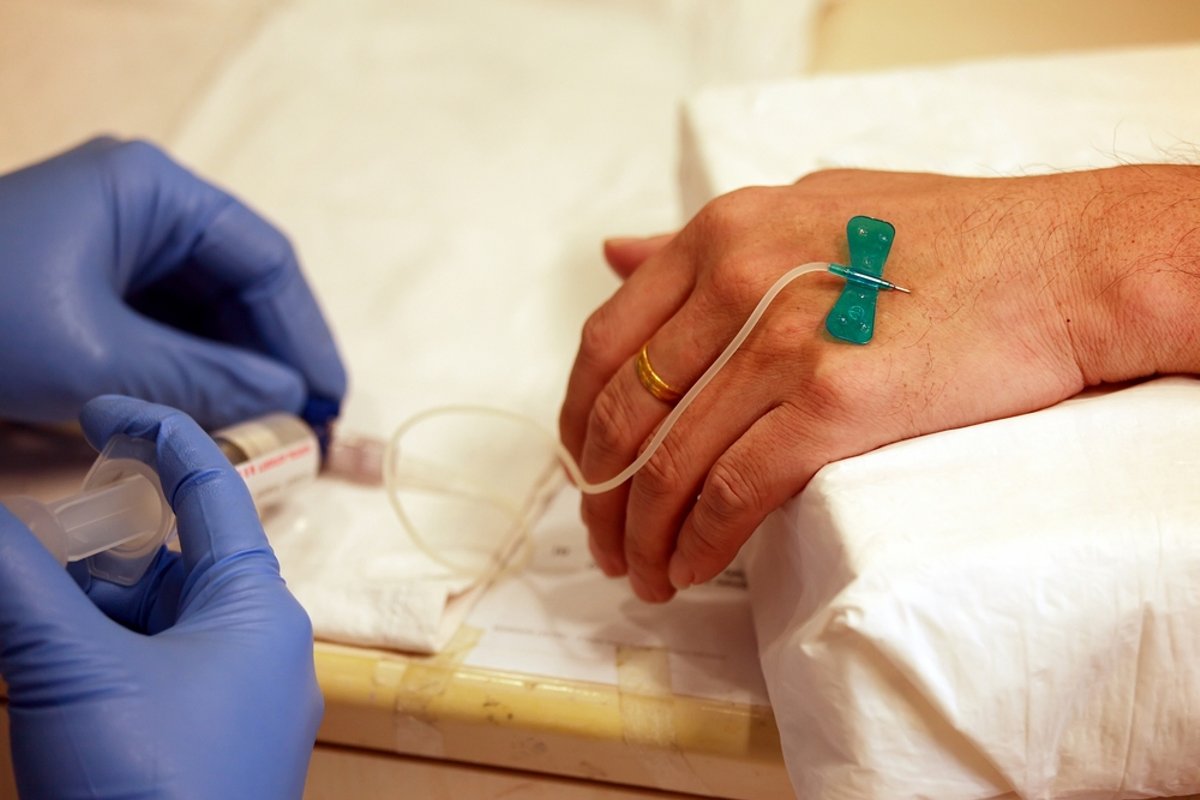
Chemotherapy targets cells that are dividing quickly, a trait of cancer cells. It stops these cells from dividing, reducing the number of cancer cells in the body. Different chemotherapy agents work in distinct ways, like alkylating agents that damage DNA, and antimetabolites that disrupt DNA and RNA synthesis.
Common Chemotherapy Protocols in the United States
In the United States, various chemotherapy plans are used, based on the cancer type and stage. Common regimens include combinations of drugs like anthracyclines, taxanes, and platinum-based drugs. The choice depends on the cancer type, the patient’s health, and past treatments.
Challenges and Side Effects of Chemotherapy
Chemotherapy is effective but has major side effects because it harms healthy cells too. Common issues include nausea, hair loss, and tiredness. Strategies to lessen these effects include adjusting doses and using targeted therapy to possibly lower chemotherapy doses.
Combining chemotherapy with targeted therapy is a promising way to improve treatment results and reduce side effects. Understanding how chemotherapy works and its limitations helps us see why combining it with targeted therapy is beneficial.
Targeted Therapy: A Revolution in Cancer Treatment
Targeted therapy has changed how we fight cancer. It’s more precise than old treatments like chemotherapy. This new method focuses on cancer cells, leaving healthy ones alone.
How Targeted Drugs Identify Cancer Cells
Targeted therapy medicines are made to find and treat specific cancer cells. For example, some drugs target cancer cells with too many HER2 proteins or those with a BRCA mutation. They use monoclonal antibodies to mark these cells for destruction by the immune system.

Types of Targeted Therapy Agents
There are many types of targeted therapy agents. Each works in its own way to fight cancer. Here are a few:
- Monoclonal Antibodies: These are proteins that bind to specific targets on cancer cells, helping to destroy them.
- Tyrosine Kinase Inhibitors: These drugs block enzymes that cancer cells use to grow and multiply.
- Proteasome Inhibitors: These block proteasomes, which are involved in protein degradation within cells, causing cancer cells to die.
Precision Medicine Approach in Oncology
The precision medicine approach in oncology tailors treatment to each patient’s cancer. It uses genetic testing and molecular profiling to find the best targeted therapies for a cancer type.
| Cancer Type | Targeted Therapy | Mechanism |
|---|---|---|
| HER2-positive breast cancer | Trastuzumab (Herceptin) | Binds to HER2 protein, inhibiting tumor growth |
| Chronic myeloid leukemia (CML) | Imatinib (Gleevec) | Blocks BCR-ABL tyrosine kinase, reducing cancer cell proliferation |
| Non-small cell lung cancer (NSCLC) with EGFR mutation | Erlotinib (Tarceva) | Inhibits EGFR tyrosine kinase, slowing tumor growth |
By knowing the genetic mutations behind a patient’s cancer, doctors can choose the best targeted therapy. This leads to better treatment results and a better quality of life.
The Scientific Rationale for Combination Therapy
Using both chemotherapy and targeted therapy together is key in fighting cancer. This mix works better than either one alone. It’s because cancer is complex and needs a detailed plan to treat it.
This method attacks cancer cells in many ways. It makes treatments more effective and less likely to fail.
Synergistic Mechanisms of Action
Chemotherapy and targeted therapy work differently but together they’re powerful. Chemotherapy kills fast-growing cells, including cancer. Targeted therapy goes after specific cancer growth helpers.
Key benefits of this synergistic approach include:
- Enhanced antitumor activity through the complementary actions of chemotherapy and targeted therapy
- Improved patient outcomes due to the more thorough targeting of cancer cells
- Potential reduction in the dosage of chemotherapy needed, which lowers side effects
Attacking Cancer Through Multiple Pathways
Cancer cells can resist single treatments by changing their genes or finding new ways to grow. But, using both chemotherapy and targeted therapy attacks them from different angles. This makes it harder for cancer to resist.
This multi-faceted approach allows for a more effective treatment strategy, as it tackles the variety of cancer cells in a tumor.
Reducing Drug Resistance with Dual Approaches
Studies show that mixing chemotherapy with targeted therapy can lead to better results and less resistance. This is because the two methods target cancer in different ways. It’s harder for cancer to fight back.
By using this combination, we can help more patients with different cancers.
Clinical Evidence: Success Rates of Combined Therapies
Clinical trials show that mixing chemotherapy with targeted therapy boosts cancer treatment results. This combo is promising for better patient outcomes in many cancer types.
Targeted Therapy Boosting Chemotherapy Effectiveness
Research proves that adding targeted therapy to chemotherapy makes treatments more effective. Targeted therapy with chemotherapy improves response rates, survival times, and overall survival in various cancers.
“The mix of chemotherapy and targeted therapy is a game-changer in cancer care,” say top oncologists. It offers new hope for those with few treatment options.
The 80% vs. 30% Success Rate Comparison
Some studies show big differences in success rates between combo therapy and chemotherapy alone. For example, the 80% success rate seen with chemotherapy and targeted therapy combination is much higher than the 30% success rate with chemotherapy alone in some cancers.
2023 Prostate Cancer Study: 56% Response Rate Analysis
A 2023 study on prostate cancer patients treated with both chemotherapy and targeted therapy found a 56% response rate. This included 5% with complete responses and 47% with partial responses. It shows the combo’s promise in fighting advanced prostate cancer.
As we keep improving cancer treatments, more evidence supports using chemotherapy and targeted therapy combination strategies. This leads to better results for patients all over the world.
Cancer Types Benefiting from Chemotherapy and Targeted Therapy Combinations
Recent studies have shown that combining chemotherapy and targeted therapy can greatly improve cancer treatment. This approach is proving to be very effective in treating many types of cancer.
Breast and Lung Cancer Combination Protocols
The mix of chemotherapy and targeted therapy is showing great promise in treating breast and lung cancers. For example, in HER2-positive breast cancer, adding trastuzumab to chemotherapy has led to better survival rates. In non-small cell lung cancer (NSCLC), combining chemotherapy with EGFR inhibitors has also improved treatment results.
Example of Combination Therapy in NSCLC:
| Treatment Regimen | Response Rate | Progression-Free Survival |
|---|---|---|
| Chemotherapy Alone | 30% | 6 months |
| Chemotherapy + EGFR Inhibitor | 55% | 9 months |
Hepatoblastoma and Liver Cancer Treatment Combinations
Hepatoblastoma, a rare liver cancer in children, has seen better outcomes with combination therapy. Using chemotherapy alongside targeted therapies has shown promise in reducing tumor size and making surgery easier. For liver cancer, combining chemotherapy with targeted drugs like sorafenib has also shown benefits in advanced cases.
“The combination of systemic therapies with targeted agents represents a promising approach for the treatment of advanced liver cancer.” -Leading Oncologist
Colorectal and Hematologic Malignancies
In colorectal cancer, combining chemotherapy with targeted therapies like bevacizumab has improved survival rates. For hematologic malignancies like leukemia, combining chemotherapy with targeted therapies like tyrosine kinase inhibitors has changed treatment protocols.
- Improved response rates
- Enhanced progression-free survival
- Better management of side effects
As we continue to explore combining chemotherapy with targeted therapy, it’s clear this approach is helping patients with many types of cancer. Ongoing research and clinical trials will help us find the best combination strategies for different cancers.
Managing Side Effects and Optimizing Treatment
Managing side effects is key when using both chemotherapy and targeted therapy. We aim to improve treatment results and reduce bad effects in cancer care.
Chemotherapy Dose Reduction with Targeted Therapy
Using both chemotherapy and targeted therapy can lower the needed chemotherapy dose. Targeted therapy can lessen some chemotherapy side effects, making treatment more effective and less harsh.
A study in the Journal of Clinical Oncology showed a big drop in chemotherapy dose without losing its power. This is thanks to combining it with targeted therapy.
| Treatment Regimen | Chemotherapy Dose Intensity | Response Rate |
|---|---|---|
| Chemotherapy alone | 100% | 40% |
| Chemotherapy + Targeted Therapy | 70% | 60% |
Monitoring and Managing Combined Toxicities
It’s vital to watch patients closely when using both chemotherapy and targeted therapy. Regular checks and quick actions can lessen bad effects, letting patients keep up with their treatment.
Here’s how we manage combined toxicities:
- Keep an eye on liver function and other important markers
- Act fast to manage side effects like nausea and tiredness
- Adjust doses or pause treatment when needed
Quality of Life Considerations During Dual Therapy
Keeping quality of life high is key in cancer care, even with combination therapy. By cutting down side effects and improving treatment, we help patients stay independent and feel better.
We focus on patient-centered care. We consider each person’s needs and wishes when planning treatments.
The Future of Targeted Therapy and Chemotherapy Combinations
The way we treat cancer is changing. We’re now focusing more on mixing targeted therapy with chemotherapy. This mix aims to make treatments better for patients. As we learn more about cancer, we’re seeing more approved combination treatments.
The 34% New Approval Rate for Combination Regimens
In 2024, about 34% of new cancer drug approvals were for combination treatments. This shows a big move towards using more than one treatment at a time. It’s because we need better ways to fight cancer, which is complex.
Studies are showing that mixing treatments can help patients more. By combining targeted therapy with chemotherapy, we might get past the limits of single treatments.
Emerging Biomarkers for Treatment Selection
Finding new biomarkers is key for choosing the right treatments. Biomarkers help us know which patients will get the most benefit from certain treatments. This makes cancer treatment more personal.
Scientists are working hard to find new biomarkers. These biomarkers will help us pick the best treatments for each patient. This will make treatments better and help patients more.
Next-Generation Combination Strategies
The future of cancer treatment looks bright. New combination strategies will be a big part of it. These will mix new targeted therapies with chemotherapy and add immunotherapy too.
We’re dedicated to making cancer treatment better. By using new biomarkers and strategies, we can help patients live better lives. This is our goal in fighting cancer.
Multidisciplinary Approach to Combination Cancer Treatment
Cancer is a complex disease that needs a team effort from healthcare professionals. At LivHospital, we know that treating cancer well means using a strategy that involves many disciplines working together.
Tumor Boards in Treatment Planning
Tumor boards are key in planning cancer treatment. They bring together different specialists to talk about patient cases and make treatment plans. This teamwork makes sure all parts of a patient’s condition are looked at, leading to better treatment plans.
Our tumor boards have experts from fields like medical oncology, surgical oncology, radiation oncology, and pathology. By combining their knowledge, we find the best mix of treatments for each patient.
Patient-Centered Decision Making
Our approach puts patients at the center of decision making. We believe it’s important to involve patients in making treatment plans. This way, plans are made to fit each patient’s unique needs and wishes.
We work closely with patients to understand their goals, concerns, and values. This ensures treatment plans are made just for them. This approach not only makes patients happier but also helps improve treatment results.
LivHospital’s Approach to Evidence-Based Combinations
LivHospital is dedicated to top-notch cancer care using evidence-based combination therapies. Our team keeps up with the latest research and clinical trials. This way, our patients get the best treatment options available.
A study on Nature.com shows combining targeted therapy and chemotherapy can greatly improve patient outcomes. We use these findings to improve our treatment protocols and care.
| Key Components | Description | Benefits |
|---|---|---|
| Tumor Boards | Multidisciplinary team discussion | Comprehensive treatment planning |
| Patient-Centered Care | Involving patients in decision making | Tailored treatment plans, improved patient satisfaction |
| Evidence-Based Combinations | Use of latest research and clinical trials | Access to most effective treatment options, improved outcomes |
By using a multidisciplinary approach, LivHospital provides our patients with care that meets their unique needs. Our commitment to improving our practices keeps us at the leading edge of cancer treatment.
Conclusion: Advancing Cancer Care Through Strategic Combinations
We’ve looked into how mixing chemotherapy and targeted therapy can better treat cancer. This approach helps doctors give patients more effective care. It’s all about making treatment plans that work best for each person.
Studies show that combining these therapies can lead to better results for many cancers. As we keep improving cancer care, using both chemotherapy and targeted therapy will be key. It will help us create treatment plans that really work.
At LivHospital, we aim to provide top-notch healthcare to international patients. We use the newest cancer treatments to give care that’s tailored to each patient. This way, we aim to improve their health and quality of life.
Going forward, we need to keep researching and working together to improve cancer care. We’re committed to this goal. We’re working hard to bring the best treatments to those who need them most.
FAQ
Can chemotherapy and targeted therapy be given together?
Yes, chemotherapy and targeted therapy can be given together. In fact, combining these therapies has shown to improve patient outcomes in various types of cancer.
What is the benefit of combining chemotherapy and targeted therapy?
Combining chemotherapy and targeted therapy attacks cancer cells in different ways. This reduces drug resistance and makes treatment more effective.
How does targeted therapy enhance chemotherapy?
Targeted therapy identifies and attacks specific cancer cells. This makes chemotherapy more effective. Together, they improve treatment outcomes.
What types of cancer can benefit from combination therapy?
Many cancers, like breast, lung, and liver cancers, can benefit from combination therapy. This includes colorectal and hematologic malignancies too.
How can side effects be managed during combination therapy?
Managing side effects involves reducing chemotherapy doses and monitoring toxicities. It also includes considering the patient’s quality of life.
What is the future of cancer treatment in terms of combination regimens?
The future of cancer treatment will likely include more combination regimens. This will focus on new biomarkers and next-generation strategies.
How does a multidisciplinary approach impact combination cancer treatment?
A multidisciplinary approach is key for effective combination cancer treatment. It involves tumor boards and patient-centered decision making for better care.
What is the role of evidence-based combinations in cancer treatment?
Evidence-based combinations, like those at LivHospital, are vital. They provide personalized treatment plans that improve patient outcomes.
Can combination therapy lead to reduced drug resistance?
Yes, combination therapy can reduce drug resistance. It attacks cancer cells in multiple ways, making resistance harder to develop.
How does combination therapy impact quality of life during treatment?
Combination therapy can affect quality of life during treatment. Healthcare providers should focus on minimizing side effects and improving outcomes for better patient care.
References
- Yin, J., et al. (2017). The Role of MET Amplification in Resistance to EGFR TKIs inLung Cancer. Clinical Cancer Research, 23(21), 6398“6405.

























