
Chronic kidney disease affects millions worldwide, with 850 million people impacted globally. While a cure remains elusive, we can effectively manage the condition through various treatment approaches. Managing kidney disease can be tough, but natural treatments can help slow its progressioncan chronic kidney disease be cured.
We will explore seven natural approaches to support kidney health. We will also discuss the latest medical innovations to manage the condition. By combining evidence-based management strategies with natural therapies, we can improve the quality of life for those affected.
Key Takeaways
- Comprehensive treatment approaches can effectively manage kidney disease.
- Natural treatment options can help slow disease progression.
- Seven natural approaches can support kidney health.
- Evidence-based management strategies can improve quality of life.
- Latest medical innovations can help manage the condition.
Understanding Chronic Kidney Disease
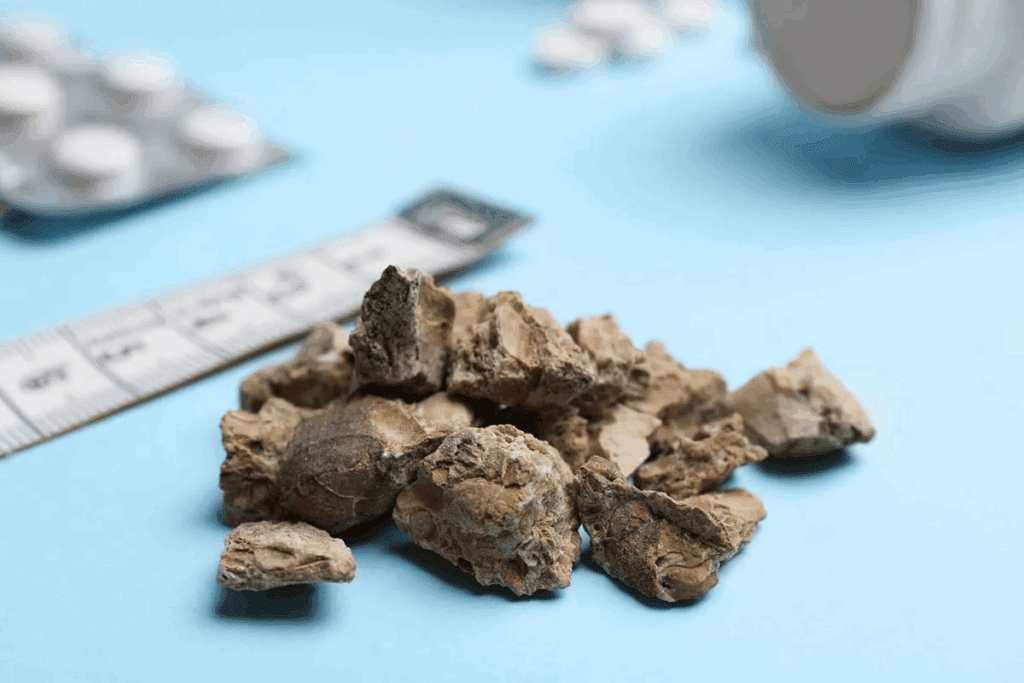
Chronic kidney disease is a serious condition that gets worse over time. It’s important to know what it is, how common it is, and its different stages. This knowledge helps in managing the disease better.
What Is Chronic Kidney Disease?
CKD means your kidneys slowly lose function. Your kidneys filter waste, balance electrolytes, and keep you healthy. Damage to them leads to waste buildup and health issues. CKD is diagnosed by a low glomerular filtration rate (GFR) or kidney damage signs.
Prevalence and Statistics
CKD affects millions worldwide. About 10% of adults globally have it. In the U.S., over 37 million people live with CKD. Many more are at risk due to diabetes, high blood pressure, and family history.
Stages of Kidney Disease
CKD has five stages based on kidney function. Knowing these stages helps doctors understand how severe the disease is. It also guides treatment plans.
| Stage | GFR (mL/min/1.73 m2) | Description |
| 1 | 90+ | Kidney damage with normal or increased GFR |
| 2 | 60-89 | Mild loss of kidney function |
| 3 | 30-59 | Moderate loss of kidney function |
| 4 | 15-29 | Severe loss of kidney function |
| 5 | <15 | Kidney failure, requiring dialysis or transplantation |
Understanding CKD stages helps doctors create better treatment plans. This can slow disease progression and manage symptoms.
Risk Factors and Symptoms of CKD

It’s important to know the risk factors and symptoms of chronic kidney disease (CKD). This knowledge helps in early detection and management. We will look at common risk factors and warning signs of CKD.
Common Risk Factors
Several factors can increase your risk of getting CKD. These include:
- Diabetes: A leading cause of CKD, diabetes damages the kidneys’ filters.
- Hypertension: High blood pressure can damage the kidneys and is a major risk factor for CKD.
- Family History: Having a family history of kidney disease increases your risk.
- Age: Being 65 or older is a significant risk factor.
- Obesity: Excess weight can increase the risk of developing conditions that lead to CKD.
- Smoking: Smoking damages the kidneys and is a risk factor for CKD.
Warning Signs and Symptoms
CKD often progresses silently, but there are symptoms to watch out for, such as:
- Fatigue: Feeling tired or weak.
- Swelling: Swelling in the legs, ankles, feet, or face.
- Changes in Urination: Changes in frequency, color, or output.
Recognizing these symptoms of kidney disease early can lead to timely medical intervention.
When to See a Doctor
If you’re experiencing any of the symptoms or have risk factors for CKD, it’s essential to consult a healthcare professional. Early kidney disease diagnosis and treatment can significantly impact the progression of the disease.
Can Chronic Kidney Disease Be Cured?
To understand if chronic kidney disease can be cured, we need to look at what doctors know and the treatments available. The idea of a “cure” is something many patients hope for. But, the truth about managing CKD is more complex.
The Reality of CKD Management
CKD is a condition where the kidneys slowly get damaged or work less over time. It’s not curable in the usual sense. But, there are ways to slow it down.
Even though CKD can’t be reversed, we can slow its progress with the right treatment and lifestyle changes. This not only makes life better for patients but also helps prevent worse kidney damage.
Slowing Progression vs. Reversal
The main goal in managing CKD is to slow it down. Doctors use treatments, diet changes, and lifestyle adjustments to do this. While we can’t reverse it, slowing it down can make a big difference.
Healthcare providers often suggest a mix of treatments. This includes controlling blood pressure, managing diabetes, and eating a diet that’s good for the kidneys. These steps help protect the kidneys from further damage.
| Management Strategy | Description | Benefit |
| Blood Pressure Control | Managing hypertension through medication and lifestyle changes | Reduces strain on kidneys |
| Diabetes Management | Controlling blood sugar levels through diet, exercise, and medication | Slows CKD progression |
| Kidney-Friendly Diet | Adjusting dietary intake of sodium, potassium, and phosphorus | Reduces kidney workload |
Setting Realistic Expectations
It’s important for patients to know that while CKD can’t be cured, it can be managed well. This can greatly improve their quality of life. Working with healthcare providers and setting realistic goals can help patients manage their CKD better.
By following a detailed management plan, patients can play a big role in slowing their disease. This, along with regular medical care, is the best way to manage CKD.
Conventional Medical Treatments for CKD
Managing chronic kidney disease (CKD) needs a team effort. Conventional medical treatments are key. They aim to slow the disease, manage symptoms, and prevent complications.
Medication Approaches
Medicines are vital in treating CKD. They help control blood pressure, protein loss, and electrolyte levels. The right medicine depends on the disease stage, other health issues, and the patient’s needs.
SGLT2 Inhibitors and ACE Inhibitors are important in CKD care. SGLT2 inhibitors help with diabetes and slow kidney disease. ACE inhibitors control blood pressure and protein loss, helping slow CKD.
SGLT2 Inhibitors and ACE Inhibitors
SGLT2 inhibitors lower blood sugar and kidney strain. ACE inhibitors reduce blood pressure and protein loss. Both protect the kidneys, making them key in CKD treatment.
- SGLT2 inhibitors: Reduce glucose reabsorption, lower blood glucose, and decrease kidney strain.
- ACE inhibitors: Lower blood pressure, reduce proteinuria, and provide renoprotective benefits.
Emerging Treatments in Clinical Trials
New treatments for CKD are being tested. These include drugs and cell therapies to fight inflammation and slow disease. Vicadrostat, a new drug, is being studied to slow CKD.
Cell therapies, like stem cells, aim to fix damaged kidneys. These treatments are promising but need more research to prove their safety and effectiveness.
Natural Treatment Option 1: Blood Pressure Management
Managing blood pressure is key to keeping kidneys healthy. High blood pressure can harm the blood vessels in the kidneys. This makes it harder for the kidneys to work right. By keeping blood pressure in check, people can slow down kidney disease and feel better overall.
The Connection Between Blood Pressure and Kidney Health
The link between blood pressure and kidney health is complex. High blood pressure can damage the kidneys, while kidney disease can cause high blood pressure. This creates a cycle that can worsen kidney disease if not managed well.
Key factors in this relationship include:
- The strain high blood pressure puts on kidney blood vessels
- The kidneys’ role in regulating blood pressure through fluid balance and hormone secretion
- The impact of kidney damage on blood pressure control mechanisms
Natural Ways to Control Blood Pressure
Controlling blood pressure naturally requires lifestyle and diet changes. Some effective strategies include:
- Regular Exercise: Activities like walking, cycling, or swimming for 30 minutes a day can lower blood pressure.
- Dietary Changes: Eating more fruits, vegetables, whole grains, and lean proteins can help manage blood pressure. The DASH diet is highly recommended.
- Stress Reduction: Stress-reducing activities like meditation, deep breathing, or yoga can help lower blood pressure.
- Limiting Sodium Intake: Cutting down on salt is important, as too much can raise blood pressure in some people.
Monitoring Your Blood Pressure at Home
Checking blood pressure at home is vital for managing hypertension. It helps track progress, spot patterns, and make treatment decisions. When picking a home blood pressure monitor, choose a validated device that fits well and is easy to use.
Tips for accurate home blood pressure monitoring:
- Measure blood pressure at the same time each day
- Ensure you are relaxed and seated comfortably before taking a reading
- Avoid caffeine and smoking for at least 30 minutes before measurement
- Keep a log of your readings to track changes over time
Natural Treatment Option 2: Kidney-Friendly Diet
Following a kidney-friendly diet is key for managing chronic kidney disease (CKD). It helps slow down the disease’s progress. A well-planned diet reduces kidney strain and boosts overall health.
Managing Sodium, Potassium, and Phosphorus
It’s important to control sodium, potassium, and phosphorus intake for CKD patients. High levels can cause high blood pressure, heart issues, and bone disease. Reducing sodium helps control blood pressure and fluid retention. Avoid processed foods and cook with fresh ingredients.
Potassium-rich foods like bananas and leafy greens should be eaten in moderation. Monitoring potassium levels is key to avoid heart problems. Also, limit phosphorus to prevent bone and mineral disorders. Dairy, processed meats, and some drinks are high in phosphorus.
Protein Considerations for Kidney Health
Protein is important for muscle and health, but too much can harm kidneys. It’s best to follow a healthcare provider’s advice on protein intake. This varies based on CKD stage and other health factors.
Foods to Embrace and Avoid
A kidney-friendly diet means choosing the right foods. Choose foods low in sodium, potassium, and phosphorus. Opt for fruits like apples, berries, and vegetables like cauliflower. Lean proteins like chicken and fish are also good.
On the other hand, avoid foods high in these minerals. Processed foods, fast food, and some dairy products are bad choices. Reading labels and watching portion sizes helps make better food choices.
By following a kidney-friendly diet, CKD patients can manage their condition better. It improves their quality of life. Always talk to a healthcare provider or dietitian for a personalized meal plan.
Natural Treatment Option 3: Diabetes Management
Managing diabetes is key for those with chronic kidney disease. Diabetes is a top cause of CKD. Keeping blood sugar levels in check is vital to slow down the disease.
How Diabetes Affects Kidney Function
Diabetes can harm the kidneys over time. High blood sugar levels damage the blood vessels in the kidneys. This damage can lead to less kidney function and even kidney failure.
Key Effects of Diabetes on Kidney Function:
- Increased blood sugar levels damage kidney blood vessels
- High blood pressure, often associated with diabetes, further stresses the kidneys
- Diabetes can lead to inflammation and oxidative stress, exacerbating kidney damage
Natural Approaches to Blood Sugar Control
Controlling blood sugar naturally means making dietary and lifestyle changes. Eating a balanced diet low in simple carbs and high in fiber helps regulate blood sugar.
| Food Group | Recommended Foods | Foods to Limit |
| Carbohydrates | Whole grains, non-starchy vegetables | Refined grains, sugary snacks |
| Protein | Lean meats, fish, legumes | Processed meats |
| Fats | Healthy fats like avocado, nuts | Saturated and trans fats |
Glycemic Index and Meal Planning
The glycemic index (GI) helps pick foods that won’t raise blood sugar. Planning meals with low GI foods can help manage diabetes.
Tips for Meal Planning:
- Choose low GI foods like whole grains and non-starchy vegetables
- Incorporate lean protein and healthy fats into meals
- Limit high GI foods and sugary drinks
Understanding how diabetes affects the kidneys and using natural ways to control blood sugar can help manage CKD. This can slow down disease progression.
Natural Treatment Option 4: Optimal Hydration
Keeping your kidneys healthy is key, and drinking enough water is a big part of it. People with chronic kidney disease (CKD) need to drink the right amount of fluids. This helps their kidneys work well and get rid of waste.
The amount and type of fluids needed can change based on how far CKD has progressed and your health.
Finding the Right Balance of Fluid Intake
Finding the right amount of fluids is very important. Drinking too little can cause dehydration and make kidney problems worse. On the other hand, drinking too much can strain your kidneys and cause other issues like swelling and heart problems.
Most people with CKD should aim to drink about 2 liters of fluid a day. But, this can differ based on things like where you live, how active you are, and your overall health.
Quality of Water and Beverages
Not all drinks are good for your kidneys. Water is usually the best choice, but other drinks can also help with staying hydrated.
Tips for choosing kidney-friendly beverages:
- Limit sugary drinks and those high in potassium or phosphorus.
- Choose water as the primary source of hydration.
- Consider herbal teas or low-sugar sports drinks if plain water is not appealing.
Adjusting Hydration Based on CKD Stage
The stage of CKD affects how much fluid you should drink. In the early stages, staying hydrated is the main goal. But, as CKD gets worse, you might need to drink less to avoid problems.
In advanced CKD, patients might need to limit fluids to avoid overloading the heart and to manage electrolyte imbalances.
Natural Treatment Option 5: Herbal Supplements and Kidney Health
Exploring natural treatments for chronic kidney disease, we look at herbal supplements. They can be a good addition to treatment plans, but we must be careful.
Potentially Beneficial Herbs and Supplements
Some herbal supplements may help those with chronic kidney disease. For example, astragalus from traditional Chinese medicine might improve kidney function and lower proteinuria. Turmeric could also help with kidney inflammation because of its anti-inflammatory properties. Omega-3 fatty acids in fish oil supplements support heart health, which is important for kidneys too.
A study in the Journal of Renal Nutrition found some herbal supplements might protect the kidneys. But, always talk to a healthcare professional before adding supplements.
Supplements to Avoid With Kidney Disease
While some supplements are good, others can harm those with kidney disease. For instance, creatine and high doses of vitamin C can strain the kidneys. Also, avoid supplements with aristolochic acid because it can damage kidneys.
The National Kidney Foundation warns that some herbal products can harm kidneys or interact with kidney disease treatments. So, it’s key to review supplements with your healthcare provider.
“The use of herbal supplements in patients with chronic kidney disease requires careful consideration of the benefits and risks.”
— Dr. [Last Name], Nephrologist
Safety and Efficacy Considerations
When thinking about herbal supplements for kidney health, safety and effectiveness are top priorities. The quality of supplements can vary a lot, and some may have contaminants or not work as promised.
To stay safe, pick products from trusted manufacturers that follow Good Manufacturing Practices (GMPs). Also, always talk to your healthcare provider before starting any new supplement. This is to check for any possible interactions with your medications or other health issues.
- Consult with a healthcare professional before using any herbal supplements.
- Choose products from reputable manufacturers.
- Be aware of possible interactions with medications or other health conditions.
By being informed and cautious, people with chronic kidney disease can use herbal supplements wisely. This way, they can benefit from them while avoiding risks.
Natural Treatment Option 6: Lifestyle Modifications
Lifestyle changes are key to supporting kidney health and overall well-being. By adopting healthy habits, people with chronic kidney disease (CKD) can manage their condition better. This might even slow down the disease’s progression.
Exercise and Physical Activity Guidelines
Regular exercise is vital for a healthy lifestyle, more so for those with CKD. It helps control blood pressure, keeps a healthy weight, and boosts heart health. We suggest at least 150 minutes of moderate-intensity aerobic exercise each week, like brisk walking, cycling, or swimming.
Before starting any new exercise, it’s important to talk to a healthcare provider. They can create an exercise plan that fits your needs and abilities.
| Exercise Type | Benefits for CKD Patients | Examples |
| Aerobic Exercise | Improves cardiovascular health, controls blood pressure | Brisk walking, cycling, swimming |
| Resistance Training | Builds muscle mass, improves bone density | Weight lifting, resistance band exercises |
| Flexibility Exercises | Enhances flexibility, reduces injury risk | Yoga, stretching exercises |
Stress Management Techniques
Chronic stress can harm kidney health by raising blood pressure and leading to unhealthy habits. It’s important to manage stress well. Meditation, deep breathing, and yoga are good ways to reduce stress.
Doing hobbies, spending time with loved ones, and practicing mindfulness also help manage stress. It’s important to find what works for you and make it a part of your daily life.
Sleep Quality Improvement
Good sleep is essential for overall health, including kidney function. Poor sleep can make CKD symptoms worse and lead to other health problems. To improve sleep, try to sleep the same hours every night, have a relaxing bedtime routine, and make your sleep area comfortable.
Avoid caffeine and electronic devices before bed, and make your sleep space cozy. If you’re having trouble sleeping, talk to a healthcare provider for advice.
By making these lifestyle changes, people with CKD can actively manage their condition. This can improve their quality of life significantly.
Natural Treatment Option 7: Avoiding Kidney-Damaging Substances
Kidney health is affected by certain substances. It’s important to know what to avoid. Managing chronic kidney disease (CKD) means treating it and protecting the kidneys from harm. Avoiding harmful substances is key to this protection.
Over-the-Counter Medications to Use Cautiously
Some over-the-counter (OTC) medications can harm the kidneys. This is true, mainly when used too much or for a long time. Nonsteroidal anti-inflammatory drugs (NSAIDs) are a big problem because they cut down blood flow to the kidneys and can damage them.
It’s important to use these medications carefully. Always talk to a healthcare provider, even more so if you already have kidney problems.
| Medication Type | Potential Kidney Risk | Precaution |
| NSAIDs | Reduced blood flow, damage | Use sparingly, consult a doctor |
| Certain antacids | Calcium and phosphorus buildup | Choose kidney-friendly alternatives |
Alcohol and Tobacco Considerations
Alcohol and tobacco are bad for the kidneys. Alcohol can raise blood pressure and cause dehydration, both of which are hard on the kidneys. Tobacco use increases the risk of kidney disease and makes CKD worse.
“Smoking cessation is critical for patients with CKD, as it greatly lowers the risk of disease progression and heart problems.”
– Journal of the American Society of Nephrology
Environmental Toxins Awareness
Some environmental toxins can harm the kidneys. Heavy metals, pesticides, and industrial chemicals are examples. Knowing where these toxins come from, like in polluted water or at work, is important.
To stay safe, use water filters, avoid polluted areas, and follow safety rules when working with chemicals.
By being careful about these harmful substances, people with CKD can manage their condition better. This helps protect their kidney health.
Conclusion: Creating Your Comprehensive Kidney Health Plan
Creating a detailed kidney health plan is key for managing chronic kidney disease. It includes natural treatments, lifestyle changes, and medical care. This helps improve life quality and slow disease growth.
A good kidney health plan focuses on managing blood pressure and following a diet that’s good for the kidneys. It also involves controlling diabetes, staying hydrated, and making smart choices about herbal supplements and lifestyle habits. These steps help people manage their kidney disease better.
We suggest working closely with healthcare providers to create a personalized treatment plan. This team effort makes sure all parts of kidney health are covered. It leads to better health outcomes.
By being proactive and taking a holistic approach to kidney health, people can improve their well-being. Effective kidney disease management is vital for a better quality of life and a positive outlook.
FAQ.
How do you cure kidney disease?
Chronic kidney disease can’t be cured. But, there are ways to manage it. These strategies can improve your life and slow the disease’s progress.
What are the natural treatment options for kidney disease?
We look at seven natural ways to help your kidneys. These include managing blood pressure and following a special diet. We also talk about controlling diabetes, staying hydrated, and using herbal supplements. Making lifestyle changes and avoiding harmful substances are also key.
Can you cure kidney failure?
Kidney failure is a serious stage of chronic kidney disease. It can’t be cured. But, there are ways to manage it. These can slow the disease’s progress and improve your life.
How can I improve my kidney function?
To improve your kidneys, manage your blood pressure and eat right. Control your diabetes and drink plenty of water. Also, avoid substances that can harm your kidneys.
What is the best way to improve kidney function?
The best way is a mix of lifestyle changes, diet, and medical care. This approach can help your kidneys function better.
Is there a cure for chronic kidney disease?
Sadly, there’s no cure for chronic kidney disease. But, with the right management, you can slow it down. This can also improve your life quality.
How to treat dry kidneys?
Keeping your body hydrated is key for your kidneys. Adjusting how much water you drink can also help, depending on your kidney disease stage.
What are some kidney remedies?
Some herbal supplements might help your kidneys. But, always talk to a doctor before adding them to your routine.
Is kidney disease treatable?
Yes, kidney disease is treatable. While it can’t be cured, managing it can slow its progress. This can also make your life better.
How can I heal my kidneys?
You can’t fully “heal” your kidneys. But, a healthy lifestyle, managing health issues, and a treatment plan can support them.
What helps kidneys heal?
A good diet, enough water, and avoiding harmful substances can help your kidneys stay healthy.
How to help kidney disease?
Using natural treatments, making lifestyle changes, and getting medical help can improve your life. It can also slow the disease’s progress.
What can be done to improve kidney function?
To boost your kidneys, manage your blood pressure, eat well, control diabetes, and drink enough water.
How to fix kidney problems?
Fixing kidney issues requires a full approach. This includes lifestyle changes, diet, and medical care to manage the problem and slow it down.
What can help kidney disease?
Natural treatments, lifestyle changes, and medical care can help manage kidney disease. This can also improve your life quality.
What is kidney treatment?
Kidney treatment is a complete plan. It includes lifestyle changes, diet, and medical care. This helps manage the disease and slow its progress
References
National Center for Biotechnology Information. (2025). Cialis Dosing Guide 5 Dosage Options Explained Knowing. Retrieved from https://www.ncbi.nlm.nih.gov/books/NBK603743/