
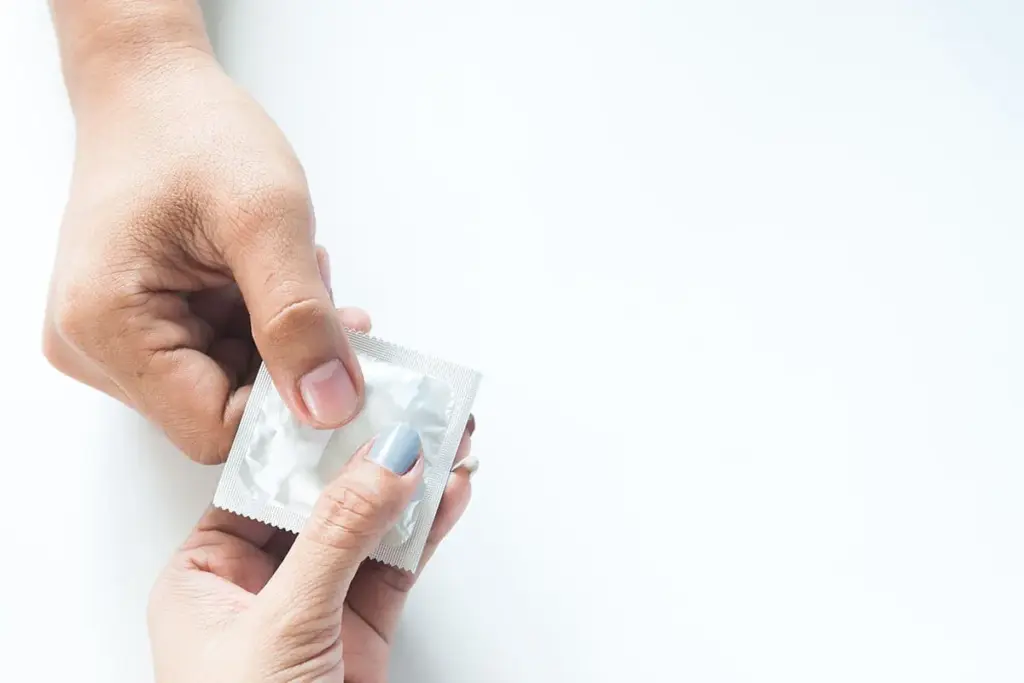
Condoms are a vital tool for keeping sex safe and healthy today. They help people enjoy intimacy without the fear of infections or unplanned pregnancies. We want everyone to feel safe and confident in their most private moments.
Can using a condoms Cause Yeast Infections? Explore the potential risks and how to avoid them for a comfortable, protected sexual experience.
Many people worry if using a condom can cause a yeast infection. While condoms are safe, some ingredients or lubricants might upset the body’s balance. We help figure out if people can be allergic to condoms when they feel unexpected irritation.
It’s key to know that ongoing discomfort could be from a condom allergy in females or a male condom allergy. Our team offers the care and knowledge needed to tackle these sensitive issues. We want to give you the info to make informed choices for your health.
Key Takeaways
- Condoms are essential for preventing sexually transmitted infections and unwanted pregnancies.
- Misconceptions often link condom use to yeast infections without medical evidence.
- Certain chemicals in lubricants can sometimes disrupt the natural pH balance.
- Allergic reactions to latex or specific coatings can mimic infection symptoms.
- Identifying a condom allergy is a critical step for ensuring sexual comfort.
- We offer specialized support to help patients choose the right protection for their skin.
Can Using a Condom Cause a Yeast Infection

Condoms are key for safe sex, but they can raise questions about vaginal health. We’ll look into how condoms might affect yeast infections. We’ll also check out the role of different condom parts.
The Connection Between Condoms and Yeast Infections
Condoms don’t directly cause yeast infections. They actually help by blocking infections. But, some condom ingredients or lubricants might irritate and lead to infections.
Yeast infections happen when Candida grows too much in the vagina. This is usually because something disrupts the natural balance of vaginal bacteria.
Spermicides and Lubricants as Yeast Infection Triggers
Spermicides, like nonoxynol-9, can increase yeast infection risk. They can irritate the vagina. Some lubricants, with certain chemicals or allergens, can also irritate.
It’s best to pick condoms and lubricants that are gentle. Look for ones that say they’re hypoallergenic or for sensitive skin.
| Condom Component | Potential Effect on Vaginal Health | Recommendation |
| Latex | May cause allergic reactions or irritation in some individuals | Consider non-latex alternatives |
| Spermicides (e.g., nonoxynol-9) | Can irritate vaginal mucosa, increasing infection risk | Opt for spermicide-free condoms |
| Lubricants with chemicals or allergens | May cause irritation or allergic reactions | Choose hypoallergenic or sensitive skin-friendly lubricants |
How Latex and Non-Latex Condoms Affect Vaginal pH
Condom type can affect vaginal health. Latex condoms are usually safe but can cause allergies in some. Non-latex condoms, made from materials like polyurethane or polyisoprene, are an option for those allergic to latex.
The vagina’s pH is slightly acidic, between 3.8 and 4.5. Condoms themselves don’t change vaginal pH much. But, some lubricants or spermicides might affect it.
It’s key to pick condoms and lubricants that work well with your body. This helps avoid irritation and infections.
Allergic Reactions to Condoms in Females and Males

Condoms are key for safe sex, but some people may react to them. Both men and women can have allergic reactions to condoms. These reactions often come from the materials used, like latex.
Can Someone Be Allergic to Condoms
Yes, it’s possible to be allergic to condoms. Latex, a natural rubber, is the main cause. It can cause symptoms from mild to severe. Latex allergy is more common in people who have had multiple surgeries, frequent exposure to latex, or certain allergies.
For those allergic to latex, there are non-latex condoms. They are made from materials like polyurethane or polyisoprene. These alternatives are safe for those with latex allergies, allowing them to practice safe sex without allergic reactions.
Condom Allergic Reaction Symptoms in Females
Women may show different symptoms if they’re allergic to condom materials. Common signs include:
- Itching or burning sensation in the genital area
- Redness or rash on the vulva or vagina
- Swelling of the genital area
- Vaginal discharge or unusual odor
It’s essential for women experiencing these symptoms to consult a healthcare provider to determine the cause and appropriate treatment.
Male Condom Allergy Symptoms and Signs
Men can also have allergic reactions to condoms. Symptoms differ from women’s. Common signs include:
- Itching, redness, or rash on the penis
- Swelling or irritation of the genital area
- Burning sensation during or after intercourse
Male condom allergy symptoms can be uncomfortable. Switching to non-latex condoms or exploring other protective measures can help.
How Do You Know if You’re Allergic to Condoms
Identifying a condom allergy involves recognizing symptoms and understanding condom materials. If you have unusual reactions after using condoms, it’s important to:
- Stop using the condoms immediately
- Consult a healthcare provider for advice
- Consider alternative condom materials
A healthcare professional can guide you on managing the allergy. They can also recommend suitable alternatives for safe sex practices.
The following table summarizes the key points regarding condom allergy symptoms and alternatives:
| Symptom/Issue | Female Symptoms | Male Symptoms | Alternative |
| Latex Allergy | Itching, burning, rash, swelling | Itching, redness, rash, swelling | Non-latex condoms (polyurethane, polyisoprene) |
| Spermicide or Lubricant Issue | Vaginal irritation, discharge | Irritation, burning sensation | Switch to different spermicide or lubricant |
Conclusion
It’s important to know the risks of using condoms for safe sex. While condoms are safe, some materials can cause irritation or allergic reactions. This is true for some people.
To avoid these issues, choose condoms wisely. Look for ones made from hypoallergenic materials. Avoid those with spermicides or certain lubricants. This can help prevent yeast infections and allergic reactions. Keeping good sexual hygiene is also key for condom safety and health.
Knowing how to prevent yeast infections and allergic reactions is important. This means picking the right condoms and practicing good hygiene. Being aware of any signs of irritation or allergic reactions is also important.
Condoms are a great way to prevent STIs and pregnancy when used right. By making smart choices and being aware of risks, you can have safe and healthy sex.
FAQ
Can people be allergic to condoms?
Yes, people can be allergic to condoms. Most often, this is due to a latex allergy. Some may also react to chemicals, fragrances, or spermicides like Nonoxynol-9 found in certain brands.
Do condoms cause irritation or itching?
While condoms are designed to be safe, they can cause discomfort. This discomfort is often due to friction or sensitivities to the lubricants used on the material.
Can a condom cause irritation in females specially?
Yes, condoms can cause irritation in women. This irritation often involves the delicate vaginal tissues. It can be due to latex proteins or glycerin-based lubricants, leading to redness and a burning sensation.
Am I allergic to condoms, and how would I know?
If you’re wondering if you’re allergic to condoms, watch for symptoms. Signs include immediate itching, swelling, or a rash following use. If these symptoms subside when using latex-free alternatives, a latex allergy is likely.
What are common condom allergic reaction symptoms in females?
Women with a condom allergy often experience localized vaginal itching, redness, and swelling. Some may also feel a “heavy” feeling or general irritation that mimics the early stages of a yeast infection.
Can someone be allergic to condoms if they are male?
Absolutely. A male condom allergy usually manifests as dermatitis on the genital area. If you notice a rash or persistent itching after using brands like Trojan or Durex latex versions, you may be a female allergic to condoms or a male with a similar sensitivity.
Does condoms cause irritation even without a latex allergy?
Even without a formal allergy, many experience irritation. Friction during intimacy or the presence of harsh spermicides can cause symptoms of condom irritation, regardless of whether you have a true immune response to latex.
Should I be allergic to condoms if I have other allergies?
While not everyone with allergies will react, certain allergies may increase the risk. If you have a known sensitivity to rubber or certain fruits (like bananas or avocados), you might ask, “could I be allergic to condoms?” There is a known cross-reactivity between these items and latex that we suggest discussing with your doctor.
Are there specific “allergic condoms” or safer alternatives?
For those dealing with allergic condoms issues, we recommend switching to synthetic materials. Brands like SKYN produce polyisoprene options that provide the same protection without the latex proteins that trigger a condom allergic reaction.
Can I be allergic to condoms and yet practice safe sex?
Yes. If you suspect, “can I be allergic to condoms,” you can protect yourself by using polyurethane or polyisoprene condoms. These are widely available and effective at preventing both STIs and pregnancy.
References
National Center for Biotechnology Information. Evidence-Based Medical Insight. Retrieved from https://pmc.ncbi.nlm.nih.gov/articles/PMC5161033/



 Departments
 Related Videos
 Our Doctors
 News
News