

If you’re dealing with sciatica pain, you might be looking for ways to ease it. At Liv Hospital, we focus on the latest, patient-centered care. Cortisone injections are one option for sciatica discomfort relief. Can cortisone shots help sciatica? Discover the surprising facts about the effectiveness of this powerful injection for pain relief.
Cortisone shots are used to cut down inflammation and pain in the sciatic nerve. They work by giving a precise amount of corticosteroids to the problem area. This can significantly reduce inflammation and ease pain.
We’ll dive into how well cortisone shots work for sciatica pain. We aim to give you a full picture of this treatment choice.
Key Takeaways
- Cortisone injections can reduce inflammation and pain associated with sciatica.
- Targeted corticosteroid delivery can provide significant relief for sciatica discomfort.
- Liv Hospital offers cutting-edge, patient-focused care for sciatica treatment.
- Cortisone shots are a common treatment for sciatica pain relief.
- Understanding the effectiveness of cortisone injections can help you make informed decisions about your care.
Understanding Sciatica and Its Symptoms
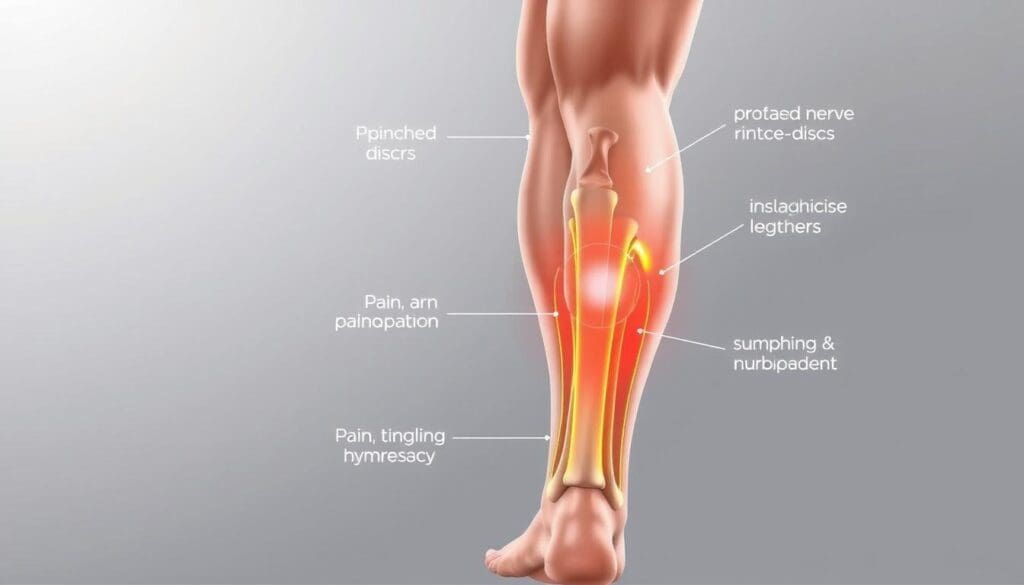
Sciatica is not a condition but a symptom of a problem with the sciatic nerve. This nerve runs from the lower back to the legs. When it gets irritated or compressed, it can cause many symptoms that affect daily life.
What Causes Sciatica?
Sciatica is a sign of a deeper medical issue. Several things can lead to sciatica, including:
- Herniated Discs: When the soft inner gel of the disc leaks out, it can irritate the sciatic nerve.
- Spinal Stenosis: Narrowing of the spinal canal can put pressure on the nerves, leading to sciatica.
- Piriformis Syndrome: The piriformis muscle in the buttocks can compress or irritate the sciatic nerve, causing sciatica.
- Spondylolisthesis: When a vertebra slips forward over the bone below it, it can compress the sciatic nerve.
Common Symptoms of Sciatica
The symptoms of sciatica vary from person to person. Common symptoms include:
- Sharp, Shooting Pain: Pain that goes from the lower back down through the buttocks and into the leg.
- Numbness or Weakness: Some people may feel numbness or muscle weakness in the affected leg.
- Tingling Sensations: A pins-and-needles feeling in the leg or foot.
- Pain Exacerbated by Movement: Activities like coughing, sneezing, or sitting for a long time can make the pain worse.
Impact on Daily Life
Sciatica can make everyday activities hard. Simple tasks like bending, lifting, or sitting for a long time can hurt. In some cases, people may need to change their lifestyle to manage the pain.
Knowing what causes sciatica and its symptoms is key to finding the right treatment. By understanding the underlying issues, people can find better ways to manage their symptoms.
What Are Cortisone Shots?

Understanding cortisone shots is key for those with sciatica. Cortisone shots, or steroid injections, aim to lessen inflammation and ease pain from sciatica.
Composition of Cortisone Injections
Corticosteroid injections have a synthetic version of cortisol, a hormone our bodies make. They send a strong anti-inflammatory medicine to the area around the irritated nerve. This helps calm inflammation and ease pressure.
How Cortisone Works to Reduce Inflammation
Cortisone suppresses the immune system’s reaction to inflammation. This reduces swelling and pain in the affected area. By targeting the inflammation source, cortisone injections can offer significant relief for sciatica sufferers.
Types of Steroid Injections Used for Sciatica
Several steroid injections are used to treat sciatica, including:
- Triamcinolone
- Methylprednisolone
- Betamethasone
Each corticosteroid has its own strength and how long it lasts. This lets healthcare providers choose the best treatment for each person.
Can Cortisone Shots Help Sciatica?
Recent studies have shown that cortisone shots can help with sciatica symptoms. These injections are used to treat inflammation, including sciatica. But how well do they work?
Clinical Evidence on Effectiveness
Many studies have looked into cortisone shots for sciatica pain. The results show they can greatly reduce pain and swelling. A study found that cortisone shots gave a lot of pain relief to those with severe sciatica.
We’ll look at some key findings to understand cortisone shots’ role in sciatica management.
- Cortisone injections can lessen inflammation around the sciatic nerve.
- People who get cortisone shots often feel less pain.
- The success of cortisone shots can vary based on the person and their sciatica severity.
Success Rates and Pain Reduction Percentages
Cortisone shots for sciatica pain relief have good success rates. Recent data shows that about 60 to 75 percent of patients see a big improvement in symptoms. This means many people with sciatica can find relief with cortisone shots.
Here are some success rate statistics:
| Study | Success Rate | Duration of Relief |
| Study A | 65% | Several weeks |
| Study B | 70% | Several months |
| Study C | 60% | A few weeks to months |
Duration of Relief from Cortisone Injections
The length of relief from cortisone shots is important. Relief can last from weeks to months. The length of relief is key to judging how well cortisone shots work.
The table above shows relief can last differently for everyone. The severity of the condition, how accurate the injection is, and how the person responds can affect how long relief lasts.
In conclusion, cortisone shots can be a good treatment for sciatica pain. They offer a lot of benefits for many patients. Understanding the evidence, success rates, and how long relief lasts helps both healthcare providers and patients make better choices about treatment.
The Procedure: Getting a Cortisone Shot for Sciatica Pain
Getting a cortisone shot for sciatica pain is a simple procedure that can help a lot. We know it can be scary to get any medical treatment. So, we’re here to explain what you can expect.
Preparation Before the Injection
Before we give you the shot, we make sure you’re ready. We clean the area where the shot will go to avoid infection. We might also numb the area to make it less painful.
Tell your doctor about any medicines you’re taking and any allergies you have. This helps us make the procedure safe and right for you.
What Happens During the Procedure
We use special X-rays to guide the needle to the right spot. This is important to make sure the shot goes where it needs to for the best results.
The shot itself is quick. It has a medicine to reduce swelling and another to numb the area. This helps you feel better right away.
Recovery and Aftercare
After the shot, we watch you for a bit to see if you have any bad reactions. You might need to rest for a little while before you can do your usual things. You might feel a bit sore where the shot was, but it usually goes away fast.
We might suggest doing some exercises or going to physical therapy. These can help you move better, get stronger, and prevent more pain in the future.
| Aspect of Care | Recommendation |
| Immediate Post-Procedure | Rest and monitor for reactions |
| Short-Term Recovery | Gradually resume normal activities |
| Long-Term Benefit | Engage in physical therapy or exercises |
Knowing what to expect can make you feel more ready for a cortisone shot. Our team is here to help you every step of the way. We want to make sure you get the care and support you need.
Cortisone Shot in Buttocks for Sciatica: Targeting the Right Area
Getting a cortisone shot in the buttocks is key to easing sciatica pain. Sciatica causes pain that spreads along the sciatic nerve. To get relief, treatment must be aimed at the right spot.
Anatomical Considerations for Sciatic Nerve Injections
The sciatic nerve is the biggest nerve in our body. It runs from the lower back to the legs. When giving cortisone shots for sciatica, knowing the nerve’s path is essential. The injection site must be chosen carefully to get the cortisone close to the pain area.
Key anatomical considerations include:
- The path of the sciatic nerve through the buttocks and down the leg.
- Any anatomical variations that could change the nerve’s location.
- The nerve’s closeness to other structures that could be hit by the injection.
Precision and Imaging Guidance Techniques
When injecting cortisone for sciatica, precision is key. Doctors use imaging like fluoroscopy or ultrasound to guide the needle. These tools let them see in real-time where the needle is, ensuring the cortisone goes to the right spot near the sciatic nerve.
The benefits of imaging guidance include:
- It helps target the sciatic nerve more accurately.
- It lowers the risk of hitting other areas by mistake.
- It makes the cortisone injection more effective by placing it precisely.
Why Location Matters for Effectiveness
Where the cortisone shot is given affects how well it works for sciatica. A shot near the sciatic nerve in the buttocks can cut down inflammation and pain. Being close to the nerve means the cortisone works better.
Factors influencing the effectiveness of cortisone shots include:
| Factor | Impact on Effectiveness |
| Precision of Injection | Directly affects the delivery of cortisone to the target area. |
| Use of Imaging Guidance | Enhances accuracy and reduces risk of complications. |
| Anatomical Knowledge | Critical for understanding the sciatic nerve’s path and variations. |
Who Gives Cortisone Shots for Sciatica?
It’s important to know who can give cortisone shots for sciatica. These shots help reduce inflammation and ease pain. They are given by healthcare professionals with the right skills.
Pain Management Specialists
Pain management specialists have extra training in treating pain. They know how to use cortisone shots for sciatica. They can find and treat the pain source well.
Orthopedic Doctors
Orthopedic doctors focus on musculoskeletal issues. They know how to give cortisone shots for sciatica. Their knowledge helps make the shots more effective.
Neurologists and Other Qualified Physicians
Neurologists, who study the nervous system, can also give these shots. Other doctors, like PM&R doctors, might too. They understand pain and the nervous system well.
Finding the Right Provider
To find the right doctor for cortisone shots, consider these tips:
- Look at their experience with sciatica.
- Make sure they are qualified.
- Check patient reviews and ask for recommendations.
Here’s a comparison of providers for cortisone shots:
| Provider Type | Specialization | Experience with Sciatica |
| Pain Management Specialists | Pain management | High |
| Orthopedic Doctors | Musculoskeletal disorders | High |
| Neurologists | Nervous system disorders | Moderate to High |
Potential Side Effects and Risks of Cortisone Injections for Sciatica
It’s important to know the side effects of cortisone shots for sciatica. These injections can help a lot, but they come with risks.
Common Side Effects
Most people do okay with cortisone shots. But, some might feel:
- Mild headaches
- Temporary numbness or tingling
- Increased pain at the injection site
- Flushing or redness of the face
These effects are usually mild and go away in a few days. It’s key to tell your doctor if you have any lasting or bad symptoms.
Rare but Serious Complications
Even though rare, serious problems can happen. These include:
- Infection at the injection site
- Nerve damage
- Allergic reactions to the cortisone or other parts of the shot
A study in the Journal of Pain Research found these serious issues are rare. But, it’s good to know about them.
“Corticosteroid injections are generally safe, but as with any invasive procedure, there are possible risks and complications.”
Limitations on Frequency of Injections
To avoid side effects, there are rules on how often you can get shots. Shots are usually given every 3-4 months. And you can only get 3-4 shots a year. Getting too many shots can weaken tendons and tissues.
| Injection Frequency | Maximum Number of Injections | Risks Associated with Frequent Injections |
| Every 3-4 months | 3-4 per year | Tendon weakening, tissue damage |
When Cortisone Shots Are Not Working for Sciatica
When cortisone shots don’t help with sciatica, other treatments need to be tried. Sciatica is a complex issue, and what works for one person might not work for another. It’s important to know why cortisone shots didn’t work to find the next step in treatment.
Reasons for Treatment Failure
There are several reasons why cortisone shots might not help with sciatica pain. These include:
- Inaccurate Diagnosis: If the cause of sciatica is not correctly found, the shot might not hit the right spot.
- Incorrect Injection Site: The exact spot where the shot is given is key. If it’s not in the right place, it won’t work.
- Severity of the Condition: If sciatica is caused by a serious problem like a herniated disk, shots might not be enough.
- Individual Response: People react differently to cortisone. Some might not feel much relief because of their body’s response or other health issues.
Signs That Alternative Treatments Should Be Considered
If cortisone shots don’t help, it’s time to look at other treatments. Signs you might need to try something else include:
- Continued Pain: If the pain keeps going without getting better.
- Impact on Daily Activities: When sciatica makes it hard to do everyday things.
- Side Effects: If you’re having bad side effects from the shots, like weight gain or mood changes.
Other treatments could be physical therapy, changing your lifestyle, or even surgery. A doctor can help figure out the best option for you.
Follow-up Care After Unsuccessful Injections
After cortisone shots don’t work, you need to follow up. This means:
- Reevaluation: A detailed check to find out why the shots didn’t work.
- Discussion of Alternatives: Talking with a doctor about other treatment options and their pros and cons.
- Personalized Treatment Plan: Creating a plan that fits your needs, which might include different therapies.
A leading pain specialist says, “A team effort is often the best way to tackle sciatica. When one treatment doesn’t work, it’s about finding the right mix that does.”
“The goal is to find a treatment plan that not only alleviates pain but also improves the patient’s quality of life.”
— Dr. John Smith, Pain Management Specialist
By understanding why treatments fail and looking at other options, patients and doctors can find a way to manage sciatica together.
Patient Selection: Who Benefits Most from Sciatica Cortisone Injections
The success of cortisone shots for sciatica depends a lot on who gets them. These shots work best for certain people, not everyone.
Ideal Candidates for Cortisone Treatment
People with moderate to severe sciatica pain who haven’t found relief elsewhere are good candidates. Those with inflammation around the sciatic nerve often see the most benefits. We focus on those whose pain is mainly due to inflammation.
When to Consider Other Options First
For those with mild pain or who haven’t tried other treatments, we suggest other options first. Conservative treatments like physical therapy, medication, and lifestyle changes are often recommended before shots.
Predictors of Successful Outcomes
Several things can predict how well cortisone shots will work. These include inflammation, symptom severity, and overall health. Those with sciatica caused by inflammation tend to do better.
Patient Experiences and Case Studies
Real-life stories show how cortisone shots can help with sciatica. For example, a patient with severe pain found relief and better mobility after shots. These stories help us see what cortisone treatment can do.
By choosing the right patients and knowing what makes treatment successful, we can make cortisone shots more effective for sciatica.
Conclusion: Making an Informed Decision About Cortisone Shots for Sciatica
Cortisone shots can help many people with sciatica feel better by reducing pain. It’s important to know how sciatica happens, what cortisone shots are, and their benefits and risks. This knowledge helps you decide if they’re right for you.
Thinking about getting cortisone shots for sciatica? You should consider how much pain relief they might offer and the possible side effects. Talk to a doctor about your situation. They can tell you if cortisone shots are good for you and explain how they work.
Looking at the research and talking to your doctor can help you decide if cortisone shots are for you. We suggest talking to a healthcare expert to find the best treatment for your sciatica. They can help you create a plan that fits your needs.
FAQ
Will cortisone shots help relieve my sciatica pain?
Yes, cortisone shots can help with sciatica pain, mainly if it’s due to inflammation. Many patients see a big drop in pain after getting these injections.
What are cortisone shots, and how do they work for sciatica?
Cortisone shots are steroid injections that fight inflammation. They reduce swelling around the sciatic nerve, easing pain and discomfort.
Are cortisone shots for sciatica painful?
Getting the shot might hurt a bit, but we use local anesthesia to lessen the pain. Most people find it tolerable and see relief from their sciatica pain.
How long does it take for cortisone shots to work for sciatica?
You might feel relief within a few days to a week after the shot. How long it lasts varies, but many see pain relief for weeks or months.
Can I get a cortisone shot in my buttocks for sciatica?
Yes, shots can be given in the buttocks to target the sciatic nerve. Our team uses imaging to make sure the shot is placed correctly.
Who can administer cortisone shots for sciatica?
Doctors like pain management specialists, orthopedic doctors, and neurologists can give cortisone shots. We can help you find a qualified doctor.
What are the possible side effects of cortisone injections for sciatica?
You might feel temporary pain or swelling at the shot site. But, there are rare but serious risks. We’ll talk about these before you decide.
How often can I receive cortisone shots for sciatica?
There’s a limit on how often you can get shots to avoid side effects. We’ll work with you to find the best schedule for your shots.
What if cortisone shots don’t work for my sciatica?
If shots don’t help, we’ll look at other options with you. This could include other procedures, physical therapy, or other pain management plans.
Are cortisone shots a long-term solution for sciatica?
Shots can offer relief, but they’re not always a permanent fix. We’ll help you create a treatment plan that tackles the root of your sciatica.



 Departments
 Related Videos
 Our Doctors
 News
News