Recent studies have raised big concerns about CT scans and their possible link to cancer. Medical imaging technology keeps getting better. But, so does the amount of radiation we’re exposed to.
A new study found that CT scans in 2023 could lead to nearly 103,000 new cancer cases. While the risk for one person is small, the big picture is scary. LivHospital looks at the latest research and advice to help you grasp the risks and benefits of CT imaging. Can a CT scan lead to cancer? This ultimate guide gives you the shocking answer and powerful facts about the risks and safety you need to know now. Can ct scan lead to cancer?
Key Takeaways
- The use of CT scans has been linked to an increased risk of cancer in recent studies.
- An estimated 103,000 future cancer cases could be attributed to CT scans in 2023.
- The absolute risk for individuals is small, but the overall impact is significant.
- LivHospital follows international standards for safe CT imaging practices.
- Understanding the risks and benefits is key for patient safety.
Understanding CT Scans and Their Medical Applications

Computed Tomography (CT) scans are key in healthcare today. They give detailed images for accurate diagnosis. These scans have changed medical imaging, letting doctors see inside the body clearly.
What Is a CT Scan and How Does It Work?
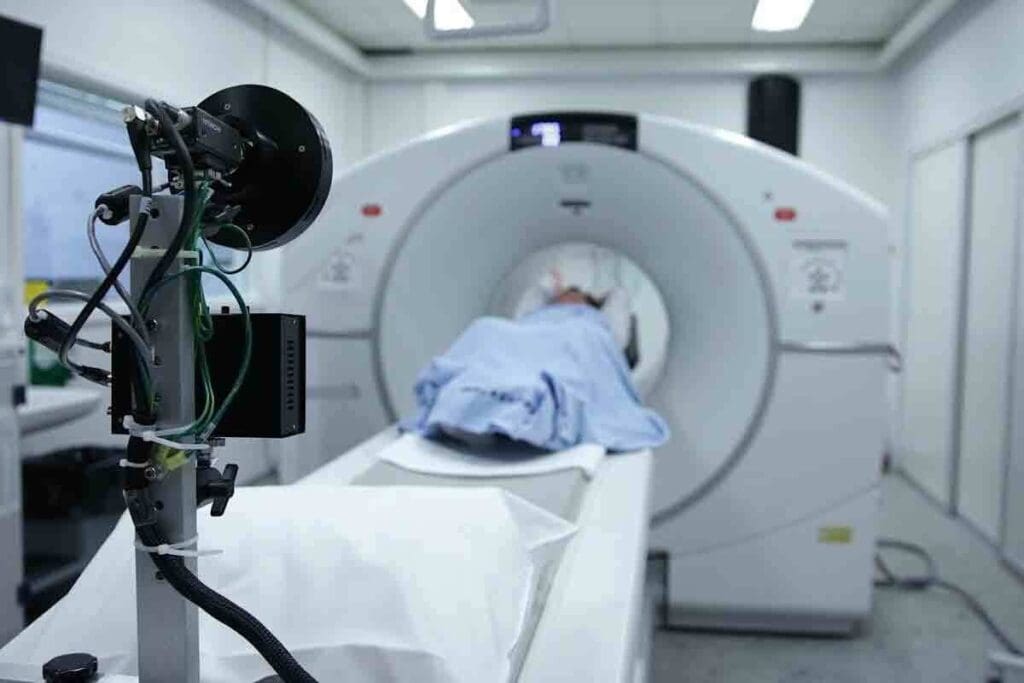
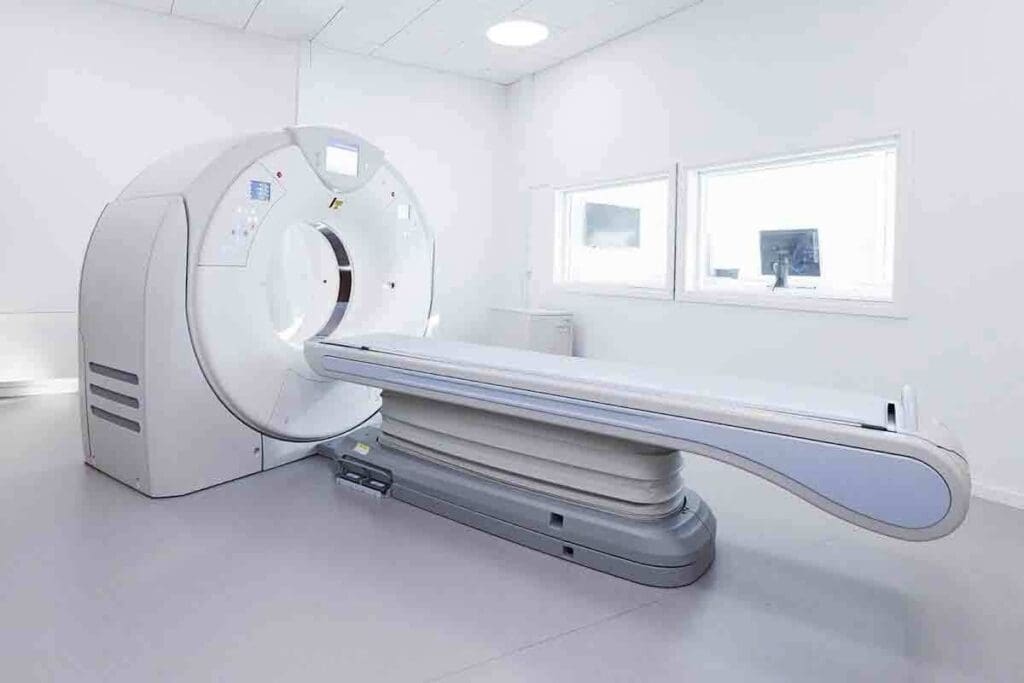
A CT scan uses X-rays from different angles to create detailed images. It shows bones, soft tissue, and blood vessels clearly. The scan is done in a large, doughnut-shaped machine that moves around the patient.
Common Medical Conditions Requiring CT Imaging
CT scans help diagnose many health issues. These include injuries, cancers, heart diseases, and infections. They’re vital in emergencies for quick, accurate diagnosis. Here are some reasons for getting a CT scan:
- Diagnosing and monitoring cancer
- Detecting internal injuries and bleeding
- Guiding biopsies and other procedures
- Diagnosing vascular diseases
Growth in CT Scan Usage in the United States
CT scans are more common in the U.S. than ever before. In 2023, about 93 million scans were done. This rise is due to better technology and their use in diagnosing many conditions.
| Year | Number of CT Scans (in millions) |
| 2018 | 80 |
| 2020 | 88 |
| 2023 | 93 |
The table shows a steady rise in CT scans in the U.S. It shows how much we rely on them for diagnosis.
The Science of Radiation Exposure in CT Imaging
It’s important to know how CT scans work to understand their safety. CT scans use ionizing radiation, which can cause cancer. This has made people worry about the risks.
Types of Radiation Used in CT Scans
CT scans use ionizing radiation. This type of radiation can remove electrons from atoms. X-rays, used in CT scans, help create detailed images inside the body.
There are two types of ionizing radiation in CT scans: primary radiation and scattered radiation. Primary radiation is the direct X-ray beam. Scattered radiation happens when X-rays hit the body’s tissues.
How Radiation Doses Are Measured
Radiation doses from CT scans are measured in millisieverts (mSv) or milligrays (mGy). The effective dose, in mSv, considers how different parts of the body react to radiation.
| Radiation Dose Measurement | Unit | Description |
| Effective Dose | mSv | Measures the overall risk of radiation exposure |
| Absorbed Dose | mGy | Measures the amount of radiation energy absorbed by the body |
Comparing CT Radiation to Natural Background Exposure
Comparing CT scan radiation to natural background radiation helps understand the doses. The average person in the U.S. gets about 3 mSv of background radiation each year.
A CT scan can give a dose similar to several years of background radiation. For example, an abdominal CT scan might give a dose of around 10 mSv. This is like 3-4 years of natural background radiation.
Knowing these comparisons helps patients and healthcare providers make better choices about CT scans.
Can CT Scans Lead to Cancer? Examining the Evidence
CT scans are becoming more common, and it’s important to know their risks. The medical world is studying if CT scans can cause cancer. They’ve found some big insights from large studies.
Recent Large-Scale Studies on CT Scan Risks
Recent studies have helped us understand CT scans and cancer better. For example, a study in the Journal of the National Cancer Institute looked at over 300,000 patients. It found a small link between CT scans and cancer risk.
Statistical Correlation Between CT Exposure and Cancer Development
Studies have found a link between CT scans and some cancers. The risk is low, but it’s good to know about it. This helps us understand the dangers of CT scans.
The link between CT scans and cancer is complex. It depends on the radiation dose, how many scans you have, and how you react to radiation.
The 5% Projection: Understanding the Population-Level Impact
Some studies say up to 5% of all new cancer cases might be from CT scans. This shows how big the issue is for everyone. It’s important to think about the good and bad of CT scans.
This means tens of thousands of new cancer cases each year might be from CT scans. It shows we need to make CT scans safer and only use them when needed.
Quantifying the Cancer Risk: Latest Research Findings
New research has found out how many cancers could be caused by CT scans. It shows that about 93 million CT scans each year might lead to around 103,000 new cancer cases.
Projected 103,000 Cancer Cases from 93 Million Annual Scans
Experts say 93 million CT scans yearly could cause about 103,000 cancers. This is based on how much radiation people get and how common cancer is. It shows the big risk of using CT scans a lot.
The study used complex models to figure out the cancer risk from CT scans. It looked at things like how much radiation is used, the patient’s age, and how often they get scanned. This shows why we need to think carefully about when to use CT scans.
| Category | Estimated Number | Percentage |
| Total CT Scans | 93 Million | 100% |
| Projected Cancer Cases | 103,000 | 0.11% |
How Current Estimates Compare to Previous Risk Assessments
Looking at old and new studies shows how our understanding of CT scan risks has changed. Earlier studies thought the risk was higher. But newer studies, with better data and methods, have made the estimates more accurate.
“The current study provides a more precise understanding of the cancer risks associated with CT scans, helping to inform both clinical practice and patient decision-making.”
Individual Risk vs. Population-Level Concerns
Even though one CT scan is unlikely to cause cancer, the big number of scans is a worry. This shows we need to think about each person’s risk and decide carefully when to use CT scans.
Key considerations include:
- Patient age and sensitivity to radiation
- Scan frequency and cumulative dose
- Alternative imaging options
Healthcare providers can make better choices by knowing these things. They can make sure patients get the right info without too much radiation.
Most Vulnerable Populations: Age and Risk Factors
It’s important to know the risks of CT scans, mainly for kids and babies. CT scans are useful for diagnosing, but we must think about the risks, too. This is because some groups are more likely to get harmed by radiation.
Children and Infants: Heightened Sensitivity to Radiation
Children and babies are more at risk from CT scan radiation. Their smaller size and fast cell growth make them more sensitive to radiation. This could increase their chance of getting cancer later on.
Risk Variations Across Different Age Groups
The risks of CT scans change with age. As we get older, we’re less sensitive to radiation. But, our health and any existing conditions matter more. It’s key to look at these factors when deciding if a CT scan is right for someone.
| Age Group | Relative Risk | Key Factors |
| Children and Infants | High | Developing bodies, high cell division rates |
| Young Adults | Moderate | Active lifestyle, fewer pre-existing conditions |
| Older Adults | Lower | Decreased sensitivity to radiation, more health issues |
Pre-existing Conditions That May Increase Cancer Susceptibility
People with certain health issues might be more at risk for cancer from CT scans. Conditions that weaken the immune system or involve genetic changes can increase this risk. Healthcare providers need to look at a patient’s full medical history before using CT scans.
Knowing the risks helps doctors decide when to use CT scans and how to reduce exposure. This approach ensures the benefits of CT scans are weighed against the risks, protecting the most vulnerable groups.
Cancer Types Most Commonly Associated with CT Radiation
CT scans are vital for diagnosing diseases, but they also emit radiation. This radiation has been linked to an increased risk of various cancers. Knowing which cancers are most linked to CT radiation helps us understand the risks and benefits.
Lung, Colon, and Leukemia Risks
Lung, colon, and leukemia cancers are often linked to CT scan radiation. Lung cancer is a big concern because lung tissue is very sensitive to radiation. The colon is also at risk, mainly from abdominal CT scans. Leukemia, a blood cancer, is another risk, with CT scans playing a part.
Gender-Specific Concerns: Breast Cancer in Women
Women face a higher risk of breast cancer from CT scan radiation, mainly chest scans. Breast tissue is very sensitive to radiation. Exposure at a young age can increase breast cancer risk later in life. This highlights the need for careful thought and alternative tests when possible.
Bladder Cancer and Other Less Common Associations
Bladder cancer is also linked to CT scan radiation. Other cancers, like stomach and thyroid, are less common but also associated. While the risk is low, knowing these links helps patients and doctors make better choices about CT scans.
| Cancer Type | Radiation Sensitivity | Relative Risk |
| Lung Cancer | High | Moderate to High |
| Colon Cancer | Moderate | Moderate |
| Leukemia | High | High |
| Breast Cancer (Women) | High | Moderate to High |
| Bladder Cancer | Moderate | Low to Moderate |
Understanding the cancers linked to CT radiation helps patients and doctors make informed choices. This knowledge is key for balancing the benefits and risks of CT scans. It’s important for finding ways to reduce radiation while keeping the benefits of CT imaging.
High-Risk Scan Types: Abdominal and Pelvic Imaging
Abdominal and pelvic CT scans are important for diagnosing many health issues. They help find cancers, infections, and injuries in these areas. But, they also involve higher risks because of the radiation they use.
Why These Scans Pose Greater Risks
The organs in the abdominal and pelvic areas are very sensitive. These include the liver, kidneys, colon, and reproductive organs. “The risk of radiation-induced cancer is higher when sensitive organs are exposed,” experts say.
Radiation Dose Comparison Across Scan Types
CT scans vary in the amount of radiation they use. For example, scans of the abdomen and pelvis use more radiation than scans of the extremities. A study showed:
- Abdominal CT scans: 10-20 mSv
- Pelvic CT scans: 10-15 mSv
- Head CT scans: 1-2 mSv
- Chest CT scans: 5-7 mSv
This shows that scans of the abdomen and pelvis expose patients to more radiation.
Frequency Considerations: Multiple Scans and Cumulative Exposure
The risks of CT scans add up over time. Patients who have many scans face higher risks because of cumulative radiation exposure. Doctors must weigh the need for scans against the risks, mainly for young patients or those needing ongoing checks.
“The cumulative effect of radiation from multiple CT scans can significantly increase the risk of cancer, particular in children and young adults.”
Knowing these risks helps make better choices about using CT scans for diagnosis.
Balancing Benefits and Risks: When CT Scans Are Necessary
CT scans have changed how we diagnose diseases. It’s important to know when they are needed to balance their good and bad sides. Doctors always check if CT scans are safe and work well, comparing their benefits to the risks of radiation.
Life-Saving Diagnostic Benefits
CT scans are vital in emergencies. They quickly tell doctors about internal injuries, bleeding, and cancers. This fast info is key in saving lives.
Key benefits of CT scans include:
- Rapid diagnosis in emergency situations
- High accuracy in detecting a wide range of medical conditions
- Guiding minimally invasive procedures
Risk-Benefit Analysis in Emergency Situations
In emergencies, CT scans are often a good choice. For example, they can spot serious injuries fast in trauma cases. This quick info helps doctors save lives.
“The use of CT scans in emergency medicine has transformed the way we diagnose and treat acute conditions, providing a critical edge in saving lives.” – Emergency Medicine Specialist
Conditions Where Benefits Clearly Outweigh Radiation Concerns
For some health issues, CT scans are a better choice than the risk of radiation. These include:
| Condition | Benefit of CT Scan |
| Cancer Diagnosis | Accurate staging and monitoring of cancer progression |
| Severe Trauma | Rapid assessment of internal injuries |
| Acute Stroke | Quick identification of stroke type and location |
It’s vital for doctors and patients to understand the good and bad of CT scans. Knowing when to use them helps us get the most benefits while keeping radiation risks low.
Radiation Safety Protocols in Modern Radiology
Modern radiology has made big steps in making CT scans safer. As CT imaging grows, so does the need to lower radiation for patients. This section looks at the latest in radiation safety in radiology.
Dose Reduction Technologies and Techniques
New technologies have been key in making CT scans safer. Tools like automatic exposure control and iterative reconstruction help lower radiation doses. A study showed these tools can greatly reduce patient exposure.
Also, new scanner tech, like multi-detector CT scanners, makes imaging safer and more efficient. These scanners can scan bigger areas in one go, cutting down on the need for multiple scans and radiation.
Industry Standards and Guidelines
Standards and guidelines are vital for keeping radiation safety consistent in radiology. Groups like the American College of Radiology (ACR) and theFDA set rules for CT imaging. This includes managing doses and checking image quality.
These rules help make sure patients get the least amount of radiation needed for diagnosis. Accreditation programs also push for following these standards, leading to better safety.
The Role of Radiologists in Minimizing Exposure
Radiologists lead in keeping CT scans safe, making sure they use the least radiation. They balance the need for clear images with keeping doses low.
By keeping up with new tech and rules, radiologists can decide when CT scans are really needed. They also choose safer imaging options when possible.
Patient Advocacy: Questions to Ask Before Your CT Scan
Patients have the right to know about their CT scan. This includes why it’s needed and any risks. Being informed means understanding your doctor’s reasons for the scan and what to talk about before it.
Discussing Necessity and Alternatives with Your Doctor
Talk to your doctor about the need for a CT scan. Ask if it’s the best choice for your condition. Knowing why you need a CT scan can make you feel more at ease with your treatment.
Key questions to ask your doctor include:
- What are the benefits of having a CT scan for my specific medical condition?
- Are there any alternative diagnostic tests that could provide the same information?
- How will the results of the CT scan impact my treatment plan?
Understanding Your Personal Risk Factors
Everyone’s risk from CT scans is different. Your age, health history, and other conditions can affect your risk. Talking to your doctor about these factors can help you understand how to stay safe.
Consider asking about your personal risk factors, such as:
- How does my age affect my risk from radiation exposure?
- Do I have any pre-existing conditions that could increase my susceptibility to radiation-induced harm?
- Have I had previous radiation exposure from other medical procedures that could cumulatively increase my risk?
Tracking Your Lifetime Radiation Exposure
Keeping track of your radiation exposure is important. This means keeping a record of all your radiologic procedures. This includes CT scans, X-rays, and other tests that use radiation.
To effectively track your radiation exposure:
- Maintain a personal medical record that includes all radiologic procedures.
- Ask your healthcare providers to document the dose of radiation used in each procedure.
- Discuss your cumulative radiation exposure with your doctors to understand its implications for your health.
Being proactive and informed helps patients get the most from CT scans while reducing risks. Talking well with healthcare providers is key to finding this balance.
Conclusion: Making Informed Decisions About CT Imaging
It’s important to know the risks and benefits of CT scans. They are a key tool for doctors, but there are worries about cancer risks. Studies show CT scans can be risky and might even cause cancer in some cases.
Patients should talk to their doctors about the need for CT scans. They should look at other options and think about their own risks. Knowing the risks helps people make better health choices. It’s also key to keep track of how much radiation you get to avoid harm.
As CT scans become more common, we need to weigh their good points against the risks. Patients and doctors should work together. This way, CT scans are used wisely, cutting down on radiation and cancer risks. This helps figure out if a CT scan is safe for you and how risky it might be.
FAQ
Are CT scans safe?
CT scans are mostly safe. But, they do expose you to radiation, which can slightly increase cancer risk. The benefits of a CT scan often outweigh the risks, like in emergencies or serious diagnoses.
How dangerous is a CT scan?
The main danger of a CT scan is the radiation. While the risk is low for one person, the many scans done each year add up. This affects the whole population.
Can CT scans cause cancer?
Studies show a link between CT scans and some cancers. But, the risk for any one person is very small.
What are the risks of a CT scan?
The biggest risk is radiation, which can lead to cancer. There’s also a chance of allergic reactions to contrast agents. And, there’s a risk of false positives or wrong diagnoses.
Are abdominal and pelvic CT scans more dangerous?
Yes, these scans are riskier. They expose sensitive organs to more radiation. The dose from these scans is often higher than others.
How can I minimize my risk when undergoing a CT scan?
Talk to your doctor about the need for the scan. Know your personal risks. Make sure the radiology team follows safety rules.
What are the benefits of CT scans?
CT scans are very helpful. They help doctors quickly find and diagnose many health issues. They’re very useful in emergencies.
How have radiation safety protocols improved?
New technology and following rules have made safety better. Now, there are ways to lower doses and use other imaging when needed.
What should I ask my doctor before having a CT scan?
Ask your doctor if the scan is really needed. Ask about other options. Talk about your risks and how your radiation exposure will be tracked.
Are children more susceptible to the risks of CT scans?
Yes, kids are more at risk. Their bodies are growing, and they have more years ahead. This means radiation effects could show up later.
What types of cancer are most commonly associated with CT radiation?
Leukemia and cancers of the lung, colon, and breast are linked to CT scan radiation. These are among the most common types.
Reference
- Smith-Bindman, R. et al. (2025). Radiation from CT scans and cancer risks. National Institutes of Health.
https://www.nih.gov/news-events/nih-research-matters/radiation-ct-scans-cancer-risks



 Departments
 Related Videos
 Our Doctors
 News
News