
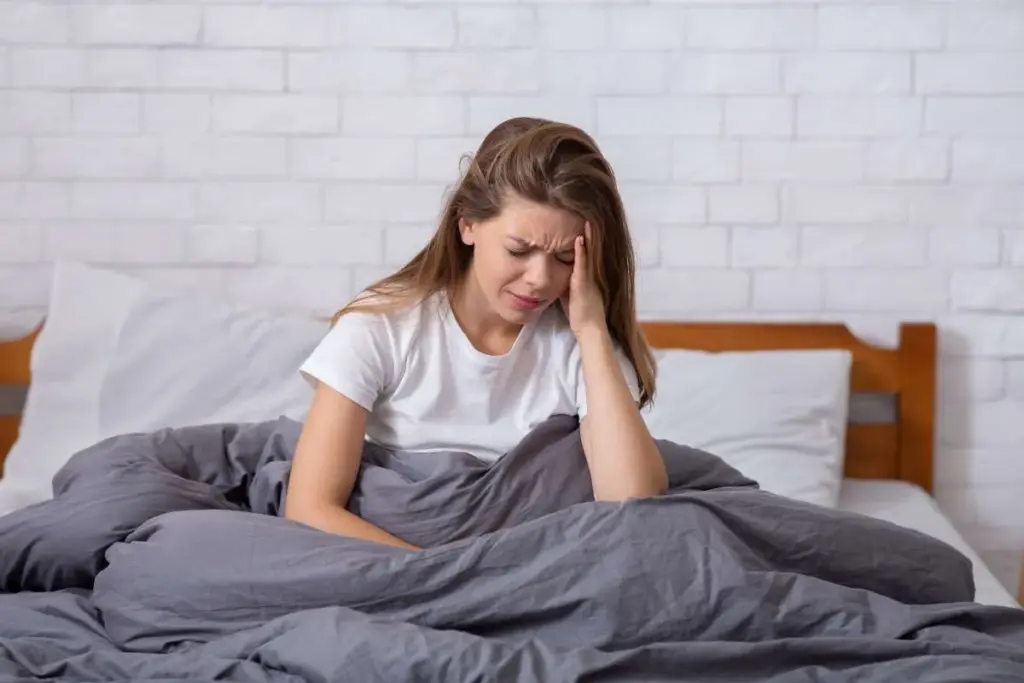
At Liv Hospital, we see how closely mental health and sleep are connected. Studies show that about 75% of people with depression have trouble sleeping.
Those with chronic insomnia are much more likely to get depressed. This shows how sleep and mood are linked, affecting our overall health.
We know treating sleep problems is key to helping people feel better. By looking into how depression and sleep are connected, we can improve mental health care.
Key Takeaways
- The relationship between depression and sleep disturbances is complex and bidirectional.
- Approximately 75% of individuals with depression experience sleep disturbances.
- People with insomnia are ten times more likely to develop depression.
- Addressing sleep disturbances is critical for effective treatment strategies.
- Understanding the sleep-mood connection is vital for overall wellbeing.
The Bidirectional Relationship Between Depression and Sleep
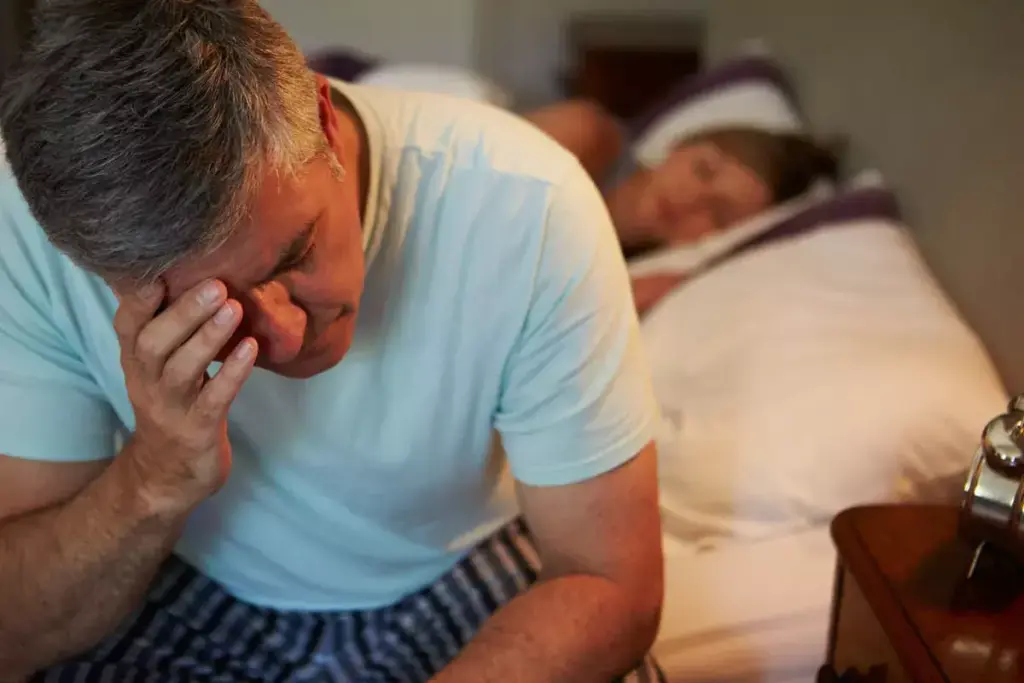
Depression and sleep issues are closely linked. People with depression often have trouble sleeping. At the same time, not getting enough sleep can make depression worse.
Statistical Evidence: 75% of Depressed Individuals Experience Sleep Issues
About 75% of people with depression face sleep problems. These can range from not being able to sleep to sleeping too much. This shows a clear link between depression and sleep issues.
It’s not just a coincidence. The connection between depression and sleep problems shows how deeply these two are intertwined. It’s a mix of psychological and physical factors.
How Depression Disrupts Normal Sleep Architecture
Depression can mess up how we sleep. It affects the quality of our rest. Here are some ways depression impacts sleep:
- Altered Sleep Stages: Depression can change how we go through sleep stages. We spend more time in light stages and less in deep, restful ones.
- Disrupted Circadian Rhythms: Depression’s hormonal imbalance can mess with our body’s natural sleep cycle. This makes sleep even harder.
- Increased Arousal: Depression can make us feel more awake. This makes it hard to fall asleep or stay asleep.
Knowing how depression affects sleep is key. It helps in finding better treatments for both depression and sleep problems.
How Sleep Deprivation Contributes to Depression
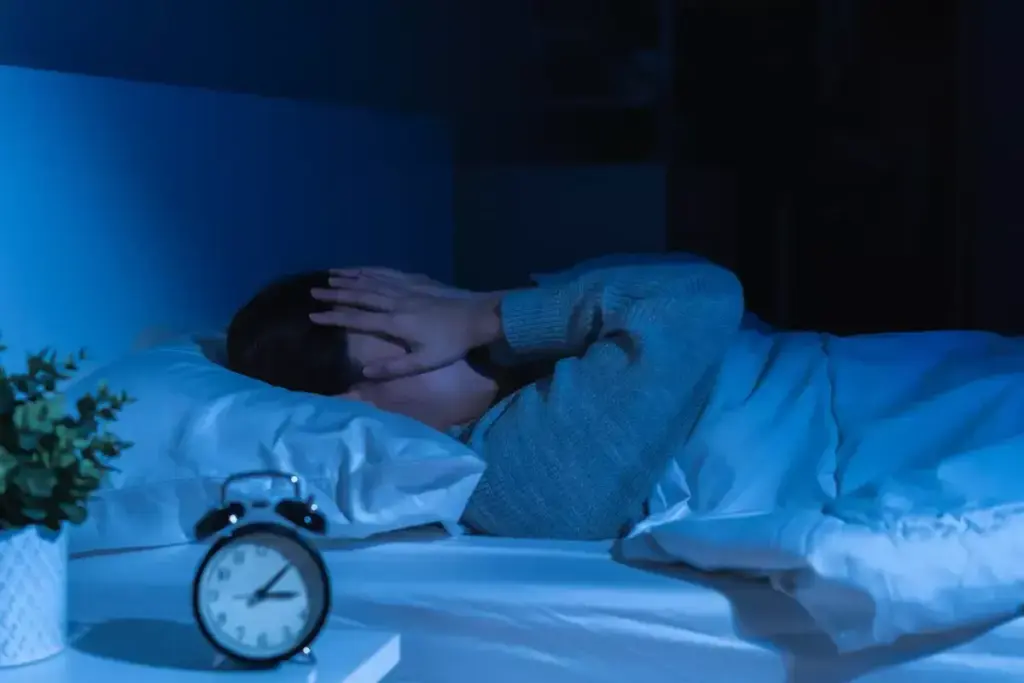
Sleep deprivation is a big risk for depression. It messes with how we feel and our mood. Without enough sleep, our brain can’t handle emotions well. This leads to more anger, worry, and stress.
This creates a cycle. Sleep problems make depression worse, and depression makes sleep problems worse.
Impact on Emotional Regulation and Mood
Sleep is key for emotional balance. It helps our brain deal with stress and bad feelings. Sleep deprivation messes with this, making us more sensitive to emotions.
People who don’t sleep well react more to bad things. They also can’t handle stress as well. This can lead to feeling down.
- Reduced positive mood states
- Increased negative emotional responses
- Impaired emotional regulation
Disruption of Restorative Slow-Wave Sleep
Slow-wave sleep is vital for our mind. It helps clean up the brain, fix tissues, and keep memories sharp. Problems with this sleep can really hurt our thinking, cause inflammation, and increase depression risk.
“Sleep disturbances are a common complaint among individuals with depression, and research suggests that addressing sleep issues may be a critical component of effective depression treatment.”
Understanding how sleep and depression are linked helps us see why we need to treat both. This way, we can help people feel better.
Breaking the Cycle: Treatment Approaches for Depression and Sleep Problems
Breaking the cycle of depression and sleep issues needs a mix of treatments. We know that treating one can help the other. So, a complete plan is key.
It’s important to see how depression and sleep issues affect each other. Good treatment combines therapies for both problems at the same time.
Addressing Depression to Improve Sleep
Fixing depression is a big step towards better sleep. Many therapies can help with depression, which can also help sleep.
- Cognitive Behavioral Therapy (CBT) is a proven way to fight depression and improve sleep.
- Antidepressants can help with depression, which might lead to better sleep.
- Regular exercise and a healthy diet can boost mental health and sleep.
Improving Sleep to Alleviate Depression Symptoms
Fixing sleep issues can also help with depression. Cognitive Behavioral Therapy for Insomnia (CBT-I) is a great method. It’s shown to work well for insomnia and depression.
| Therapy | Description | Benefits |
| CBT-I | Cognitive Behavioral Therapy for Insomnia | Improves sleep quality, reduces depressive symptoms |
| Sleep Hygiene Practices | Keeping a regular sleep schedule, avoiding caffeine at night | Boosts sleep quality, supports mental health |
| Relaxation Techniques | Like meditation and deep breathing | Less stress, better sleep |
By tackling depression and sleep issues together, people can see big improvements. This can lead to better mental health and a better life.
Conclusion
Our look into depression and sleep shows they are closely tied. Sadness and sleep issues can both be signs of depression. It’s also clear that not getting enough sleep can make depression worse.
Fixing both depression and sleep problems is key to feeling better. Better sleep can help reduce depression symptoms. Cognitive behavioral therapy for insomnia (CBT-I) is a good way to tackle sleep issues. For more on sleep and mental health, check out Columbia Psychiatry.
Knowing how sleep and mood are connected helps doctors treat both. This approach can lead to better health and happiness for patients.
FAQ
Can depression cause insomnia?
Yes, depression can lead to insomnia. It disrupts sleep patterns, causing problems like insomnia. Many people with depression struggle with sleep issues.
How does sleep deprivation contribute to depression?
Sleep deprivation can lead to depression. It affects how we manage our emotions and mood. Lack of deep sleep can also harm our mental health, causing depression.
Can improving sleep alleviate depressive symptoms?
Yes, better sleep can help with depression. Fixing sleep problems can improve mood. Treatments like CBT-I can manage both insomnia and depression.
What is the relationship between depression and sleep?
Depression and sleep issues are linked in a complex way. Each affects the other. Understanding this is key to finding good treatments.
Can a lack of sleep cause depression?
Yes, not enough sleep can lead to depression. Sleep problems can cause depression. Fixing sleep issues is vital for emotional and mental health.
How can depression and sleep problems be treated?
Depression and sleep issues have various treatments. Therapies like CBT-I can help. Treating depression can improve sleep, and better sleep can help with depression symptoms.
Does depression cause sleeplessness?
Yes, depression can cause sleeplessness. It disrupts sleep patterns, leading to insomnia and sleeplessness.
Can insomnia cause depression?
Yes, insomnia can lead to depression. Sleep problems, like insomnia, can cause depression symptoms. It’s important to address sleep issues for mental health.
References:
https://pmc.ncbi.nlm.nih.gov/articles/PMC3108260



 Departments
 Related Videos
 Our Doctors
 News
News