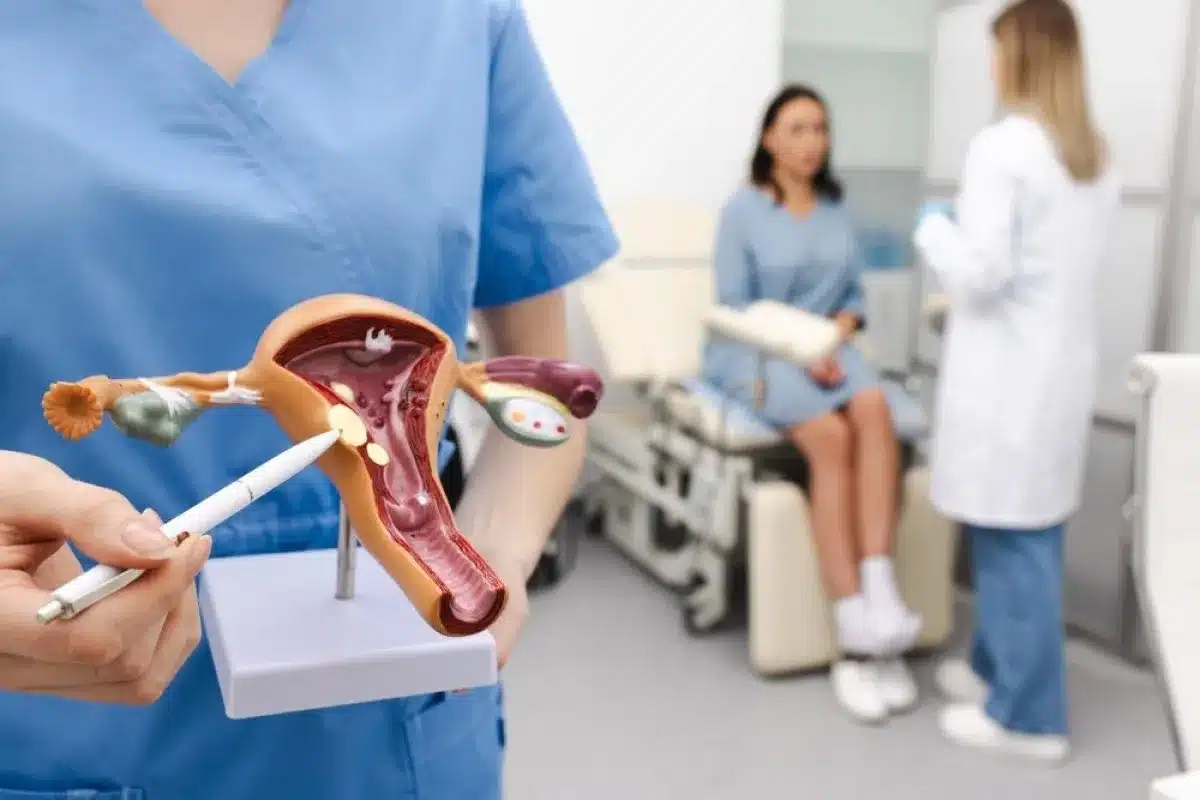
Anxiety can start in your hormones, not just your mind. Fluctuations in estrogen levels can greatly affect mood and anxiety in women.
Studies show estrogen is key in controlling anxiety. It works through brain structures and neurotransmitters. When estrogen levels change, women become more anxious during certain times.
Understanding how estrogen and anxiety are linked is vital for women. We dive into the latest research and expert views. This helps us grasp the importance of this topic.
Key Takeaways
- Hormone changes can raise anxiety risk in women.
- Estrogen impacts brain structures and neurotransmitters.
- Women are more anxious during specific life stages.
- Knowing estrogen’s role is key to tackling anxiety in women.
- Recent studies shed light on estrogen and anxiety’s complex bond.
The Relationship Between Hormones and Mental Health

It’s important to know how sex hormones and brain function are connected. Hormones help control mood and thinking. They also play a big role in mental health, like anxiety.
How Sex Hormones Affect Brain Function
Sex hormones like estrogen, progesterone, and testosterone affect the brain. Estrogen, in particular, impacts neurotransmitters like serotonin and dopamine. These are key for mood.
Estrogen receptors are found in brain areas that handle emotions and anxiety. This shows how estrogen can affect anxiety levels.
Research shows estrogen can help reduce anxiety by boosting neurotransmitters. For example, it can increase serotonin, which helps calm the mind. This means changes in estrogen can affect anxiety symptoms.
Why Women Experience Twice the Risk of Anxiety Disorders
Women are more likely to have anxiety disorders than men. Hormonal changes are a big reason for this. The menstrual cycle, pregnancy, postpartum, and menopause all change estrogen levels, affecting mental health.
Studies link anxiety in women to estrogen changes. For example, anxiety can rise before menstruation when estrogen drops. The postpartum period, with its sharp estrogen drop, also raises anxiety and depression risks.
Understanding estrogen and anxiety can help women’s mental health. This knowledge can lead to better prevention and treatment. It could lower anxiety disorder risks and impacts.
Understanding Estrogen’s Role in the Body

Estrogen is a key hormone that affects many parts of a woman’s health. It’s important for reproductive health but also impacts mental health, bone density, and heart health.
There are three main types of estrogen in women: estradiol (E2), estriol (E3), and estrone (E1). Each type has its own functions and levels change throughout a woman’s life.
Types of Estrogen and Their Functions
Estrogen comes in three forms, each with unique roles:
- Estradiol (E2): The most potent form of estrogen, estradiol is key for reproductive and sexual health. It helps regulate the menstrual cycle and keeps bones strong.
- Estriol (E3): Estriol levels rise during pregnancy. It prepares the uterus for the growing fetus and helps with childbirth.
- Estrone (E1): After menopause, estrone becomes the main estrogen. It’s made in fat tissue and helps keep some estrogenic activity after menopause.
Type of Estrogen | Primary Functions | Notable Life Stages |
Estradiol (E2) | Regulates menstrual cycle, supports reproductive health, maintains bone density | Reproductive years, pre-menopause |
Estriol (E3) | Prepares uterus for pregnancy, facilitates childbirth | Pregnancy |
Estrone (E1) | Maintains estrogenic activity post-menopause | Post-menopause |
Normal Estrogen Fluctuations Throughout Life
Estrogen levels change a lot throughout a woman’s life. They’re influenced by things like the menstrual cycle, pregnancy, and menopause. Knowing these changes helps us understand how estrogen affects anxiety and mental health.
During the menstrual cycle, estrogen levels go up and down in a pattern. Low estrogen levels, like in the premenstrual phase, can make women more anxious. The drop in estrogen during perimenopause and postmenopause can also lead to anxiety.
Understanding estrogen’s types and how they change helps us see how it affects anxiety and mental health. This knowledge is key for finding ways to manage anxiety caused by hormonal changes.
Can Estrogen Cause Anxiety? The Science Explained
Estrogen and anxiety have a complex relationship. Researchers have been studying this link closely. They found that estrogen affects anxiety in the brain through different ways.
Estrogen Receptors in the Brain’s Anxiety Centers
Estrogen receptors are in parts of the brain that handle emotions and anxiety. These receptors help us understand how estrogen affects anxiety. Studies show that estrogen receptors in the brain work with neurotransmitters, which can change anxiety behaviors.
How Estrogen Affects Neurotransmitters
Estrogen changes neurotransmitters like serotonin and dopamine. These are key for mood and anxiety control. Estrogen can make anxiety better or worse by changing how these neurotransmitters work.
- Estrogen boosts serotonin making and receptor numbers.
- It affects dopamine release and receptor activity.
- Changes in estrogen levels can change neurotransmitter activity, which might affect anxiety.
Research Findings on Estrogen and Anxiety
Many studies have looked into estrogen and anxiety. They found that over 50% of women with mood disorders feel their symptoms change with their menstrual cycle. Anxiety often gets worse when estrogen levels go down.
Study Findings | Implications |
Estrogen receptors modulate neurotransmitter activity. | Understanding this can lead to new treatments. |
Anxiety symptoms vary across the menstrual cycle. | This helps in creating treatments that match the cycle. |
Estrogen influences serotonin and dopamine levels. | Controlling estrogen might help with anxiety. |
By combining these findings, we understand how estrogen and anxiety are connected. This knowledge helps us see how to treat anxiety caused by hormonal changes.
The Menstrual Cycle and Anxiety Patterns
The menstrual cycle is closely linked to anxiety in many women. Changes in estrogen levels play a big role. Learning to track symptoms and spot patterns can help manage anxiety.
Tracking Anxiety Symptoms Throughout Your Cycle
Tracking anxiety symptoms with the menstrual cycle can reveal a lot. By keeping a journal, women can spot patterns. This helps them prepare for when anxiety might spike.
This approach helps manage anxiety better. It can make daily life less affected by anxiety.
Premenstrual Exacerbation of Anxiety
Many women see anxiety worsen before their period. This is due to estrogen levels dropping. Understanding this is key to managing anxiety.
Knowing this pattern helps develop better strategies for managing anxiety.
The 50% Statistic: Mood Disorders and Menstrual Fluctuations
About 50% of women link mood symptoms, like anxiety, to menstrual changes. This shows how hormonal shifts affect mental health.
Phase | Estrogen Level | Common Anxiety Symptoms |
Premenstrual | Low | Increased anxiety, mood swings |
Menstrual | Low | Anxiety, irritability |
Follicular | Rising | Variable, potentially reduced anxiety |
By recognizing these patterns and the role of estrogen, women can improve their mental health. This is throughout their menstrual cycle.
Low Estrogen and Anxiety: The Connection
Low estrogen levels can make women more anxious, often during big hormonal shifts. Estrogen helps control mood and anxiety by affecting brain chemicals. So, when estrogen levels change, it can really affect how we feel.
Common Periods of Low Estrogen
Estrogen levels change a lot in a woman’s life. There are times when estrogen is lower, which can make anxiety worse:
- Premenstrual phase: Right before your period, estrogen drops, causing PMS symptoms like anxiety.
- Postpartum period: After having a baby, estrogen levels crash, leading to postpartum anxiety or depression.
- Perimenopause and menopause: As women get closer to menopause, estrogen levels fall, causing more anxiety and mood swings.
Symptoms of Low Estrogen Anxiety
Anxiety from low estrogen can show up in many ways, like:
- Feeling more nervous and irritable
- Having panic attacks
- Feeling anxious all the time
- Experiencing mood swings
- Having trouble focusing
These symptoms can be tough, like during perimenopause. The drop in estrogen can make you feel more irritable, nervous, and anxious.
Can Low Estrogen Cause Anxiety Attacks?
Yes, low estrogen can lead to anxiety attacks. When estrogen levels go down, it can mess with brain chemicals like serotonin and GABA. These chemicals help control mood and anxiety. So, a drop in estrogen can cause an imbalance, leading to anxiety attacks.
It’s key to understand how hormonal changes and anxiety are linked. This knowledge helps doctors create better treatment plans. They can address both hormonal issues and anxiety symptoms.
High Estrogen and Its Effects on Mental Health
Estrogen and anxiety have a complex relationship. High levels can be both protective and harmful. Estrogen affects mental health in many ways, impacting anxiety symptoms.
When Estrogen Levels Peak
Estrogen levels change throughout a woman’s life, peaking at times. During the menstrual cycle, estrogen surges before ovulation. Pregnancy also sees higher estrogen levels. Knowing these changes helps understand how estrogen affects mental health.
Does High Estrogen Cause Anxiety or Protect Against It?
High estrogen can reduce or increase anxiety, depending on the situation and individual. It can boost serotonin, helping to lower anxiety. But, too much estrogen can overstimulate receptors, causing damage and disrupting neurotransmitters, leading to anxiety.
Some women feel anxious during high estrogen times, like premenstrual syndrome or pregnancy. Others might feel better during certain menstrual cycle phases.
Estrogen Dominance and Mood Disturbances
Estrogen dominance happens when estrogen is much higher than progesterone. This imbalance can cause mood swings and anxiety. It’s linked to PMS and PMDD, where anxiety is common.
To manage estrogen dominance, you need to balance hormones. This can be done through lifestyle changes, diet, or sometimes medical treatments.
Hormonal Transitions and Anxiety Risk
Women go through many life stages, and hormonal changes can affect their mental health. This includes anxiety. We will look at how changes in hormones during the premenstrual phase, perimenopause, and postmenopause can impact anxiety.
Premenstrual Phase and PMDD
The premenstrual phase brings big hormonal shifts, which can cause anxiety in some women. For those with Premenstrual Dysphoric Disorder (PMDD), these feelings can be very intense.
Symptoms of PMDD include:
- Marked anxiety or feelings of being “on edge”
- Significant irritability or anger
- Depressed mood or hopelessness
Knowing how hormonal changes and anxiety are linked in this phase can help manage symptoms.
Perimenopause: The Anxiety-Prone Years
Perimenopause is the time before menopause, filled with big hormonal shifts. These changes can make some women feel more anxious.
Common symptoms during perimenopause include:
Symptom | Description |
Anxiety | Feelings of worry or fear that are persistent |
Mood Swings | Rapid changes in emotional state |
Sleep Disturbances | Difficulty sleeping or insomnia |
Knowing these symptoms can help women find the right support and treatment.
Postmenopause and Long-Term Mental Health
After menopause, hormone levels drop and stay lower. But, anxiety risk doesn’t go away.
Factors influencing long-term mental health include:
- History of anxiety disorders
- Life events and stressors
- Overall physical health
Diagnosing and Treating Hormone-Related Anxiety
Diagnosing and treating hormone-related anxiety is a complex process. It looks at hormone levels and mental health. Healthcare providers use various tools and treatments to address anxiety caused by hormonal changes.
Medical Tests for Hormone Levels
First, doctors check hormone levels. They use blood or saliva tests to measure estrogen and other hormones. These tests help find out if hormonal imbalances are causing anxiety.
- Blood Tests: Check hormone levels in the blood, often for estrogen and progesterone.
- Saliva Tests: Show hormone levels throughout the day, helping understand changes.
Knowing hormone levels is key to finding the right treatment. For example, low or high estrogen can lead to anxiety.
Hormone Replacement Therapy Options
Hormone Replacement Therapy (HRT) is a treatment for hormone-related anxiety. It’s used when hormonal imbalances are found. Bioidentical Hormone Replacement Therapy (BHRT) uses hormones that match the body’s own.
BHRT can help balance hormones and reduce anxiety. It’s important to talk to a healthcare provider about BHRT’s benefits and risks.
Non-Hormonal Approaches and Lifestyle Changes
There are also non-hormonal ways and lifestyle changes to manage anxiety. These include:
- Dietary Changes: Eating a balanced diet with omega-3s, vitamins, and minerals supports mental health.
- Exercise: Regular exercise helps by releasing endorphins, which reduce anxiety.
- Stress Management: Practices like meditation, yoga, and deep breathing help manage stress and anxiety.
Combining these methods helps create a plan to manage anxiety. It’s about finding the right mix of medical treatment and lifestyle changes.
Does estrogen help with anxiety? It depends on the person. For some, balancing estrogen through HRT or lifestyle changes can help a lot. Always talk to a healthcare provider to find the best treatment.
Conclusion: Managing Anxiety Through Hormonal Changes
It’s key for women to understand how estrogen and anxiety are connected. This knowledge helps them handle their symptoms better during big hormonal shifts. We’ve looked at how estrogen affects anxiety, from the menstrual cycle to menopause.
Knowing estrogen can change anxiety levels, women can take steps to lessen their symptoms. They can track their anxiety and see how estrogen changes affect their mind. This way, they can get ready for tough times, like before their period or during perimenopause.
Handling anxiety during hormonal changes means making lifestyle changes, considering hormone therapy, and trying non-hormonal ways. Women can live better by focusing on their mental health. It’s vital to talk to doctors to find the right treatment for each person. This ensures estrogen and anxiety are both considered in the plan.
FAQ
Does high estrogen cause anxiety?
High estrogen levels can affect anxiety differently for everyone. Generally, estrogen helps reduce anxiety. But, very high levels might cause anxiety in some people. This is because of how estrogen works with other hormones and brain chemicals.
Can low estrogen cause anxiety?
Yes, low estrogen can make anxiety worse. This is common during big hormonal changes, like after having a baby or during menopause. The drop in estrogen can cause mood swings and anxiety.
How does estrogen affect neurotransmitters?
Estrogen helps control brain chemicals like serotonin and dopamine. These chemicals are key for feeling good. When estrogen is high, these chemicals work better, which can lower anxiety. But, when estrogen is low, these chemicals might not work as well, leading to more anxiety.
Can estrogen cause anxiety attacks?
Estrogen itself doesn’t directly cause anxiety attacks. But, big changes in estrogen levels, like a sudden drop, can make anxiety worse. This is more likely in people who are already prone to anxiety.
Does estrogen help with anxiety?
Estrogen can help with anxiety in some people, like during big hormonal changes. But, how estrogen affects anxiety is complex. It depends on the person and the situation with their hormones.
Can excess estrogen cause anxiety?
Too much estrogen, or estrogen dominance, can lead to anxiety and mood swings. It’s important to have the right balance between estrogen and progesterone. An imbalance can affect mood and anxiety.
How do hormone fluctuations during the menstrual cycle affect anxiety?
Hormone changes during the menstrual cycle can impact anxiety. Some women feel more anxious before their period, due to the drop in estrogen and progesterone.
What are the symptoms of low estrogen anxiety?
Low estrogen anxiety can cause anxiety or panic attacks, mood swings, and irritability. These symptoms often happen during big hormonal changes, like perimenopause or after having a baby.
Can hormonal changes during menopause cause anxiety?
Yes, hormonal shifts during menopause can lead to anxiety. The drop in estrogen can cause anxiety in different ways for different people.
What treatment options are available for hormone-related anxiety?
Treatments for hormone-related anxiety include hormone replacement therapy (HRT) and non-hormonal meds. Lifestyle changes like managing stress, eating right, and exercising are also helpful. The best treatment depends on the person’s situation and health.
References
National Center for Biotechnology Information. Estrogen Fluctuations: Impact on Anxiety and Mood in Women. Retrieved from https://www.ncbi.nlm.nih.gov/pmc/articles/PMC9715398/