
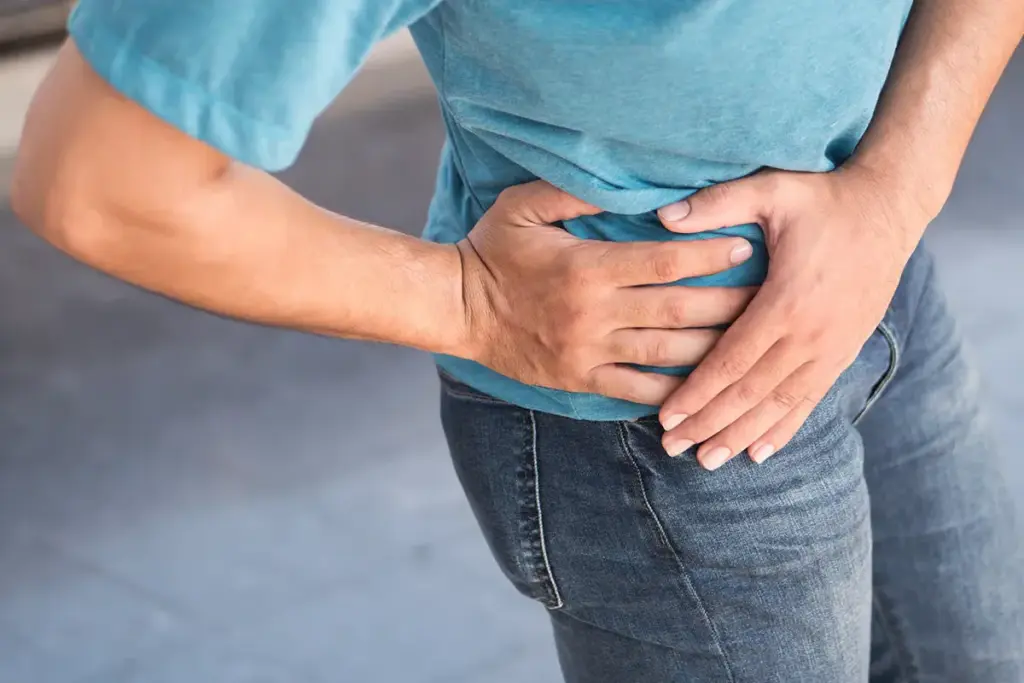
Many people feel sharp pressure in their lower belly. This feeling often comes from air moving through the intestines. We see many patients who worry about these symptoms every day.
Discover how can gas cause pelvic pain and learn effective relief methods. Our guide explores the link between trapped gas and pelvic discomfort.
It’s a common problem that can disrupt your routine. Finding out why it happens is essential for your comfort and peace of mind. Research shows a link between internal pressure and abdominal distress.
At Liv Hospital, we aim to find the source of your discomfort. Our medical experts use advanced tools to check if gas and pelvic pain are connected in your case. We work to offer relief that meets your unique needs.
Key Takeaways
- Internal air buildup often mimics more serious medical conditions.
- Specific dietary habits frequently trigger lower abdominal pressure.
- We provide advanced diagnostic testing to find the root issue.
- Effective treatment plans focus on reducing bloat and discomfort.
- Patient-centered care at Liv Hospital ensures personalized support.
- Understanding your symptoms is the first step toward lasting relief.
Can Gas Cause Pelvic Pain?
Many people don’t know that trapped gas can cause pelvic pain. This pain can be mild or very severe. It might feel like sharp pains, cramps, or dull aches.
Trapped gas in the pelvic area can also lead to bloating or feeling like your stomach is full.
The pelvic floor muscles are key in controlling gas. If these muscles don’t work right, gas can get trapped. This can cause discomfort. Conditions like irritable bowel syndrome (IBS) and food sensitivities can make gas worse.
To understand how gas causes pelvic pain, we need to look at the pelvic area’s anatomy and function. The pelvic floor muscles support the organs in the pelvis. They also help control gas and stool passage. When these muscles don’t work well, gas can get trapped.
Symptoms of Gas-Related Pelvic Pain
- Sharp pains or cramps in the pelvic area
- Dull aches that persist over time
- Bloating and abdominal distension
- Discomfort during physical activities or when changing positions
| Cause | Symptoms | Factors Contributing to the Condition |
| Trapped Gas | Sharp pains, cramps, dull aches, bloating | Pelvic floor muscle dysfunction, IBS, food sensitivities |
| Pelvic Floor Dysfunction | Discomfort during physical activities, difficulty passing gas | Muscle tension, poor diet, stress |
| Irritable Bowel Syndrome (IBS) | Abdominal pain, changes in bowel movements, bloating | Stress, certain foods, hormonal changes |
Common Causes of Gas-Related Pelvic Pain

It’s important to know why gas pain happens in the pelvic area. We’ll look at the main reasons for this pain. This will help you understand what’s causing your discomfort.
Trapped Gas and Pressure on Pelvic Organs
Trapped gas can cause a lot of pain in the pelvic area. When gas gets stuck in the digestive system, it presses on the pelvic organs. This can be very painful, making it hard for people with pelvic floor issues.
Trapped gas usually comes from swallowing air, eating foods that make gas, or having a digestive problem. The pain can be mild or very bad. It often comes with bloating and feeling uncomfortable.
Constipation and Gas Buildup
Constipation is a big reason for trapped gas. It slows down food movement and lets gas build up. When stool stays in the colon too long, it ferments. This makes more gas and makes the problem worse.
This can cause gas cramps in the pelvic area. To help, eat more fiber, drink plenty of water, and stay active. These steps can help with constipation and reduce gas.
Pelvic Floor Dysfunction
Pelvic floor dysfunction can make muscles too tight or too loose. This can block gas from moving properly. It can cause pelvic pain from gas and other issues like constipation or trouble passing gas.
Fixing pelvic floor dysfunction needs a detailed plan. This includes physical therapy and relaxation methods. These help manage muscle tension and improve pelvic health.
Digestive Conditions That Increase Gas Production
Some digestive problems, like irritable bowel syndrome (IBS), make a lot of gas. IBS changes bowel habits and gas production. This leads to trapped gas and pain.
Other issues, like small intestine bacterial overgrowth (SIBO), also make too much gas. To manage these, you might need to change your diet, take medicine, or try other treatments. These steps help reduce symptoms and improve life quality.
Relief Strategies and Treatment Options
Managing gas-related pelvic pain needs a mix of diet changes, physical methods, and relaxation. These steps can greatly reduce discomfort from trapped gas.
Dietary Changes to Reduce Gas
Changing what you eat is key to less gas. Drinking plenty of water and improving your bowel habits can help. Foods low in FODMAPs are also good choices.
Avoid foods like beans and cabbage that make gas. Eating smaller meals often can also help. Try to drink less carbonated drinks and avoid gum and eating fast.
Physical Techniques for Gas Release
Physical methods can quickly ease gas pain. Gentle stretches and yoga relax your belly muscles. Try lying on your back with knees to chest to help gas move.
Warm compresses on your belly can also help. Gentle massages can release trapped gas.
Pelvic Floor Relaxation and Exercises
Relaxing your pelvic floor is important for gas pain. Pelvic floor physical therapy can help. Deep breathing and muscle relaxation can also help manage tension.
Kegel exercises strengthen your pelvic floor. But do them right to avoid making things worse.
When to Seek Medical Attention
Some gas pain can be managed on your own. But, if you have severe pain, vomiting, or fever, see a doctor right away. If your symptoms don’t get better or get worse, you should also see a doctor.
If you have past gut problems or are unsure about your symptoms, see a doctor. They can figure out what’s wrong and suggest the right treatment.
Conclusion
Gas pain in the pelvic area can be very uncomfortable for many women. It can make daily life hard. Knowing that gas pain often comes from trapped gas and pressure is a good start.
We looked at why gas pain happens in the pelvis. It’s often due to constipation, pelvic floor issues, or digestive problems. Knowing the reasons helps find ways to feel better.
There are ways to ease gas pain in the pelvic area. Changing what you eat, using physical methods to release gas, and doing pelvic floor exercises can help. It’s also important to know when to see a doctor if the pain doesn’t go away.
At Liv Hospital, we offer full care for those with trapped gas and pelvic pain. By managing gas issues, people can reduce symptoms like ovary pain and pelvic pain. This improves their health and well-being.
FAQ
Can gas cause pelvic pain during my daily activities?
Yes, gas can cause pelvic pain. Trapped air in the lower digestive tract can lead to pressure on the pelvic area. This is often felt when sitting or bending.
How can trapped gas cause pelvic pain that feels so intense?
Pelvic pain from gas is usually due to the colon pressing on nerves and organs. The trapped gas causes significant pressure, making the pain sharp or stabbing.
Can gas pain cause pelvic pain that mimics other conditions?
Absolutely. Gas pain in the pelvic area can be mistaken for gynecological issues. Many wonder if gas can cause ovary or uterus pain. It’s often the close location of the sigmoid colon to these organs that causes confusion.
Why am I experiencing gas and pelvic pain at the same time?
Gas and pelvic pain together usually mean the intestines are struggling. This could be due to pelvic floor dysfunction or conditions like IBS, which increase gas and discomfort.
Is it normal to have gas cramps in the pelvic area?
While uncomfortable, gas cramps in the pelvic area are common. These spasms happen as the intestinal muscles try to push gas forward. Regular pelvic pain gas may indicate a need to look at your diet or digestive health.
Can gas cause pelvic cramps that feel like menstrual pain?
Yes, the sensation of gas cramps can be very similar to menstrual pain. The pressure from trapped gas can cause a radiating discomfort that feels like traditional cramping.
What is the best way to relieve as pain in the pelvis area?
To ease pelvic pain, try gentle movement, heat therapy, and dietary changes. Focusing on pelvic floor relaxation can also help release pain naturally.
Should I be worried about elvic discomfort and gas?
Most cases of elvic discomfort and gas are temporary and diet-related. But, if you have persistent elvic gas pain or severe pain, see a doctor at Liv Hospital to check for other issues.
References
National Center for Biotechnology Information. Evidence-Based Medical Insight. Retrieved from https://www.ncbi.nlm.nih.gov/books/NBK500020/



 Departments
 Related Videos
 Our Doctors
 News
News