

We often think of gout as just causing joint pain. But new studies show it might affect our kidneys too.
High levels of uric acid, a sign of gout, can form crystals in joints and kidneys. This could harm our kidneys over time.
Looking into how gout ckd (chronic kidney disease) and kidney damage are linked is key. It’s important for those with gout to understand this.
Key Takeaways
- Gout is linked to a higher risk of kidney damage and chronic kidney disease.
- High uric acid levels can lead to kidney crystals.
- It’s vital to grasp the connection between gout and kidney health for better care.
- Research shows a complex relationship between gout and kidney health.
- Acting early might reduce the risks of gout and kidney disease.
Understanding Gout and Its Causes
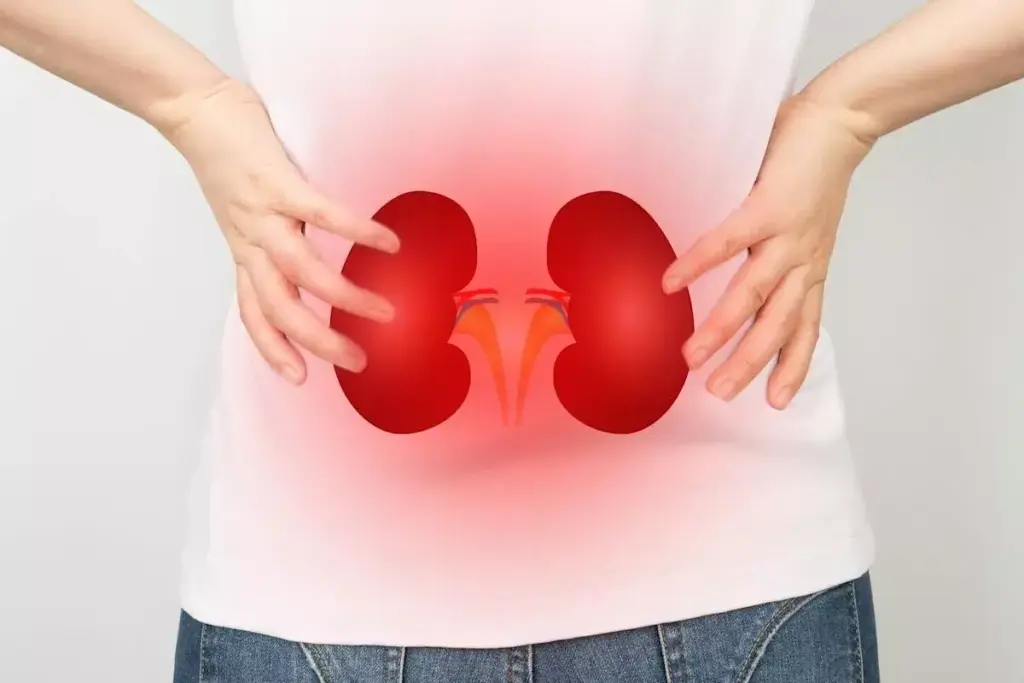
Gout is a complex form of arthritis caused by high levels of uric acid in the blood. It leads to sudden, severe pain, swelling, redness, and tenderness in one or more joints, often the big toe. Knowing about gout and its causes is key to managing it and keeping your kidneys healthy.
What Is Gout?
Gout is a type of inflammatory arthritis. It happens when uric acid builds up in the blood and forms sharp crystals in the joints. This buildup causes intense pain, inflammation, and swelling. It can affect anyone, but certain factors like genetics, diet, and kidney issues increase the risk.
The Role of Uric Acid in Gout Development
Uric acid is a waste product in the blood. It’s made during the breakdown of purines, substances found in your body and some foods. Normally, uric acid dissolves in the blood, passes through the kidneys, and is excreted in urine. But, if the body makes too much or the kidneys don’t filter it out well, it can build up and form sharp crystals.
Medical Expert, “You get gout because your kidneys can’t filter out urate efficiently. The only way to manage it long term is with effective drug treatment.” This shows how important kidney function is in managing uric acid levels and preventing gout.
Common Risk Factors for Gout
Several factors can increase the risk of getting gout. These include:
- Genetics: Family history plays a big role in gout development.
- Diet: Eating foods high in purines, like red meat and seafood, can raise uric acid levels.
- Kidney function: Poor kidney function makes it hard to remove uric acid.
- Obesity: Being overweight or obese can also increase the risk of gout.
| Risk Factor | Description | Impact on Gout |
| Genetics | Family history of gout | Increases susceptibility |
| Diet | High purine intake | Elevates uric acid levels |
| Kidney Function | Impaired kidney function | Reduces uric acid excretion |
Understanding these risk factors is key to managing gout effectively. By identifying and reducing these factors, people can lower their chance of gout attacks and protect their kidney health.
The Gout-Kidney Connection: Mechanisms of Damage

It’s important to know how gout harms kidney function. This knowledge helps us find better treatments. The link between gout and kidney disease is complex, with many ways it can cause kidney damage.
How Elevated Uric Acid Affects Renal Function
High uric acid levels, a sign of gout, can hurt kidney function. High uric acid can cause blood vessels in the kidneys to narrow, reducing blood flow and harming kidney function. This can lead to long-term kidney damage if not treated.
Studies show uric acid can also harm kidney cells. It causes inflammation and scarring in the kidneys. This makes kidneys work less well, making it harder to remove waste and keep electrolyte balance.
Urate Crystal Formation in Kidney Tissues
Gout can also damage kidneys by forming urate crystals in them. These crystals cause inflammation and harm to kidney tissues, leading to chronic kidney disease. They can also cause kidney stones, making things worse.
Urate crystals in kidneys start a strong inflammatory response. This can scar and damage kidney tissues. Over time, this can greatly reduce kidney function.
Inflammation and Oxidative Stress Pathways
Inflammation and oxidative stress are key ways gout harms kidneys. The presence of urate crystals in kidneys starts an inflammatory response, leading to oxidative stress and more damage to kidney tissues.
- Inflammation can cause fibrosis and scarring in kidneys.
- Oxidative stress can damage kidney cells, impairing function.
- Chronic inflammation and oxidative stress can reduce kidney function over time.
It’s vital to understand these mechanisms to protect kidney function in gout patients. By controlling uric acid levels and reducing inflammation, we can lower the risk of kidney damage.
Bidirectional Relationship Between Gout and Kidney Disease
Gout and kidney disease are linked in a two-way street. This means gout can make kidney disease worse, and kidney disease can also make gout symptoms worse.
Statistical Evidence: Prevalence and Correlation
Studies show a strong link between gout and chronic kidney disease (CKD). About one in 10 people with CKD have gout, and one in four people with gout have CKD. This shows how these two conditions are connected.
High uric acid levels, common in gout, can harm the kidneys. This happens through urate crystal formation in the kidneys and inflammation. On the other hand, kidney disease can lead to high uric acid levels, causing gout attacks.
Historical Findings in Untreated Gout Patients
Before treatments existed, autopsies showed almost all gout patients had kidney disease. Arteriolosclerosis and chronic tubulointerstitial disease were common findings, with urate crystals in about 90% of cases. These findings highlight the serious impact of untreated gout on the kidneys.
How Kidney Disease Can Contribute to Gout
Kidney disease can lead to gout by making it hard for the kidneys to remove uric acid. As kidney function drops, serum uric acid levels can rise, raising the risk of gout. Also, some kidney disease treatments can affect uric acid levels, making things more complicated.
It’s key for doctors to understand how gout and kidney disease affect each other. This knowledge helps in creating better treatment plans that tackle both conditions at once.
Conclusion: Managing Gout to Protect Kidney Health
We’ve looked into how gout and kidney disease are connected. Gout can harm kidneys if not treated. It’s key to manage gout well to keep kidneys healthy.
Changing your lifestyle and using medicine can help a lot. Urate-lowering therapy (ULT) slows down kidney disease. It’s a big part of treating gout.
Knowing what causes gout and how it affects kidneys is important. People can take steps to lower risks. Keeping kidneys healthy needs a plan that includes treating gout and preventing kidney disease.
It’s vital to tackle uric acid and kidney disease to avoid problems. This way, people can lower their chance of kidney disease. It helps keep their kidneys in good shape.
FAQ’s:
Can gout cause kidney damage?
Yes, chronic high uric acid in gout can lead to kidney stones and damage over time.
How does gout affect renal function?
Gout can impair kidney function by promoting urate crystal deposition and inflammation in the kidneys.
Is gout a sign of kidney problems?
Sometimes; persistent hyperuricemia or gout may indicate reduced kidney function.
Can kidney disease cause gout?
Yes, impaired kidneys can reduce uric acid excretion, increasing the risk of gout.
How are gout and kidney disease related?
They share a bidirectional relationship: high uric acid can damage kidneys, and kidney disease can trigger gout.
What is the impact of uric acid on kidney health?
Excess uric acid can form crystals, cause inflammation, and contribute to kidney stones and chronic kidney disease.
Can managing gout help protect kidney health?
Yes, controlling uric acid levels can reduce kidney damage and stone formation.
Are individuals with gout at higher risk for kidney disease?
Yes, people with gout have a higher likelihood of developing kidney stones and chronic kidney disease.
How can I reduce my risk of kidney damage from gout?
Maintain healthy uric acid levels, stay hydrated, manage blood pressure, and follow dietary and medication advice.
References:
National Center for Biotechnology Information. Evidence-Based Medical Insight. Retrieved from https://pmc.ncbi.nlm.nih.gov/articles/PMC4404569/