Can I Drink Alcohol After a Nuclear Stress Test? Important Recovery Tips
At Liv Hospital, your safety and recovery after a nuclear stress test are our top priorities. This test checks how well your heart muscle gets blood flow”both at rest and under stress. It helps detect heart disease and assess how well your heart is working.
Many patients ask, “Can I drink alcohol after nuclear stress test? The answer is ” it’s best to avoid alcohol for at least 12 to 24 hours before and after the test. Alcohol can interfere with the test results and slow your recovery.
Following these guidelines helps ensure accurate results and a smooth recovery. Our medical team is always here to guide you every step of the way and ensure you receive the best possible care.
Key Takeaways
- Avoid alcohol for at least 12 to 24 hours before and after a nuclear stress test.
- Refrain from caffeine for 12 to 24 hours before the test.
- Follow specific guidelines for medications as advised by your healthcare provider.
- Understand the importance of these guidelines for accurate test results and recovery.
- Trust our experienced team at Liv Hospital for complete care and guidance.
Understanding Nuclear Stress Tests
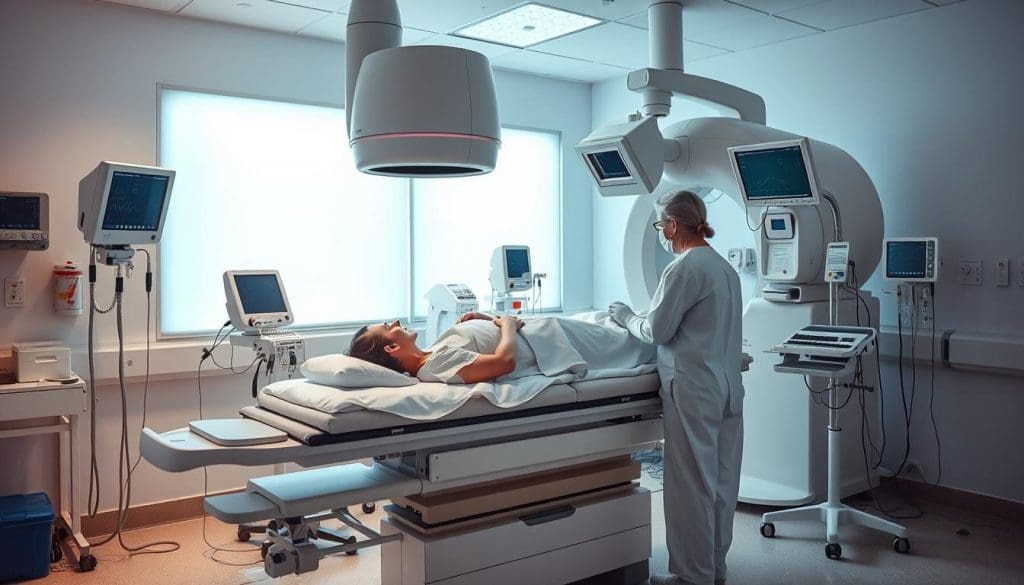
Learning about nuclear stress tests helps patients get ready for the test. It shows how the heart works when stressed, usually through exercise or medicine.
What Is a Nuclear Stress Test?
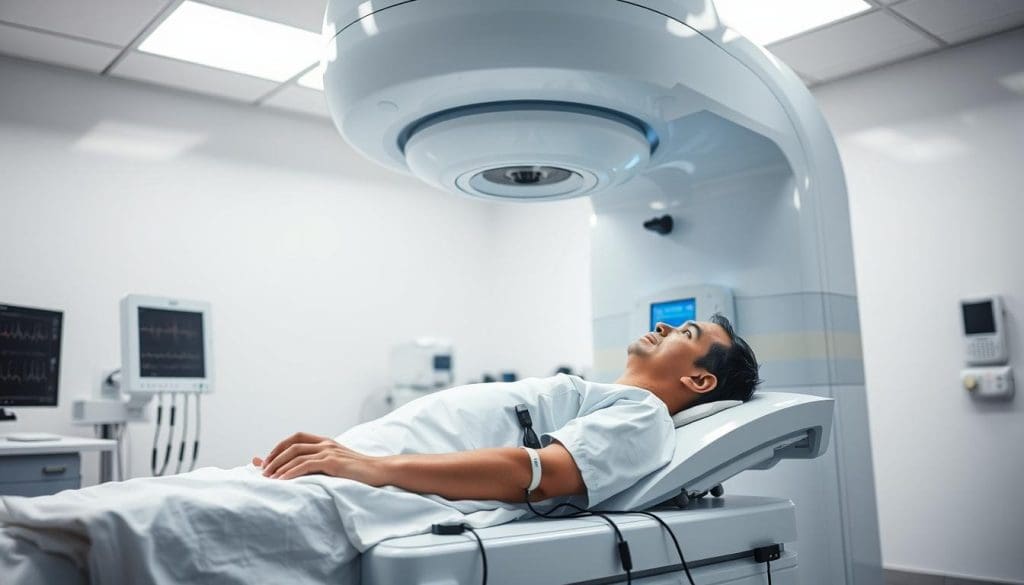
A nuclear stress test uses a tiny amount of radioactive tracer in the blood. This tracer shows how much blood the heart muscle gets. A camera takes pictures of the heart at rest and after stress to see the blood flow changes.
How the Test Works
First, the patient lies down while a tracer is injected. Then, images are taken with a gamma camera. Next, the patient exercises on a treadmill or bike, or takes medicine that simulates exercise. Another tracer dose is given at the peak stress, and more images are taken.
Conditions Diagnosed with Nuclear Stress Tests
Nuclear stress tests mainly check for coronary artery disease (CAD) and heart function. They also see if treatments for CAD work and if there’s a risk of heart problems later.
| Condition | Description | How Nuclear Stress Test Helps |
| Coronary Artery Disease (CAD) | Narrowing or blockage of the coronary arteries due to plaque buildup. | Identifies areas of reduced blood flow, indicating blockages. |
| Heart Function Assessment | Evaluation of the heart’s pumping efficiency. | Provides images of the heart’s chambers and their function. |
| Treatment Effectiveness | Monitoring the success of CAD treatments. | Compares pre- and post-treatment images to assess improvement. |
Nuclear medicine tests for the heart, like the nuclear stress test, are key in diagnosing and managing heart issues. Knowing how these tests work and what they diagnose helps patients understand their heart care better.
Nuclear Medicine for Heart Conditions
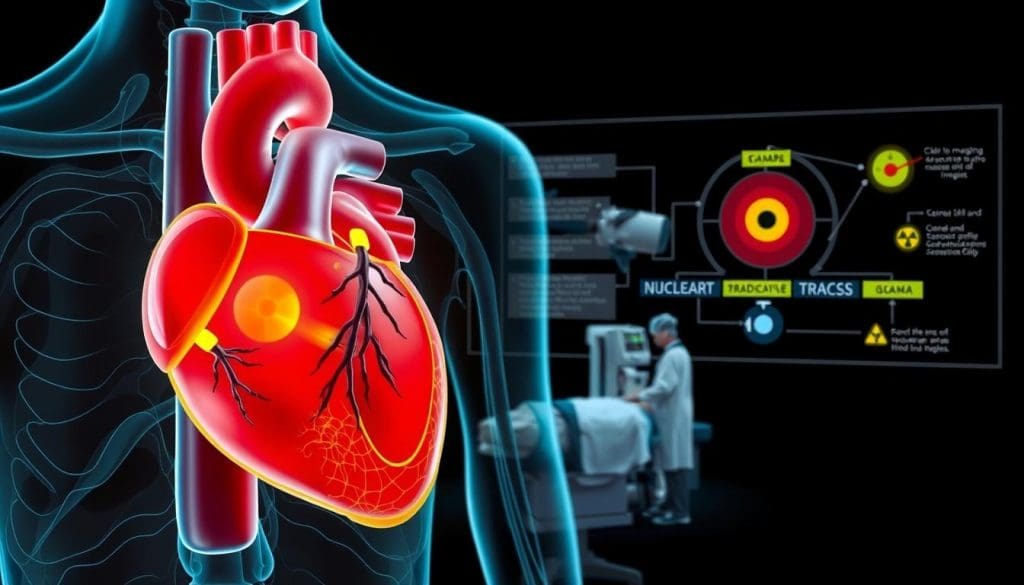
Nuclear medicine has changed how we diagnose and treat heart diseases. It uses tests like PET and SPECT scans to check heart function and find coronary artery disease. These tests are key to diagnosing and treating heart conditions.
Types of Nuclear Medicine Heart Tests
Nuclear medicine offers several tests for heart health, including:
- PET (Positron Emission Tomography) scans: These scans give detailed images of the heart. They help find coronary artery disease and check heart function.
- SPECT (Single Photon Emission Computed Tomography) scans: SPECT scans help evaluate heart function and find areas with less blood flow.
- Nuclear Stress Tests: These tests use a small amount of radioactive material. They show how the heart works under stress, usually during exercise or with medicine.
Benefits of Nuclear Imaging for Cardiac Assessment
Nuclear imaging has many benefits for checking the heart, including:
- High accuracy in finding coronary artery disease.
- Ability to check heart function and if it’s working well.
- Helping decide on treatment with detailed images.
Nuclear imaging gives detailed insights into heart health. This helps doctors make better treatment plans.
Comparing Nuclear Tests to Other Cardiac Diagnostics
Nuclear tests are often compared to other heart tests like echocardiograms and coronary angiograms. Each test has its own strengths. But nuclear medicine tests have unique benefits in certain situations.
| Diagnostic Test | Primary Use | Key Benefits |
| Nuclear Stress Test | Assess heart function under stress | High accuracy in detecting coronary artery disease |
| Echocardiogram | Evaluate heart structure and function | Non-invasive, provides real-time images |
| Coronary Angiogram | Visualize the coronary arteries | Detailed view of artery blockages |
In conclusion, nuclear medicine is key in diagnosing and managing heart conditions. Understanding the different tests and their benefits helps patients understand the diagnostic process better.
What Not to Do Before a Nuclear Stress Test
To get accurate results from your nuclear stress test, it’s important to follow certain guidelines before the test. These guidelines help your healthcare provider see how well your heart works under stress.
Foods and Beverages to Avoid
Some foods and drinks can mess up the test results. Caffeine is a big no-no because it can change your heart rate and blood pressure. You should avoid caffeine for at least 24 hours before the test. Other things to skip include:
- Chocolate
- Certain medications that contain caffeine
- Energy drinks
Activities to Restrict
There are also activities you should not do before your test. These include:
- Strenuous exercise on the day before or day of the test
- Smoking can also impact heart rate and blood pressure
Consequences of Not Following Pre-Test Guidelines
If you don’t follow these guidelines, your test results might not be accurate. This could mean you might need to take the test again. As one doctor said,
“The accuracy of a nuclear stress test is highly dependent on the patient’s adherence to pre-test instructions.”
So, it’s very important to listen to your healthcare team’s instructions. This will help you get the best results from your test.
Why No Caffeine Before a Nuclear Stress Test
Before a nuclear stress test, it’s important to know why you can’t have caffeine. Caffeine can change the test’s results, making them inaccurate.
How Caffeine Affects Test Results
Caffeine can change your heart rate and blood pressure. This can mess up the results of a nuclear stress test. The test checks how your heart works under stress, usually from exercise or medicine. Drinking caffeine before can mess with this by:
- Making your heart beat faster, which can hide or fake symptoms the test looks for.
- Changing how the test medicine works, making it less effective or different.
- Making blood vessels narrow can mess up the test’s view of blood flow to the heart.
Common Sources of Hidden Caffeine
Many things have caffeine, not just coffee. Watch out for:
- Caffeine is in drinks like energy drinks, some teas, and sodas.
- Chocolate, dark chocolate, and cocoa products in particular.
- Some medicines, like pain relievers and cold medicines.
- Energy or alertness foods are labeled as such.
Check labels and talk to your doctor about caffeine sources to avoid it.
What Happens If You Drink Caffeine Before a Stress Test
Drinking caffeine before a test can cause problems. It might:
- Make test results wrong, needing you to do the test again.
- Change your heart rate and blood pressure, making the test harder to understand.
- Make the stress medicine less effective, making it tough to see how your heart works under stress.
To get accurate results from your test, follow your doctor’s advice. This includes not drinking caffeine for 12 to 24 hours before.
Can I Drink Alcohol After a Nuclear Stress Test?
Many patients wonder if they can drink alcohol after a nuclear stress test. This is a key question for your comfort and recovery. We get it, and we’re here to help.
Recommended Alcohol Restrictions Before Testing
It’s important not to drink alcohol for at least 24 hours before the test. Drinking can mess with your heart rate and blood pressure. This can make the test results inaccurate, leading to worries or delays in treatment.
Avoiding alcohol before the test is key to accurate results. Talk to your doctor about any alcohol or substance concerns before the test.
Post-Test Alcohol Guidelines
Wait 12 to 24 hours after the test to drink alcohol again. This lets your body get rid of the radioactive tracer used in the test. It also helps avoid side effects.
Drink lots of water after the test. Staying hydrated helps get rid of the radioactive material faster.
Why Alcohol Affects Test Results and Recovery
Alcohol can change how your heart works during the test. It can also slow down your recovery by mixing with any medicines you might take.
By not drinking alcohol, you help get accurate test results and a smooth recovery. If you’re worried about drinking or anything else, talk to your doctor.
Medications and Nuclear Stress Tests
When you’re getting ready for a nuclear stress test, it’s key to manage your meds right. Some meds can mess with the test, while others help show how your heart works under stress.
Medications to Avoid Before Testing
Tell your doctor about all the meds you’re taking before the test. Some might need to be changed or stopped to get good results.
- Beta-blockers: These might need to be paused before the test because they can change your heart rate.
- Caffeine-containing medications: Stay away from meds with caffeine because it can mess with the test.
- Certain anti-anginal medications: Some meds for chest pain might need to be adjusted or stopped before the test.
Nuclear Stress Test Medications Used During the Procedure
During the test, some meds might be used to make your heart work harder or to get clearer images.
- Adenosine or Regadenoson: These are often used to make your heart work harder.
- Tc-99m Sestamibi or Tetrofosmin: These are special tracers that help show how blood flows through your heart.
Resuming Regular Medications After Testing
After the test, your doctor will tell you when it’s okay to start taking your regular meds again. Usually, you can go back to your usual meds pretty soon after. But always check with your doctor first.
| Medication Type | Pre-Test Instructions | Post-Test Instructions |
| Beta-blockers | May need to be stopped or adjusted | Resume as directed by your doctor |
| Caffeine-containing medications | Avoid before the test | Resume as directed by your doctor |
| Anti-anginal medications | May need adjustment | Resume as directed by your doctor |
How to Prepare for a Nuclear Stress Test
Getting ready for a nuclear stress test is important for good results. We’ll help you through each step to make sure you’re ready.
48-24 Hours Before Your Test
Start preparing 48 to 24 hours before your test. First, avoid caffeine in all forms. It can mess up your test results. Also, stop certain medications that might change your heart rate or blood pressure. Always follow your doctor’s advice on which meds to stop and when.
Also, have a light meal the night before. This helps avoid any discomfort during the test. Don’t forget to stay hydrated by drinking lots of water.
12 Hours Before Your Test
12 hours before, only drink water. Avoid caffeinated drinks and anything that might make you uncomfortable during the test. Don’t smoke or use nicotine products. They can affect your heart rate and test results.
Wear comfortable clothes and shoes for exercise. You’ll need to do some physical activity during the test.
The Morning of Your Test
In the morning, only drink water. Take any medications your doctor told you to, with a little water. Make sure to arrive on time for your test. Bring any needed documents or information.
| Preparation Step | Time Before Test | Action Required |
| Avoid Caffeine | 48 hours | Stop consuming caffeine in any form |
| Stop Certain Medications | 48-24 hours | Follow the doctor’s instructions on which medications to stop |
| Light Meal | Night before | Eat a light meal to prevent discomfort |
| Fasting | 12 hours | Avoid eating or drinking anything except water |
| Comfortable Clothing | Morning of the test | Wear comfortable clothing and shoes suitable for exercise |
What to Expect During a Nuclear Stress Test
Knowing what to expect during a nuclear stress test can make you feel less anxious. This test checks how well your heart works when it’s stressed. This stress is usually caused by exercise or medicine.
Test Duration and Procedure Steps
The test usually takes 2 to 4 hours. Here’s what happens during it:
- Preparation: You’ll wear comfy clothes for exercise. Electrodes will be put on your chest to monitor your heart.
- Initial Imaging: A tiny amount of radioactive tracer is given through an IV. You’ll lie down, and a camera will take pictures of your heart at rest.
- Stress Test: You’ll either walk on a treadmill or take medicine to make your heart work harder. The exercise gets harder to stress your heart.
- Second Imaging: After reaching the highest stress, more tracer is given, and more pictures are taken.
It’s important to follow your healthcare team’s instructions for the best results.
Sensations and Experiences During Testing
You might feel some things during the test that can be scary if you’re not ready. These feelings include:
- A mild feeling of flushing or warmth when the radioactive tracer is injected.
- Shortness of breath or fatigue during the exercise or stress portion.
- A slight discomfort or feeling of pressure on your chest where the electrodes are attached.
Telling the medical staff about any discomfort or symptoms is very important.
Monitoring and Safety Measures
Your heart and vital signs are watched closely during the test. The team is ready to help if needed. Here are some safety steps:
| Monitoring Aspect | Description |
| Heart Activity | Electrodes on your chest continuously monitor your heart’s electrical activity. |
| Blood Pressure | Regular checks of your blood pressure during the test. |
| Symptoms | The medical staff will ask about any symptoms you’re experiencing and monitor for signs of distress. |
By knowing what to expect, you can prepare better for the test. This can help reduce your anxiety.
After a Nuclear Stress Test: Recovery Guidelines
After a nuclear stress test, it’s key to follow certain recovery steps. This ensures your safety and the test’s accuracy. We’re here to help you understand what to expect and how to take care of yourself.
Immediate Post-Test Care
Right after the test, you might be watched for any bad reactions. Always tell your healthcare provider if you feel dizzy, have chest pain, or trouble breathing.
It’s a good idea to have someone with you when you go home. Resting for the rest of the day is best to help your body heal.
Hydration Requirements
Drinking lots of fluids is very important after the test. Drinking water or other non-caffeinated drinks helps get rid of the radioactive tracer. Try to drink at least 8-10 glasses of fluid all day.
- Drink at least 8-10 glasses of fluid
- Avoid caffeinated beverages that can act as diuretics
- Monitor your urine output to ensure it’s returning to normal
Activity Restrictions
While you’re getting better, it’s best to stay away from hard activities like heavy lifting or exercise. Walking is usually okay, but check with your doctor first.
“Rest is a key part of getting better. Don’t push yourself too hard, as it can cause extra strain.”
When Can You Resume a Normal Diet
Unless your doctor says not to, you can usually go back to your normal diet after the test. Eating a balanced diet is good for your health and recovery.
It’s also smart to talk to your healthcare provider about your test results. They might have special diet advice based on your test.
By following these recovery tips, you can have a safe and easy recovery after your nuclear stress test. If you have any worries or questions, don’t hesitate to ask your healthcare provider for help.
Caffeine After Nuclear Stress Test: When Is It Safe?
Patients often ask when they can safely have caffeine after a nuclear stress test. The answer depends on your health and the test’s results. Usually, you can have caffeine unless your doctor tells you not to.
Resuming Caffeine Consumption
Doctors usually tell you to wait a bit before having caffeine again. This wait lets your body process the radioactive tracer. Always listen to your healthcare team’s specific advice, as they know your situation best.
Potential Effects of Early Caffeine Reintroduction
Having caffeine too soon might mess with the test’s results or affect the tracer. While not all studies agree, it’s wise to wait at least 24 hours before having caffeine again. This helps avoid any possible risks.
Recommended Caffeine Limits Post-Test
When you start having caffeine again, be careful about how much. Stick to moderate amounts. For adults, that’s about 400 milligrams a day, or three to four cups of coffee. Too much can cause jitters, anxiety, and trouble sleeping.
In summary, while the exact time may differ, you can usually have caffeine again after a test unless your doctor says not to. Always follow your doctor’s advice to stay safe and get accurate test results.
Managing Side Effects After Nuclear Stress Tests
Nuclear stress tests are common and safe for most people. But some might feel side effects. We’ll talk about the usual side effects, why they happen, and when to call your doctor.
Headache After Nuclear Stress Test: Causes and Treatment
Some folks get a headache after the test. This headache is usually mild and goes away with water and rest. It’s not always clear why these headaches happen, but they might be from the test or the meds.
To feel better, drink lots of water and rest. If your headache doesn’t get better, talk to your doctor.
Other Common Side Effects
Other side effects include:
- Dizziness or lightheadedness
- Nausea
- Fatigue
- Soreness at the injection site
These effects are usually mild and short-lived. But it’s key to watch your symptoms and tell your doctor if you’re worried.
When to Contact Your Doctor
While most side effects are okay, some need medical help. Call your doctor if you have:
- Severe or lasting headache
- Worsening chest pain or discomfort
- Severe dizziness or fainting
- Any odd or worrying symptoms
Conclusion
Knowing the rules for nuclear stress tests is key for patients. This test helps check heart health. It’s important to follow the guidelines before and after the test for the best results.
It’s important to avoid caffeine and some medicines before the test. Also, don’t drink alcohol after it. These steps help make sure the test results are right. This way, doctors can make good choices for your health.
To sum up, nuclear stress tests are safe and helpful when you follow the rules. We suggest patients talk to their doctors about their test. This way, everyone gets the best care and results.
FAQ
Can I drink alcohol after a nuclear stress test?
We suggest not drinking alcohol for at least 24 hours after the test. This helps with recovery and ensures accurate results.
Why can’t I have caffeine before a nuclear stress test?
Caffeine can change your heart rate and blood flow. This might make the test results inaccurate. We ask you to avoid caffeine for at least 12 hours before the test.
What medications should I avoid before a nuclear stress test?
Some medications, like beta-blockers and nitrates, might need to be stopped before the test. We’ll tell you which ones to avoid and when to start them again.
How do I prepare for a nuclear stress test?
To get ready, skip caffeine and certain meds, wear comfy clothes, and don’t eat for a few hours before. We’ll give you all the details you need.
What happens during a nuclear stress test?
We’ll watch your heart while you walk or bike. A small amount of radioactive material is used to see how your heart works.
How long does it take to recover from a nuclear stress test?
Most people can go back to normal activities right after the test. But it’s best to avoid hard activities for a few hours. Drinking lots of water helps get rid of the radioactive material.
Can I resume caffeine consumption after a nuclear stress test?
You can usually start drinking caffeine again 24 hours after the test. But start with small amounts and watch how your body reacts.
What are the common side effects after a nuclear stress test?
Some people might feel headaches, dizziness, or tiredness after the test. These effects are usually mild and short-lived. If they get worse or last too long, call your doctor.
How much radiation is involved in a nuclear stress test?
The test uses a small amount of radiation. We take steps to keep exposure low. The benefits of the test are usually worth the small risk.
What should I do if I experience a headache after a nuclear stress test?
For a headache, you can try over-the-counter pain meds like acetaminophen or ibuprofen. If the headache is bad or lasts too long, talk to your doctor.
References
- Gopal, S. (2023). Nuclear Medicine Stress Test. In StatPearls. National Library of Medicine. https://www.ncbi.nlm.nih.gov/books/NBK557682/