Last Updated on November 26, 2025 by Bilal Hasdemir
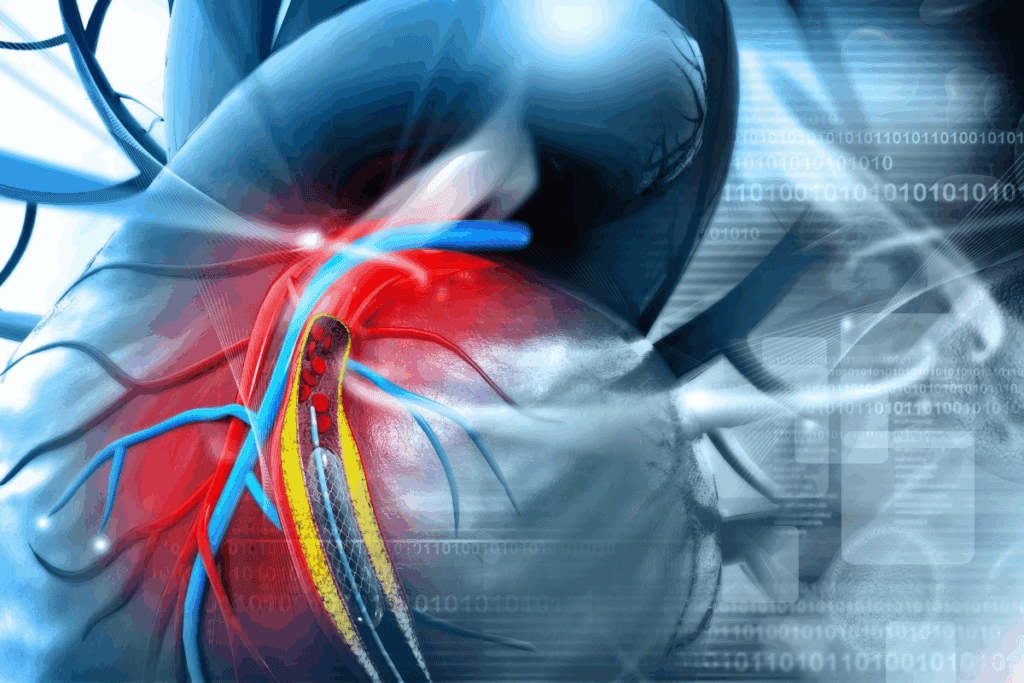
Having angioplasty and stent placement is a big step towards better heart health. At Liv Hospital, we know how key recovery and long-term care are after these procedures.
Most people can get back to their usual activities in about two weeks after the procedure. The National Heart, Lung, and Blood Institute says you can get back to normal in just a few days or a week. Many patients ask, “can I live a normal life after angioplasty?” Making ongoing lifestyle changes is key for keeping your heart healthy long-term.
At Liv Hospital, we’re all about top-notch care and keeping patients safe. We help you through every step to make sure you recover safely and healthily.
Key Takeaways
- Resume routine activities within two weeks after angioplasty and stent placement.
- Ongoing lifestyle changes are essential for long-term heart health.
- Liv Hospital provides cutting-edge care and prioritizes patient safety.
- Follow medical advice for a safe and healthy recovery.
- Make necessary lifestyle adjustments to maintain heart health.
Understanding Angioplasty and Stent Placement
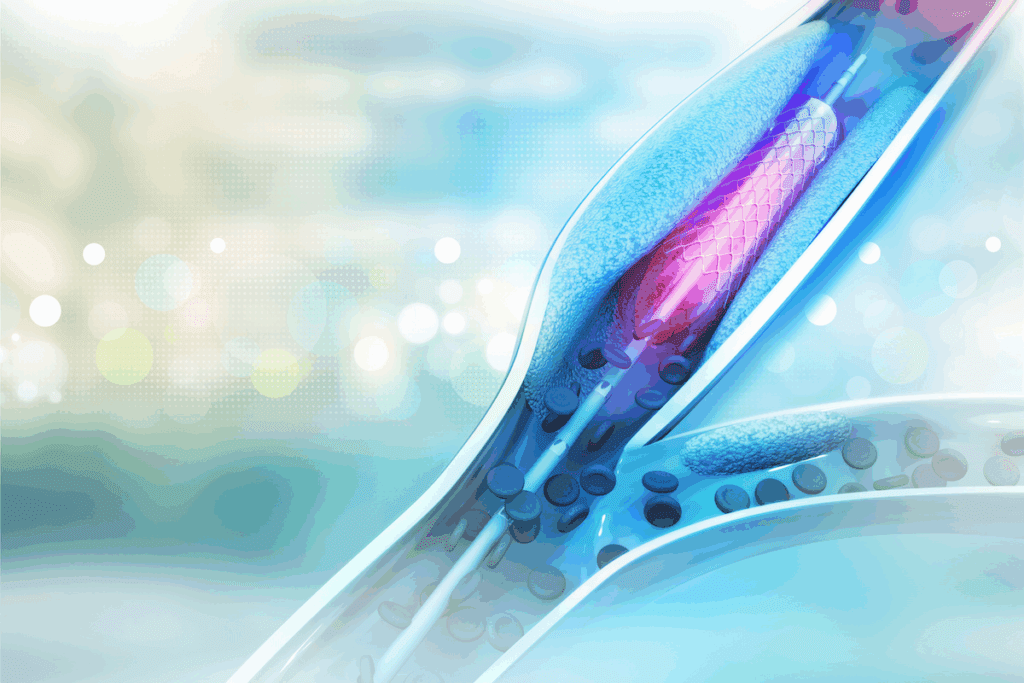
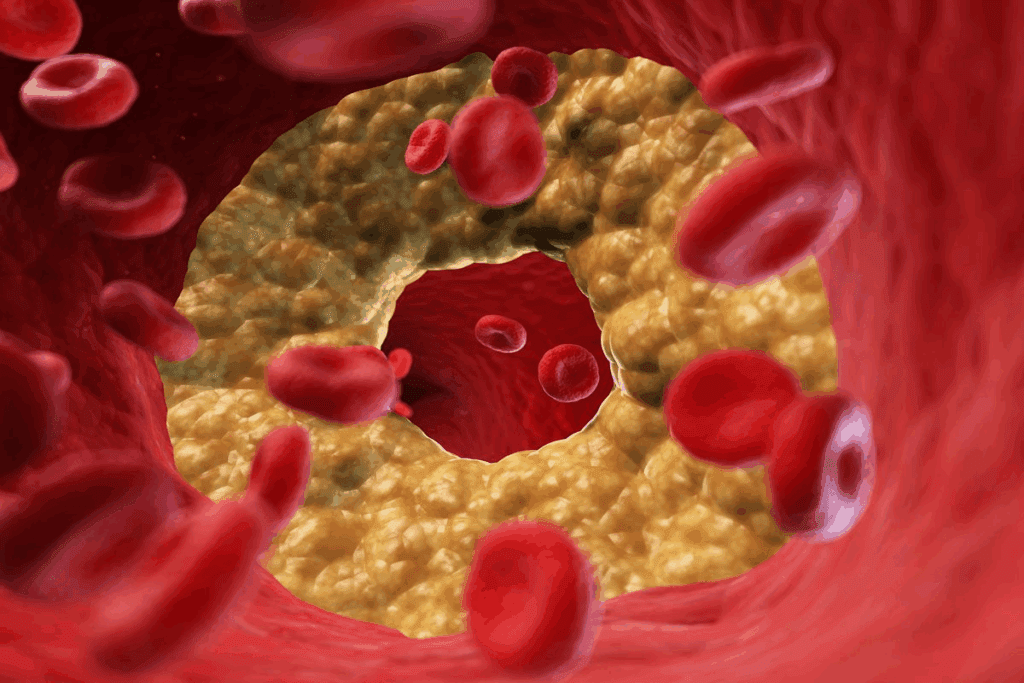
Learning about angioplasty and stent placement can help patients manage their heart health better. These procedures open blocked or narrowed arteries to improve blood flow to the heart.
What Happens During the Procedure
A thin, flexible tube called a catheter is inserted into a narrowed artery during angioplasty. A balloon on the catheter is then inflated. This expands the artery, improving blood flow. Stent placement often follows, where a small mesh tube (stent) is placed to keep the artery open.
The procedure is done under local anesthesia, and patients are usually awake. It can take from 30 minutes to several hours, depending on the case’s complexity and the number of stents.
How Stents Work to Keep Arteries Open
Stents keep the artery open after angioplasty, ensuring blood flow to the heart. They provide structural support to the artery wall and prevent it from narrowing again (restenosis). This improves blood flow to the heart muscle.
By keeping the artery open, stents reduce symptoms like chest pain (angina) and shortness of breath. This improves overall quality of life.
Different Types of Stents and Their Lifespans
There are several types of stents available:
- Bare-metal stents: Made from metal mesh, these stents are less likely to cause allergic reactions but may have a higher risk of restenosis.
- Drug-eluting stents: These stents release medication that helps prevent the artery from narrowing again. They are the preferred choice for many patients due to their effectiveness.
- Bioresorbable stents: Made from materials that gradually dissolve, these stents provide temporary support to the artery before being absorbed by the body.
The lifespan of a stent varies by type and patient factors. While stents are designed to last long, they are not a cure for coronary artery disease. Patients must manage their condition through lifestyle changes and medication.
The Initial Recovery Period: What to Expect
After angioplasty and stent placement, knowing what to expect is key. We’ll help you understand the initial recovery period. This will make your healing process smoother and more confident.
Hospital Stay and Immediate Aftercare
Most people stay in the hospital for just a day or overnight after angioplasty. If the procedure was through the groin, you’ll need to lie flat for hours to avoid bleeding. Medical staff will watch your vital signs and the access site for any issues.
Immediate aftercare means resting and avoiding hard activities. Your healthcare team will give you detailed instructions on wound care, medication, and follow-up visits.
Recovery Timeline: Heart Attack vs. Elective Procedure
The recovery time can differ a lot. It depends on if the angioplasty was for a heart attack or not.
- Elective Procedure: If it was elective, you might be back to normal in a few days to a week.
- Heart Attack: After a heart attack and angioplasty, recovery takes longer. You’ll need more time to get your strength back.
Common Physical Sensations and Side Effects
After angioplasty, you might feel some things like:
- Discomfort or pain at the access site
- Bruising or swelling
- Fatigue
- Shortness of breath
These symptoms usually go away as you get better. But, tell your doctor if they’re severe or don’t go away.
When to Contact Your Doctor
It’s important to know when to call your doctor. Reach out if you have:
- Severe chest pain or pressure
- Shortness of breath
- Unusual bleeding or swelling at the access site
- Fever or chills
Knowing about these issues and talking to your healthcare team is vital for a good recovery.
Can I Live a Normal Life After Angioplasty?
Many patients can live a normal life after angioplasty, but it takes some changes. After the procedure, people often wonder if they can do their usual things. They want to know if they can go back to their daily activities and lifestyle.
Short-term Limitations and Restrictions
Right after the procedure, patients should avoid heavy lifting and bending. Most people can start driving in a week and get back to normal in two weeks. But, always follow what your doctor tells you. Everyone recovers differently.
At first, you might feel tired, uncomfortable, or have trouble breathing. It’s important to watch these signs and talk to your doctor if you notice anything off.
Long-term Outlook and Quality of Life
The outlook for patients after angioplasty is usually good. With the right care and lifestyle changes, many can live well. Going to regular check-ups with your doctor is key to keeping your stent working and your heart healthy.
| Activity | Recommended Timeline | Tips |
| Driving | Typically after 1 week | Ensure you’re comfortable and not taking narcotic pain medication. |
| Returning to Work | Usually within 1-2 weeks | Discuss your job requirements with your doctor to determine the best return time. |
| Exercise and Physical Activity | Gradually increase over 2-4 weeks | Start with light activities like walking and progress to more strenuous exercises. |
Returning to Work and Daily Activities
Going back to work and daily life is a big step in recovery. It’s important to balance wanting to get back to normal with letting your body heal. Talk to your doctor about your job and daily life to figure out the best plan.
Adjusting Your Expectations and Mindset
Changing your mindset and expectations is key to a good recovery. Knowing that some limits are temporary and that the long-term benefits are worth it can keep you positive. Making heart-healthy choices can also improve your recovery and overall health.
By following these tips and staying in touch with your doctor, you can manage your recovery well. This way, you can enjoy a fulfilling life after angioplasty.
Essential Medication Management Post-Procedure
It’s key to follow your doctor’s advice on medication after angioplasty and stent placement. Managing your meds well helps avoid problems and ensures your procedure works long-term.
Understanding Antiplatelet Therapy
Antiplatelet therapy is a big part of your care after stent placement. Antiplatelet medications, like aspirin and clopidogrel, stop platelets from clumping and blocking your stent.
You’ll likely get a mix of these meds for a certain time. This depends on your stent type and health risks.
Other Common Medications After Stent Placement
You might also get meds for heart disease causes like high blood pressure or cholesterol. These include:
- Beta-blockers to ease heart work
- Statins to cut cholesterol
- ACE inhibitors or ARBs for blood pressure
The Dangers of Stopping Prescribed Medications
Don’t stop your meds without talking to your doctor. Stopping antiplatelet therapy too soon raises your risk of blood clots in your stent, which can lead to a heart attack.
Managing many meds can be tough. But, the dangers of stopping them are much greater than any hassle of taking them.
Tips for Medication Adherence
Here are some tips to help you stick to your meds:
- Use a pill box or calendar to track your meds
- Set phone reminders or ask someone to remind you
- Keep your meds where you can see them easily
- Talk to your doctor about any worries or side effects
By taking your meds as directed and talking often with your healthcare team, you can lower your risk of problems. This way, you can live a healthier life after your procedure.
Developing a Heart-Healthy Diet After Stent Placement
Eating a balanced diet is key to recovering well after angioplasty and stent placement. A heart-healthy diet supports your heart and helps manage heart disease risk factors. We’ll show you what foods to eat more of, what to limit, how to manage salt, and meal planning tips.
Foods to Emphasize in Your Diet
Eat lots of fruits, vegetables, whole grains, nuts, and seeds to lower heart disease risk. These foods are full of vitamins, minerals, and antioxidants. They help keep your arteries healthy and your heart strong.
- Fruits and Vegetables: Choose a variety of colors for a wide range of nutrients. Berries, leafy greens, and citrus fruits are great choices.
- Whole Grains: Opt for brown rice, quinoa, and whole-wheat bread instead of refined grains.
- Nuts and Seeds: Almonds, walnuts, chia seeds, and flaxseeds are good sources of omega-3s and antioxidants.
Foods to Limit or Avoid After Angioplasty
Some foods can harm your heart health and should be limited or avoided. These include foods high in saturated fats, trans fats, sodium, and added sugars.
- Saturated and Trans Fats: Cut down on red meat, full-fat dairy, and processed snacks.
- Sodium: Reduce salty foods, canned goods, and processed meats.
- Added Sugars: Watch out for sugary drinks, desserts, and refined grains.
Salt Intake and Blood Pressure Management
Too much salt can raise blood pressure, a big risk for heart disease. It’s important to control salt intake to keep blood pressure healthy.
| Salt Intake Recommendations | Daily Limit |
| General Recommendation | Less than 2,300 mg |
| For Those at Risk | 1,500 mg or less |
Practical Meal Planning Tips
Planning meals ahead can help you stay on a heart-healthy diet. Here are some tips:
- Meal Prep: Cook meals for the week to avoid unhealthy choices.
- Healthy Snacking: Keep fruits, nuts, and carrot sticks with hummus ready.
- Read Labels: Know the nutritional content of packaged foods.
By following these dietary tips, you can greatly improve your heart health and overall well-being after stent placement.
Alcohol Consumption After Having a Stent Fitted
It’s important to know how alcohol affects your heart after a stent is placed. Patients often wonder if they can drink alcohol after this procedure. It’s key to make smart choices about your lifestyle.
Effects of Alcohol on Stents and Heart Health
Drinking alcohol can have both good and bad effects on your heart. Moderate alcohol consumption is usually up to one drink a day for women and two for men. But, after a stent, it’s vital to know how alcohol affects your heart and medicines.
Too much alcohol can increase blood pressure and heart failure risk. It also raises the chance of bleeding, which is a big worry for those on antiplatelet therapy after a stent.
Guidelines for Safe Alcohol Consumption
If you’ve had a stent, talk to your doctor about drinking alcohol. They can give advice based on your health and history.
Try to drink in moderation if you do drink. Remember, how alcohol affects you can vary a lot.
Medication Interactions with Alcohol
Patients with stents often take antiplatelet medications to prevent clots. Alcohol can make these medicines more likely to cause bleeding.
It’s important to know how alcohol and your medicines interact. Your doctor or pharmacist can tell you how to safely drink while on these meds.
Alternatives to Alcoholic Beverages
If you’re having trouble drinking in moderation or don’t want to drink, there are other options. Non-alcoholic beers and wines, mocktails, and low-calorie drinks are good choices.
Drinking water and trying juices and teas can also be part of a healthy lifestyle. It’s about finding what’s best for you and your heart.
Creating a Safe and Effective Exercise Routine
After angioplasty and stent placement, it’s key to start a safe exercise routine. This helps you recover quickly and keeps your heart healthy. Exercise boosts strength and keeps your heart system in top shape.
When to Start Exercising After Angioplasty
Your doctor will tell you when to start exercising after angioplasty. Usually, you can start with light activities a few days after. Begin with gentle exercises and slowly increase them as you get better.
Start with short walks and increase the distance and speed as you get stronger. Listen to your body and don’t overdo it, at least not at first.
Types of Recommended Physical Activities
There are many good exercises after angioplasty, like:
- Brisk walking
- Swimming
- Cycling
- Light aerobics
- Yoga
These activities boost heart health, strengthen muscles, and improve flexibility. Pick activities you enjoy to make sticking to your routine easier.
Building Stamina Gradually
Building stamina takes time and effort. Start with short, easy workouts and slowly make them longer and harder. Watching your progress can keep you motivated.
Remember to include rest days in your routine. Too much exercise can be bad, so finding a balance is important.
Exercise Precautions and Warning Signs
Be careful and listen to your body while exercising after angioplasty. Signs like chest pain, shortness of breath, dizziness, or extreme tiredness mean you should stop and see your doctor.
Always warm up before exercising and cool down afterwards to avoid injuries. Drinking plenty of water and paying attention to your body’s signals will help keep your exercise routine safe and effective.
Lifestyle Modifications for Long-term Heart Health
After angioplasty and stent placement, our lifestyle choices are key to heart health. Making smart lifestyle changes can greatly improve heart health and lower the risk of future heart problems.
Smoking Cessation Strategies
Smoking is a big risk for heart disease, and quitting is essential. Here are some ways to stop smoking:
- Consult a healthcare provider about nicotine replacement therapy or prescription medications.
- Identify and avoid triggers that make you want to smoke.
- Join a support group or counseling program to stay motivated.
- Consider alternative activities like exercise or hobbies to manage cravings.
Managing Stress for Better Heart Health
Stress can harm the heart, so managing it is important. Here are some tips:
- Try relaxation techniques like deep breathing, meditation, or yoga.
- Regular physical activity can help reduce stress.
- Make time for hobbies and activities that bring joy.
- Seek support from friends, family, or mental health professionals when needed.
Sleep Quality and Heart Recovery
Good sleep is key for heart recovery and health. To sleep better, try these:
- Stick to a consistent sleep schedule.
- Keep your bedroom cool and dark for better sleep.
- Avoid caffeine and electronic devices before bed.
- Do relaxing activities before sleep, like reading or listening to music.
Social Support and Emotional Well-being
A strong support system is vital for emotional well-being and heart health. We suggest:
- Connect with family and friends to build a support network.
- Join support groups for those who have had similar heart procedures.
- Get involved in community activities or volunteer to feel connected.
- Seek professional help when emotional challenges arise.
By making these lifestyle changes, you can greatly improve your heart health and quality of life.
| Lifestyle Modification | Benefits for Heart Health |
| Smoking Cessation | Reduces risk of heart attack and stroke, improves overall cardiovascular health. |
| Stress Management | Lowers blood pressure, reduces risk of heart disease, and improves mental well-being. |
| Improved Sleep Quality | Enhances heart recovery, reduces inflammation, and improves overall health. |
| Social Support | Fosters emotional well-being, reduces stress, and encourages healthy lifestyle choices. |
Navigating Life’s Practical Challenges with a Stent
Life after getting a stent means learning to handle everyday challenges. The procedure helps your heart health a lot. But, you might wonder about daily activities, travel, and personal relationships.
Travel Considerations and Tips
Traveling with a stent needs some planning for your safety and comfort. Here are some tips:
- Check with your doctor before traveling, for long trips or time zone changes.
- Bring a travel insurance card and a list of your medicines, including dosages.
- Keep essential medicines in your carry-on luggage.
- Drink water on flights and avoid hard activities.
Sexual Activity After Stent Placement
Sex is important for many, and you might wonder about it after a stent. Usually, you can start again in a few days to a week. But, always listen to your doctor.
Tips for resuming sexual activity:
- Begin slowly and talk to your partner about any issues.
- Avoid hard positions or activities that might strain you.
- If you feel chest pain or discomfort, stop and get medical help.
Managing Medical Appointments and Health Records
After a stent, managing your medical schedule and records is key. Here are some tips:
- Set reminders for appointments and medication refills.
- Keep a personal health record with your history, test results, and medicines.
- Share your health info with your doctors for better care.
Communicating with Family and Employers About Your Condition
Telling family and employers about your condition is important for support. Here are some tips:
- Be open with your family about your health, treatment, and lifestyle changes.
- Give your employer a doctor’s note about your needs and any work adjustments.
- Talk about your condition with coworkers if you’re comfortable, to create a supportive work space.
By tackling these practical challenges, you can live with a stent more confidently. And, you can keep a high quality of life.
Conclusion: Embracing Your New Heart-Healthy Lifestyle
We’ve shown you how to live well after angioplasty and stent placement. It’s key to adopt a heart-healthy lifestyle to improve your life. By understanding the procedure, managing your meds, and making lifestyle changes, you can greatly improve your health.
A heart-healthy lifestyle means eating right, exercising, and managing stress. We suggest eating foods good for your heart, cutting down on salt, and finding exercises that fit your level. This can help lower your risk of heart problems and make life better after angioplasty and stents.
We’re here to support you all the way. By following these tips and working with your doctor, you can confidently move forward. You’ll be on the path to a healthier, happier life.
FAQ
What is the recovery time after angioplasty and stent placement?
Recovery times vary, but most people can get back to normal in a few days to a week. Always follow your doctor’s advice and keep up with follow-up appointments.
Can I drink alcohol after having a stent fitted?
Drinking in moderation is usually okay, but talk to your doctor first. Drinking too much can mess with your meds and heart health.
What foods should I avoid after angioplasty and stent placement?
Stay away from foods high in bad fats, cholesterol, salt, and sugar. Focus on fruits, veggies, whole grains, lean proteins, and good fats for heart health.
How long do I need to take antiplatelet medication after stent placement?
The time needed for antiplatelet meds varies based on your stent and health. Usually, it’s at least 12 months, but your doctor will give you specific advice.
Can I exercise after angioplasty and stent placement?
Yes, exercise is key for recovery and heart health. Start with easy walks and increase as your doctor advises.
How can I manage stress after angioplasty and stent placement?
Try stress-reducing activities like meditation, deep breathing, yoga, or counseling. Also, find joy in activities that relax you and help you balance work and life.
Are there any specific travel considerations after stent placement?
Carry your meds, have medical records, and tell travel buddies about your health. Always check with your doctor before long trips.
Can I resume sexual activity after stent placement?
You can usually start again in a few days to a week, but listen to your doctor. If you feel any discomfort, talk to your healthcare team.
How often should I follow up with my doctor after angioplasty and stent placement?
Your doctor will set up a follow-up plan for you. It’s important to keep these appointments to check on your recovery and adjust your care as needed.
What are the signs of complications after angioplasty and stent placement?
Look out for chest pain, shortness of breath, dizziness, or severe bruising. If you notice these, get medical help right away.
References
- Rassaf, T., Steiner, S., & Kelm, M. (2013). Postoperative care and follow-up after coronary stenting. Dtsch Arztebl International, 110 (5), 72-82. https://www.ncbi.nlm.nih.gov/pmc/articles/PMC3576602/
- Shroff, A., Gilchrist, I., Caputo, R., Bertrand, M., & Pancholy, S. (2016). Same-day discharge after percutaneous coronary intervention. JAMA Cardiology, 1 (3), e160141. https://jamanetwork.com/journals/jamacardiology/fullarticle/2506675