Many patients wonder if they can travel after radiation therapy. The answer depends on several factors. These include the type of radiation therapy and the patient’s health.Get practical advice for safe travel. Learn about precautions needed during your Post-radiation therapy recovery period.
Before making any travel plans, it’s important to talk to your healthcare provider. They can give you advice based on your treatment and health. This ensures you can travel safely.
It’s usually best to plan your vacation after your treatments are done. This allows time for recovery. It also helps avoid any travel complications.
Key Takeaways
- Consult your healthcare provider before making travel plans after radiation therapy.
- Plan your vacation after completing your radiation treatments.
- Consider your overall health condition when deciding on travel.
- Allow some recovery time after treatment before traveling.
- Discuss your travel plans with your healthcare provider to ensure safety.
Understanding Post-Radiation Therapy
Recovery after radiation therapy involves several factors. It’s important to know what to expect and how to manage side effects. This helps us navigate the post-treatment phase effectively.
What is Post-Radiation Therapy?
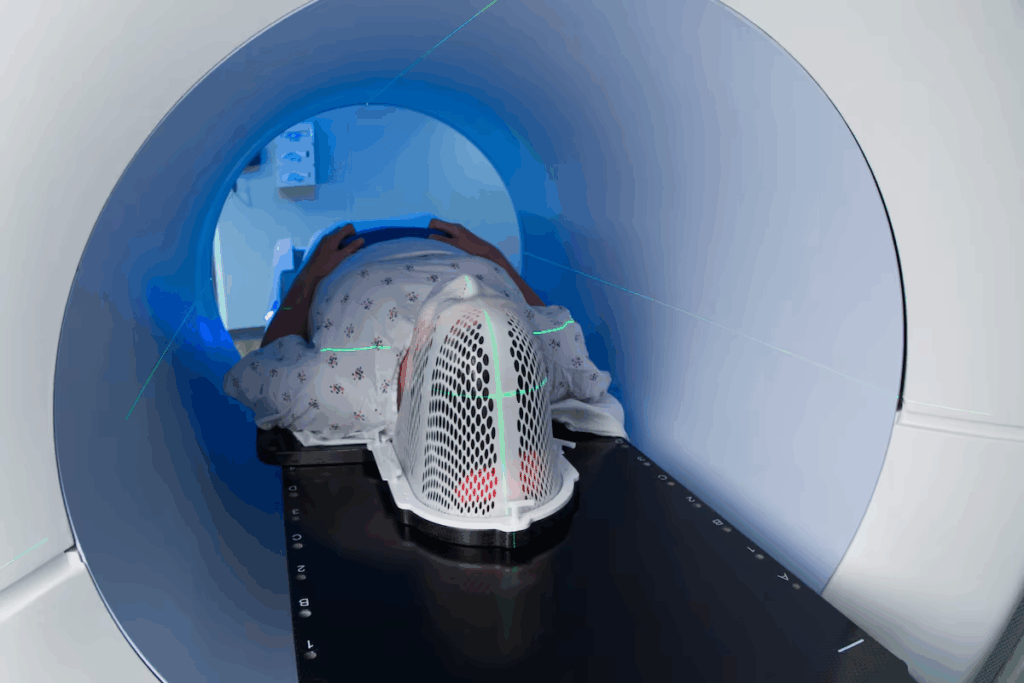
Post-radiation therapy is the time after treatment ends. The body heals from radiation’s effects during this period. Healthcare professional advice is key in guiding patients. It helps them understand how to reduce side effects and when to start normal activities, like travel.
Common Side Effects to Consider
Side effects of radiation therapy include fatigue, skin reactions, and nausea. How long and how severe these effects are can vary. It’s wise to talk to your oncologist about travel plans. They can help you manage side effects while on the move.
| Side Effect | Management Strategy |
| Fatigue | Rest, gentle exercise, and pacing activities |
| Skin Reactions | Topical creams, avoiding direct sun exposure |
| Nausea | Dietary adjustments, anti-nausea medication |
Recovery Timeframes
The radiation therapy recovery period varies among people. Recovery depends on the treatment’s dose, duration, and the area treated. It’s best to wait a bit after treatment to travel, as delays can happen.
When planning travel, think about post-treatment mobility strategies. Know your physical limits, plan breaks, and have access to medical care if needed.
Traveling with Side Effects in Mind

When planning your trip after radiation therapy, think about how to lessen side effects’ impact. Knowing your body’s condition and possible side effects can greatly improve your travel experience.
Fatigue and Travel
Fatigue from radiation therapy can affect your travel plans. To handle fatigue while traveling, consider these strategies:
- Plan for regular breaks during your journey to rest and recharge.
- Opt for shorter, more relaxed vacations that allow for adequate rest.
- Stay hydrated by drinking plenty of water throughout your trip.
- Avoid overexerting yourself with too many activities in a short span.
Being mindful of your energy levels and proactively managing fatigue can help you enjoy your trip without feeling overwhelmed.
Managing Nausea on the Road
Nausea from radiation therapy can also impact your travel. To manage nausea while traveling, try these tips:
- Eat small, frequent meals to keep your stomach comfortable.
- Avoid strong smells or foods that can trigger nausea.
- Stay hydrated by sipping on water or other non-caffeinated beverages.
- Consider packing anti-nausea medication, if prescribed by your doctor.
By taking these precautions, you can minimize the risk of nausea and enjoy your travel experience.
Traveling after radiation therapy needs careful planning and attention to your body’s needs. By understanding how to manage common side effects like fatigue and nausea, you can ensure a safer and more enjoyable trip.
Medical Clearance for Travel
Before you travel, it’s wise to talk to your oncologist for medical clearance. This step is key to making sure you’re fit for travel. It also prepares you for any health issues that might come up on your trip.
When to Consult Your Oncologist
Plan to see your oncologist before your travel dates. This gives you time to discuss health concerns and get clearance. Your oncologist will check your health and give advice on safe travel.
Important Questions to Ask
Prepare a list of questions for your oncologist. Some important ones include:
- What precautions should I take while traveling?
- How can I manage emergencies or side effects on my trip?
- Are there places or activities I should avoid?
- What signs should I watch for, and when to seek medical help?
These questions help you be ready for anything during your travels. Your oncologist might also give you a medical summary or letter. This can be useful if you need medical help abroad.
Your healthcare team is always there to help. If you have concerns or questions, don’t hesitate to reach out. Taking these steps will make your trip safer and more enjoyable.
Planning Your Trip
When you’re ready to travel after radiation therapy, picking the right place and how long to stay is key. Traveling post-treatment can be a big step towards feeling better. But, it’s important to plan well to make sure your trip is fun and safe.
Choosing a destination that fits your health needs is a big part of planning. Look for places with good medical facilities and environments that won’t make your side effects worse. For example, if you’re tired, a calm beach might be better than a busy city.
Choosing the Right Destination
When looking at places to go, think about the local healthcare. Find places with well-known hospitals and clinics that can help you if needed. Also, consider the weather and environment. Some places might make your health issues worse, so choose wisely.
Talking to your treatment team about your travel plans is a good idea. They can give you advice on the best places based on your health. For instance, if you’re fighting secondary breast cancer, they might say it’s okay to take a break for a holiday.
Duration of Travel
How long you travel is also important. It might be tempting to go on a long trip, but start with shorter ones first. This helps you see how you feel and how comfortable you are traveling. Long trips can be exhausting, so it’s important to balance seeing new places with resting.
Plan your trip to be flexible. Make sure to have some downtime and be ready to change your plans if needed. This way, you can manage risks and make sure your trip is enjoyable, not stressful.
Being mindful of your energy levels and proactively managing fatigue can help you enjoy your trip without feeling overwhelmed.
Transportation Options
Choosing the right transportation after radiation therapy is key for a safe and comfy trip. We know patients have different needs and likes when traveling after treatment.
Think about what transport fits your condition best. Always talk to your healthcare provider to find the best travel plans.
Air Travel Guidelines
For air travel, remember a few important things. Check with your airline for any special rules for medical conditions. Some might need a doctor’s letter.
Consider the length of the flight too. Long flights can make you tired, a common side effect. Try walking up and down the aisle to avoid blood clots and stiffness.
Road Trip Considerations
For road trips, think about a few things to make your journey comfy. Plan regular breaks every few hours to rest and stretch. This helps avoid fatigue and blood clots.
Also, make sure you can easily find medical help along your way. Look up hospitals and clinics near your route. Carry a roadside emergency kit and have a plan for emergencies.
By carefully picking your transport and planning, you can reduce travel stress. We’re here to support you every step of the way.
Accommodations and Accessibility
After radiation therapy, finding the right place to stay is key. Your lodging should be comfy and easy to get around. This helps manage treatment side effects and keeps you well during travel.
Finding Suitable Lodging
Look for places near medical centers. This ensures you’re close to care if you need it. Also, choose hotels or rentals with features like wheelchair accessibility or on-site medical support.
“The right place to stay can really help your recovery and travel,” says a healthcare expert. “It’s about creating a space that supports your health and comfort.”
Accessibility Features to Look For
Some features can greatly improve your stay. These include:
- Wheelchair ramps or elevators
- Walk-in showers or bathtubs with grab bars
- Wide doorways and spacious bathrooms
- Emergency alert systems
If you have serious mobility issues, a Blue Badge can help. It might give you parking and other perks. Check what benefits and rules apply in your area.
Focus on your comfort and accessibility to make your trip better. Remember, good care isn’t just about medical treatment. It’s also about your travel experience.
Nutrition and Diet on the Go
After radiation therapy, eating well while traveling is key to your recovery. Traveling can be tough, but a good diet helps manage side effects and keeps you healthy.
Packing Healthy Snacks is a smart way to get the nutrients you need while moving. Bring non-perishable items like nuts, dried fruits, and energy bars. Also, pack sandwiches, fruits, and cut veggies with hummus for quick meals.
Healthy Snacking Tips
Choose snacks that are nutritious and easy to eat on the go. Stay away from snacks high in sugar, salt, and unhealthy fats. Go for snacks full of fiber, protein, and healthy fats instead.
- Nuts and seeds
- Dried fruits and vegetables
- Energy bars made with wholesome ingredients
- Fresh fruits and cut vegetables
Local Cuisine and Dietary Needs
Trying local food is a big part of traveling, but do it safely. Choose food that’s freshly cooked and served hot. Avoid raw foods like unpeeled fruits and veggies to lower infection risk.
“The key to enjoying local cuisine while managing your dietary needs is to be mindful of food preparation and handling practices.”
Drinking plenty of clean water is also important. Stick to bottled or filtered water to avoid waterborne illnesses.
By paying attention to what you eat and making smart choices, you can have a great time traveling. It also helps support your health and recovery.
Staying Safe While Traveling
When planning your trip after radiation therapy, safety is key. Being ready for any situation can greatly improve your travel experience.
Medical Facilities at Your Destination
Looking into medical facilities at your destination is vital for emergency preparedness. Knowing where to get help can ease your mind. It’s a critical part of travel safety after treatment.
Before you go, make a list of medical places at your destination. Include their addresses and how to reach them. This list is very useful in emergencies.
Contact Information for Emergency Help
Having the right contact info is essential for medical precaution strategies. Save important numbers, like your emergency contact and local emergency services, in your phone.
Also, keep the names and addresses of friends and relatives with your passport. This way, British Consular officials can reach them if needed. Share your travel plans with a trusted friend or family member back home. Include where you’ll stay and how to contact you.
“It’s always better to be safe than sorry. Having a plan for emergencies can reduce stress and make your trip more enjoyable.”
By taking these steps, you can lower risks and enjoy your travels. We know traveling after radiation therapy needs careful planning. But with the right strategies, you can have a safe and rewarding trip.
Maintaining Medication Schedule
Sticking to your medication schedule is key if you’ve had radiation therapy and are traveling. It’s important to keep taking your medicine as prescribed. This helps your health and recovery.
Tips for Managing Prescriptions
Always pack your medicines in a carry-on bag when you travel. This way, you avoid losing or delaying them. It’s a good idea to carry a copy of your prescription and a doctor’s letter. These can help if you face any problems on your trip.
Key considerations for managing your prescriptions include:
- Pack enough medicine for your trip and a little extra, just in case.
- Keep your medicines in their original packaging to avoid confusion.
- Carry a list of your medicines, including how much and how often to take them.
Time Zone Considerations
Changing time zones means you might need to adjust your medicine schedule. Talk to your doctor about how to manage your medicines when traveling across time zones.
For example, if you’re going from the East to the West Coast of the U.S., you might need to adjust your medicine timing by three hours. Plan this change ahead to avoid missing a dose or taking too much.
If you’re carrying medicines for over three months, you might need a personal medicines license. Check with your doctor or the right authorities to see what you need for your trip.
Communicating with Travel Companions
Talking well with your travel buddies is key to a fun and easy trip after radiation therapy. Make sure they know what you need and can help you out.
Discussing Your Needs
Tell your travel friends about your health and any limits you face. Share your energy levels, any pain, and how they can help. This way, they know how to support you best.
Ask them to help with tasks like shopping, cleaning, and planning. This saves your energy and makes the trip better for everyone.
Preparing Them for Your Journey
It’s important to get your travel friends ready for the trip. Share your health details, signs of trouble, and emergency steps. This helps them handle any issues that come up.
Good communication and prep make your trip calm and worry-free. This is part of our support for you, to make your recovery better.
Tips for a Stress-Free Experience
To make your travel after radiation therapy stress-free, try an integrated healthcare approach. This means focusing on your overall well-being. It helps improve your health and happiness.
Effective Stress Management Techniques
Try stress-reducing activities like meditation, deep breathing, or yoga. These can help you feel less anxious and more relaxed on your trip.
Staying Positive
Stay positive by thinking about the good parts of your trip. Also, keep in touch with your loved ones. It’s a good idea to talk to your cancer specialist about when to travel. They can help you pick the best time, like between chemotherapy sessions.
Using these tips, you can make your journey more enjoyable and rewarding.
FAQ
When is the best time to travel after radiation therapy?
Talk to your healthcare provider to find the best time for your trip. It’s best to plan your vacation after your treatments end. This way, you avoid traveling too close to your last treatment.
What are the common side effects of radiation therapy that I should consider when traveling?
Side effects like fatigue, skin reactions, and nausea are common. It’s important to know what to expect. Discuss your travel plans with your oncologist to get clearance and learn how to manage your side effects.
How can I manage fatigue while traveling after radiation therapy?
Choose shorter, easier vacations that allow for rest. This helps manage fatigue and makes your trip safer and more enjoyable.
What precautions should I take when traveling after radiation therapy?
Research medical facilities at your destination. This way, you know where to go in an emergency. Keep emergency contact info handy and have a plan for emergencies.
How do I obtain medical clearance for travel after radiation therapy?
Always get medical clearance from your oncologist before traveling. They can check your health and decide if it’s safe for you to travel.
What should I consider when choosing a destination after radiation therapy?
Pick a destination that’s not too demanding and has good medical facilities. Talk to your treatment team to find the best places for your health.
What are the considerations for air travel after radiation therapy?
For air travel, check with your airline for any special rules for medical conditions.
How can I maintain my medication schedule while traveling?
Pack your medications in a carry-on bag with your prescription and a doctor’s letter. Adjust your medication schedule for time zones to keep the right dosage.
How can I ensure my travel companions are prepared to support me?
Tell your travel companions about your health, any limitations, and how they can help. Share information about your condition and what to do in emergencies. This can greatly improve your trip.
What are some tips for a stress-free travel experience after radiation therapy?
Use mindfulness and relaxation techniques like meditation or yoga to reduce stress. Focus on the positive aspects of your trip and stay connected with loved ones. Enjoy activities that fit your health status to make your trip better.