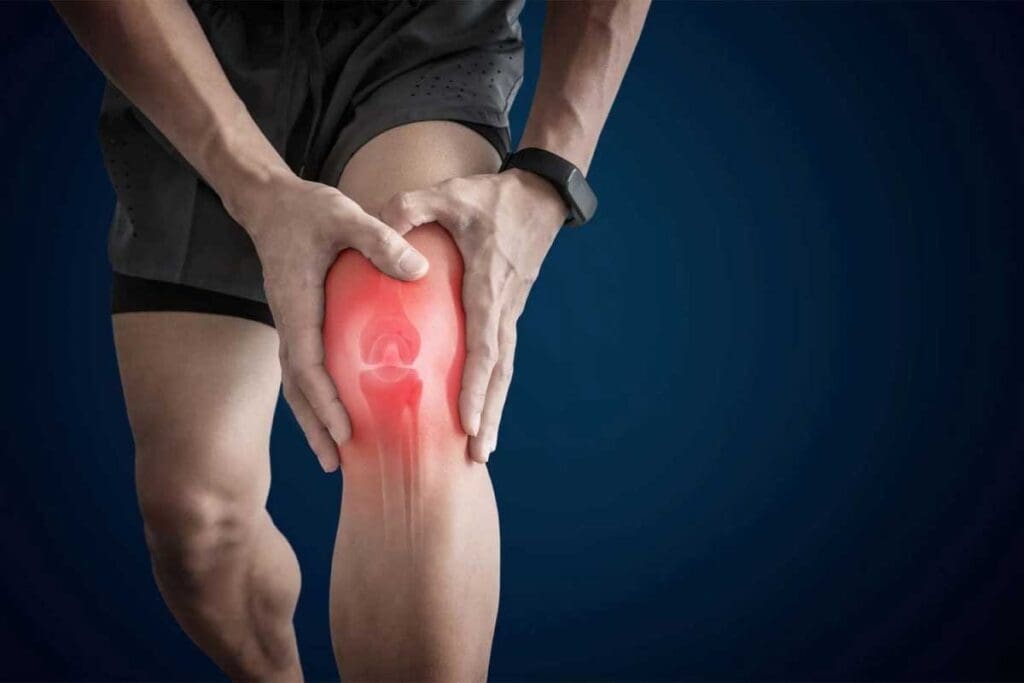
Can inner thigh pain be a blood clot? This is a question many people ask when they feel sudden or unexplained pain in the leg. Inner thigh pain might not always be a simple muscle strain — it could be a sign of a serious condition called deep vein thrombosis (DVT). At LivHospital, we emphasize the importance of recognizing DVT warning signs early to stay safe.
According to South Valley Vascular, “Blood clots can develop quietly, but certain symptoms should make you worried.” Knowing the possible warning signs can help you act fast. If you notice swelling, redness, warmth, or tenderness in your leg, seek medical help right away.
Understanding can inner thigh pain be a blood clot can make a life-saving difference. Early detection and prompt treatment are key to preventing serious complications.
Key Takeaways
- Inner thigh pain may be a sign of DVT, if you also see swelling or redness.
- Spotting DVT warning signs early is key for getting quick medical help.
- DVT can sneak up on you, but some symptoms are a clear warning.
- Getting medical help fast could save your life or a loved one’s.
- LivHospital is dedicated to trusted, patient-focused care for DVT diagnosis and treatment.
Understanding Deep Vein Thrombosis (DVT) and Its Dangers
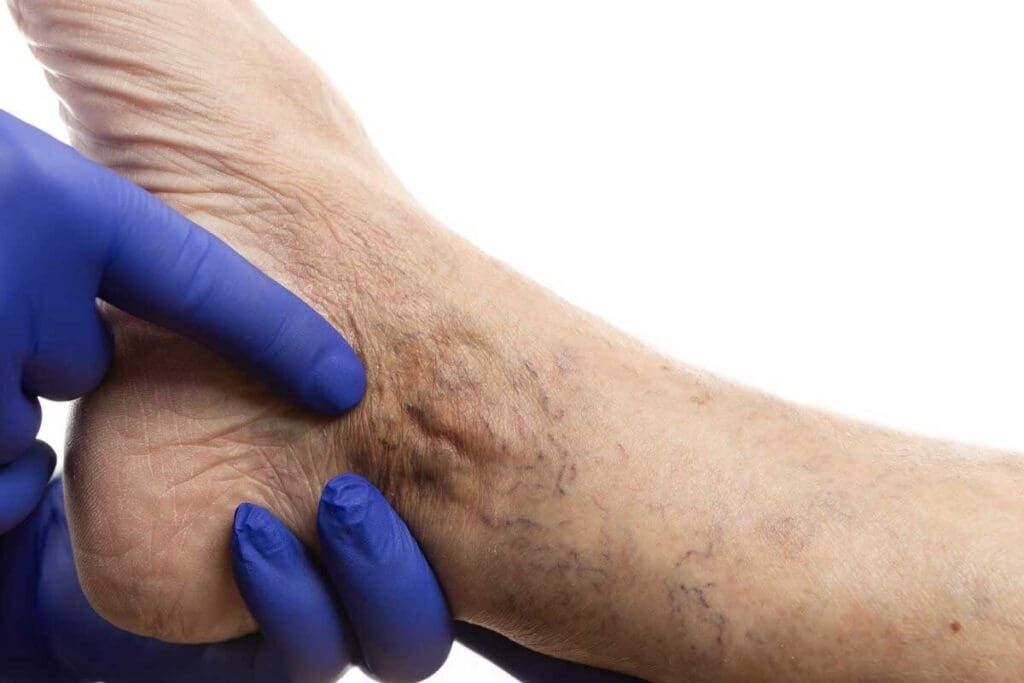
Deep vein thrombosis (DVT) is a serious condition where a blood clot forms in a deep vein. This usually happens in the legs or pelvis. When blood flow slows, tiny parts called platelets and a protein called fibrin stick to the wall, forming a clot.
What Is Deep Vein Thrombosis?
DVT happens when a blood clot forms in a deep vein, often in the legs. This is dangerous because the clot can break loose. It can then travel to the lungs, causing a pulmonary embolism, which can be deadly.
The most common DVT pain location is in the back of the leg, calf, or inner thigh. A blood clot in the back of the leg may show as swelling, skin discoloration (red or bluish), or a visible cord under the skin.
Why Blood Clots in Legs Are Concerning
Blood clots in the legs are serious because they can lead to big problems if not treated quickly. The clot can block blood flow, causing pain and swelling. It can also break loose and cause a pulmonary embolism. Knowing the risk factors for DVT is key for prevention and early detection.
Risk Factors for Developing DVT
Several factors increase the risk of developing DVT, including:
- Prolonged immobility, such as during long flights or bed rest
- Surgery or trauma, specially to the legs
- Cancer and its treatment
- Family history of DVT
- Obesity
- Age over 40
Knowing these risk factors helps people take steps to prevent DVT. It also encourages them to seek medical help if symptoms show up.
Can Inner Thigh Pain Be a Blood Clot? Key Indicators
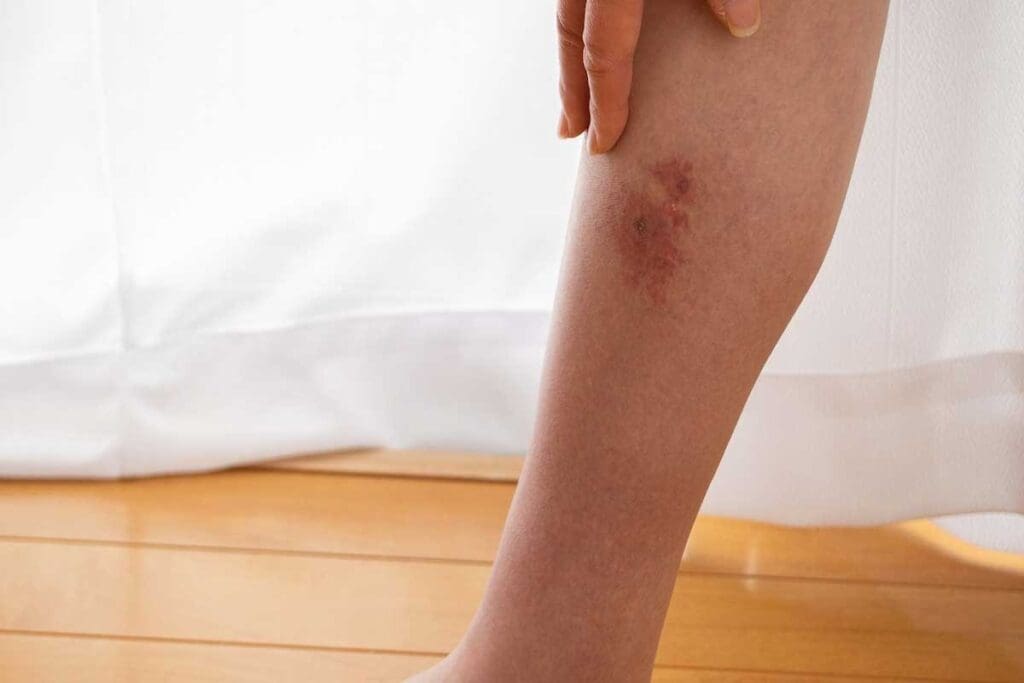
Inner thigh pain can be a worry, wondering if it’s a sign of a deep vein thrombosis (DVT). This pain can show up in many ways. Knowing what it looks like is key to figuring out if it’s from a blood clot.
Distinguishing DVT Pain from Other Leg Pain
DVT pain is different from other leg pains. Muscle strains or sprains cause sharp pain in one spot. But DVT pain is more spread out and lasts longer. It starts as a dull ache or cramp in the inner thigh, getting worse over time.
DVT pain doesn’t get better with rest or usual pain relief. It can stay the same or get worse. This could mean there’s a blood clot.
Characteristics of Blood Clot Pain in the Inner Thigh
Blood clot pain in the inner thigh feels like a cramp or ache. It can be constant or only happen when you put weight on the leg. Sometimes, it’s so bad it makes moving hard.
This pain often comes with swelling, redness, or warmth in the area. These signs are serious and shouldn’t be ignored. They could mean a dangerous condition.
When to Be Concerned About Inner Thigh Pain
Be worried about inner thigh pain if it lasts a long time, is very bad, or comes with swelling or redness. Look out for sudden pain, pain that gets worse, or pain with swelling, warmth, or color changes. If you see these signs, get medical help right away.
Also, know your risk for DVT. This includes recent surgery, being stuck in one place for a long time, or having a family history of blood clots. If you’re at risk and have inner thigh pain, see your doctor fast.
Common Locations of DVT Pain in the Leg
Deep Vein Thrombosis (DVT) can cause pain in different parts of the leg. It’s important to know where this pain usually happens to spot blood clots early.
Pain Location Patterns in DVT
DVT pain can show up in the calf, thigh, or even behind the knee. It’s key to know that DVT can happen in both the upper and lower veins of the leg.
Symptoms of DVT can vary. But common signs include swelling in one leg, warmth, or a swollen foot. Knowing these signs can help catch DVT early.
Blood Clots in the Calf: Symptoms and Sensations
A blood clot in the calf can cause several symptoms, including:
- Pain or tenderness in the calf
- Swelling or redness around the affected area
- Warmth or a feeling of heaviness in the leg
These symptoms might seem small, but they’re serious. They could mean a life-threatening condition.
Upper Leg and Thigh DVT: Specific Warning Signs
DVT in the upper leg or thigh has its own symptoms, such as:
| Symptom | Description |
| Pain or aching | Pain that is often described as a dull ache or heaviness in the thigh |
| Swelling | Swelling that may extend from the thigh down to the calf |
| Redness or discoloration | Visible redness or a change in skin color around the affected area |
Spotting these warning signs is key to getting medical help fast.
Visual and Physical Signs of Blood Clots in Legs
Blood clots in the legs show different signs that are key to spotting early. Knowing these signs can help catch Deep Vein Thrombosis (DVT) before it gets worse.
What Does a Blood Clot Look Like in Your Leg?
A blood clot in the leg might not be easy to see. But, it can show up as swelling, skin color changes (like red or blue), or a cord under the skin. The area might also feel warm or sore.
Swelling Patterns Associated with DVT
Swelling is a big sign of DVT. It happens because the clot blocks blood flow. Swelling can be in one leg or both. Watch for any swelling that’s unusual, with pain or redness.
Skin Changes: Redness, Warmth, and Discoloration
Skin changes are important signs of DVT. The skin might turn red, warm, or change color because of inflammation. Sometimes, it can even look bluish because of the clot.
To understand DVT signs better, here’s a quick rundown:
| Signs | Description |
| Swelling | Localized swelling in one leg, sometimes accompanied by pain |
| Skin Redness/Warmth | The affected area may become red and warm to the touch |
| Discoloration | The skin may take on a bluish tint or become discolored |
| Visible Cord | In some cases, a visible cord can be seen under the skin |
The Sensation of DVT: How Blood Clots Feel
DVT symptoms can differ a lot from one person to another. Some might feel a lot of pain, while others might just feel a little discomfort or nothing at all. Knowing what these feelings are can help catch DVT early and treat it well.
Types of Pain Associated with Blood Clots
Blood clots in the legs can cause different kinds of pain. You might feel a dull ache, a throbbing, or sharp pains. The pain can stay the same or get worse when you stand or walk. Sometimes, the pain is so bad it makes it hard to move.
But, not everyone with DVT feels pain. About 50% of people with DVT say they have pain, while others might just feel tenderness or discomfort without pain.
Can You Feel DVT Through the Skin?
In some cases, you can feel tenderness or pain in the affected area through the skin. But, not all clots can be felt or seen. Doctors say, “Not all clots are visible, and some patients may feel tenderness instead of seeing obvious changes.”
DVT Statistics: Understanding Symptom Prevalence
Many people with DVT have certain symptoms. For example, up to 70% of them have swelling, and 50% have pain. Knowing these numbers can help us understand how common DVT is in different groups.
| Symptom | Prevalence in DVT Patients |
| Swelling | Up to 70% |
| Pain | 50% |
| Tenderness | Variable |
By knowing about the sensations of DVT and how common they are, we can watch out for our symptoms more closely. If we notice anything unusual, we should see a doctor right away.
Differentiating DVT from Other Leg Conditions
Distinguishing between Deep Vein Thrombosis (DVT) and other leg conditions can be tricky. Many people are unsure if their leg pain or swelling is from DVT or something else. Knowing the differences is key to getting the right medical care.
Common Conditions That Mimic DVT Symptoms
Many conditions can have symptoms like DVT, making it hard to diagnose. These include:
- Muscle strains and pulls
- Baker’s cyst
- Cellulitis
- Varicose veins
- Post-thrombotic syndrome
Medical experts say, “The challenge with blood clots is that their symptoms may seem minor or be mistaken for other conditions like muscle strain, a pulled muscle, or even anxiety-related chest pain.” This shows why a detailed medical check-up is vital.
Key Differences Between DVT and Muscle Strains
DVT and muscle strains can both cause leg pain and swelling. But, there are important differences. DVT pain usually lasts longer and might be warm, red, or have skin color changes. Muscle strain pain often comes from activity and gets better with rest.
Key indicators of DVT include:
- Pain or tenderness not related to physical activity
- Swelling that doesn’t improve with elevation
- Warmth or redness of the affected limb
When Swelling Is Not DVT-Related
Not all swelling is from DVT. Other reasons include:
- Heart failure
- Kidney disease
- Lymphatic obstruction
- Infection
It’s important to find out why swelling happens to treat it right. If you have sudden or severe swelling, seek medical help. This is true if you have other concerning symptoms too.
Post-Surgery DVT: Special Considerations
After surgery, patients face a higher risk of Deep Vein Thrombosis (DVT). This condition needs quick attention. Surgeries that keep you immobile for a long time can increase the risk of blood clots in the deep veins, usually in the legs.
Signs of DVT After Surgery
Spotting DVT after surgery can be tricky. Swelling and pain are common after surgery. But, watch out for new or worsening leg pain, swelling that doesn’t get better when you elevate your legs, redness or discoloration, and warmth or tenderness to the touch.
It’s key for patients to keep an eye on their health. If you notice anything unusual or severe, tell your doctor right away.
Why Surgical Patients Are at Higher Risk
Surgical patients are more at risk for DVT for several reasons. Being immobile for a long time during and after surgery can cause blood to pool in the legs. This increases the chance of clots forming. Also, surgery can damage veins, making the risk even higher.
Preventive Measures for Post-Surgical Patients
To prevent DVT in post-surgical patients, we use both mechanical and pharmacological methods. Mechanical methods include wearing compression stockings and using intermittent pneumatic compression devices. Pharmacological prophylaxis involves giving anticoagulant medications to stop clots from forming.
| Preventive Measure | Description | Benefit |
| Compression Stockings | Special hosiery that compresses the legs to improve blood flow | Reduces risk of clot formation by making venous return better |
| Intermittent Pneumatic Compression | Devices that periodically compress the legs | Improves blood flow and cuts down on stasis |
| Anticoagulant Medications | Drugs that prevent blood clotting | Lessens the risk of DVT by stopping clot formation |
Moving around early after surgery is also key. Patients should try to move their legs and get out of bed as soon as they can. This helps lower the risk of DVT.
Diagnosing and Treating DVT: Medical Interventions
Quickly finding and treating DVT can lower the chance of serious problems. If you think you might have DVT, see a doctor right away.
When to Call Your Doctor vs. When to Go to the ER
If you have DVT symptoms like leg pain or swelling, call your doctor. But, if you’re having trouble breathing, chest pain, or severe leg pain, go to the emergency room.
Emergency situations include:
- Shortness of breath
- Chest pain or pressure
- Fainting or feeling faint
- Severe pain or swelling in one leg
Diagnostic Tests for Suspected DVT
Tests for DVT include:
| Test | Description |
| Ultrasound | Uses sound waves to see blood vessels and find clots. |
| D-dimer Blood Test | Checks D-dimer levels, a sign of clot dissolving. |
| Venography | An X-ray test that uses contrast to see veins. |
Doctors say ultrasound is the best first test for DVT. It’s safe and works well.
“The use of ultrasound has revolutionized the diagnosis of DVT, allowing for rapid and accurate detection of blood clots.”
– Medical Journal
Treatment Options for Confirmed Blood Clots
For DVT, doctors use medicines to stop the clot from getting bigger. They also use them to stop new clots. Sometimes, they use special therapy to break up the clot.
Some treatments are:
- Anticoagulant medicines (like warfarin or rivaroxaban)
- Thrombolytic therapy
- Compression stockings to help with swelling
It’s key to follow your doctor’s advice on treatment and care. This helps manage DVT well.
Conclusion: Taking Action Against DVT
Spotting Deep Vein Thrombosis (DVT) early can be a lifesaver. Quick action and treatment can stop serious problems like pulmonary embolism. We’ve talked about DVT signs, like pain in the inner thigh, swelling, and skin changes.
To fight DVT, knowing the risks and symptoms is key. Preventing it means understanding its causes, like after surgery, and taking steps to avoid it. Being informed and watchful can lower your DVT risk.
Seeing DVT signs is the first step to avoiding its dangers. If you have ongoing leg pain or swelling, get medical help fast. Our doctors can diagnose and treat DVT quickly, stopping serious issues.
FAQ
What are the common symptoms of Deep Vein Thrombosis (DVT) in the leg?
Symptoms of DVT include pain, swelling, and redness in the leg. You might also feel a heavy or aching feeling. These symptoms usually happen in the calf or thigh.
Can inner thigh pain be a sign of a blood clot?
Yes, inner thigh pain could mean a blood clot, if it’s with swelling, redness, or warmth. Always check with a doctor to find out why you’re in pain.
How can I tell if my leg pain is due to DVT or a muscle strain?
DVT pain is usually worse and lasts longer than muscle strain. Swelling, redness, or warmth in the leg could be DVT. See a doctor for a correct diagnosis.
What are the risk factors for developing DVT?
DVT risk factors include recent surgery, long bed rest, and cancer. Family history and genetic blood clotting issues also increase risk.
Can DVT be treated, and what are the treatment options?
Yes, DVT can be treated. Doctors use anticoagulant meds to stop clot growth. Sometimes, thrombolytic therapy or surgery is needed.
How is DVT diagnosed?
Doctors use physical exams, medical history, and imaging tests like ultrasound or venography to diagnose DVT.
What are the signs of DVT after surgery?
After surgery, DVT signs are pain, swelling, redness, or warmth in the legs. You might also feel a heavy or aching feeling.
How can post-surgical patients reduce their risk of developing DVT?
Post-surgical patients can lower DVT risk by following doctor’s orders, staying hydrated, and doing gentle exercises as advised.
Can you feel DVT through the skin?
Sometimes, you can feel a tender cord or swelling in the affected area. But, many people with DVT don’t notice symptoms until the clot grows a lot.
What should I do if I suspect I have DVT?
If you think you have DVT, get medical help right away. Call your doctor or go to the emergency room for severe symptoms or if unsure.
Reference
- Centers for Disease Control and Prevention (CDC). About Venous Thromboembolism (Blood Clots). This page covers symptoms, risks, prevention, and treatment of blood clots.