

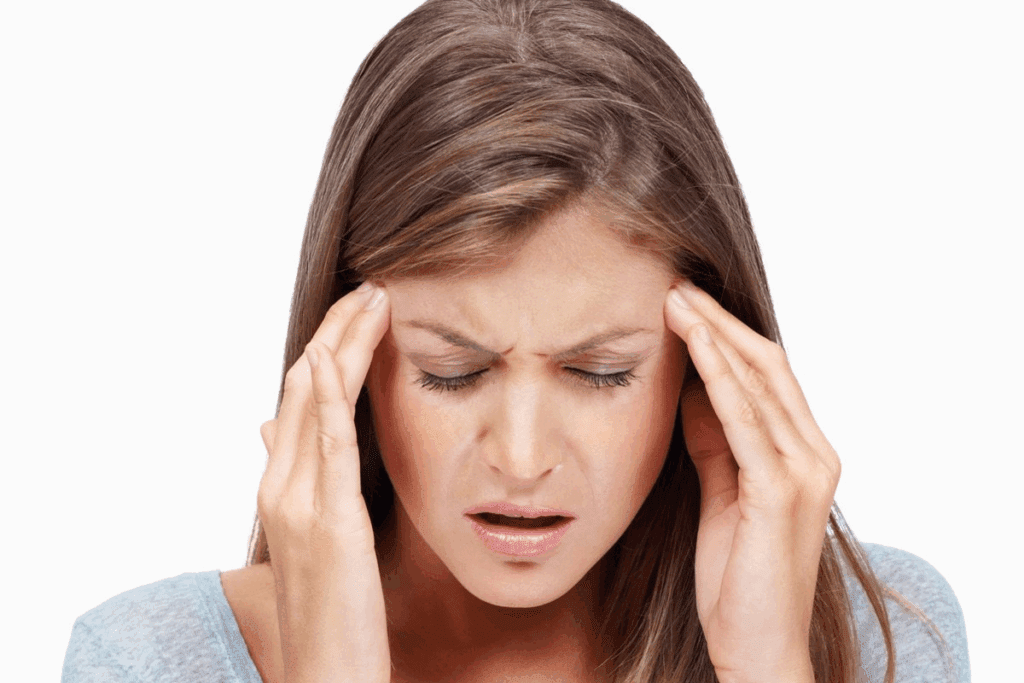
Many people deal with headaches that come from jaw problems and TMJ disorders. Knowing this link might help you find relief from constant pain.
Jaw issues and headaches are connected in both ways. TMJ disorders can lead to head and neck pain, and vice versa. Studies show that TMJ disorders and headaches are linked, making proper diagnosis and treatment key.
At Liv Hospital, we use the latest diagnostic tools and team care to find and treat jaw-related headaches. We make sure you get all the help you need.
Wondering “can jaw problems cause headaches?” Get the surprising answer. This guide explains the critical link, symptoms, and proven relief.
Key Takeaways
- TMJ disorders can cause pain, clicking, and trouble chewing, often leading to headaches.
- The relationship between jaw issues and headaches is bidirectional.
- Proper diagnosis is critical for effective treatment.
- Liv Hospital offers a patient-centered approach to treating jaw-related headaches.
- Multidisciplinary care is essential for complete support.
The Connection Between Jaw Problems and Headaches
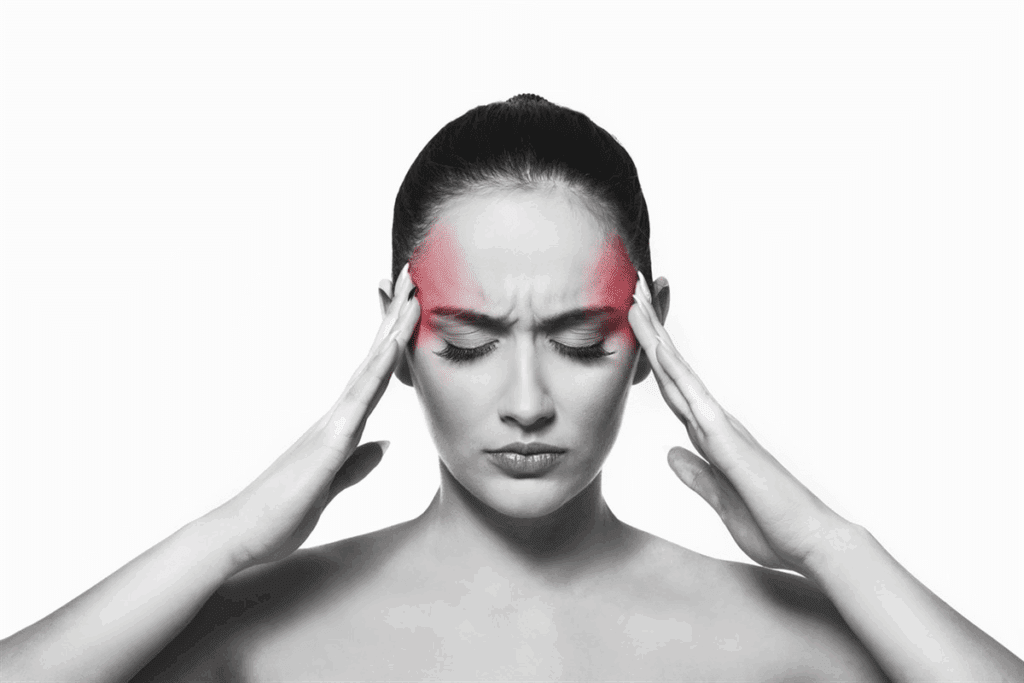
Headaches and jaw pain often go hand in hand. Studies show they affect each other in a complex way. This is because of the temporomandibular joint (TMJ), which links the jawbone to the skull.
Understanding the Temporomandibular Joint (TMJ)
The TMJ is like a hinge that lets us open and close our mouths. Problems with this joint can cause pain in the jaw and headaches. The TMJ’s complex anatomy and its close connection to nerves and muscles play a big role in headaches.
When the TMJ is hurt, it can send pain to the head, causing different kinds of headaches. This pain can come from inflammation, muscle tension, or nerve irritation around the TMJ.
The Bidirectional Relationship: Jaw Pain and Headaches
The link between jaw pain and headaches works both ways. Jaw problems can lead to headaches, and headaches can make jaw pain worse. This makes it hard for patients, as treating one issue might need to address the other.
| Condition | Effect on Jaw | Effect on Headaches |
|---|---|---|
| Jaw Disorders | Pain and limited mobility | Increased frequency and severity |
| Headaches | Exacerbated jaw pain and tension | – |
It’s key to understand this two-way relationship for effective treatment. By tackling jaw disorders and headaches together, doctors can give better care to their patients.
Can Jaw Problems Cause Headaches? The Scientific Evidence

Research has found a strong link between TMJ disorders and headaches. This connection is backed by a lot of scientific evidence. We will look into this in this section.
Research Findings on TMJ Disorders and Headaches
Many studies have looked into the link between TMJ disorders and headaches. They have found interesting results. For example, people with TMJ disorders often have more and worse headaches than others.
The number of TMJ symptoms in headache sufferers is much higher than in those without headaches.
A study in a well-known medical journal found something interesting. 52-55% of patients with headaches also had TMJ symptoms. This shows how often TMJ disorders and headaches go together.
Statistics on Headache Patients with TMJ Symptoms
Statistics on headache patients with TMJ symptoms are quite telling. Research has shown that:
- A big part of patients with tension-type headaches have TMJ symptoms.
- Migraine sufferers often have jaw pain and dysfunction.
- Having TMJ disorders can make headaches worse.
This suggests a complex relationship between jaw function and headaches.
Recent Studies and Medical Consensus
Recent studies have strengthened the evidence linking TMJ disorders to headaches. For example, a study found that treating TMJ dysfunction can really help reduce headache frequency. Doctors are now seeing the importance of looking at TMJ disorders when treating headaches.
Healthcare professionals agree that checking and treating TMJ dysfunction is key to managing headaches well. As we learn more about jaw problems and headaches, our treatment methods are improving too.
How Jaw Problems Lead to Headaches: The Mechanism
Jaw issues can cause headaches through complex nerve and muscle interactions. The temporomandibular joint (TMJ) and its surroundings are key. TMJ problems can start a chain of events leading to headaches.
The Role of the Trigeminal Nerve
The trigeminal nerve plays a big role in headaches from jaw problems. It handles sensory information from the face, including the jaw. When the TMJ gets irritated or inflamed, it can send pain signals to the brain through this nerve.
“The trigeminal nerve’s role in headache pathophysiology is well-established, and its connection to TMJ dysfunction is a critical area of study.”
The trigeminal nerve’s complex interactions and wide coverage make it key in pain referral from the jaw to the head. Its stimulation can cause different types of headaches, like migraines and tension headaches.
Muscle Tension Pathways from Jaw to Head
Muscle tension is another way jaw problems cause headaches. The jaw muscles are connected to neck and scalp muscles. When jaw muscles get tense or overactive, this tension can spread to the head, causing headaches. Muscle tension headaches are a common outcome of this process.
The muscle tension pathway from jaw to head involves many muscle groups. For example, the masseter and temporalis muscles, which help with jaw movement, are linked to other head and neck muscles. This connection lets jaw tension spread to other areas, causing headache pain.
Referred Pain Patterns in the Face and Head
Referred pain is when pain is felt in a different place than where it starts. Jaw problems can cause pain to be felt in the face and head. The TMJ and nearby muscles can send pain to the temples, forehead, or ears. This can show up as headaches or facial pain, making diagnosis and treatment tricky.
Understanding referred pain patterns is key to diagnosing and treating headaches from jaw problems. By knowing where pain can be referred from, healthcare providers can create better treatment plans. These plans can target the root causes of headache symptoms.
Types of Headaches Associated with Jaw Problems
Jaw issues can cause different headaches, making life harder for those with TMJ disorders. The link between jaw problems and headaches is complex. It involves many physiological pathways.
Tension Headaches from TMJ Disorders
Tension headaches are common with TMJ disorders. Tension in jaw muscles can spread to the temples. This causes a dull, aching feeling around the head.
Characteristics of Tension Headaches:
- Dull, aching pain
- Sensation of pressure around the forehead
- Triggered or worsened by jaw clenching or grinding
Migraine-Like Symptoms Related to Jaw Dysfunction
Migraine-like symptoms can also be caused by jaw problems. These migraines can be very painful. They often come with nausea, light sensitivity, and sound sensitivity.
| Symptom | Description |
|---|---|
| Severe Pain | Pain is often unilateral and throbbing |
| Nausea and Vomiting | Common accompanying symptoms |
| Sensitivity to Light and Sound | Photophobia and phonophobia are typical |
Other Headache Types Connected to Jaw Issues
Other headaches like cluster headaches and chronic daily headaches can also be linked to jaw problems. TMJ dysfunction can trigger or make these headaches worse.
Knowing the type of headache caused by jaw issues is key to finding the right treatment. We suggest talking to a healthcare professional for a proper diagnosis and treatment plan.
Common Symptoms of TMJ-Related Headaches
TMJ headaches can be very painful. They often feel like tension headaches, with pressure or a dull ache on one or both sides of the head. Knowing these symptoms is key for the right diagnosis and treatment.
Pain Patterns and Locations
TMJ headaches usually cause pain in the temples, forehead, or around the eyes. The pain can be on one side or both and can change in intensity. Some people feel pain in the upper jaw and headache at the same time, which is a sign of TMJ issues.
The pain from TMJ headaches can feel like a dull ache or sharp stabbing. It might also feel tight or pressurized in the jaw.
Accompanying Jaw Symptoms
People with TMJ headaches often have jaw symptoms too. These can include:
- Jaw pain or tenderness
- Clicking or popping sounds when opening or closing the mouth
- Difficulty chewing or discomfort while eating
- Locking of the jaw
- Headache and pain in jaw that gets worse with jaw movement
How to Differentiate TMJ Headaches from Other Types
It’s important to tell TMJ headaches from other headaches. TMJ headaches are marked by headache tight jaw and jaw symptoms. A healthcare professional needs to examine you to find the cause of your headache.
The table below shows the main differences between TMJ headaches and other headache types:
| Headache Type | Characteristics | Associated Symptoms |
|---|---|---|
| TMJ Headache | Pain in temples, forehead, or around eyes; dull ache or sharp pain | Jaw pain, clicking or popping sounds, difficulty chewing |
| Tension Headache | Band-like pressure around the head; mild to moderate pain | Neck pain, muscle tension |
| Migraine | Severe, throbbing pain; often unilateral | Nausea, vomiting, sensitivity to light and sound |
Causes and Risk Factors for Jaw-Related Headaches
Many factors can lead to headaches linked to jaw issues. Knowing these causes helps in preventing and treating them.
Teeth Grinding and Clenching (Bruxism)
Bruxism, or teeth grinding and clenching, is a big risk for jaw headaches. It happens mostly when we sleep and strains the TMJ and muscles. This strain can cause pain and tension that spreads to the head.
Jaw Misalignment and Malocclusion
Jaw misalignment and malocclusion can also cause TMJ disorders and headaches. When teeth don’t fit right, chewing puts uneven force on the TMJ. This strain can hurt the TMJ and surrounding areas.
Stress and Anxiety
Stress and anxiety can lead to bruxism and TMJ tension. When stressed, we often clench our jaws and grind our teeth. This muscle tension can cause headaches. So, why do we hurt our jaw and head when stressed? It’s because our body tightens muscles and becomes more sensitive to pain under stress.
Trauma and Injury
Getting hurt in the jaw, like a face blow or whiplash, can cause TMJ disorders and headaches. The trauma can damage the joint and tissues, leading to pain and dysfunction. This can show as jaw and head pressure, among other symptoms.
| Cause | Description | Associated Symptoms |
|---|---|---|
| Bruxism | Teeth grinding and clenching | Jaw pain, headaches, worn teeth |
| Jaw Misalignment | Poor fit between upper and lower teeth | TMJ pain, clicking, difficulty chewing |
| Stress and Anxiety | Increased muscle tension due to stress | Headaches, jaw clenching, facial pain |
| Trauma and Injury | Physical injury to the jaw | Jaw pain, limited mobility, headaches |
Diagnosing Jaw Problems That Cause Headaches
To figure out if jaw issues lead to headaches, doctors follow a detailed process. This is key to finding the real cause and creating a good treatment plan.
Medical Evaluation Process
The first step is a thorough medical check-up. Doctors look at the patient’s medical history to see if past health problems might be causing the headaches. They also check the jaw’s function for signs of temporomandibular joint (TMJ) disorders.
They might check how well the jaw moves, look for pain or tenderness in the TMJ, and examine the bite. By understanding the patient’s symptoms and past health, doctors can start to figure out what might be causing the headaches.
Imaging and Tests
Sometimes, imaging tests are needed to confirm the diagnosis. These can include X-rays, CT scans, or MRI scans. These tests let doctors see the TMJ and nearby areas to spot any problems or damage.
They might also do tests to check how well the TMJ and muscles work. This can include electromyography (EMG) to see how muscles work or a jaw tracking device to watch how the jaw moves.
Differential Diagnosis Considerations
When figuring out jaw problems that lead to headaches, it’s important to think about other possible causes. This means ruling out other conditions like migraines, tension headaches, or facial pain.
A differential diagnosis is key to making sure the treatment is aimed at the right cause. By carefully looking at the patient’s symptoms and health history, doctors can make a diagnosis that accurately shows what’s causing the headaches.
Treatment Options for TMJ-Related Headaches
Understanding how to treat TMJ-related headaches is key to managing them well. TMJ disorders can cause headaches that are mild or very severe. Luckily, there are many ways to ease these symptoms.
Conservative Approaches and Self-Care
First, try conservative treatments for TMJ headaches. Start with self-care like eating soft foods and avoiding big jaw movements. Stress-reducing activities like meditation or yoga can also help.
Using heat or cold packs on your jaw can also ease pain. Good sleep habits and avoiding teeth grinding during the day are also important. Being mindful of your jaw and posture can make a big difference too.
Dental Interventions
Dental treatments are often needed to fix TMJ headaches. Bite guards or splints can stop teeth grinding and clenching. Orthodontic treatment might be suggested to fix teeth alignment or bite problems.
A dentist will check your bite and suggest the best dental treatment. Sometimes, dental work like restorations or adjustments are needed to align your teeth right and ease TMJ strain.
Physical Therapy and Exercises
Physical therapy is vital for TMJ headaches. A physical therapist will create a plan to strengthen your jaw muscles and improve jaw movement. They might use gentle stretches, massages, and posture exercises.
These exercises can be done at home, helping you manage your symptoms better. Regular physical therapy can greatly improve TMJ function and reduce headaches.
Medications for Pain Relief
Medicines can help with TMJ headache symptoms. Over-the-counter pain relievers like ibuprofen or acetaminophen are common choices. Muscle relaxants might be prescribed for jaw tension.
For severe cases, a doctor might suggest other medicines or treatments. It’s important to work with a healthcare professional to find the right medicine and dosage.
| Treatment Option | Description | Benefits |
|---|---|---|
| Conservative Approaches | Eating soft foods, stress reduction, heat/cold therapy | Reduces symptoms, easy to implement |
| Dental Interventions | Custom-fitted bite guards, orthodontic treatment | Addresses underlying causes, long-term relief |
| Physical Therapy | Jaw exercises, stretching, massage | Improves jaw mobility, reduces pain |
| Medications | Pain relievers, muscle relaxants | Quick symptom relief, manageable |
Living with TMJ Disorders: Long-Term Management
Living with TMJ disorders can be tough, but the right management can help a lot. TMJ disorders affect the jaw and can cause headaches and facial pain. They can impact your life in many ways.
Lifestyle Adjustments for Chronic Sufferers
Changing your lifestyle is key to managing TMJ disorders. Eating soft foods like yogurt and cooked pasta helps. Avoiding hard or chewy foods is also important.
Good jaw hygiene is essential. This means not clenching or grinding your teeth. Stress management is also vital. Activities like meditation and yoga can help reduce jaw tension.
Coping Strategies for Flare-Ups
TMJ disorder symptoms can sometimes get worse. Having strategies for these times is important. Applying heat or cold packs to the jaw can help. Gentle jaw exercises and using a mouthguard at night can also provide relief.
Knowing the signs of a flare-up is important. This includes increased pain or jaw clicking. Taking steps early can help manage these symptoms.
Support Resources and Communities
Living with TMJ disorders can feel isolating. But, there are many support groups out there. Joining a support group can connect you with others who understand.
Healthcare professionals, like dentists, can also offer help. They can provide personalized advice and treatment plans.
When to See a Doctor for Jaw Pain and Headaches
Jaw pain and headaches can really hurt. Knowing when to see a doctor is important for feeling better. If your symptoms don’t go away or get worse, it’s time to get help.
Warning Signs That Require Medical Attention
Some signs mean you should see a doctor. These include:
- Constant pain or tenderness in the jaw
- Inability to open or close your jaw completely
- Headaches that worsen over time or are accompanied by other concerning symptoms like dizziness or nausea
- Jaw pain triggered or worsened by chewing or talking
- A clicking or grating sound when you open or close your mouth
If you notice any of these, you should get medical help. Early diagnosis can lead to more effective treatment and better outcomes.
Which Specialist to Consult
For jaw pain and headaches, you might need to see more than one doctor. First, talk to your primary care doctor. They can refer you to:
- A dentist or a specialist in temporomandibular joint (TMJ) disorders if your symptoms are related to jaw alignment or teeth grinding
- A neurologist if your headaches are migraines or if there’s a concern about other neurological causes
- An ear, nose, and throat (ENT) specialist if there are concerns about related structures
Questions to Ask Your Healthcare Provider
Being ready for your doctor’s visit can help a lot. Think about asking:
- What is the underlying cause of my jaw pain and headaches?
- Are there any lifestyle changes or self-care measures that can help alleviate my symptoms?
- What treatment options are available, and which do you recommend for my specific case?
- Are there any possible complications or long-term effects if left untreated?
| Symptom | Possible Cause | Recommended Action |
|---|---|---|
| Persistent jaw pain | TMJ disorder | Consult a dentist or TMJ specialist |
| Headaches on one side | Migraine or jaw misalignment | See a neurologist or dentist |
| Clicking sound when opening the mouth | TMJ disorder | Consult a TMJ specialist |
Knowing when to get medical help for jaw pain and headaches can really improve your life. By spotting warning signs and seeing the right doctors, you can find relief and treatment.
Conclusion
We’ve looked into how jaw issues and headaches are connected. The temporomandibular joint (TMJ) plays a big part in headaches. Studies show jaw tension can cause different types of headaches, like tension headaches and migraines.
Yes, jaw problems can lead to headaches. Headaches and jaw pain often go hand in hand. The trigeminal nerve is key in this connection. Knowing how jaw tension causes headaches helps in managing symptoms and finding the right treatment.
Fixing TMJ disorders is key to handling headaches. Treatment options range from simple self-care to physical therapy and pain meds. With the right plan, people can lessen their headache frequency and severity.
FAQ
Can a headache cause jaw pain or is it always the other way around?
Jaw pain and headaches can go both ways. Jaw issues can lead to headaches. Sometimes, headaches can also cause jaw tension and pain.
What are the common symptoms of TMJ-related headaches?
TMJ headaches often show up as pain in different spots. You might also feel jaw symptoms like clicking or locking. Knowing these signs can help tell if it’s a TMJ headache.
How do TMJ disorders lead to headaches?
TMJ disorders can cause headaches in several ways. The trigeminal nerve plays a role. Muscle tension from the jaw can also affect the head. And, pain can be referred to the face and head.
What are the treatment options for TMJ-related headaches?
Treatments vary based on the severity. They include self-care, dental treatments like bite guards, physical therapy, and pain medications. The right treatment depends on the cause.
Can stress and anxiety cause jaw-related headaches?
Yes, stress and anxiety can lead to TMJ disorders and headaches. They can cause teeth grinding and muscle tension.
How are TMJ disorders diagnosed in relation to headaches?
Diagnosing TMJ disorders involves a medical evaluation. This may include imaging and tests. It’s also important to rule out other causes of pain.
What lifestyle adjustments can help manage TMJ disorders and related headaches?
Making lifestyle changes can help. Avoid hard foods, reduce stress, and keep good posture. These steps can manage TMJ disorders and headaches.
When should I see a doctor for jaw pain and headaches?
See a doctor if you have persistent or severe jaw pain and headaches. Look for other symptoms like trouble chewing or jaw locking. If pain affects your daily life, seek help.
What specialists should I consult for TMJ-related headaches?
You might need to see a dentist for TMJ disorders, a neurologist for headaches, or an orofacial pain specialist for overall care. The right specialist depends on the cause.
Are there any support resources available for people living with TMJ disorders?
Yes, there are many support resources. You can find online communities and in-person groups. They offer information, strategies, and emotional support for TMJ disorder management.
References
National Center for Biotechnology Information. Jaw Problems: A Trigger for Headaches. Retrieved from https://www.ncbi.nlm.nih.gov/pmc/articles/PMC5639910/




