
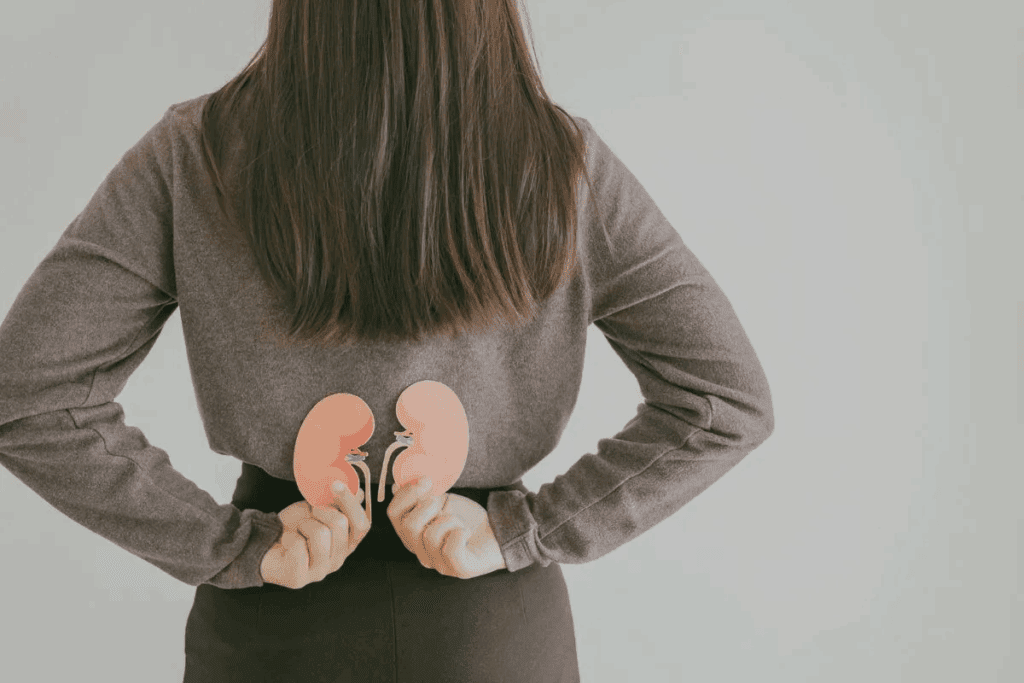
Kidney stones are hard mineral and salt deposits that form in the kidneys. They affect a lot of people. These deposits can lead to excruciating pain and other symptoms. One of the lesser-known effects of kidney stones is their ability to cause gastrointestinal problems.Can kidney stones cause constipation? Learn about the link between kidney pain, inflammation, and digestive issues like constipation.
Many patients with kidney stones experience constipation, bloating, and gas. This is because there’s a link between kidney stones and digestive issues. Knowing this connection is key for those affected. It helps in managing symptoms better.
Key Takeaways
- Kidney stones can lead to gastrointestinal complications.
- Constipation and bloating are common among patients with kidney stones.
- The connection between kidney stones and digestive issues is rooted in physiological processes.
- Managing kidney stones requires understanding their broader impact on the body.
- Patients with kidney stones should be aware of the possible gastrointestinal symptoms.
What Are Kidney Stones and Who Gets Them?
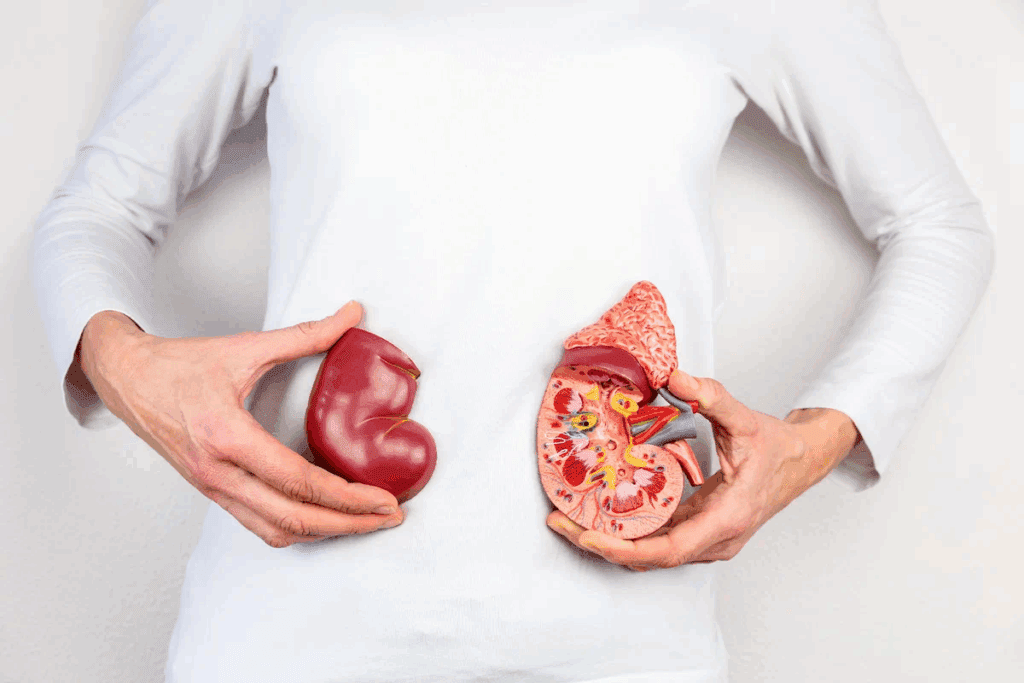
Kidney stones are hard deposits made of minerals and salts. They form inside the kidneys. These stones can vary in size and composition. Their formation is influenced by genetics, diet, and environment.
Definition and Formation of Kidney Stones
Kidney stones are usually made of calcium oxalate, calcium phosphate, uric acid, or struvite. They form when there’s an imbalance in urine minerals, causing crystallization. Dehydration, diet, and certain conditions can cause this imbalance.
Prevalence and Risk Factors
Kidney stones affect some groups more than others. Genetic predisposition, dehydration, diet, and medical history are key factors. A diet high in sodium and low in calcium increases risk.
Other risk factors include obesity, certain medications, and gastrointestinal diseases. Knowing these factors helps prevent kidney stones.
Types of Kidney Stones
There are several types of kidney stones, each with different causes and risk factors. The main types include:
- Calcium oxalate stones
- Calcium phosphate stones
- Uric acid stones
- Struvite stones
Each type of stone has distinct characteristics and is associated with different risk factors.
Type of Stone | Common Causes | Risk Factors |
Calcium Oxalate | Diet high in oxalate, dehydration | Genetic predisposition, certain diets |
Uric Acid | Low urine pH, dehydration | Gout, obesity, certain diets |
Struvite | Urinary tract infections (UTIs) | UTIs, urinary tract abnormalities |
Calcium Phosphate | High urine pH, certain metabolic disorders | Renal tubular acidosis, certain medications |
In conclusion, kidney stones are complex formations influenced by various factors. Understanding their definition, prevalence, risk factors, and types is essential for prevention and management.
The Relationship Between Urinary and Digestive Systems

It’s important to understand how kidney stones can impact your digestive health. The kidneys and intestines are closely connected, both in structure and function.
Anatomical Proximity of Kidneys and Intestines
The kidneys sit at the back of the abdominal space, near the intestines. This anatomical proximity means kidney stones can irritate the intestines. This irritation can affect how well you move your bowels.
Shared Nerve Pathways and Pain Signals
The kidneys and intestines share nerve connections. The renal plexus around the kidneys is linked to the celiac plexus of the intestines. This connection can cause pain or discomfort in the abdomen when you have kidney stones.
How Inflammation in One System Affects the Other
Inflammation in the urinary tract, like from kidney stones, can harm the digestive system. The kidneys’ close location to the intestines allows inflammation to spread. This can disrupt bowel function and cause symptoms like constipation or bloating.
Also, the body’s reaction to kidney stone pain can impact digestion. For example, pain meds for kidney stone pain can upset your stomach.
Can Kidney Stones Cause Constipation?
Whether kidney stones can cause constipation is a complex question. Kidney stones mainly affect the urinary system. Yet, they can also impact digestive health, including bowel movements.
Direct Mechanisms of Constipation
Kidney stones don’t directly block the intestines. But, the pain they cause can lead to behaviors that might cause constipation.
Pain and Reduced Mobility: Severe pain from kidney stones can make it hard to move. This can lead to less physical activity. Less activity can slow down bowel movements, causing constipation.
Indirect Mechanisms of Constipation
There are indirect ways kidney stones can cause constipation. These include:
- Medication Side Effects: Opioid pain medications can slow down gut motility, leading to constipation.
- Dehydration: Not drinking enough water, often due to nausea or vomiting, can cause dehydration. This can make urine more concentrated and lead to constipation.
- Inflammation: The inflammation from kidney stones can affect nearby structures, including the intestines. This can change bowel habits.
Research Evidence on Kidney Stones and Constipation
Studies have looked into the link between kidney stones and constipation. A study in the Journal of Urology found that people with kidney stones were more likely to have constipation.
Study | Sample Size | Findings |
Journal of Urology Study | 1,000 participants | Individuals with kidney stones had a higher incidence of constipation. |
European Urology Study | 500 participants | Constipation was more common in patients with larger kidney stones. |
These studies show a link between kidney stones and constipation. The exact reasons are complex, involving pain, medication, and inflammation.
Kidney Stones and Bloating: Understanding the Connection
The link between kidney stones and bloating is complex. Kidney stones cause severe pain but also lead to digestive issues like bloating.
Triggering Bloating
Kidney stones can cause bloating in several ways. The pain and inflammation from stones slow down the gut. This results in bloating and discomfort.
Inflammation and Gut Motility: The body’s inflammation from stones slows down the gut. This leads to gas buildup and bloating. Many patients with kidney stones experience this.
Gas Formation During Kidney Stone Episodes
During a kidney stone episode, gas buildup is common. This is due to the body’s stress response to pain and slowed digestion.
Patient Reports: Many patients find bloating and gas as distressing as the pain from stones. These symptoms can be just as bothersome.
Patient Experiences with Bloated Stomach and Kidney Stones
Patient experiences vary, but bloating and discomfort are common during kidney stone episodes. These symptoms can be as bothersome as the pain.
- Bloating and discomfort are common during kidney stone episodes.
- The severity of bloating can vary from patient to patient.
- Understanding the link between kidney stones and digestive symptoms is key for better care.
Healthcare providers can offer better care by understanding the connection between kidney stones and bloating. This way, they can address both the stone and the digestive discomfort.
Pain Medications and Digestive Side Effects
Treating kidney stones often means using pain meds that can upset your stomach. These meds can cause constipation and bloating. Finding the right balance is key to easing pain without upsetting your stomach.
Opioid Analgesics and Gastrointestinal Motility
Opioids are often used for severe pain from kidney stones. But, they can slow down your gut, leading to constipation. Opioids bind to receptors in the brain and gut, slowing down digestion. This makes it hard to pass stools, adding to the discomfort.
Here are some important points about opioids and digestion:
- They slow down bowel movements
- Make stools harder by absorbing more water
- Make it harder to pass stools by tightening the anal sphincter
Non-Steroidal Anti-Inflammatory Drugs (NSAIDs) Effects
NSAIDs are another option for pain from kidney stones. They don’t usually cause constipation. But, they can irritate your stomach and increase the risk of ulcers. It’s important to consider the benefits against the risks to your stomach.
NSAIDs can affect your stomach in different ways, including:
- Causing stomach irritation and inflammation
- Increasing the risk of bleeding in the gut
- Potentially harming your kidneys with long-term use
Alternative Pain Management Approaches
Looking for ways to manage pain without traditional meds is becoming more popular. Options include:
- Drinking plenty of water to help pass the stone
- Medical treatments to help move the stone
- Non-medical methods like heat therapy or acupuncture
Exploring these alternatives can help reduce stomach problems from traditional pain meds. This offers a more complete way to handle kidney stone pain.
Large Kidney Stones: Physical Pressure on Intestines
Kidney stones that grow big can put a lot of pressure on nearby organs. The size and where the stones are located are key to how they affect organs like the intestines.
How Stone Size Affects Surrounding Organs
Big kidney stones can take up a lot of space in the kidney. They can press on the intestines, causing stomach problems.
The kidneys and intestines are close together. So, big stones can mess with how we move our bowels. This can lead to constipation or other stomach issues.
Mechanical Interference with Bowel Movements
The pressure from big kidney stones can mess with how our bowels work. This can cause bowel motility issues, leading to constipation or other bowel problems.
The pressure can also cause pain or discomfort. This pain can get worse when the stone moves or when our body tries to pass it. This discomfort can also change how we move our bowels.
Detecting Intestinal Compression from Kidney Stones
To find out if kidney stones are pressing on the intestines, doctors use imaging tests. CT scans or ultrasounds can show the stone’s size, location, and how it affects nearby organs.
It’s important to understand how big kidney stones and intestinal compression are linked. This helps doctors come up with good treatment plans for both the stone and the stomach problems it causes.
Recognizing Symptoms: Is It Kidney Stones or Something Else?
Kidney stones can be tricky to diagnose because their symptoms can be misleading. They often cause severe pain, but symptoms like constipation and bloating can be mistaken for other issues.
Classic Symptoms of Kidney Stones
Kidney stones are known for causing intense pain, often described as the worst pain people can feel. This pain, called renal colic, starts in the back and can spread to the groin or belly. Other signs include hematuria (blood in the urine), urinary urgency, and frequent urination.
When Constipation and Bloating Accompany Kidney Stones
Kidney stones can sometimes cause constipation and bloating, making diagnosis harder. The pain from stones can make it hard to move, leading to constipation. Also, some pain medicines, like opioids, can make constipation worse.
Bloating might happen because of the body’s reaction to the stone, causing inflammation and gas retention. It’s important to know that while constipation and bloating can be signs of kidney stones, they can also mean other stomach problems.
Conditions That Mimic Kidney Stone Symptoms
Many conditions can look like kidney stones, making it hard to diagnose. These include:
- Appendicitis
- Diverticulitis
- Inflammatory bowel disease
- Ovarian torsion or cysts
- Urinary tract infections
To tell kidney stones apart from these conditions, a detailed medical check-up is needed. The table below shows the main differences:
Condition | Primary Symptoms | Differentiating Factors |
Kidney Stones | Severe flank pain, hematuria | Pain radiates to groin, urinary symptoms |
Appendicitis | Abdominal pain, fever, nausea | Pain starts near navel, moves to lower right abdomen |
Diverticulitis | Lower abdominal pain, fever | Pain is usually on the left side, changes in bowel habits |
Getting the right diagnosis is key to proper treatment. We need to look at all symptoms and might use imaging tests to confirm kidney stones.
When to Seek Medical Help for Kidney Stones and Digestive Symptoms
Knowing when to get medical help is key for those with kidney stones and digestive problems. Kidney stones can cause a lot of pain. Adding digestive issues like constipation and bloating makes things worse.
Warning Signs Requiring Immediate Attention
Some symptoms mean you need to see a doctor fast. Look out for severe pain, fever, constant vomiting, and trouble passing urine or stool. If you see these warning signs, get help right away.
- Severe pain that radiates to the lower abdomen or groin
- Fever and chills, indicating a possible infection
- Persistent vomiting that prevents keeping down fluids or medication
- Inability to urinate or pass stool, which can lead to further complications
Persistent Constipation Concerns
Constipation is common with kidney stones. But, if it lasts more than a few days or is very painful, see a doctor. This is important.
Keep an eye on your symptoms and any changes. This info is helpful when talking to doctors.
Diagnostic Approaches for Complex Symptoms
Figuring out complex symptoms needs a detailed plan. Doctors might use diagnostic tools like CT scans or ultrasounds. This helps them understand the situation better.
A full check-up, including your medical history and physical exam, is also done. This approach helps find the best treatment for your kidney stones and digestive issues.
Treatment and Management Strategies
Managing kidney stones and digestive symptoms needs a detailed plan. This plan includes medical treatments, lifestyle changes, and ways to prevent future problems. It helps ease symptoms and stops stones from coming back.
Addressing Kidney Stones
The treatment for kidney stones varies based on their size, location, and type. Small stones might just need pain relief and lots of water to pass. But bigger stones might need more serious treatments like Extracorporeal Shock Wave Lithotripsy (ESWL) or surgery.
It’s important for patients to drink a lot of water after treatment. This helps get rid of stone pieces. Doctors might also give pain medicine and antibiotics to prevent infections.
Relieving Constipation and Bloating
To ease constipation and bloating, changing your diet and lifestyle helps. Eating more fiber from fruits, veggies, and whole grains can help your bowels. Drinking enough water is also key to prevent constipation and keep your bowels regular.
Avoiding foods that make you bloated, like carbonated drinks and beans, is also helpful. Regular exercise keeps your digestive system healthy.
Hydration and Lifestyle Modifications
Drinking enough water is vital to prevent kidney stones and ease digestive issues. We tell patients to drink at least 2 liters of water a day. Eating right and exercising regularly are also important for managing kidney stones and digestive problems.
Limiting sodium and animal protein can also help prevent stones. Keeping a healthy weight and managing stress through relaxation techniques are good for overall health.
Preventing Recurrence of Both Conditions
To stop kidney stones and digestive problems from coming back, a mix of diet, lifestyle, and sometimes medicine is needed. We help patients create a plan that fits their needs and risk factors.
Regular check-ups are key to track progress and adjust the treatment plan if needed. By being proactive, patients can lower their chances of getting kidney stones and digestive issues again.
Conclusion: Managing the Dual Challenge of Kidney Stones and Digestive Symptoms
It’s key to understand how kidney stones and digestive health are linked. We’ve seen how kidney stones can lead to constipation and bloating. We’ve also looked at why these symptoms happen.
To manage kidney stones, we need to tackle digestive symptoms too. This way, people can live better lives. It means treating kidney stones and easing constipation and bloating. This can be done through drinking more water, changing our lifestyle, and managing pain well.
Having a full treatment plan can tackle both kidney stones and digestive issues. It’s vital to get medical help if symptoms get worse. Using tests can help find the root cause of problems.
In short, managing kidney stones and digestive symptoms needs a big-picture approach. This approach looks at how the urinary and digestive systems work together. By doing this, people can handle their condition better and feel better overall.
FAQ
Can kidney stones cause constipation?
Yes, kidney stones can indirectly cause constipation. This is due to pain, certain medications, and inflammation that affects bowel function.
Do kidney stones cause bloating?
Kidney stones can trigger bloating and gas formation. This is likely due to the body’s response to the stone and associated inflammation.
Can a kidney stone cause constipation and bloating?
Yes, it’s possible for a kidney stone to cause both constipation and bloating. This is due to the complex interplay between the urinary and digestive systems.
How do pain medications for kidney stones affect digestive health?
Pain medications, like opioids and NSAIDs, can have significant digestive side effects. These include constipation and gastrointestinal irritation.
Can large kidney stones physically affect the intestines?
Yes, large kidney stones can exert physical pressure on surrounding organs. This includes the intestines, potentially leading to changes in bowel movements.
What are the typical symptoms of kidney stones?
Typical symptoms include severe pain, often radiating from the back to the abdomen. Symptoms may also include nausea, vomiting, and changes in urination.
When should I seek medical help for kidney stones and digestive symptoms?
Seek immediate medical attention if you experience severe pain, persistent vomiting, or fever. Also, seek help if you suspect a kidney stone is causing significant digestive symptoms.
How are kidney stones and associated digestive symptoms treated?
Treatment involves addressing the kidney stones through hydration, pain management, and sometimes surgical intervention. It also includes relieving constipation and bloating through dietary changes and lifestyle modifications.
Can kidney stones cause gas and bloating?
Yes, kidney stones can be associated with gas and bloating. This is likely due to the inflammation and the body’s response to the stone.
Are there any lifestyle changes that can help prevent kidney stones and digestive symptoms?
Yes, staying hydrated, maintaining a balanced diet, and managing stress can help prevent kidney stones. These actions can also alleviate digestive symptoms.
References
- Moore, C. L., & Daniels, B. (2014). Accuracy of reduced-dose computed tomography for ureteral stones in emergency department patients. Annals of Emergency Medicine, 64(2), 189–198. https://pmc.ncbi.nlm.nih.gov/articles/PMC5131573/