
Millions of women go through menopause and feel sadness, anxiety, and mood changes that go beyond usual stress. The big question is: do these big emotional shifts come from lower estrogen levels or something else? Can low estrogen cause depression? This ultimate guide reveals the surprising, critical link between hormones, mood, and menopause.
Recent studies show a clear answer: yes, low estrogen can cause depression in many menopausal women. We’ll look into how falling estrogen levels and depression are linked during menopause. We’ll also talk about the emotional changes women face during this time.
Key Takeaways
- Declining estrogen levels during menopause can lead to emotional changes.
- Mood swings, sadness, and anxiety are common during menopause.
- Low estrogen is linked to depression in a subset of menopausal women.
- Understanding the connection between estrogen and depression can help manage symptoms.
- Recent research provides insights into the complex interactions between estrogen and mood changes.
The Relationship Between Hormones and Mental Health
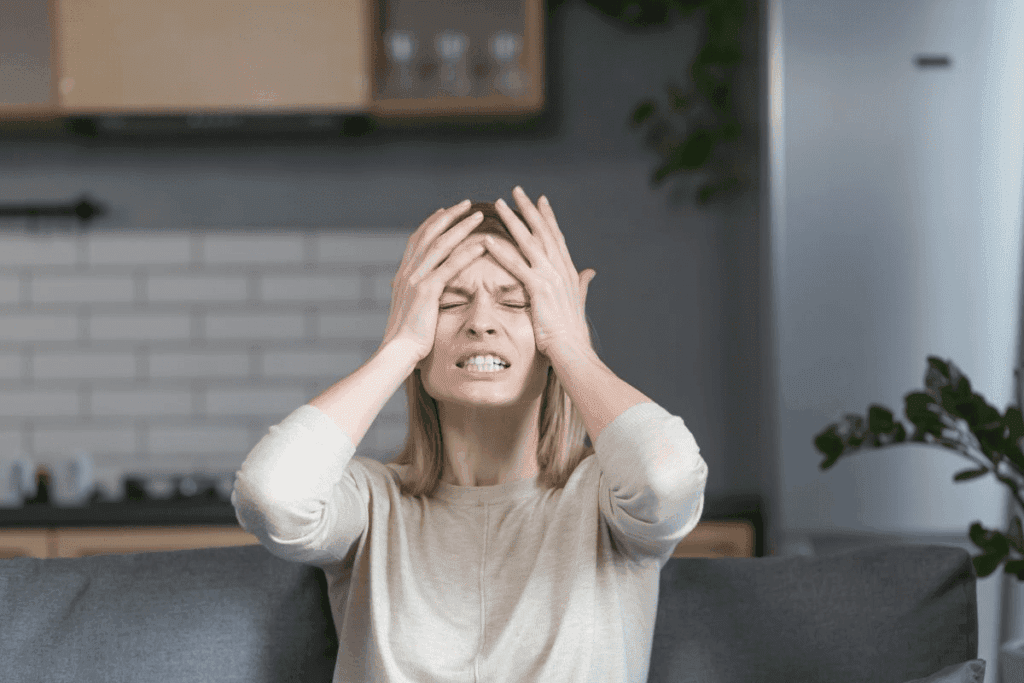
Hormones and mental health are closely linked, with estrogen being key in brain function and mood. As women near menopause, estrogen drops, impacting their mental state. This can cause depression and anxiety.
Estrogen’s Role in Brain Function
Estrogen affects brain functions, including mood regulation. It boosts serotonin, which is vital for a good mood. When estrogen levels change during menopause, mood can suffer.
How Hormonal Fluctuations Affect Mood
Menopause brings hormonal shifts that can make people feel sad, anxious, and irritable. The transition period is when these changes are most dramatic, raising the risk of depression.
To grasp how hormonal shifts impact mood, let’s look at a table:
Hormonal Change | Effect on Mood | Potential Symptoms |
Decline in Estrogen | Disruption of neurotransmitter balance | Depression, anxiety, irritability |
Fluctuations in Estrogen and Progesterone | Mood instability | Mood swings, emotional reactivity |
Decrease in Serotonin | Impaired mood regulation | Sadness, loss of interest in activities |
Understanding how hormones and mental health interact helps us tackle menopause challenges. This knowledge guides treatments and support, improving life quality for those affected.
Understanding Menopause and Its Stages
Knowing the stages of menopause is key for women to handle symptoms better. Menopause is a natural aging milestone, ending a woman’s childbearing years. It’s a journey through several stages.
Perimenopause, Menopause, and Postmenopause Defined
Menopause has three stages: perimenopause, menopause, and postmenopause. Perimenopause is the lead-up, with hormone swings causing symptoms. It can last years. Menopause is when you haven’t had a period for 12 months, ending childbearing. Postmenopause is the life stage after menopause.
Typical Hormonal Changes During Each Stage
In perimenopause, estrogen levels swing, causing irregular periods and symptoms. In menopause, estrogen drops, stopping periods. In postmenopause, estrogen stays low, with some symptoms easing but vaginal dryness staying.
Hormonal shifts can affect mood, leading to depression and anxiety in some. Knowing these changes helps manage menopause better.
Common Symptoms Beyond Mood Changes
Menopause brings more than mood swings. Hot flashes and night sweats are common in perimenopause and menopause. Sleep issues come from night sweats and hormone changes. Other symptoms include vaginal dryness, libido changes, and skin and hair changes.
Stage | Hormonal Changes | Common Symptoms |
Perimenopause | Fluctuating estrogen levels | Irregular periods, hot flashes, mood swings |
Menopause | Significant drop in estrogen | Cessation of menstruation, hot flashes, night sweats |
Postmenopause | Low estrogen levels | Vaginal dryness, decreased libido, possible osteoporosis |
Knowing these stages and symptoms helps women and doctors manage menopause better. This improves life quality during this time.
Can Low Estrogen Cause Depression? The Scientific Evidence
Research shows that estrogen changes in menopause can affect mental health. Women going through menopause often see mood swings and depression. This is due to hormonal shifts.
Studies aim to understand how estrogen affects mood. They look at how estrogen impacts brain function and mood control.
Research Findings on Estrogen and Depression
Many studies have explored the estrogen-depression link. Estrogen plays a complex role in the brain, affecting mood-regulating neurotransmitters.
Research shows estrogen drops in menopause can lead to depression in some women. This is backed by studies showing more depression in menopausal women than in other life stages.
Statistical Correlation Between Menopause and Depressive Symptoms
Research has found a strong link between menopause and depression. Women in perimenopause are more likely to feel depressed.
Study | Sample Size | Depression Incidence |
Study A | 1000 | 25% |
Study B | 500 | 30% |
Study C | 2000 | 20% |
The 17% vs. 32% Study: Hormone Therapy’s Impact
A study compared depression rates in menopausal women with and without hormone therapy. The results were striking: 17% with HT versus 32% without.
This study suggests hormone therapy might help reduce depression in menopausal women. But, it’s important to weigh the risks and benefits of HT for each woman.
In summary, the science backs a connection between low estrogen and depression, mainly during menopause. Knowing this can help in finding the right treatments for menopausal depression.
Biological Mechanisms: How Estrogen Affects Brain Chemistry
Estrogen has a big impact on brain chemistry. It affects neurotransmitters that help us feel good. This shows how important estrogen is for our brain health.
Estrogen’s Influence on Serotonin Neurotransmission
Estrogen affects serotonin, a key mood regulator. Serotonin levels are often lower in people with depression. This might explain why menopause can lead to feeling down.
Studies show estrogen boosts serotonin genes. This helps keep serotonin levels healthy. Healthy serotonin is key for a good mood.
Impact on Dopaminergic and Noradrenergic Systems
Estrogen also affects dopamine and norepinephrine systems. Dopamine is important for feeling rewarded and motivated. Norepinephrine helps us stay alert and focused. Estrogen’s influence on these systems can affect our mood and thinking.
- Estrogen can increase dopamine release and receptor density, which might affect motivation.
- The noradrenergic system, influenced by estrogen, is key in handling stress and can impact mood and alertness.
Inflammatory Cytokine Regulation and Immune Homeostasis
Estrogen has anti-inflammatory effects and helps keep the immune system balanced. Chronic inflammation is linked to depression. Estrogen’s role in controlling inflammation can reduce this risk.
During menopause, estrogen levels drop, leading to more inflammation. This might cause depression. Knowing this can help in finding new treatments.
Neuroprotective Effects and Blood-Brain Barrier Integrity
Estrogen protects the brain and keeps the blood-brain barrier strong. This barrier is vital for keeping the brain safe. Estrogen’s role in maintaining this barrier is essential for brain health.
Menopause’s drop in estrogen can weaken this barrier. This makes the brain more vulnerable to disorders, including depression.
Understanding how estrogen affects brain chemistry helps us see the link between menopause and depression. This knowledge can guide the creation of better treatments for menopausal depression.
Recognizing Depression During Menopause
Depression during menopause is common but often overlooked. Women going through menopause may feel many physical and emotional changes. Mood swings are common, but depression can be more serious and affect daily life.
Common Symptoms vs. Normal Menopause Experiences
It’s important to know the difference between normal menopause symptoms and signs of depression. Symptoms of depression during menopause include:
- Persistent feelings of sadness or hopelessness
- Loss of interest in activities once enjoyed
- Changes in appetite or sleep patterns
- Fatigue or loss of energy
- Difficulty concentrating or making decisions
Some symptoms are similar to menopause, but their severity and lasting nature can point to depression. If these feelings last more than two weeks, it could be depression.
“Depression is not just feeling sad; it’s a serious condition that affects every aspect of a person’s life.”
Risk Factors for Developing Menopausal Depression
Some factors can make a woman more likely to get depression during menopause. These include:
- A history of depression or other mental health conditions
- Previous depression during big hormonal changes, like after childbirth
- Family history of depression
- Significant life stressors or changes
- Poor sleep quality
Knowing these risk factors can help spot depression early and get help sooner.
When to Seek Professional Help
If you think you might have depression, getting help is key. Menopausal depression can be treated with the right help. Talking to a healthcare provider can help figure out the best steps. They can tell if symptoms are from depression, menopause, or both.
Spotting depression during menopause is the first step to managing it. By knowing the signs and risks, women can get the support and treatment they need. This can greatly improve their life during this big change.
Diagnosing Depression in Menopausal Women
It’s hard to tell if a woman is depressed during menopause because symptoms can be similar. Getting the right diagnosis is key to treating it.
Diagnostic Challenges and Considerations
Figuring out if a woman is depressed during menopause can be tricky. Symptoms like tiredness, sleep issues, and mood swings are common in both. This makes it hard to know what’s causing them.
Doctors need to look at a woman’s health history, where she is in menopause, and if she’s dealt with depression or anxiety before. A thorough check is needed to find out what’s really going on.
Differentiating Between Depression and Other Menopausal Symptoms
To spot depression, doctors must tell it apart from menopause symptoms. Hot flashes and night sweats are typical of menopause. But, feeling sad, hopeless, or losing interest in things might mean depression.
Keeping a detailed history and tracking symptoms can help doctors make a better diagnosis. It’s also vital to see how bad the symptoms are and how they affect daily life.
Medical Tests and Psychological Assessments
There’s no single test for depression, but doctors use different tools to check symptoms. They might use the Patient Health Questionnaire-9 (PHQ-9) or talk to the patient in a clinical interview.
- Depression screening questionnaires
- Clinical interviews
- Assessment of medical history
- Evaluation of symptom severity
Sometimes, doctors need to do more tests to make sure it’s not something else causing the symptoms. A detailed diagnosis helps women get the right treatment.
Treatment Options for Menopausal Depression
Menopausal depression treatment varies based on each person’s needs. It tackles both physical and emotional sides of the condition. This makes treatment complex but effective.
Hormone Replacement Therapy (HRT): Benefits and Risks
Hormone Replacement Therapy (HRT) is a common treatment for menopausal symptoms, including depression. It replaces lost hormones like estrogen and progesterone. This can help reduce symptoms like hot flashes and night sweats, which can make you feel sad.
But, HRT comes with risks. The Women’s Health Initiative (WHI) study found it could increase the risk of breast cancer, stroke, and blood clots. So, choosing HRT should be a careful decision, weighing its benefits against its risks.
“HRT can be an effective treatment for menopausal depression, but it’s important to carefully select patients and monitor them closely.”
Treatment | Benefits | Risks |
HRT | Reduces hot flashes and night sweats, improves mood | Increases risk of breast cancer, stroke, blood clots |
Antidepressants | Helps with depression, can be used with HRT | Side effects like nausea, weight gain, sexual problems |
Psychotherapy | Deals with emotional issues, no medication needed | Requires commitment, may not work as fast as meds |
Antidepressant Medications
Antidepressant medications are another option for menopausal depression. SSRIs and SNRIs are often prescribed. They can help manage depressive symptoms and are sometimes used with HRT.
But, antidepressants can have side effects. These include nausea, weight gain, and sexual problems. Choosing the right antidepressant depends on the individual’s health and symptoms.
Psychotherapy Approaches
Psychotherapy is a valuable treatment for menopausal depression. It offers a non-medication way to manage symptoms. CBT and IPT are two effective psychotherapy types for depression.
CBT helps change negative thoughts and behaviors that lead to depression. IPT improves relationships and communication skills, which are key during menopause.
Integrative and Complementary Treatments
Integrative and complementary therapies can also help with menopausal depression. Lifestyle changes like regular exercise, a balanced diet, and stress management are beneficial. Mindfulness and yoga are examples of stress management techniques.
Some women find herbal supplements helpful. But, the safety and effectiveness of these supplements vary. Always talk to a healthcare provider before starting any new supplements.
By exploring different treatment options and tailoring them to each person, healthcare providers can effectively manage menopausal depression.
Lifestyle Strategies to Manage Mood Changes
Managing mood swings during menopause can be tough. But, certain lifestyle changes can help a lot. Focus on nutrition, exercise, stress management, and sleep to get through this time.
Nutrition and Dietary Considerations
Eating well is key to feeling better. Foods like salmon and walnuts, rich in omega-3s, support your mental health. Whole grains boost serotonin, making you feel good.
Don’t forget to eat enough calcium and vitamin D. They’re good for your bones and mood. Avoid processed foods and sugars to stay energized and calm.
Nutrient | Food Sources | Benefits |
Omega-3 Fatty Acids | Salmon, Walnuts, Chia Seeds | Supports Mental Health |
Complex Carbohydrates | Whole Grains, Fruits, Vegetables | Increases Serotonin Levels |
Calcium and Vitamin D | Dairy Products, Leafy Greens, Fortified Foods | Supports Bone Health and Mood |
Exercise and Physical Activity Benefits
Exercise is a great mood booster. It makes you feel good by releasing endorphins. It also helps you sleep better and feel less stressed.
Try activities like walking, cycling, or yoga. Do at least 30 minutes of moderate exercise every day.
- Brisk Walking
- Cycling
- Yoga
- Swimming
Stress Management Techniques
Managing stress is important during menopause. Mindfulness, deep breathing, and muscle relaxation can help. They reduce stress.
Doing things you enjoy also helps. It’s important to take care of yourself and find healthy ways to express your feelings.
Sleep Hygiene and Its Impact on Mood
Good sleep is essential for your mood. Stick to a sleep schedule and create a relaxing bedtime routine. Avoid caffeine and electronics before bed.
Make your bedroom sleep-friendly. Keep it cool and dark. Avoid eating heavy meals and drinking fluids before bed to sleep better.
- Establish a Consistent Sleep Schedule
- Create a Relaxing Bedtime Routine
- Avoid Caffeine and Electronics Before Bedtime
- Create a Sleep-Conducive Environment
By making these lifestyle changes, women can handle mood swings better. This improves their overall quality of life.
Conclusion: Navigating the Connection Between Estrogen and Mental Health
It’s important for women going through menopause to understand how estrogen affects their mental health. We’ve seen how a drop in estrogen can lead to depression.
The relationship between estrogen and brain chemistry is complex. This means we need a full approach to deal with depression during menopause. Women should look for medical help, like hormone therapy, antidepressants, and therapy.
Changing your lifestyle can also help. Eating well, exercising, and managing stress are key. Learning about estrogen and mental health helps women take care of their minds during menopause.
Recognizing the impact of depression in menopause is key. It’s linked to low estrogen levels. We should support each other and talk openly about these challenges.
FAQ
Does low estrogen cause depression during menopause?
Yes, low estrogen levels can lead to depression in menopause. Estrogen affects neurotransmitters like serotonin, dopamine, and norepinephrine. These are key for mood regulation.
What are the common symptoms of menopausal depression?
Symptoms include sadness, hopelessness, and loss of interest. You might also notice changes in appetite, sleep, and concentration. These symptoms are more severe and last longer than usual menopause symptoms.
How does hormone replacement therapy (HRT) impact depression in menopausal women?
HRT can help with depression in menopausal women. This is true when estrogen is given in the right amounts. But, it’s important to weigh the benefits and risks for each person.
Can lifestyle changes help manage mood changes during menopause?
Yes, lifestyle changes can help. Regular exercise, healthy eating, stress management, and good sleep are key. These can be used along with medical treatments for better well-being.
How is depression diagnosed in menopausal women?
Diagnosing depression involves looking at symptoms, medical history, and psychological assessments. Healthcare providers use tools like questionnaires to measure symptoms’ severity.
What are the treatment options for menopausal depression?
Treatments include HRT, antidepressants, psychotherapy, and integrative treatments. The best plan combines these, tailored to each person’s needs.
Can menopause cause severe depression?
Yes, menopause can lead to severe depression in some women. Hormonal changes and other symptoms can trigger or worsen depression.
How long does menopause depression last?
Depression during menopause can last differently for everyone. With the right treatment, symptoms can be managed. But, some women may face ongoing or recurring depression.
Does menopause cause anxiety and depression?
Menopause can lead to anxiety and depression in some women. Hormonal changes and symptoms can trigger or worsen these feelings.
What is the link between estrogen and serotonin?
Estrogen affects serotonin, which is key for mood. Lower estrogen levels in menopause can change serotonin activity, leading to depression.
References
National Center for Biotechnology Information. Evidence-Based Medical Guidance. Retrieved from https://pmc.ncbi.nlm.nih.gov/articles/PMC3374589/