For a long time, fibromyalgia was thought to mainly affect women. But recent studies have changed our view. Now, we know that men can also get fibromyalgia. It’s important to recognize the symptoms early for the right care.
About 2.4% of men are diagnosed with fibromyalgia today. This challenges the old idea that it only affects women. Men with fibromyalgia face many tough symptoms. These include constant pain, tiredness, trouble sleeping, brain fog, and emotional issues.
Learning about fibromyalgia in men is key. Awareness and understanding help with diagnosis and treatment. We’ll look into the symptoms, signs, and how to diagnose it in men.
Key Takeaways
- Fibromyalgia is not just for women; men can get it too.
- About 2.4% of men are diagnosed with fibromyalgia using today’s criteria.
- Men with fibromyalgia face symptoms like constant pain and tiredness.
- Knowing about fibromyalgia in men is important for diagnosis and treatment.
- Using modern criteria is vital for accurately diagnosing fibromyalgia in men.
Debunking Myths About Male Fibromyalgia

Fibromyalgia in men has been misunderstood for a long time. This is because doctors used to think it mostly affected women. But now, we know it can happen to anyone, no matter their gender.
Historical Misconceptions About the Condition
For a long time, people thought fibromyalgia was a women’s disease. This was because doctors used criteria that fit female symptoms better. Medical Expert. Bennett said, “Societal and cultural factors have led to a gender bias in diagnosing fibromyalgia.”
Medical Expert. Bennett
This bias meant men often didn’t get diagnosed or treated right. The National Fibromyalgia Association says 75-90% of those with fibromyalgia are women. But that doesn’t mean men can’t have it.
| Year | Estimated Prevalence of Fibromyalgia in Men | Diagnostic Criteria |
| 1990 | 10-20% | Primarily based on female symptoms |
| 2010 | 20-30% | Revised to include broader symptom profiles |
| 2020 | 25-40% | Further refined to account for gender differences |
Evolution of Diagnostic Criteria
The way doctors diagnose fibromyalgia has changed a lot. At first, the criteria were too narrow, focusing mainly on symptoms women reported. But as we learned more, we realized men can also get fibromyalgia.
Today, we understand that fibromyalgia can look different in men. They might feel more tired or have different kinds of pain than women. This new understanding helps doctors diagnose and treat men better.
This change is a big step towards fair care for everyone, no matter their gender. It shows that fibromyalgia is not just a women’s issue.
Prevalence of Fibromyalgia in Men

Fibromyalgia in men is getting more attention in medical studies. As we learn more, we see how it affects men differently.
About 2.4% of men are diagnosed with fibromyalgia using the 2016 criteria. This is a big change from the old belief that only 10% of patients were male. The new criteria help us spot the condition more accurately in different people.
Current Statistical Data
Research shows that fibromyalgia changes how the brain handles pain. This discovery helps us understand the condition better. Recent data shows more men are being diagnosed with fibromyalgia, showing a deeper understanding of it.
A key study found that the 2016 criteria help diagnose fibromyalgia in men more accurately. This change shows how important it is to keep diagnostic guidelines up to date.
Reasons for Previous Underdiagnosis
In the past, fibromyalgia was seen as a mostly female issue. This led to fewer men being diagnosed. Several reasons caused this:
- Diagnostic criteria were biased towards female symptoms
- Healthcare providers were not aware of male fibromyalgia
- Men were hesitant to see doctors for symptoms seen as not masculine
Now, we know fibromyalgia can affect anyone, not just women. By overcoming these biases, we can ensure fair healthcare for all.
Understanding and addressing underdiagnosis helps us support men with fibromyalgia. We can give them the care and recognition they deserve.
Common Symptoms and Signs of Fibromyalgia in Men
Men with fibromyalgia face many symptoms, from chronic pain to brain fog, affecting their life quality. Though often linked with women, men also deal with its harsh effects. Knowing these symptoms is key for diagnosis and treatment.
Primary Physical Symptoms
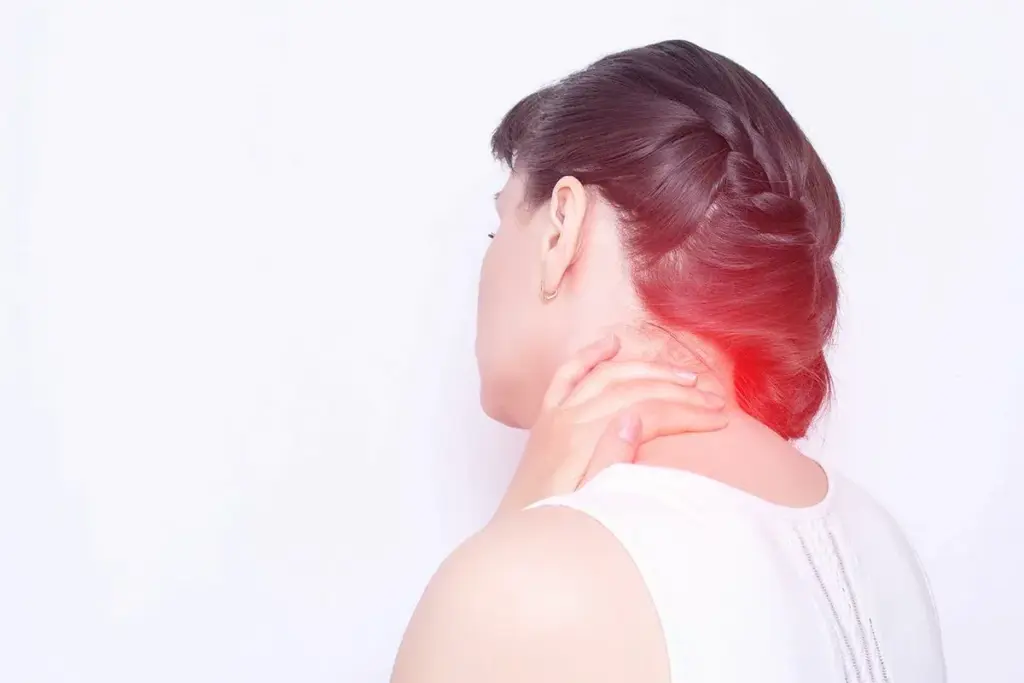
The main physical symptoms in men include chronic widespread pain and fatigue. The pain can hit various body parts, like the neck, back, hips, and limbs. It’s often a dull ache that lasts a long time.
Men also feel stiffness, mainly in the morning, and sensitivity to touch.
Fibromyalgia fatigue is severe, making daily tasks and sleep hard. Men feel tired even after resting a lot. This mix of pain and fatigue makes it hard to do daily activities and stay active.
Cognitive and Psychological Effects
Fibromyalgia in men also affects the mind. It causes cognitive difficulties and psychological effects. These include memory, concentration, and confusion problems, known as “fibro fog.”
Men with fibromyalgia are more likely to feel depression and anxiety. The long-term nature of the condition and its impact on daily life can lead to feelings of isolation and frustration. It’s vital for healthcare providers to tackle these psychological aspects in treatment.
How Symptoms May Present Differently in Men
Fibromyalgia symptoms can show up differently in men than in women. While women often report widespread pain, men might have more localized pain or different types. Men are also less likely to mention fatigue as a main symptom, but it’s a big issue.
It’s important to understand these differences for diagnosing fibromyalgia in men. Healthcare providers need to know how fibromyalgia can present in men to ensure accurate diagnosis and treatment.
By recognizing the wide range of symptoms in men with fibromyalgia, we can better support them. Early diagnosis and a detailed treatment plan can greatly improve their quality of life.
Conclusion: Understanding and Supporting Men with Fibromyalgia
Men with fibromyalgia need our understanding and support. Recognizing the signs of fibromyalgia in men helps us care for them better. This condition is complex and needs a full treatment plan.
Fibroids in men are not linked to fibromyalgia, but knowing the symptoms in men is key. We must realize that fibromyalgia affects men just as much as women. Each person’s symptoms are different, so we must tailor our care.
By understanding fibromyalgia and its impact on men, we can build a supportive community. We should teach healthcare providers about the signs in men and the need for correct diagnosis and treatment.
Our main goal is to give men with fibromyalgia the best care. We want to make sure they get the support they need to manage their condition well.
FAQ’s:
Can men develop fibromyalgia?
Yes, men can develop fibromyalgia, though it is more commonly diagnosed in women.
What are the symptoms of fibromyalgia in men?
Symptoms include widespread pain, fatigue, sleep disturbances, and cognitive difficulties.
How common is fibromyalgia in men?
Fibromyalgia affects about 10–20% of all diagnosed cases in men.
Why was fibromyalgia underdiagnosed in men in the past?
It was underdiagnosed due to stereotypes that it is a “women’s condition” and lack of awareness among physicians.
Do men and women experience different symptoms of fibromyalgia?
Men may report more fatigue and muscle weakness, while women often report more widespread pain and headaches.
What are the primary physical symptoms of fibromyalgia in men?
The main symptoms are chronic muscle pain, stiffness, fatigue, and tender points.
Can fibromyalgia in men be diagnosed accurately?
Yes, through clinical evaluation, symptom history, and ruling out other conditions, though awareness is key.
How can men with fibromyalgia get support?
Support can come from patient groups, counseling, physiotherapy, pain management, and lifestyle modifications.
References:
National Center for Biotechnology Information. Evidence-Based Medical Insight. Retrieved from https://pubmed.ncbi.nlm.nih.gov/2301637/



 Departments
 Related Videos
 Our Doctors
 News
News