Neuroblastoma is a rare cancer in kids, hitting about 700 children in the U.S. each year.can neuroblastoma be curedWhat Cancers Are Close to Being Cured? over survival This highlights the importance of having high-quality treatments and comprehensive support for families dealing with this disease.
We know how tough it is to find the right treatment for neuroblastoma. Our goal is to give the best care and support to patients from around the world.
New research brings hope to kids with neuroblastoma. We’ll look at the latest on cure rates and what affects treatment success.
Key Takeaways
- Neuroblastoma is a rare pediatric cancer needing the latest treatments.
- Medical research brings new hope for better cure rates.
- Personalized support is key for families with a neuroblastoma diagnosis.
- Treatment success depends on many factors, like the disease’s stage.
- Getting the best care is vital for the best outcomes.
Understanding Neuroblastoma
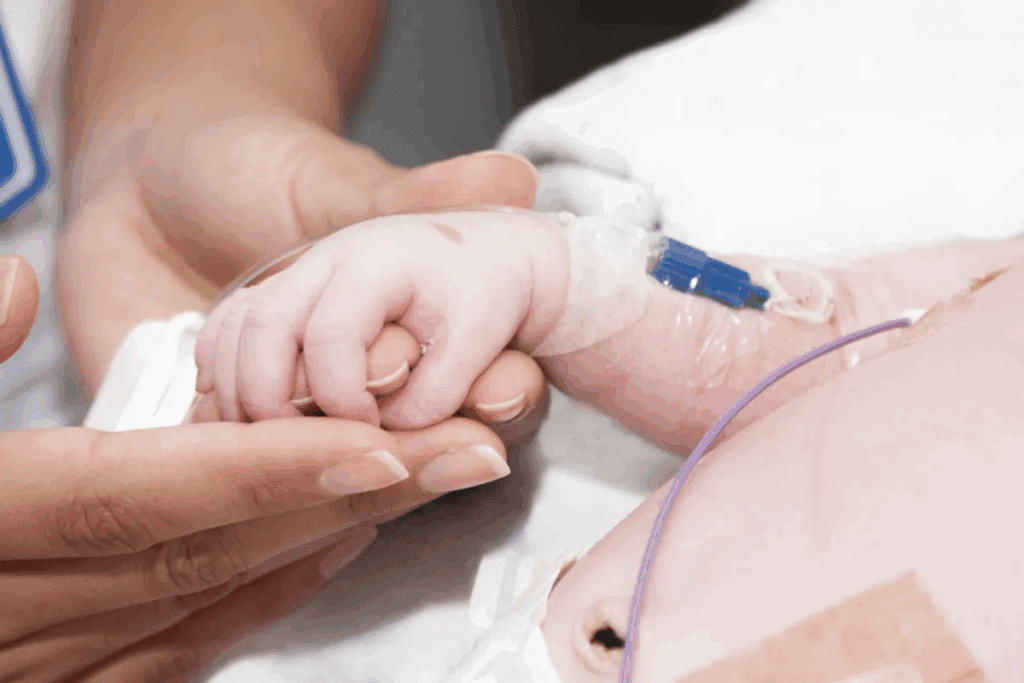
Neuroblastoma is a cancer that comes from immature nerve cells in the body. It often starts in the adrenal glands, which are near the kidneys. These glands are similar to nerve cells.
What Is Neuroblastoma?
Neuroblastoma happens when nerve cells grow into tumors. These tumors can be in many places, like the adrenal glands, neck, chest, or spinal cord. It’s most common in kids under five.
We don’t know what causes neuroblastoma. But it’s thought to be a mix of genetics and environment. Knowing about neuroblastoma helps doctors find better treatments and improve neuroblastoma survival rates.
How Neuroblastoma Develops
Neuroblastoma starts with the growth of immature nerve cells. These cells usually turn into normal nerve cells. But in neuroblastoma, they don’t and form tumors instead. These tumors can grow and spread, making treatment harder.
Scientists have found some genetic changes that might lead to neuroblastoma. Knowing these can help doctors figure out the best treatment for each child.
Who Is Affected by Neuroblastoma?
Neuroblastoma mostly hits kids, with most cases in those under five. It’s a rare cancer, making up about 6% of all childhood cancers. It can happen in babies and older kids too, but age at diagnosis matters a lot.
The chance of is neuroblastoma curable in children depends on several things. These include when the cancer is found, the child’s age, and the tumor’s genetics. Thanks to early detection and better treatments, many kids can get better and even go into complete remission.
Risk Factors and Genetic Considerations
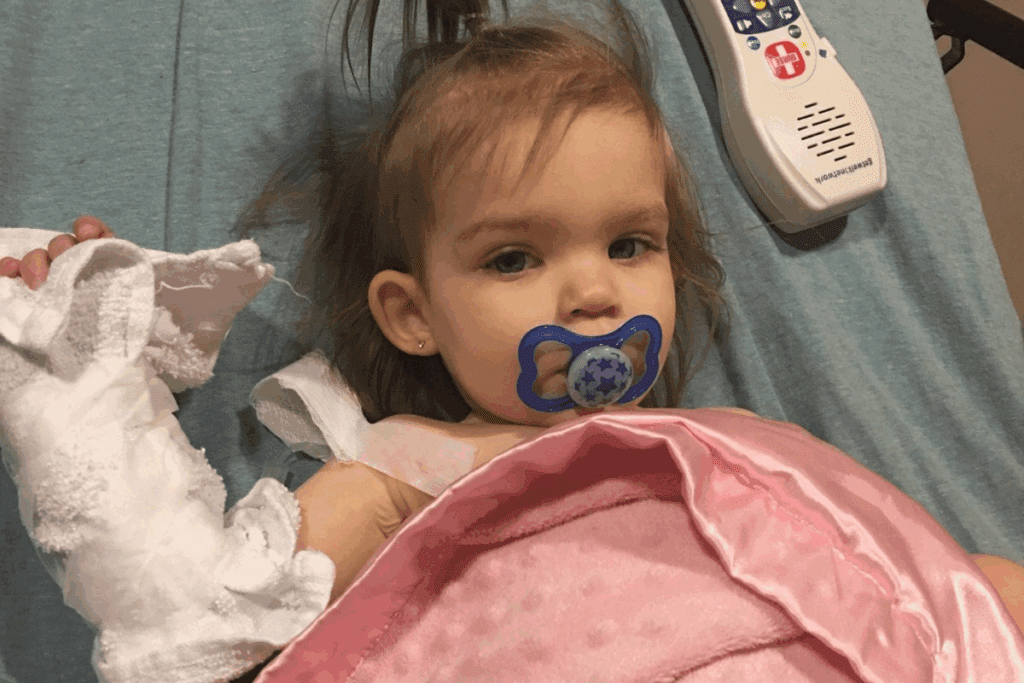
It’s important to know the risk factors for neuroblastoma to catch it early and treat it well. We’ll look at known risk factors, genetic predispositions, and family syndromes that lead to this complex cancer.
Known Risk Factors
Several risk factors have been found for neuroblastoma. These include:
- Age: Neuroblastoma is most commonly diagnosed in children under the age of five.
- Genetic mutations: Certain genetic changes, like those affecting the ALK gene, raise the risk of neuroblastoma.
- Family history: A family history of neuroblastoma or other cancers can increase a child’s risk.
Genetic predisposition is key in neuroblastoma. Certain genes can make people more likely to get this cancer.
Genetic Predisposition
Genetic predisposition is a big factor in neuroblastoma. Mutations in genes like ALK and PHOX2B raise the risk. These changes can be passed down or happen on their own.
Familial Neuroblastoma Syndromes
Familial neuroblastoma syndromes are rare but raise the risk a lot. They’re linked to specific genetic mutations passed down in families.
Understanding these risk factors and genetic aspects is key to spotting high-risk individuals. It helps us develop better treatments. By focusing on genetic predisposition and family syndromes, we can better fight neuroblastoma.
Types and Stages of Neuroblastoma
Knowing the types and stages of neuroblastoma is key to finding the right treatment. This disease is complex and can vary a lot. The stage at diagnosis plays a big role in how it’s treated.
We use the International Neuroblastoma Staging System (INSS) to classify the disease. This system helps doctors understand how serious the disease is. It helps them plan the best treatment.
The International Neuroblastoma Staging System
The INSS classifies neuroblastoma from 1 to 4, with a special stage 4S. The staging depends on the tumor’s size, if it can be removed, and if it has spread.
- Stage 1: The tumor is small and can be removed.
- Stage 2: The tumor is small but can’t be removed.
- Stage 3: The tumor is big or can’t be removed.
- Stage 4: The tumor has spread to other parts of the body.
- Stage 4S: A special category for babies with small tumors and limited spread.
Low-Risk vs. High-Risk Neuroblastoma
Neuroblastoma is also divided into low-risk and high-risk groups. This depends on age, stage, and tumor biology. Low-risk cases usually have a good outlook with less treatment. High-risk cases need more aggressive treatment.
Low-risk neuroblastoma often happens in young kids and may need little treatment. On the other hand, high-risk neuroblastoma is more common in older kids. It requires a more intense treatment plan.
How Staging Affects Treatment Approach
The stage and risk level of neuroblastoma greatly affect treatment. Low-risk cases might just need watching or some chemotherapy. High-risk cases need a lot of treatment, including chemotherapy, surgery, and radiation.
We customize treatment for each child. We consider the stage, risk, and other factors. Knowing the type and stage of neuroblastoma is key to effective treatment.
Diagnosing Neuroblastoma
Understanding how to diagnose neuroblastoma is key to treating it early. Doctors use a mix of clinical checks, imaging, and lab tests to find this complex cancer.
Common Symptoms and Warning Signs
Neuroblastoma can show in many ways, making it hard to spot. You might see a lump in the neck, chest, or belly. Sometimes, it can press on nearby areas, causing breathing or swallowing trouble.
Other signs include changes in bowel or bladder habits, limb weakness, or a swollen belly in babies. Catching these symptoms early is vital for better treatment outcomes.
Diagnostic Tests and Procedures
When doctors think you might have neuroblastoma, they run several tests. These include:
- Imaging Studies: CT scans, MRI, and ultrasound show where the tumor is and how big it is.
- Biopsy: This is when they take a piece of the tumor for a closer look.
- Blood and Urine Tests: These tests check for certain markers that might be high in neuroblastoma.
These tests help figure out if you have neuroblastoma and how far it has spread. They guide what treatment you’ll need next.
Genetic and Molecular Testing
Genetic and molecular tests are also important. They help doctors understand the tumor’s behavior. Tests might include:
- MYCN Amplification Status: This genetic feature can tell how aggressive the tumor is and what treatment to use.
- DNA Ploidy: The amount of DNA in the tumor cells can give clues about how likely it is to come back.
- Other Genetic Alterations: Different genetic changes can affect how the tumor grows and responds to treatment.
These tests help doctors tailor treatments to each patient. They help sort patients into risk groups, leading to better care.
Can Neuroblastoma Be Cured?
Neuroblastoma’s curability depends on many things like age, stage, and tumor type. It’s key to grasp the disease’s complexity when talking about a cure.
Defining “Cure” in the Context of Cancer
In cancer, a “cure” means the disease is controlled, and no signs of it remain after treatment. Yet, cancer can come back, even after treatment seems successful.
For neuroblastoma, a cure is when a person stays in remission for five years or more after being diagnosed. We’ll look at what makes this possible.
Overall Cure Rates for Neuroblastoma
Cure rates for neuroblastoma change a lot based on age, stage, and tumor type. The five-year survival rate for kids with neuroblastoma is about 85%, recent data shows.
- Low-risk neuroblastoma: Kids with low-risk disease often have a cure rate over 95%.
- High-risk neuroblastoma: Those with high-risk neuroblastoma face a lower cure rate, around 50-60%, even with intense treatment.
Factors That Influence Curability
Many things affect how curable neuroblastoma is, including:
- Age at diagnosis: Younger kids usually do better than older ones.
- Stage of disease: Early-stage neuroblastoma is more likely to be cured than advanced-stage disease.
- Tumor biology: Certain genetic traits, like MYCN amplification, can change how likely a cure is.
- Response to treatment: How well the tumor reacts to first treatment is key to long-term success.
Knowing these factors helps us make treatment plans that fit each patient better. This can improve their chances of being cured.
Neuroblastoma Survival Rates by Stage
The outlook for neuroblastoma patients depends a lot on the disease’s stage at diagnosis. It’s key to know the survival rates for each stage. Thanks to new treatments and a better grasp of the disease, many patients are now living longer.
Stage 1 and 2 Survival Statistics
Patients with Stage 1 or 2 neuroblastoma have a good chance of recovery. Studies show that the five-year survival rate for Stage 1 is over 95%. For Stage 2, it’s between 80% to 90%. These high rates are thanks to early detection and effective treatments.
Stage 3 and 4 Survival Statistics
Survival rates for Stage 3 and 4 neuroblastoma are lower. For Stage 3, the five-year survival rate is about 70% to 80%. This shows the challenge of treating tumors that have spread.
Stage 4 neuroblastoma, the most advanced, has a five-year survival rate of 40% to 50%. But, treatment progress, including new chemotherapy and immunotherapy, is helping.
Stage 4S Neuroblastoma Outcomes
Stage 4S neuroblastoma mainly affects infants. Despite widespread disease, many infants see their tumors shrink on their own. The survival rate for Stage 4S is high, often over 80% to 90%. This is because of its unique nature and the success of minimal treatment in young patients.
Knowing these survival rates helps patients and their families make better choices. It also highlights the need for more research and better treatments. These efforts are key to improving outcomes for all neuroblastoma stages.
Surgical Treatment Options
Surgery is key in treating neuroblastoma, aiming for a cure in early cases. The main goal is to remove the tumor fully. This greatly boosts the patient’s survival chances.
Complete Tumor Resection
Removing the whole tumor is the best option when it’s possible. This means taking out the tumor and some healthy tissue around it. It works best for those with early neuroblastoma.
New surgical methods have made procedures more precise and less invasive. These changes have led to better results and faster recovery times.
Partial Tumor Removal
When removing the whole tumor isn’t possible, taking out part of it is considered. This makes the tumor smaller, making other treatments like chemotherapy or radiation more effective.
Partial removal can also ease symptoms by reducing the tumor’s size and pressure on nearby tissues.
Surgical Complications and Considerations
Like any surgery, neuroblastoma surgery has risks and complications. These can include infections, bleeding, and damage to nearby tissues or organs. The skill of the surgical team is key in reducing these risks.
Talking about possible complications and the benefits of surgery with the healthcare team is vital. It helps make informed decisions about care.
Chemotherapy for Neuroblastoma
Chemotherapy is key in fighting neuroblastoma, mainly for those with high-risk disease. It uses drugs to kill cancer cells. The treatment plan changes based on the disease’s stage and risk level.
Standard Chemotherapy Protocols
For neuroblastoma, standard treatments mix different drugs in cycles. This lets the body rest between treatments. Common drugs include:
- Cyclophosphamide
- Doxorubicin
- Cisplatin
- Etoposide
- Vincristine
These drugs are mixed to fight neuroblastoma cells better.
High-Dose Chemotherapy
High-risk neuroblastoma patients might get high-dose chemotherapy. This treatment uses stronger doses of drugs, followed by stem cell transplants to help the bone marrow heal.
High-dose chemotherapy aims to:
- Kill any leftover neuroblastoma cells.
- Lower the chance of the disease coming back.
Though effective, it can cause serious side effects. These are managed with supportive care.
Managing Side Effects
It’s important to handle chemotherapy side effects well. Common issues include:
- Nausea and vomiting
- Hair loss
- Fatigue
- Increased risk of infections
Healthcare teams use medicines to stop nausea. They also suggest eating well and offer tips to fight fatigue and prevent infections.
“The key to successful neuroblastoma treatment lies not only in the effectiveness of chemotherapy but also in the complete care given to manage its side effects.” – A medical expert
Knowing how chemotherapy works in treating neuroblastoma helps patients and their families. It includes understanding standard and high-dose treatments and how to deal with side effects.
Radiation Therapy Approaches
Neuroblastoma treatment often includes radiation therapy. It comes in different forms, each with its own benefits. This therapy targets and kills cancer cells, helping control the disease.
External Beam Radiation
External beam radiation therapy (EBRT) is a common treatment for neuroblastoma. It uses high-energy beams from outside the body to hit the tumor. EBRT can precisely target the tumor, reducing harm to healthy tissues nearby.
“External beam radiation is a valuable tool in our fight against neuroblastoma,” “It allows us to deliver a precise dose of radiation directly to the tumor, improving outcomes for our patients.”
MIBG Therapy
MIBG (Metaiodobenzylguanidine) therapy is a specialized radiation treatment for neuroblastoma. It uses a compound that neuroblastoma cells take up, allowing targeted radiation delivery. When radioactive iodine is attached to MIBG, it delivers a high dose of radiation to tumor cells.
MIBG therapy is great for patients with advanced or refractory neuroblastoma. It helps reduce tumor size and ease symptoms.
When Radiation Is Recommended
Radiation therapy is recommended based on several factors. These include the disease stage, patient health, and how the cancer responds to other treatments. For some, radiation therapy is used with surgery or chemotherapy.
The decision to use radiation therapy is made for each patient individually. Our medical team works closely with patients and their families to find the best treatment plan.
Understanding the different radiation therapy options helps patients and families make informed decisions. Whether through external beam radiation or MIBG therapy, it’s a key part of neuroblastoma treatment.
Stem Cell Transplantation and Immunotherapy
For those with high-risk neuroblastoma, stem cell transplantation and immunotherapy are new hopes. These methods have shown to help those who didn’t do well with usual treatments.
Autologous Stem Cell Transplant Process
Autologous stem cell transplantation uses a patient’s own stem cells. These are taken before high-dose chemotherapy. This lets doctors use stronger chemotherapy to kill more cancer cells. Then, the stem cells are given back to the patient to rebuild their bone marrow.
The benefits of this method include:
- Ability to administer high-dose chemotherapy
- Potential for improved cancer cell kill rate
- Reduced risk of graft-versus-host disease
Anti-GD2 Antibody Therapy
Anti-GD2 antibody therapy targets the GD2 protein on neuroblastoma cells. These antibodies help the immune system find and kill cancer cells better.
| Therapy | Mechanism | Benefits |
| Anti-GD2 Antibody Therapy | Targets GD2 protein on neuroblastoma cells | Enhanced immune response against cancer cells |
| CAR T-Cell Therapy | Genetically modifies T-cells to target cancer cells | Potential for targeted and sustained anti-cancer response |
CAR T-Cell Therapy Research
CAR T-cell therapy changes a patient’s T-cells to fight neuroblastoma cells. Early trials show it could be a strong tool against neuroblastoma.
Research keeps showing the power of CAR T-cell therapy and other immunotherapies. While there are hurdles, the progress is encouraging. It shows the need to keep working on new cancer treatments.
Age-Specific Treatment Considerations
When it comes to neuroblastoma, age plays a big role. The disease affects people differently at different ages. The right treatment depends a lot on how old the patient is.
Treatment Approaches for Infants
Infants with neuroblastoma usually have a better chance of getting better. Their treatment often includes:
- Watching the disease closely for very low-risk cases
- Surgery to remove the tumor for localized cases
- Low-dose chemotherapy for more serious cases
The goal is to use less intense treatments to avoid long-term side effects. This helps keep cure rates high.
Treatment Protocols for Older Children
Older kids face more aggressive treatments because their disease is often more advanced. Common treatments are:
- Strong chemotherapy regimens
- Surgery to remove the tumor
- Radiation therapy, including MIBG therapy for some cases
- Stem cell transplantation for high-risk cases
- Immunotherapy with anti-GD2 antibodies
These treatments are often combined. They’re tailored to each patient’s risk level and how they respond to treatment.
Adolescent and Young Adult Considerations
Adolescents and young adults face special challenges with neuroblastoma. Their disease can be like both pediatric and adult cancers. Treatment for them includes:
- Joining clinical trials for new treatments
- Getting care at centers that handle both kids and adults
- Managing long-term side effects carefully
It’s important to have a team approach for these patients. This team should handle both their cancer treatment and the challenges of growing up.
The table below shows the main differences in treatment for different age groups:
| Age Group | Common Treatment Approaches | Considerations |
| Infants | Observation, surgery, low-intensity chemotherapy | Minimize treatment intensity, reduce long-term side effects |
| Older Children | Intensive chemotherapy, surgery, radiation therapy, stem cell transplantation, immunotherapy | Aggressive treatment for high-risk disease, tailored to individual risk classification |
| Adolescents and Young Adults | Participation in clinical trials, combined pediatric and adult oncology care | Manage long-term treatment effects, transition to adult care |
Relapsed and Refractory Neuroblastoma
When neuroblastoma comes back or doesn’t respond to treatment, it’s a big challenge. Relapsed neuroblastoma means the disease comes back after treatment. Refractory neuroblastoma means it doesn’t get better with treatment. Both are tough for patients and doctors.
Treatment Options After Relapse
After neuroblastoma comes back, doctors use different treatments. Reinduction chemotherapy is often the first step to try and get the disease under control again. They might use different drugs to fight the disease better.
Salvage therapies include various treatments like chemotherapy, targeted therapy, or immunotherapy. These choices depend on what treatments the patient has had before and the tumor’s biology.
Novel Approaches for Resistant Disease
For those with resistant neuroblastoma, new treatments are being tested. Targeted therapies aim at specific tumor traits. For example, ALK inhibitors are used for tumors with certain genetic changes.
Immunotherapeutic approaches like CAR T-cell therapy are also being explored. They use the body’s immune system to fight the tumor.
Clinical Trials for Relapsed Patients
Clinical trials offer new treatments for relapsed or resistant neuroblastoma. These trials help find better ways to treat the disease.
Patients and their families should talk to their doctors about joining a trial. It’s important to understand the benefits and risks.
Long-Term Effects of Neuroblastoma Treatment
The journey doesn’t end with the completion of neuroblastoma treatment; survivors often encounter long-term challenges. As we continue to improve treatment protocols, understanding and managing these late effects becomes increasingly important.
Physical Late Effects
Neuroblastoma treatment can result in various physical late effects, depending on the treatment modalities used. For instance, survivors may experience issues related to growth and development, hearing loss due to certain chemotherapy agents, or complications from surgery or radiation therapy.
Common physical late effects include:
- Growth abnormalities
- Hearing impairment
- Thyroid dysfunction
- Increased risk of secondary cancers
Regular follow-up care is key to identify and manage these issues early on.
Cognitive and Developmental Impacts
Some survivors may also face cognitive and developmental challenges, mainly if they received treatment at a young age. These can include difficulties with learning, memory, or attention.
Supportive care strategies can significantly help manage these challenges. These may involve educational support, psychological counseling, and other interventions tailored to the individual’s needs.
Monitoring and Managing Long-Term Complications
Effective management of long-term complications requires a multidisciplinary approach. We recommend regular follow-up visits with a healthcare team experienced in survivorship care. This team can help monitor for late effects, provide guidance on healthy lifestyle choices, and offer support for any emotional or psychological challenges.
By understanding the long-term effects of neuroblastoma treatment and proactively managing them, we can improve the quality of life for survivors.
Choosing the Right Treatment Center
Choosing the right treatment center is key for kids with neuroblastoma. The care at a specialized center can greatly affect the treatment’s success and the child’s experience.
Specialized Pediatric Cancer Centers
Specialized pediatric cancer centers provide care tailored for kids with neuroblastoma. They have the latest facilities and teams skilled in treating pediatric cancers.
Benefits of Specialized Centers include access to the latest treatments, specialized surgical teams, and support services for kids and families.
“The care received at a specialized pediatric cancer center can make a significant difference in the treatment outcome for children with neuroblastoma.”
| Features | Specialized Pediatric Cancer Centers | General Hospitals |
| Multidisciplinary Team | Experienced in pediatric oncology | May not have specialized pediatric oncology team |
| Advanced Treatment Protocols | Available and up-to-date | Limited access |
| Supportive Care Services | Comprehensive services for children and families | Limited supportive care services |
Getting Second Opinions
Getting a second opinion is a smart step. It helps confirm the diagnosis, explore other treatment options, and feel sure about the chosen path.
Benefits of Second Opinions include getting insights from other experts, understanding different treatments, and feeling more confident in the chosen plan.
Questions to Ask Your Medical Team
When talking to your medical team, ask important questions. This helps understand the care your child will receive. Some key questions include:
- What experience does the center have in treating neuroblastoma?
- What treatment protocols are recommended, and why?
- What supportive care services are available for my child and our family?
- How will the treatment center communicate with us throughout the treatment process?
By picking a treatment center that fits your child’s needs and asking the right questions, you can ensure they get the best care for neuroblastoma.
Conclusion
Medical research has made big strides in treating neuroblastoma, giving patients new hope. We’ve looked at how neuroblastoma is diagnosed and treated. It’s clear that personalized care is key. How well a patient does with neuroblastoma depends on the stage and the treatment they get. Modern treatments like surgery, chemotherapy, and immunotherapy help many patients get better. For kids, early detection and the right treatment plan can lead to a cure. Finding a cure for pediatric neuroblastoma takes a team effort. Doctors, surgeons, and support staff all play a part. Knowing about the disease and treatment options helps families make the best choices for their child’s care.
FAQ
What is neuroblastoma and how does it develop?
Neuroblastoma is a cancer that starts in nerve cells. It happens during fetal development or early childhood.
What are the risk factors for neuroblastoma?
Risk factors include genetic predispositions and certain mutations. These can increase the chance of getting neuroblastoma.
Can neuroblastoma be cured, and what are the overall cure rates?
Yes, neuroblastoma can be cured with today’s treatments. Cure rates depend on the stage and risk. Low-risk cases have a high cure rate.
How does the stage of neuroblastoma affect treatment and prognosis?
The stage of neuroblastoma greatly affects treatment and outlook. Higher stages mean a worse prognosis.
What are the common symptoms and diagnostic tests for neuroblastoma?
Symptoms include neck, chest, or abdominal lumps. Tests include imaging, biopsy, and genetic testing to confirm the diagnosis.
What are the treatment options for neuroblastoma?
Treatments include surgery, chemotherapy, and radiation. Stem cell transplantation and immunotherapy are also options. The choice depends on the stage, risk, and age.
How does age influence treatment decisions for neuroblastoma?
Age is key in treatment choices. Infants and young children often get less intense treatment. Older kids and teens may need more aggressive therapy.
What are the long-term effects of neuroblastoma treatment?
Long-term effects include physical, cognitive, and developmental issues. These can include hearing loss, fertility problems, and increased cancer risk. Ongoing monitoring and management are needed.
How can I choose the right treatment center for neuroblastoma?
Choose a specialized pediatric cancer center with neuroblastoma experience. Getting second opinions and asking questions is important for the best care.
What are the survival rates for neuroblastoma by stage?
Survival rates vary by stage. Low-risk cases have high survival rates. Higher stages have lower survival rates. Stage 4S has a unique survival rate based on several factors.
Is neuroblastoma curable in children, and what are the treatment success rates?
Yes, many children with neuroblastoma can be cured, mainly those with low-risk disease. Modern treatments like chemotherapy and immunotherapy have improved success rates.
References
- National Cancer Institute. (2025). Neuroblastoma Treatment (PDQ®)–Patient Version.https://www.cancer.gov/types/neuroblastoma/patient/neuroblastoma-treatment-pdq