
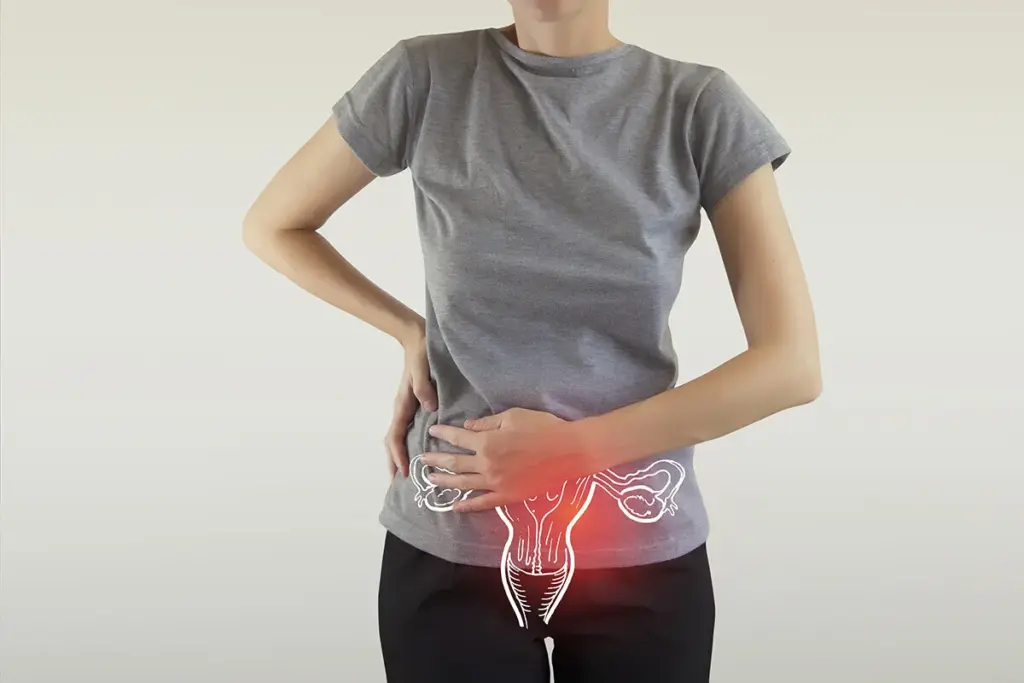
Many women worry when they find out they have a fluid-filled sac. It’s normal to fear it might impact your dreams of starting a family. But, the truth is often more reassuring than you think.
Can ovarian cysts cause infertility? Understand the connection between various cyst types and their impact on reproductive health.
Most of these growths are a normal part of your cycle and often go away on their own. The connection between ovarian cysts and fertility really depends on the type of growth. While many are harmless, some, like endometriomas, need more careful attention.
At Liv Hospital, we offer expert advice and empathetic care. We look at your health to see if can a cyst keep you from getting pregnant. Our aim is to give you clarity so you can feel confident about your reproductive health.
Key Takeaways
- Most fluid-filled sacs are functional and do not block pregnancy.
- Certain types, such as those related to PCOS, may pose challenges.
- The size and location of the growth are vital for a proper diagnosis.
- Many women conceive successfully without needing surgery for these sacs.
- Regular monitoring helps ensure that your reproductive organs stay healthy.
- Professional medical guidance is essential to distinguish between harmless and complex types.
Understanding Ovarian Cysts and Their Types
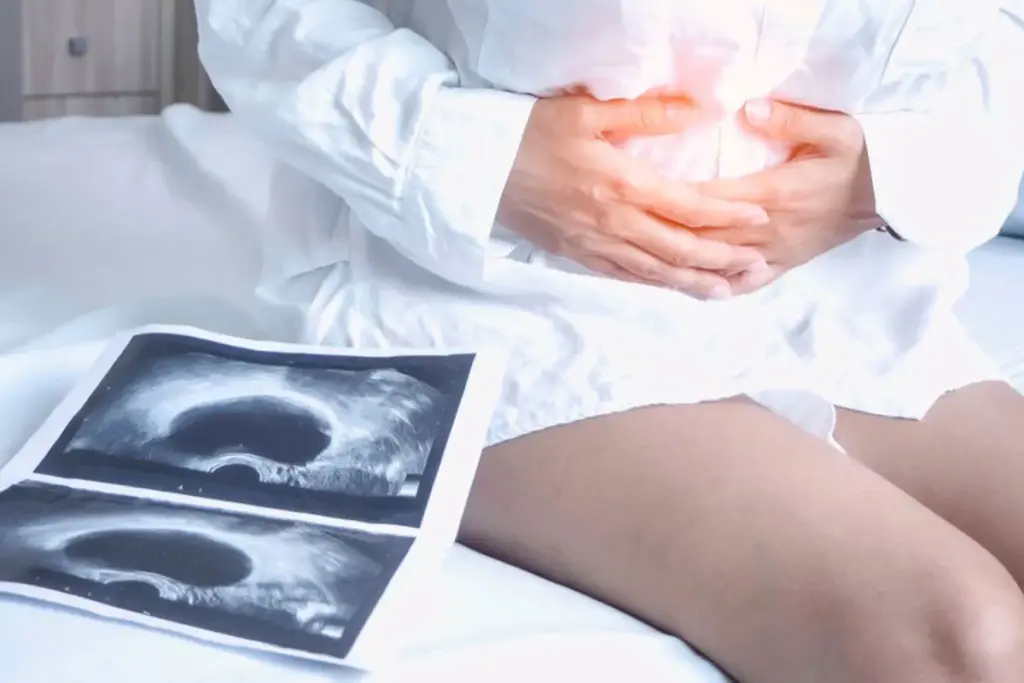
To understand how ovarian cysts might affect fertility, we need to know what they are and their types. Ovarian cysts are sacs filled with fluid or tissue that form on an ovary. This is according to the American College of Obstetricians and Gynecologists (ACOG).
What Are Ovarian Cysts?
Ovarian cysts are common in women of all ages. They can be harmless and go away on their own. But sometimes, they need medical care. These cysts can worry people about their fertility.
Functional Cysts: The Most Common Type
Functional cysts are the most common type of ovarian cyst. They are linked to the menstrual cycle. There are follicular cysts and corpus luteum cysts.
Follicular cysts happen when a follicle doesn’t release an egg. Corpus luteum cysts occur when the corpus luteum doesn’t dissolve after releasing an egg. These cysts usually don’t affect fertility and often go away by themselves.
Functional cysts are usually not a worry for fertility. They are a normal part of the ovarian cycle. They usually don’t stop ovulation or conception.
Pathological Cysts That Require Attention
On the other hand, pathological cysts like endometriomas and cystadenomas need medical check-ups. Endometriomas are linked to endometriosis. This is when tissue like the uterus lining grows outside the uterus, which can affect fertility.
Knowing the type of ovarian cyst is key to understanding its impact on fertility. While functional cysts are usually harmless and short-lived, pathological cysts can have bigger effects on reproductive health.
Will Ovarian Cysts Cause Infertility? The Connection Explained
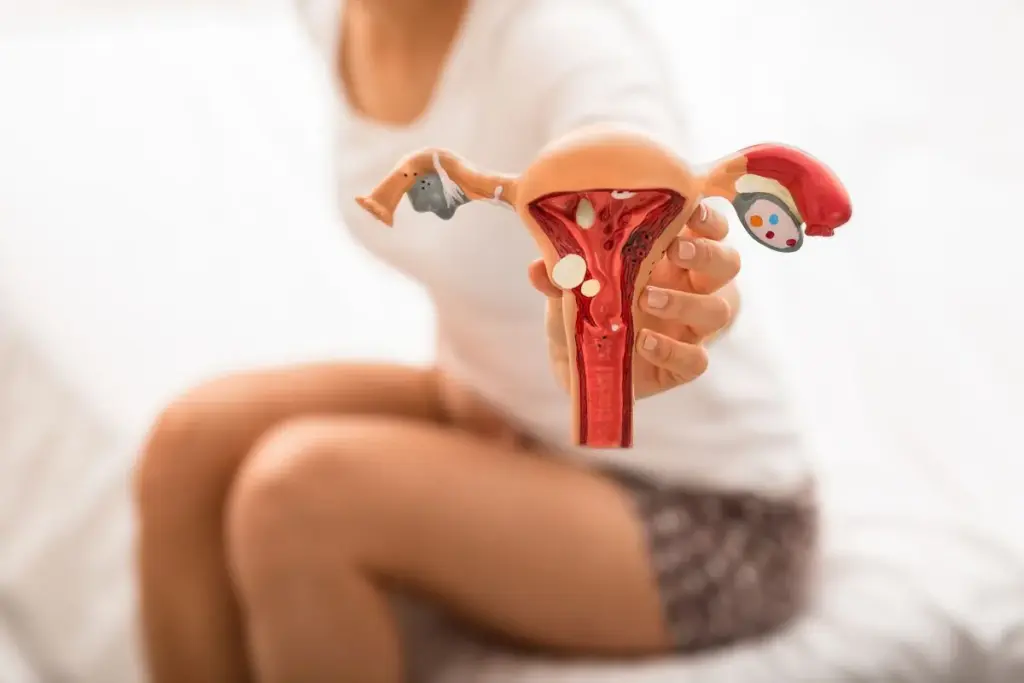
It’s important for women trying to get pregnant to know how ovarian cysts can affect them. These cysts are fluid-filled sacs on the ovaries. While many are harmless and go away on their own, some can harm fertility.
We will look at the different kinds of ovarian cysts and how they affect getting pregnant. This will help clear up any confusion.
How Functional Cysts Affect Your Fertility
Functional cysts are the most common type of ovarian cyst. They are usually harmless and often go away without treatment. Most women with functional cysts don’t have lasting fertility problems. But, big cysts can rupture or twist, which might hurt fertility.
Endometriomas and Their Impact on Conception
Endometriomas, or chocolate cysts, are linked to endometriosis. Endometriosis is when tissue like the uterus lining grows outside the uterus, causing inflammation and scarring. These cysts can harm the ovaries and stop ovulation, making it hard to get pregnant. Studies say 30-50% of women with endometriosis will have trouble getting pregnant.
Polycystic Ovary Syndrome (PCOS) and Fertility Challenges
Polycystic Ovary Syndrome (PCOS) is a hormonal disorder that causes small cysts on the ovaries. It leads to hormonal imbalances, irregular periods, and ovulation problems. These issues make it hard for women with PCOS to get pregnant.
The main factors that affect fertility in women with PCOS are:
- Hormonal imbalance
- Irregular ovulation
- Insulin resistance
Knowing the type of ovarian cyst and its impact on fertility is key for women trying to conceive. While some cysts don’t affect fertility much, others like endometriomas and those with PCOS can have big effects on reproductive health.
Conclusion
It’s key for women trying to get pregnant to know about ovarian cysts and fertility. We’ve looked at the different kinds of cysts and how they might affect getting pregnant.
Most ovarian cysts are harmless and don’t hurt fertility. But some, like endometriomas and those linked to PCOS, can cause problems. Knowing how ovarian cysts might affect fertility is important.
Many women with cysts can get pregnant easily. But, some might face more challenges. The type and size of the cyst, and its cause, play a big role. In some cases, an ovarian cyst can lead to infertility.
Women with cysts trying to conceive should see a doctor. Understanding the cyst and getting the right treatment can help. With the right care, many women with cysts can get pregnant and have a healthy baby.
FAQ
Can an ovarian cyst cause infertility?
Most ovarian cysts are not harmful to your ability to have children. But, some cysts can affect your fertility. For example, cysts linked to PCOS or endometriomas can disrupt ovulation or change the shape of your ovaries.
Does an estrogen producing cyst and IVF treatments work together?
An estrogen-producing cyst and IVF can be tricky. High estrogen levels from the cyst might stop your body from making the hormone needed for egg production. Doctors at places like Medical organization or Shady Grove Fertility watch these levels closely. They might wait until the cyst goes away to start your IVF cycle.
Can a cyst keep you from getting pregnant if it is large?
A big cyst might worry you about getting pregnant. But, size alone usually doesn’t stop you from getting pregnant. It’s the cyst’s cause, like endometriosis, that often affects your ability to conceive.
Do ovarian cysts cause infertility in every case?
Not every woman with ovarian cysts will have trouble getting pregnant. Most women with simple cysts can conceive without issues. Getting a clear picture of your cysts and hormone levels is the first step to a successful pregnancy plan.
Can a cyst on your ovaries prevent pregnancy by blocking the egg?
Some women worry that a cyst can block the egg’s path. But, cysts themselves don’t usually block the egg. Yet, cysts like endometriomas can cause scarring or adhesions. This can make it hard for the fallopian tube to pick up the egg.
How does a cyst on ovary affect fertility during the natural cycle?
A cyst on your ovary can affect your fertility cycle. If a corpus luteum cyst lasts too long, it might delay your next period. But, it rarely causes long-term fertility problems. Talking to a fertility specialist can help understand how your cyst affects your chances of getting pregnant.
Will ovarian cysts cause infertility if they are left untreated?
Untreated cysts might not always cause infertility. Most functional cysts go away on their own in a few cycles. But, it’s important to get checked because some cysts are signs of bigger issues like PCOS or endometriosis. Early treatment is key to keeping your fertility healthy.
Does ovarian cysts affect fertility if they are removed surgically?
Surgery to remove cysts can actually help your fertility. The decision to remove a cyst depends on its size and the risk to your eggs. Surgeons at places like Medical organization use advanced techniques to remove cysts while protecting your eggs.
Can a cyst on an ovary prevent pregnancy even if I am ovulating?
Yes, even with regular ovulation, cysts can affect your chances of getting pregnant. Some cysts can cause inflammation in the pelvis. This inflammation can make it hard for the egg to be fertilized or for the embryo to implant in the uterus.
Can an ovarian cyst cause infertility if it is a dermoid cyst?
Dermoid cysts are usually not related to hormonal imbalances. So, they don’t usually affect your fertility. But, very large dermoid cysts might need surgery. This surgery could affect your ovary’s health and fertility.
References
National Center for Biotechnology Information. Evidence-Based Medical Insight. Retrieved from https://pubmed.ncbi.nlm.nih.gov/24559614/



 Departments
 Related Videos
 Our Doctors
 News
News