
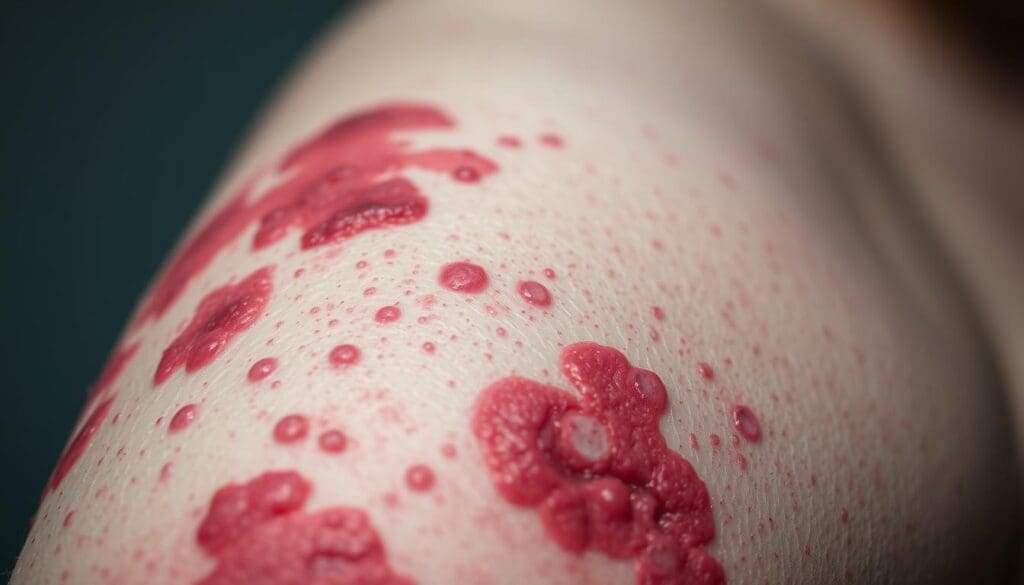
Seeing itchy skin and unexplained bruising or rash spots can worry you. At Liv Hospital, we know how important it is to find the connection between petechiae, easy bruising, and itchiness. This helps us give the right care. Learn can petechiae itch and the causes of easy bruising combined with itchy skin in adults and children.
Petechiae are small, flat spots on the skin from bleeding underneath. They usually don’t itch, but some health issues or medicine reactions can make you itch and bruise easily.
Understanding the causes of these symptoms is key to treating them well. Our team at Liv Hospital is committed to caring for our patients. We use our knowledge to tackle these tough conditions.
Key Takeaways
- Petechiae are small, flat spots caused by bleeding under the skin.
- Underlying conditions can cause both easy bruising and itchy skin.
- Identifying the root cause is critical for effective treatment.
- Liv Hospital offers expert care for patients with these symptoms.
- Patient-focused care is our top priority at Liv Hospital.
Understanding Petechiae: What They Are and How They Form
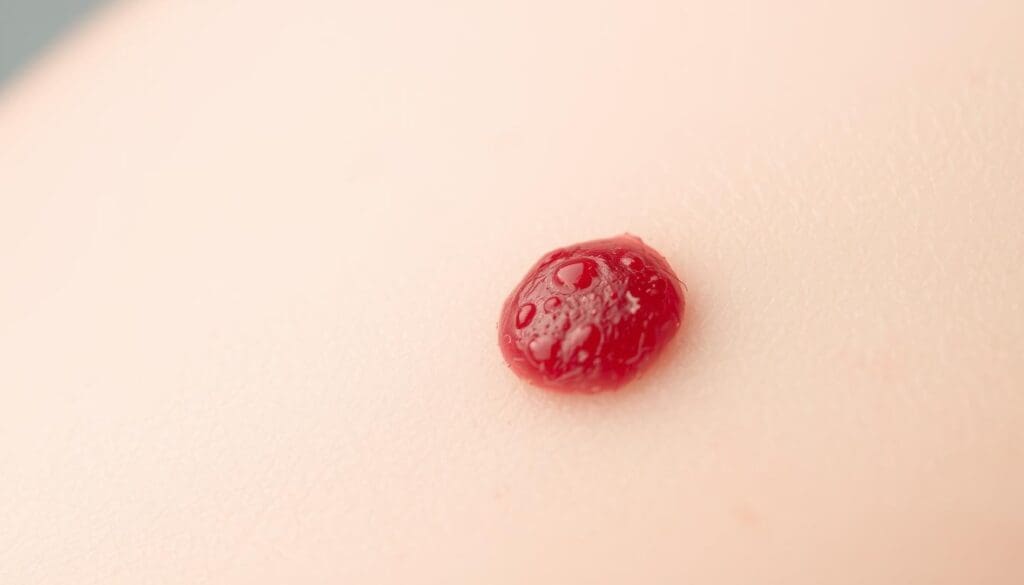
Petechiae are small, pinpoint spots on the skin from broken blood vessels. They are a sign of blood leaking into the skin. Knowing what petechiae are and where they appear is key to figuring out their cause.
Definition and Appearance of Petechiae
Petechiae look like small dots and are usually red or purple. They don’t fade when pressed, unlike other skin spots. They are often less than 2 mm in size and can appear in clusters.
Seeing petechiae can be scary, but they’re often not serious. Yet, they can hint at a health issue that needs a doctor’s check-up. Watching their size, color, and spread can help understand their cause.
How Petechiae Differ from Bruises and Rashes
Petechiae are often mixed up with bruises or rashes, but they’re different. Bruises are bigger and come from more blood leakage. Rashes can look different and have many causes. Petechiae stand out because of their small size and color.
| Characteristics | Petechiae | Bruises | Rashes |
| Size | Less than 2 mm | Larger than 2 mm | Varies |
| Appearance | Pinpoint, red/purple | Large, blue/purple | Varies (red, bumps, blisters) |
| Blanching | No | No | Varies |
Common Locations Where Petechiae Appear
Petechiae can pop up anywhere but often show up on legs, arms, and the torso. They can also be seen on mucous membranes like inside the mouth. Where they appear can give hints about their cause.
“Petechiae are a sign of an underlying issue that needs to be addressed. Their presence warrants a thorough medical evaluation to determine the cause and appropriate treatment.”
In summary, knowing about petechiae means understanding their definition, look, and how they differ from other skin issues. Being aware of where they show up and what they look like helps in figuring out what to do next.
Can Petechiae Itch? Examining the Relationship
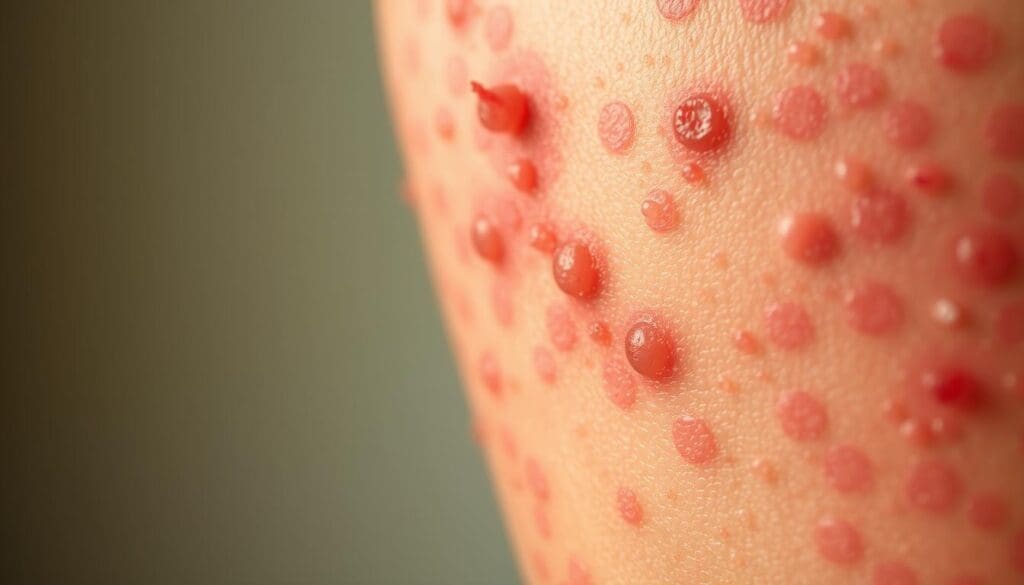
Petechiae and itching can both be signs of health problems. Looking into their connection can give us important clues. We’ll see if petechiae can itch and when itching might happen with them.
The Normal Sensation of Petechiae
Petechiae are small spots on the skin from minor bleeding. Petechiae themselves don’t itch. They are flat and don’t stick out, unlike other itchy skin problems.
When Petechiae Occur with Itching
Even though petechiae don’t itch usually, they can sometimes. This happens when:
- Petechiae are linked to conditions that itch, like infections or inflammation.
- There are skin issues like eczema or dermatitis with petechiae.
- Allergic reactions or sensitivities cause both petechiae and itchy skin.
Distinguishing Between Petechiae and Itchy Skin Conditions
It’s key to tell petechiae apart from itchy skin problems. Petechiae are not itchy, but conditions like eczema or allergies can be itchy. Knowing the differences helps figure out what’s causing the symptoms.
Some main differences are:
- Appearance: Petechiae are small, flat, and red or purple. Itchy skin issues have redness, scaling, or bumps.
- Sensation: Petechiae don’t itch or hurt, but itchy skin does.
- Distribution: Petechiae are in clusters or spread over a certain area. Itchy skin can be all over or in specific spots.
The Connection Between Easy Bruising and Itchy Skin
When you notice easy bruising and itchy skin together, it’s important to find out why. These symptoms can be linked in many ways, affecting your overall health.
Blood Vessel Health and Its Impact
Blood vessel health is key to avoiding easy bruising and itchy skin. Weakened blood vessels make bruising more likely. Itchy skin can also happen if blood vessels aren’t working right, not getting enough oxygen and nutrients.
“The integrity of blood vessels is vital for healthy skin and preventing bruising,” experts say. Fragile blood vessels can bruise easily, even from small injuries.
Inflammatory Processes: A Common Link
Inflammation in the body can cause both easy bruising and itchy skin. Chronic inflammation weakens blood vessels and irritates the skin, making it itch.
- Inflammation makes blood vessels more prone to bruising.
- Conditions like eczema, caused by inflammation, can make skin itch.
The Role of Immune System Dysfunction
Immune system problems can also lead to easy bruising and itchy skin. When the immune system doesn’t work right, it can cause many health issues, including skin and blood vessel problems.
Autoimmune disorders, for example, can make the immune system attack healthy tissues. This can cause itchiness and bruising.
“Autoimmune conditions can show up in many ways, including skin and blood vessel problems,” an immunology expert notes.
Understanding the link between easy bruising and itchy skin is key to finding the cause and getting the right treatment. By looking at the factors behind these symptoms, we can manage and treat them better.
Blood Disorders That Cause Bruising and Itching
Certain blood disorders can cause bruising and itching. These symptoms are alarming and need medical attention. We will look at the conditions that cause these symptoms and what they mean.
Thrombocytopenia and Related Conditions
Thrombocytopenia is when you have too few platelets. This can make you bruise easily and bleed more. Itching can also happen because your body can’t heal skin well. Thrombocytopenia can be caused by autoimmune disorders, medications, and bone marrow problems.
A study in the Journal of Clinical and Aesthetic Dermatology found thrombocytopenia can come from bone marrow failure or immune-mediated platelet destruction. Knowing the cause is key to treating it right.
| Condition | Primary Symptoms | Causes |
| Thrombocytopenia | Bruising, bleeding, itching | Autoimmune disorders, medications, bone marrow issues |
| Leukemia | Fatigue, weight loss, bruising, itching | Genetic mutations, radiation exposure |
| Clotting Factor Deficiencies | Bleeding, bruising, joint pain | Genetic disorders (e.g., Hemophilia) |
Leukemia and Other Hematological Malignancies
Leukemia is a blood cancer that can cause bruising and itching. It affects the bone marrow’s ability to make healthy blood cells. Leukemia cells in the bone marrow can disrupt blood cell production, causing symptoms like bruising and itching.
“Leukemia can manifest with a variety of symptoms, including those that affect the skin such as bruising and itching, due to the disease’s impact on blood cell production.”
Clotting Factor Deficiencies
Clotting factor deficiencies, like Hemophilia A and B, make it hard for blood to clot. This leads to easy bruising and bleeding. Itching is less common but can happen due to bleeding in the skin or joints. Managing clotting factor deficiencies involves replacing the missing clotting factors.
It’s important to understand these blood disorders to diagnose and manage symptoms well. We will look at more conditions in the next sections.
Autoimmune Conditions Associated with Petechiae and Pruritus
It’s key to know how autoimmune diseases affect the skin. These diseases happen when the body attacks itself, causing symptoms like petechiae and pruritus.
Vasculitis: When Blood Vessels Become Inflamed
Vasculitis is when blood vessels get inflamed. This can damage the vessels and cause petechiae. It’s linked to many autoimmune diseases.
Key Features of Vasculitis:
- Inflammation of blood vessels
- Damage to blood vessel walls
- Petechiae and other skin manifestations
- Potential involvement of multiple organ systems
Lupus and Its Skin Manifestations
Systemic Lupus Erythematosus (SLE) is a chronic disease that affects many parts of the body, including the skin. It can cause a range of skin problems, from mild rashes to severe lesions. Some people with lupus may also get petechiae and pruritus.
| Skin Manifestation | Description | Frequency in Lupus Patients |
| Malar Rash | Butterfly-shaped rash across the cheeks | Common |
| Discoid Lupus | Coin-shaped lesions on the skin | Less Common |
| Petechiae | Small, pinpoint spots due to bleeding under the skin | Rare |
Other Autoimmune Disorders That Affect Skin and Blood Vessels
Other autoimmune diseases can also cause petechiae and pruritus. These include rheumatoid arthritis, scleroderma, and dermatomyositis. These conditions can affect the skin and blood vessels.
Healthcare providers should look at many autoimmune disorders when dealing with skin symptoms.
We’ve talked about how different autoimmune conditions can lead to petechiae and pruritus. Understanding these diseases is key for the right diagnosis and treatment.
Medication-Induced Bruising and Itching
Some medicines can cause bruising and itching as side effects. These symptoms can happen if the medicine affects blood clotting or triggers an allergic reaction.
Blood Thinners and Anticoagulants
Blood thinners and anticoagulants can make you more prone to bruising. They prevent blood clots, which is good for people at risk of stroke or heart attack. But, they can also make your skin bruise more easily and itch.
Medicines like warfarin, apixaban, and rivaroxaban are examples. If you’re taking these, watch for any unusual skin changes.
Antibiotics and Other Common Medications
Some antibiotics and other drugs can also cause bruising and itching. For example, sulfonamide antibiotics can cause itchy skin or rashes. Corticosteroids and certain anticonvulsants can make your skin thin or cause allergic reactions, leading to these symptoms.
- Antibiotics: Sulfonamides, penicillins
- Corticosteroids: Prednisone
- Anticonvulsants: Phenytoin
When to Report Medication Side Effects
If you notice bruising or itching while taking medicine, tell your doctor. They can check if the medicine is causing it and change your treatment if needed.
Keep a record of your symptoms, including when they started and any factors that seem to make them better or worse. This helps your doctor make better decisions for your care.
Talking to your healthcare provider about any side effects is important. It helps keep you safe and ensures you get the best treatment.
Nutritional Deficiencies That Contribute to Both Symptoms
Not getting enough nutrients can cause skin problems like easy bruising and itchiness. These issues affect how our skin and blood vessels work. We’ll look at how certain nutrient shortages cause these symptoms.
Vitamin C Deficiency and Capillary Fragility
Vitamin C is key for blood vessel health. Without enough, blood vessels can break easily, leading to bruises. It also helps make collagen, which is good for the skin.
Consequences of Vitamin C Deficiency:
- Capillary fragility
- Easy bruising
- Poor wound healing
Vitamin K Deficiency and Blood Clotting
Vitamin K helps blood to clot properly. Without it, bruises take longer to heal and bleeding can last longer. It’s also important for bones and heart health.
| Nutrient | Role in Body | Deficiency Symptoms |
| Vitamin C | Collagen synthesis, antioxidant | Easy bruising, poor wound healing |
| Vitamin K | Blood clotting | Easy bruising, prolonged bleeding |
Other Essential Nutrients for Skin and Blood Vessel Health
Other nutrients like vitamin D, zinc, and omega-3 fatty acids are also important. They help keep skin and blood vessels healthy. Eating right or taking supplements can help avoid these issues.
“A well-balanced diet rich in essential nutrients is fundamental to maintaining healthy skin and preventing conditions like easy bruising and itchiness.”
Knowing how nutrients affect our skin can help us avoid problems like easy bruising and itchiness. Good nutrition is key to staying healthy and feeling well.
Diagnosis and Evaluation of Unexplained Bruising and Itching
Figuring out why you have unexplained bruising and itching takes a detailed look. Doctors have to think about many possible reasons when you show these symptoms.
Medical History and Physical Examination
First, we take a close look at your medical history and do a physical check-up. We want to know about any recent health issues, medicines, or changes in your life that might be causing your symptoms.
During the check-up, we pay attention to where, how big, and how the bruising and itching are. This helps us guess what might be causing it and decide what tests to do next.
Laboratory Tests and Imaging Studies
Lab tests are key in finding out why you have unexplained bruising and itching. Some tests we might do include:
- Complete Blood Count (CBC) to check your platelet count and blood cells
- Blood chemistry tests to see how your liver and kidneys are doing
- Coagulation studies to check how your blood clots
- Skin biopsy in some cases to look at your skin more closely
We might also use imaging like ultrasound or CT scans to check for other possible causes.
When to Seek Immediate Medical Attention
Most cases of unexplained bruising and itching can be checked without needing to go to the hospital. But, there are times when you should go to the emergency room right away. You should seek emergency care if you have:
- Severe bruising or bleeding that won’t stop
- Itching that makes it hard to breathe or swallow
- Fever over 101°F (38.3°C)
- Signs of infection, like redness, swelling, or pus
Getting medical help quickly is important to avoid serious problems and get the right treatment.
Conclusion: Managing and Treating Petechiae and Itchy Skin
We’ve looked into how petechiae and itchy skin are connected. We’ve seen the many reasons they happen, from not getting enough nutrients to having blood or autoimmune diseases.
To fix these issues, we need to find and treat the main cause. For example, not enough vitamins C or K can cause problems. Treating diseases like lupus or vasculitis might need special medicines.
If medicines are causing the trouble, changing or stopping them might help. Doctors and patients work together to find the best treatment. This plan is made just for the person, aiming for the best results.
Knowing what causes petechiae and itchy skin is the first step to feeling better. It’s key to see a doctor if these problems don’t go away or get worse. This way, we can get the right treatment and improve our lives.
FAQ
What are petechiae, and how do they differ from bruises?
Petechiae are small spots on the skin from bleeding in tiny blood vessels. They are different from bruises because they are smaller and don’t change color like bruises do.
Can petechiae be itchy?
Usually, petechiae are not itchy. But sometimes, they can be itchy if they’re linked to a condition that causes itching.
What causes easy bruising and itchy skin together?
Easy bruising and itchy skin can come from many things. This includes problems with blood vessels, inflammation, immune system issues, and certain diseases like thrombocytopenia or leukemia.
How do blood disorders like thrombocytopenia cause bruising and itching?
Thrombocytopenia means you have low platelets, leading to easy bruising. Some blood disorders can also make you itch by releasing chemicals or building up toxins.
Can autoimmune conditions cause petechiae and itching?
Yes, conditions like vasculitis and lupus can cause petechiae and itching. They damage blood vessels and trigger inflammation.
Are there any medications that can cause bruising and itching?
Yes, some medicines like blood thinners and antibiotics can cause bruising and itching. Always tell your doctor if you notice any unusual side effects.
How do nutritional deficiencies contribute to bruising and itchy skin?
Lack of vitamins C and K can lead to bruising and itchy skin. This is because they affect blood vessel health and blood clotting.
What steps are involved in diagnosing the cause of unexplained bruising and itching?
To find the cause, doctors will take your medical history, do a physical exam, and run tests. These tests include blood counts and clotting studies to find the problem.
When should I seek immediate medical attention for bruising and itching?
Get medical help right away if you have severe bruising, itching, or symptoms like fever, fatigue, or trouble breathing.
How can petechiae and itchy skin be managed and treated?
Treatment depends on the cause. It’s important to address the underlying issue, whether it’s a blood disorder, autoimmune condition, or nutritional deficiency, to help symptoms.
What is the role of immune system dysfunction in easy bruising and itchy skin?
Immune system problems can lead to easy bruising and itchy skin. This is because they can trigger inflammation and damage blood vessels.
Can certain conditions cause itchy skin rash and bruising?
Yes, conditions like vasculitis, lupus, and some blood disorders can cause itchy skin rash and bruising.
Are there any specific laboratory tests used to diagnose the cause of bruising and itching?
Yes, tests like complete blood counts, clotting studies, and autoimmune panels can help find the cause of bruising and itching.
References
Jaliman, D. (2023). What are petechiae? Medical News Today.https://www.medicalnewstoday.com/articles/323385



 Departments
 Related Videos
 Our Doctors
 News
News