


Epilepsy affects millions worldwide, raising a key question: does it cause neurological damage? Recent studies have uncovered the complex link between seizures and the brain. They show that epilepsy’s impact is more than just the seizures.
We will dive into the current understanding of epilepsy and its brain effects. We’ll look at the possible seizure effects on the brain and what it means for those with the condition.
Key Takeaways
- Epilepsy is a complex neurological disorder characterized by recurrent seizures.
- The relationship between seizures and brain damage is multifaceted.
- Understanding epilepsy’s impact on the brain is key for effective management.
- Recent advancements have improved our knowledge of epilepsy’s causes and effects.
- Epilepsy’s effects on the brain can vary widely among individuals.
The Nature of Epilepsy and Seizures

Epilepsy is a complex disorder that affects the brain. It is found in about 50 million people worldwide. Seizures vary in type and severity.
Defining Epilepsy as a Neurological Disorder
Epilepsy is marked by recurring seizures that can change based on brain location. Seizures happen when the brain’s electrical signals go awry. This can lead to changes in behavior or no symptoms at all.
The Epilepsy Foundation explains, “Epilepsy is not one disease but a range of disorders. They all share a risk for recurring seizures.” This shows how complex and varied epilepsy can be.
Common Types of Seizures and Their Characteristics
Seizures are mainly divided into focal and generalized types. Focal seizures impact one brain area, while generalized seizures affect both sides.
- Focal seizures can cause symptoms like twitching or numbness in a specific limb.
- Generalized seizures can lead to convulsions, loss of consciousness, or absence seizures.
Knowing these types is key to managing epilepsy well.
|
Seizure Type |
Characteristics |
|---|---|
|
Focal Seizures |
Affect one part of the brain; symptoms depend on the area affected. |
|
Generalized Seizures |
Involve both sides of the brain; can cause convulsions or loss of consciousness. |
Prevalence and Impact in the United States
In the U.S., epilepsy affects a significant number of people. The CDC says about 1 in 26 people will get epilepsy at some point.
Epilepsy’s impact goes beyond the person, affecting families and communities. Raising awareness is key to reducing stigma and supporting those affected.
Brain Function and Epilepsy: The Neurological Connection
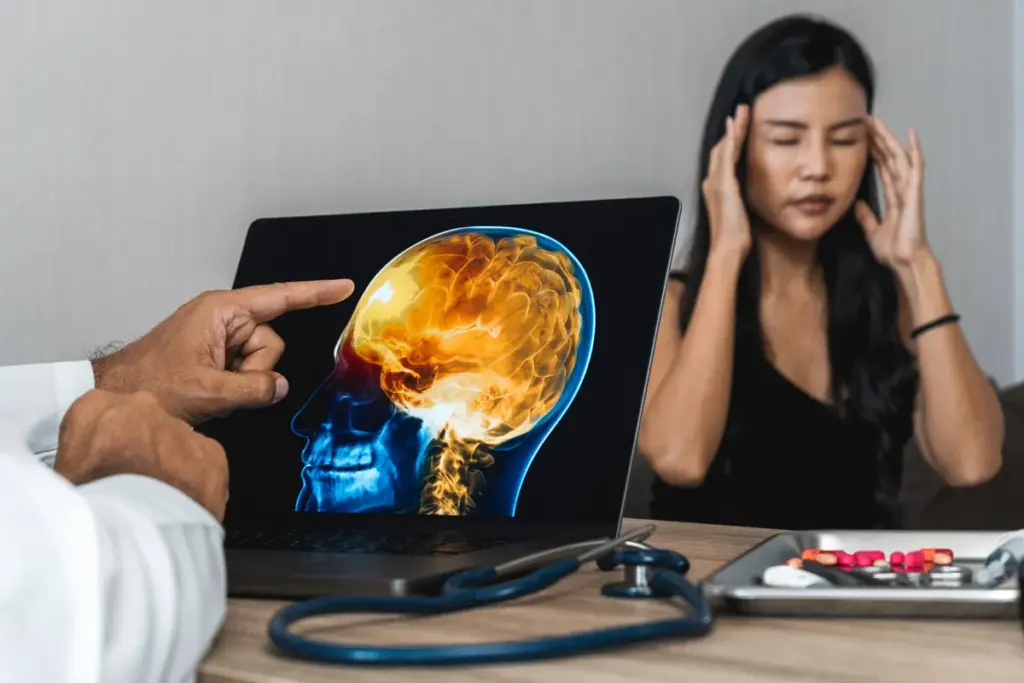
It’s important to understand how brain function and epilepsy are connected. Epilepsy is a complex disorder that affects millions. It changes how the brain’s electrical activity works during seizures.
Normal Brain Electrical Activity
The brain works on a fine balance of electrical signals. Neurons talk to each other through these signals. Research shows that the brain’s electrical activity is controlled by excitatory and inhibitory neurotransmitters. This balance is key for our brain functions.
Abnormal Electrical Patterns During Seizures
Seizures disrupt the brain’s normal electrical activity. They cause abnormal, excessive, and synchronized neuronal discharges. “Seizures happen when the brain’s excitatory and inhibitory forces are out of balance, leading to an electrical storm.” This can cause a variety of symptoms, from mild changes to severe convulsions.
Brain Regions Most Affected by Epileptic Activity
Some brain areas are more prone to epileptic activity. The temporal lobe, hippocampus, and neocortex are often affected. The hippocampus is often damaged in temporal lobe epilepsy, a common type of epilepsy. Damage here can lead to memory and cognitive problems.
Exploring the link between epilepsy and brain function is key. It helps us find better treatments and prevent brain damage from seizures.
Root Causes: Is Epilepsy a Result of Brain Damage?
Understanding what causes epilepsy is key to managing it well. Epilepsy can come from many sources. Knowing these causes helps doctors create better treatment plans.
Pre-existing Brain Injuries That Can Trigger Epilepsy
Brain injuries before epilepsy can happen are a big risk. These injuries might be from a head injury, stroke, or brain infections. Studies show that people with these injuries might get epilepsy because of brain scarring and changes in brain signals.
Common types of brain injuries that can lead to epilepsy include:
- Traumatic brain injuries with skull fractures or intracranial hemorrhage
- Stroke, specially those involving hemorrhagic transformation
- Brain infections like meningitis or encephalitis
- Brain tumors or cysts
|
Type of Brain Injury |
Risk of Developing Epilepsy |
|---|---|
|
Traumatic Brain Injury |
Moderate to High |
|
Stroke |
Moderate |
|
Brain Infections |
High |
Genetic Factors in Epilepsy Development
Genetics also play a big part in epilepsy. Some genes can change how the brain works, causing seizures. Some types of epilepsy are linked to specific genes.
Key genetic factors include:
- Mutations in genes encoding ion channels or neurotransmitter receptors
- Genetic syndromes such as tuberous sclerosis complex
- Family history of epilepsy
“Genetic epilepsy with febrile seizures plus (GEFS+) is an example of a genetic epilepsy syndrome that highlights the complex interplay between genetic factors and seizure susceptibility.”
Developmental and Congenital Causes
Developmental and congenital factors also matter in epilepsy. Problems in brain development, due to genes or pregnancy factors, can cause epilepsy.
Examples of developmental and congenital causes include:
- Cortical dysplasia
- Hemimegalencephaly
- Other malformations of cortical development
Knowing these causes is key for diagnosing and treating epilepsy. Doctors can make better plans by understanding what caused it.
Can Seizures Cause Brain Damage?
Seizures can harm the brain, a worry for those with epilepsy. They show the brain’s electrical activity is off. Knowing how they affect the brain is key to managing epilepsy well.
Mechanisms of Seizure-Induced Neuronal Injury
Seizures can damage the brain in several ways. One big worry is the release of too many excitatory neurotransmitters. This can hurt brain cells by making their receptors work too hard.
Key factors contributing to seizure-induced neuronal injury include:
- Excessive glutamate release
- Overactivation of NMDA receptors
- Increased intracellular calcium levels
- Mitochondrial dysfunction
Excitotoxicity and Metabolic Stress During Seizures
During a seizure, the brain needs more energy. This can cause metabolic stress, making brain cell damage worse. The link between excitotoxicity and metabolic stress is strong. Too much activity can use up energy and harm cells.
The effects of seizures on brain health are complex. Knowing how seizures work is key to finding better treatments.
Risk Factors That Increase the Chance of Brain Damage
Some factors can make brain damage from seizures more likely. These include:
- Status epilepticus: Long seizures can really hurt brain cells.
- Frequency and severity of seizures: More and worse seizures raise the risk of brain damage.
- Age and underlying health conditions: Older people and those with health issues are more at risk.
Knowing these risk factors helps doctors create better treatment plans. This can lower the chance of brain damage.
Status Epilepticus: A Medical Emergency
Seizures that last too long or happen too often can turn into a serious condition called status epilepticus. This is a life-threatening emergency that needs quick action to avoid brain damage or death.
Defining Prolonged Seizure Activity
Status epilepticus means seizures that go on for more than 30 minutes without stopping. It can show up in different ways, like convulsive and non-convulsive status epilepticus. Both need fast diagnosis and treatment.
How Long Can a Seizure Last Before Brain Damage Occurs?
The time it takes for a seizure to cause brain damage varies. Seizures over 5 minutes are seen as a medical emergency. They can harm brain cells and lead to lasting neurological problems.
Emergency Response and Treatment Protocols
Handling status epilepticus well means acting fast. The emergency steps include:
- Starting with benzodiazepines to stop the seizures.
- Keeping the airway, breathing, and circulation (ABCs) stable.
- Finding and treating the cause of the seizures.
- Using stronger treatments if the first ones don’t work.
Quick medical help is key to managing status epilepticus and reducing brain damage risk. Knowing the signs and how to act can greatly improve outcomes.
The Physical Experience and Immediate Effects of Seizures
Seizures can be very disorienting, affecting people in different ways. The physical sensations and immediate effects of seizures vary widely. It’s important to understand these aspects to support those with epilepsy.
Do Epileptic Seizures Hurt?
Whether seizures hurt is a complex question. Research shows that during a seizure, people usually don’t feel pain in the usual way. Yet, some might feel uncomfortable or distressed. It’s key to remember that how pain is perceived can differ greatly from person to person.
Key points to consider:
- Seizure pain is not usually described as sharp or stabbing.
- Some individuals may experience auras or initial seizure sensations that can be unpleasant.
- The post-seizure phase can involve discomfort or pain due to muscle strain or injury.
Physical Sensations During Different Seizure Types
Different seizures can cause a wide range of physical sensations. For example:
- Tonic-clonic seizures often involve convulsions and muscle stiffening.
- Absence seizures may cause a brief loss of awareness without significant physical movement.
- Focal seizures can result in localized symptoms such as twitching or numbness in specific parts of the body.
These varied physical sensations highlight the need for personalized care and understanding for those experiencing seizures.
After Effects of a Seizure: The Postictal State
After a seizure, people often feel confused, tired, and may have headaches or muscle soreness. The length and intensity of this state can change based on the seizure type and individual factors.
“The postictal state is a critical recovery period that requires patience and understanding,” says a neurologist specializing in epilepsy care. “Ensuring a safe and supportive environment during this time is key.”
Understanding and managing the postictal state is vital in epilepsy care. It helps reduce discomfort and prevents complications.
Life-Threatening Aspects: Are Seizures Dangerous?
For those with epilepsy, seizures can be more than a hassle. They can be life-threatening. We’ll look at the dangers, like death, Sudden Unexpected Death in Epilepsy (SUDEP), and injuries. We’ll also talk about how to lower these risks.
Can Epileptic Seizures Kill You?
Yes, seizures can be fatal, though it’s rare. The risk is higher for those with frequent seizures or other health issues. Knowing this helps manage epilepsy better.
Key factors that increase the risk of seizure-related mortality include how often and severe seizures are, other health conditions, and how well treatment works.
Sudden Unexpected Death in Epilepsy (SUDEP)
SUDEP is sudden death in someone with epilepsy, often during or right after a seizure. The exact cause is not known, but it’s linked to the seizure or its aftermath.
Reducing the risk of SUDEP means managing seizures well through medicine, lifestyle changes, and sometimes surgery. Keeping an eye on seizure activity and adjusting treatment helps too.
Injuries and Accidents During Seizures
Seizures can cause injuries, from small bruises to serious head injuries or fractures. The risk is higher in certain situations, like driving or using heavy machinery during a seizure.
Preventing injuries during seizures means removing dangers, using safety gear like helmets, and having a plan for seizures.
Risk Reduction Strategies
Lowering seizure risks needs a few steps, like sticking to medication, changing your lifestyle, and knowing what triggers seizures.
- Adhering to prescribed medication regimens
- Making lifestyle changes such as getting regular sleep and managing stress
- Avoiding known seizure triggers
- Having a seizure action plan
By understanding the risks and taking steps ahead of time, people with epilepsy can lower their chance of complications.
Short-Term Effects of Seizures on Brain Function
Seizures can immediately affect brain function. They can change how we think and feel. During a seizure, brain activity is disrupted, causing short-term effects.
Temporary Cognitive Impairments
Seizures can make it hard to think clearly. You might feel confused, have trouble focusing, or react slowly. How much you’re affected depends on the seizure’s type and severity.
Seizures in certain brain areas can harm specific skills. For example, memory or language problems might occur. Knowing this helps manage the condition better.
Memory Disruption Following Seizures
Seizures can mess with memory. People might forget what happened before or after the seizure. Sometimes, they don’t remember the seizure itself. These memory issues are usually short-lived but can be upsetting.
Studies show seizures can impact both short and long-term memory. The hippocampus, key for memory, is often affected. This is why memory problems are common in people with epilepsy.
Emotional and Behavioral Changes
Seizures can also change how we feel and act. Some people might feel moody, irritable, or anxious after a seizure. These changes can be hard for both the person and their loved ones.
It’s important to know these emotional and behavioral shifts are usually short-lived. They often go away as the person recovers. But, it’s key to understand and manage them to keep overall well-being.
|
Short-term Effect |
Description |
Duration |
|---|---|---|
|
Cognitive Impairments |
Confusion, difficulty concentrating, slowed reaction times |
Temporary, varies by seizure type |
|
Memory Disruption |
Difficulty recalling events before or after the seizure |
Often temporary, can be distressing |
|
Emotional/Behavioral Changes |
Mood swings, irritability, anxiety |
Temporary, resolves with recovery |
Long-Term Effects of Seizures on the Brain
It’s important to know how seizures affect the brain over time. This knowledge helps manage epilepsy and prevent brain damage. Seizures can change the brain’s structure and how it works.
Cumulative Impact of Recurrent Seizures
Seizures that happen often can harm the brain more and more. They can cause lasting changes in thinking and brain function. The hippocampus, a key area, is often affected.
Key effects of recurrent seizures include:
- Progressive neuronal loss
- Cognitive decline
- Memory impairments
Emotional and behavioral changes
Neuroimaging Evidence of Progressive Changes
Tools like MRI and PET scans show how seizures change the brain. They reveal changes in brain structure and function. These changes can be seen over time.
|
Neuroimaging Modality |
Findings in Epilepsy |
|---|---|
|
MRI |
Hippocampal sclerosis, atrophy, and abnormalities in temporal lobe structures |
|
PET |
Hypometabolism in temporal lobe regions, indicating functional impairment |
Hippocampal Sclerosis and Memory Systems
Hippocampal sclerosis is common in those with temporal lobe epilepsy. It involves loss of neurons and scarring in the hippocampus. This can lead to memory problems, as the hippocampus is key for memory.
Seizure-Related Brain Damage Over Time
The risk of brain damage from seizures grows with their frequency and length. Seizures that last a long time, or status epilepticus, are emergencies. They can cause serious brain injury and lasting problems with thinking and movement.
Knowing these effects helps create better treatments. Treatments that not only stop seizures but also protect the brain are needed.
Cognitive and Psychological Consequences of Epilepsy
Epilepsy can affect how we think and feel. It impacts many areas of life, like learning and how well we manage our daily tasks. This can change how we see ourselves and our place in the world.
Impact on Learning and Academic Performance
Epilepsy can make it hard to learn and do well in school. Seizures can interrupt learning, and medicines might make it harder to focus. Schools need to help students with epilepsy in special ways.
Students with epilepsy might face challenges like:
- It’s hard to focus because of seizures or medicine side effects
- They might forget things they learned
- Feeling tired can make it tough to keep up in class
A study in Epilepsy & Behavior found that kids with epilepsy often struggle in school. This shows we need to give them extra help.
|
Cognitive Challenge |
Potential Impact on Learning |
|---|---|
|
Memory Impairment |
Difficulty retaining information |
|
Attention Deficits |
Struggling to focus during lessons |
|
Processing Speed Issues |
Slower completion of assignments |
Executive Function and Decision-Making Abilities
Executive function is important for planning and making decisions. People with epilepsy might have trouble with these skills. How often and what kind of seizures they have can affect how well they do.
Challenges with executive function can show up in different ways, like:
- It’s hard to plan and organize
- They might make impulsive decisions
- They struggle to think on their feet and adapt
A neurologist says it’s key to help people with epilepsy with these skills.
Psychological Comorbidities and Quality of Life
People with epilepsy often face mental health issues like depression and anxiety. The fear of seizures and the unpredictability of when they will happen can make things worse. These challenges can also affect how well they do in school and their overall happiness.
“The psychological burden of epilepsy should not be underestimated. It requires a complete approach to management that includes psychological support and counseling.”
— An Epilepsy Specialist
Managing epilepsy means more than just controlling seizures. It’s also about dealing with the mental and social effects. Understanding these issues helps doctors provide better care, improving the lives of those with epilepsy.
Can Brain Damage from Seizures Be Reversed?
To know if brain damage from seizures can be reversed, we need to look at the latest research. The brain’s ability to heal from seizure damage is linked to its neuroplasticity.
Neuroplasticity and Recovery
Neuroplasticity is the brain’s ability to make new connections throughout life. This is key for healing from brain injuries, like those from seizures. Studies show the brain can find new ways to work around damaged areas.
Key aspects of neuroplasticity include:
- Synaptic plasticity: The ability of synapses to strengthen or weaken over time.
- Neuronal regeneration: The growth of new neurons in certain parts of the brain.
- Functional reorganization: The brain’s ability to shift functions from damaged to undamaged areas.
Factors Affecting Reversibility of Damage
How much brain damage from seizures can be reversed depends on several things. These include how severe and frequent the seizures are, the person’s age, and how well treatment works.
|
Factor |
Impact on Reversibility |
|---|---|
|
Severity of Seizures |
Mild seizures may result in less damage, potentially allowing for greater recovery. |
|
Frequency of Seizures |
Less frequent seizures may reduce cumulative damage, improving recovery chances. |
|
Age of Individual |
Younger individuals may have a greater capacity for neural recovery due to higher neuroplasticity. |
|
Effectiveness of Treatment |
Timely and effective treatment can minimize damage and support recovery. |
Therapeutic Approaches for Neural Recovery
There are many ways to help the brain recover and possibly reverse damage from seizures. These include:
- Pharmacological Interventions: Medications that control seizures and may protect the brain.
- Neurostimulation Techniques: Methods like vagus nerve stimulation that can reduce seizure frequency and support brain health.
- Cognitive Rehabilitation: Programs designed to improve cognitive function and compensate for affected areas.
- Lifestyle Modifications: Changes in diet, exercise, and sleep patterns that support overall brain health.
By understanding and using these factors and treatments, people with epilepsy can improve their recovery. This can help lessen the long-term effects of seizure-related brain damage.
Preventing Seizure-Related Neurological Damage
Managing epilepsy well means stopping neurological damage from seizures. We’ll look at ways to lower this risk.
Importance of Seizure Control and Medication Adherence
Keeping seizures under control is key to avoiding long-term brain damage. Following your medication plan is essential for this. It’s important to work with your doctor to adjust your meds as needed.
- Take your meds exactly as your doctor says
- Keep track of your seizures and tell your doctor about any changes
- Change your meds if needed to control seizures better
Lifestyle Modifications for Brain Health
Changing your lifestyle can also help your brain stay healthy. Eating right, exercising, and sleeping well are all important.
Here are some lifestyle changes to consider:
- Eat a diet full of fruits, veggies, and whole grains
- Stay active to keep your blood flowing and your body healthy
- Make sure you get enough sleep to help control seizures
Monitoring and Managing Seizure Triggers
Finding and managing seizure triggers is also vital. Common ones include stress, some meds, and not enough sleep.
To handle seizure triggers well:
- Keep a diary to track when seizures happen and what might have caused them
- Try to avoid known triggers
- Use stress-reducing activities like meditation or deep breathing
By using these methods, people with epilepsy can lower their risk of brain damage from seizures. This can also improve their life quality.
Treatment Approaches to Protect Brain Function
Managing epilepsy well means protecting the brain and improving life quality. Many treatments are used, like medicines, surgery, and special diets. These methods help control seizures and keep the brain healthy.
Anti-Epileptic Medications and Neuroprotection
Anti-epileptic drugs (AEDs) are key in treating epilepsy. They aim to stop seizures and protect the brain. Some AEDs might also help keep the brain safe, but more research is needed.
“Choosing the right AED depends on many things,” says a top epilepsy doctor. Monotherapy, or using one drug, is best to avoid side effects.
Surgical Interventions for Refractory Epilepsy
For those with refractory epilepsy, surgery might be an option. Surgery can remove or disconnect areas of the brain that cause seizures.
- Temporal lobe surgery is often used for temporal lobe epilepsy.
- Other surgeries include corpus callosotomy and hemispherectomy.
Neurostimulation Techniques
Neurostimulation is another way to treat epilepsy. It includes:
- Vagus nerve stimulation (VNS)
- Responsive neurostimulation (RNS)
- Deep brain stimulation (DBS)
These methods can lower seizure frequency and improve brain health.
Dietary Approaches: Ketogenic Diet
The ketogenic diet is a high-fat, low-carb diet that helps control seizures, mainly in kids. It might change how the brain works and protect it.
“The ketogenic diet has been a game-changer for many children with epilepsy, improving their quality of life.”
Exploring different treatments helps people with epilepsy and their doctors create a plan. This plan aims to protect the brain and improve overall health.
Living with Epilepsy: Managing Neurological Impact
Living with epilepsy means using many strategies to manage its effects. People with epilepsy can find help through various resources. These help them live better despite the challenges.
Cognitive Strategies and Compensatory Techniques
Cognitive strategies are key in managing epilepsy’s effects. Tools like memory aids and organizational systems help. They help overcome problems caused by seizures or medication.
For example, using calendars and to-do lists can improve memory and organization. Cognitive rehabilitation programs also help. They aim to boost cognitive function and teach new ways to handle challenges.
Support Resources and Educational Programs
Support groups and educational programs are essential for those with epilepsy. They offer a place to share experiences and get support. Educational programs teach about managing seizures and making treatment choices.
Organizations like the Epilepsy Foundation provide many resources. They include educational materials, webinars, and advocacy support. These help individuals with epilepsy manage their condition and improve their lives.
Advocacy and Research Participation
Advocacy and research are vital for those with epilepsy. Advocacy helps raise awareness and fund research. This leads to better treatments and understanding of the condition.
By joining clinical trials, individuals can access new treatments. Advocacy also improves policies and support for people with epilepsy. It helps reduce stigma and ensures they get the help they need.
Conclusion: Understanding the Epilepsy-Brain Damage Relationship
We’ve looked into how epilepsy and brain damage are connected. We’ve seen how seizures can harm the brain in many ways. This includes abnormal electrical activity and stress on brain cells.
It’s clear that controlling seizures is key to protecting the brain. Taking medication as directed and making healthy lifestyle choices are important. Knowing what causes epilepsy helps us manage it better.
In summary, understanding epilepsy and brain damage is vital for managing the condition. By focusing on these key points, we can improve care for those with epilepsy. This helps them live better lives.
FAQ
Can seizures cause brain damage?
Yes, seizures can cause brain damage, mainly if they last a long time or happen often. The risk depends on the seizure type, how long it lasts, and the epilepsy cause.
What is status epilepticus, and how long can a seizure last before brain damage occurs?
Status epilepticus is a serious condition where seizures last over 30 minutes or keep happening without breaks. Brain damage is likely if seizures go on for more than 30-60 minutes.
Do epileptic seizures hurt?
Seizures can be painful or uncomfortable for some people. But, everyone’s experience is different, so pain levels vary greatly.
Can epileptic seizures kill you?
Seizures can be dangerous, leading to accidents or injuries. In rare cases, they might cause sudden death, known as SUDEP.
What are the short-term effects of seizures on brain function?
Seizures can temporarily affect thinking, memory, and mood. These effects usually go away once the seizure stops.
What are the long-term effects of seizures on the brain?
Frequent seizures can damage the brain over time. This damage might show up on scans. Hippocampal sclerosis is a common sign in temporal lobe epilepsy.
Can brain damage from seizures be reversed?
Reversing brain damage from seizures is possible but depends on the damage extent and location. Neuroplasticity helps, and treatments like medication or surgery can aid recovery.
How can seizure-related neurological damage be prevented?
Preventing damage involves controlling seizures with medication and lifestyle changes. Early treatment and monitoring can reduce long-term damage risk.
What treatment approaches can help protect brain function in individuals with epilepsy?
Treatments like medications, surgery, and neurostimulation can protect the brain. The ketogenic diet is also helpful in managing seizures.
How can individuals with epilepsy manage its neurological impact?
People with epilepsy can manage by using cognitive strategies and support programs. Getting involved in research and advocacy is also important.
Are seizures dangerous?
Seizures can be dangerous, leading to injuries or status epilepticus. Proper management and safety measures are key to avoid risks.
What is the relationship between epilepsy and brain damage?
Epilepsy and brain damage are linked. Seizures can damage the brain, and brain injuries can lead to epilepsy. Understanding this connection is vital for managing epilepsy.
Reference
National Center for Biotechnology Information. Evidence-Based Medical Insight. Retrieved from https://pmc.ncbi.nlm.nih.gov/articles/PMC12003328/[1

























