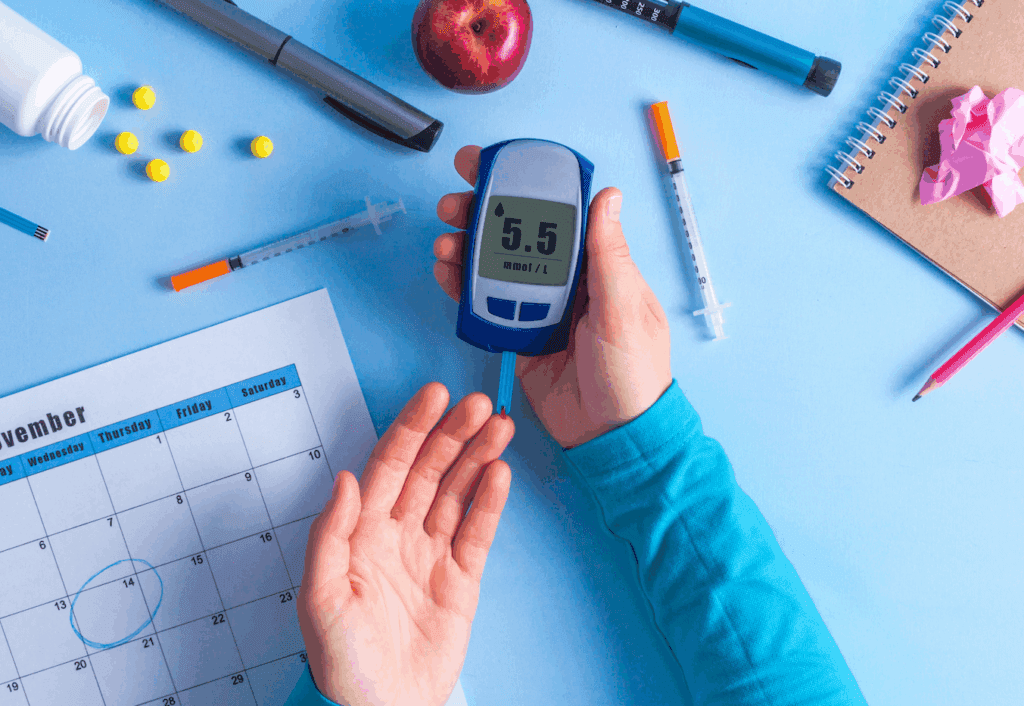
Many think diabetes only hits the overweight. But this idea can cause lean people to miss their diagnosis. Get the definitive answer: can skinny people get diabetes? Learn about the concept of TOFI (Thin Outside, Fat Inside) and Type 2 risk immediately.
About 15 percent of type 2 diabetes cases happen in people who aren’t overweight. Yet, they often don’t get checked because they and their doctors think being thin means they’re safe.
Diabetes isn’t just about weight. It’s about insulin resistance. Even thin people can have visceral fat, which raises the risk of diabetes.
Key Takeaways
- Type 2 diabetes is not exclusive to overweight individuals.
- Approximately 15% of people with type 2 diabetes are not overweight.
- Insulin resistance is a key factor in developing diabetes.
- Visceral fat can be a risk factor for diabetes, regardless of weight.
- Being thin does not protect against metabolic disease.
The Diabetes Misconception: Not Just a Weight Issue

Many people think diabetes only affects those who are overweight. But, being slim doesn’t mean you’re safe from diabetes. It’s important to clear up the myths about diabetes and weight.
Common Beliefs About Diabetes and Body Weight
Most think diabetes is all about being overweight. While being overweight can increase your risk, it’s not the only factor. More than 90% of diabetes cases are type 2 diabetes, and the rest includes other types not linked to weight.
Some believe being skinny means you won’t get diabetes. But, genetics, lifestyle, and other health issues also play a big role. These factors can lead to diabetes, no matter your weight.
Statistics on Normal-Weight Diabetics
Research shows many people with diabetes are not overweight. About 10-15% of people with diabetes are of normal weight. This fact shows diabetes isn’t just for the overweight.
The National Institutes of Health (NIH) also found many non-obese adults with diabetes. This shows diabetes can hit anyone, not just based on weight.
Understanding diabetes isn’t just about weight helps us better treat it. We can help everyone, no matter their body type, by recognizing this.
Can Skinny People Get Diabetes? The Surprising Truth

Being thin doesn’t mean you’re safe from diabetes. Many think diabetes only hits heavy people. But studies have proven this isn’t true.
Other things like family history, genetics, and belly fat matter more. We’ll dive into these factors.
Research Evidence on Thin Diabetics
Research shows thin people can get type 2 diabetes too. A study in the Journal of Clinical Endocrinology and Metabolism found that lean individuals face the same risk of insulin resistance and diabetes as heavy people.
“The prevalence of diabetes among lean individuals is not negligible, and it is important to understand the underlying mechanisms to provide appropriate care.”
The 15 Percent Statistic from NIH
The National Institutes of Health (NIH) found 15% of diabetes cases are in people of normal weight. This shows diabetes isn’t just for heavy people.
Here’s a table showing diabetes rates by BMI:
BMI Category | Prevalence of Diabetes |
Underweight (<18.5) | 2% |
Normal Weight (18.5-24.9) | 15% |
Overweight (25-29.9) | 30% |
Obese (>30) | 53% |
Breaking Down the Stereotype
Diabetes can hit anyone, no matter their weight. Knowing the risks and symptoms helps us catch it early and manage it well.
Understanding Different Types of Diabetes in Slim Individuals
Diabetes is not just about weight. It’s a group of metabolic disorders with high blood sugar levels. We’ll look at the different types and how they affect people, no matter their weight.
Type 1 vs. Type 2 Diabetes
Type 1 diabetes is when the body attacks its own insulin-making cells. This means people need insulin shots to survive. Type 2 diabetes is about insulin resistance, where cells don’t respond well to insulin.
Type 1 diabetes often hits kids and young adults. Type 2 diabetes is more common in adults and linked to lifestyle and genetics. Even skinny people can get Type 2 diabetes due to insulin resistance.
LADA and Other Forms of Diabetes
LADA, or Latent Autoimmune Diabetes in Adults, is a mix of Type 1 and Type 2. It’s an autoimmune disease in adults, often after 30. It progresses slowly, sometimes making it hard to diagnose.
Other types include gestational diabetes during pregnancy and monogenic diabetes from genetic mutations. Knowing these types is key for the right treatment.
Mechanisms of Insulin Resistance in Thin People
Insulin resistance is a big part of Type 2 diabetes. It happens when cells don’t respond well to insulin. This can affect even those with a normal BMI.
Visceral fat, fat around organs, is a big risk for insulin resistance. Even if someone looks slim, they can have a lot of visceral fat. We’ll explore this more later, but body composition is more important than weight in diabetes risk.
The Hidden Danger: Visceral Fat and TOFI Syndrome
Even skinny people can face diabetes risks due to hidden fat: visceral fat. Being thin doesn’t always mean you’re healthy. There’s more to staying well than just your weight.
What Is Visceral Fat?
Visceral fat wraps around organs in your belly. It’s different from the fat under your skin. This fat is deeper and can harm your health.
Visceral fat is a big deal because it affects how your body works. Studies link it to a higher risk of diabetes, heart disease, and other health problems.
“Thin Outside, Fat Inside” Explained
The “Thin Outside, Fat Inside” (TOFI) term describes people who look healthy but have a lot of visceral fat. They might seem okay on the outside but face health risks because of their belly fat.
TOFI syndrome shows that BMI isn’t everything. Being thin doesn’t mean you’re healthy. Visceral fat can hide in people who look normal.
How Visceral Fat Affects Insulin Sensitivity
Visceral fat messes with how your body uses insulin. It releases substances that make your body less responsive to insulin. This means your cells can’t take in glucose well, causing blood sugar levels to rise.
This insulin resistance can turn into type 2 diabetes over time. So, it’s key to manage visceral fat to avoid diabetes, even if you’re skinny.
Metabolically Obese, Normal Weight (MONW): The Paradox
Metabolically Obese Normal Weight (MONW) syndrome is a puzzling condition. People with a normal BMI can have metabolic problems seen in obesity. This challenges our old views on obesity and health.
Defining MONW Syndrome
MONW syndrome is marked by metabolic issues like insulin resistance and high blood pressure. These problems can lead to type 2 diabetes and heart disease, even if someone looks normal.
The causes of MONW are complex. They involve genetics, environment, and lifestyle.
How Normal BMI Can Mask Metabolic Issues
A normal BMI is thought to mean good health. But it doesn’t always show how well someone’s metabolism is working. Even with a normal BMI, too much belly fat can cause metabolic problems.
Characteristics | Normal Weight Metabolically Healthy | MONW Syndrome |
BMI | 18.5-24.9 | 18.5-24.9 |
Visceral Fat | Low | High |
Insulin Sensitivity | Normal | Impaired |
Metabolic Risk | Low | High |
Diagnostic Challenges for Healthcare Providers
Diagnosing MONW syndrome is hard for doctors. BMI alone can’t spot MONW syndrome. Doctors need special tools to find those at risk.
Doctors must look beyond BMI to check metabolic health in normal-weight people.
Genetic Factors in Diabetes Risk for Thin People
Genetics can greatly affect thin people’s chance of getting diabetes. Even if someone is thin, their genes can increase their diabetes risk. This shows that genetics are as important as weight when it comes to diabetes.
Family History and Diabetes Risk Percentages
Having a family history of diabetes is a big risk factor. If a first-degree relative, like a parent or sibling, has diabetes, your risk goes up. For example, if one parent has diabetes, your risk is about 40%.
This risk jumps to around 70% if both parents have diabetes. Knowing your family history can help you see if you’re at higher risk. This can lead to early screenings and prevention.
Understanding how family history affects diabetes risk is key. It helps us find who might need early checks and prevention.
Genetic Markers for Diabetes Independent of Weight
Some genetic markers raise diabetes risk, even if you’re not overweight. These markers affect how well your body uses insulin and glucose. They play a big role in how your body handles sugar.
For example, certain genes can mess with insulin-making cells in your pancreas. If these cells don’t work right, you might not make enough insulin. This can lead to diabetes.
The 40-70% Lifetime Risk with Diabetic Parents
Having diabetic parents raises your lifetime risk of diabetes a lot. If one parent has diabetes, your risk is about 40%. But if both parents have it, your risk jumps to around 70%.
This higher risk comes from both genes and environment. Knowing this can help you take steps to stay healthy. It’s about managing your health with the knowledge you have.
We know genetics are just part of the story. Lifestyle and environment also matter a lot. By understanding how genes, lifestyle, and environment work together, we can lower diabetes risk.
Other Risk Factors for Diabetes in Slim Individuals
Diabetes isn’t just about weight; many other factors can increase the risk. Being slim can lower the risk of some health problems. But, other factors can make slim people more likely to get diabetes.
Age and Ethnicity Considerations
Age is a big risk factor for diabetes, with the risk going up after 45. This is because of less physical activity, weight gain, and lower insulin sensitivity with age. Ethnicity also matters, with some groups facing a higher risk. For example, African Americans, Hispanics/Latinos, and American Indians are at higher risk than non-Hispanic whites.
Ethnic Group | Relative Risk of Diabetes |
Non-Hispanic Whites | 1.0 |
African Americans | 1.8 |
Hispanics/Latinos | 1.7 |
American Indians | 2.3 |
Lifestyle Factors Beyond Weight
Lifestyle choices are key in diabetes risk, even for slim people. Physical inactivity leads to insulin resistance. Eating too much sugar and saturated fats also raises the risk, no matter the weight. Stress and poor sleep quality can also harm insulin sensitivity and glucose metabolism.
Medical Conditions That Increase Risk
Some medical conditions can raise diabetes risk, even in slim people. These include polycystic ovary syndrome (PCOS), hypertension, and dyslipidemia. Also, those with a history of gestational diabetes or babies over 9 pounds are at higher risk.
Knowing these risk factors is key for early detection and prevention of diabetes. It’s important for everyone, regardless of weight.
Warning Signs and Diagnosis of Diabetes in Skinny People
Diabetes doesn’t care about your body type. It’s important to know the signs in slim people early. Being skinny doesn’t mean you’re safe from diabetes. It can happen due to genes, lifestyle, or health issues.
Unique Symptoms to Watch For
Skinny people with diabetes might feel thirsty more often and need to pee a lot. But, some signs are more noticeable in slim folks. For example:
- Feeling very tired, even if you’re active
- Getting skin, gum, or bladder infections often
- Cuts or wounds that take a long time to heal
- Feeling numb or tingly in your hands and feet
When to See a Doctor
If you’re seeing these symptoms, see a doctor. Catching diabetes early can help a lot. Look for medical help if you notice:
- Signs that don’t get better on their own
- Unexplained weight loss, even if you’re hungry
- Changes in blood pressure
Recommended Screening Tests
Doctors use several tests to find diabetes. They often check:
- A1C Test: Shows your blood sugar levels over 2-3 months.
- Fasting Blood Glucose Test: Checks your blood sugar after not eating for a night.
- Oral Glucose Tolerance Test (OGTT): Measures your blood sugar after drinking a sweet drink.
The Psychological Impact of Unexpected Diagnosis
Getting a diabetes diagnosis can be a big shock. It’s normal to feel overwhelmed. It’s key to get support for your mind as well as your body.
Knowing diabetes can hit anyone, no matter their body type, is important. Spotting the signs early and getting help can improve your life a lot.
Conclusion: Prevention Strategies for All Body Types
It’s important to know that diabetes can happen to anyone, no matter their body type. We’ve looked at how genetics, belly fat, and metabolic health play a role. Now, we stress the need for a healthy lifestyle to avoid diabetes.
Eating right, staying active, and managing stress are key to preventing diabetes. These habits can boost insulin sensitivity and improve metabolic health. This way, people of all body types can stay healthy.
Preventing diabetes needs a whole-body approach. This includes healthy habits and regular health checks. By eating well, staying active, and keeping a healthy weight, you can lower your diabetes risk. A healthy lifestyle is key to staying well and avoiding diabetes.
FAQ
Can you be skinny and have diabetes?
Yes, it’s possible to be skinny and have diabetes. Diabetes isn’t just for overweight people. Those with a normal BMI can also get it.
What is the connection between visceral fat and diabetes?
Visceral fat, or “thin outside, fat inside,” can raise diabetes risk. Even if you look normal, this fat can cause insulin resistance. This is a step towards type 2 diabetes.
What is MONW syndrome, and how is it related to diabetes?
MONW stands for Metabolically Obese, Normal Weight. It’s when you look normal but have metabolic issues like insulin resistance. This increases your diabetes risk. It’s hard to spot because a normal BMI hides the problem.
Are there genetic factors that contribute to diabetes risk in thin people?
Yes, genetics play a big role in diabetes risk, no matter your weight. Family history, genetic markers, and having diabetic parents can up your risk.
What are the warning signs of diabetes in skinny people?
Skinny people with diabetes might notice increased thirst and urination, fatigue, blurred vision, and slow healing. If you see these signs, see a doctor.
Can thin people get type 1 diabetes?
Yes, thin people can get type 1 diabetes. It’s an autoimmune disease where the body attacks insulin-making cells. It can happen to anyone, regardless of weight.
How can I reduce my risk of developing diabetes if I’m skinny?
While some risks are genetic, you can lower your diabetes risk. Eat well, stay active, manage stress, and get enough sleep. These habits help your health.
What screening tests are recommended for diabetes?
Adults 45 and older should get tested for diabetes. Use a fasting plasma glucose test or an oral glucose tolerance test. If you’re at risk, your doctor might test you sooner or more often.
Can lifestyle changes help prevent diabetes in thin individuals?
Yes, lifestyle changes can prevent or delay diabetes in thin people. Eat right, exercise regularly, and manage stress. These steps can lower your risk of insulin resistance and type 2 diabetes.
References
World Health Organization. Evidence-Based Medical Guidance. Retrieved from https://www.who.int/news-room/fact-sheets/detail/diabete