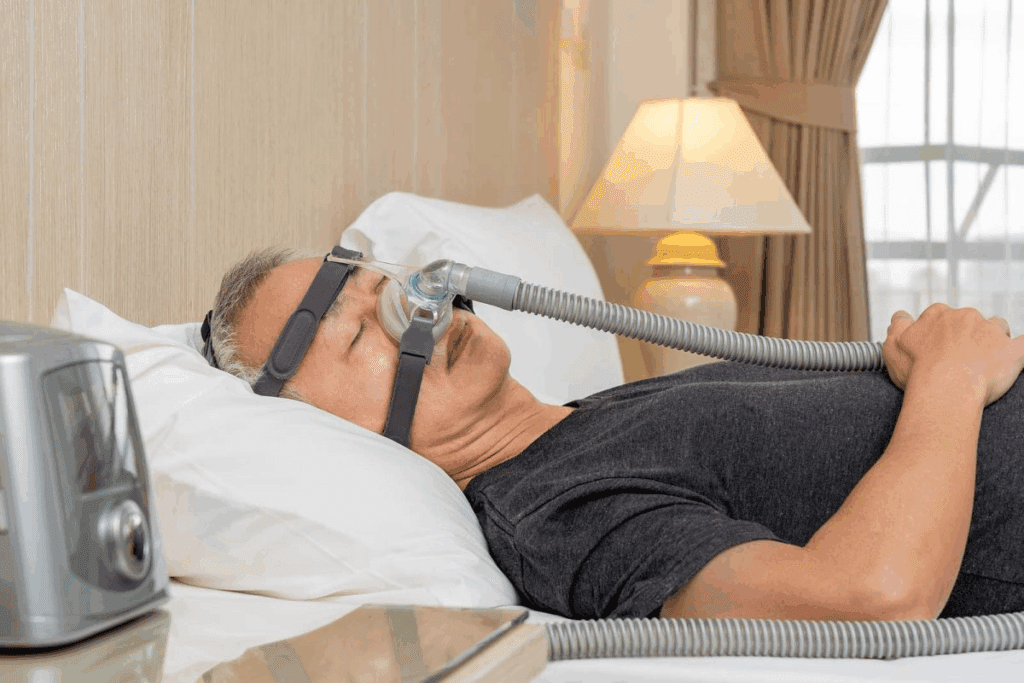
Millions worldwide suffer from sleep apnea, a chronic condition that disrupts their lives. The question remains: is it curable? The answer lies in understanding the underlying causes and types of sleep apnea.
At Liv Hospital, we recognize that each patient’s condition is unique. Certain interventions can lead to remission or resolution of symptoms. Recent advances in treatment options, including medications, surgical innovations, and lifestyle interventions, now offer unprecedented opportunities for improved health.
We explore the various treatment options and the possibility of curing sleep apnea. We provide insights into personalized medical strategies and evidence-based care.
Can sleep apnea be cured? Explore the possibility of reversal through significant lifestyle changes and certain surgical procedures.
Key Takeaways
- Sleep apnea is a chronic condition that requires personalized treatment.
- Certain interventions can lead to remission or resolution of symptoms.
- Recent advances in treatment options offer new opportunities for improved health.
- Liv Hospital provides comprehensive care for international patients.
- Evidence-based care is key in treating sleep apnea effectively.
Understanding Sleep Apnea: Types and Causes
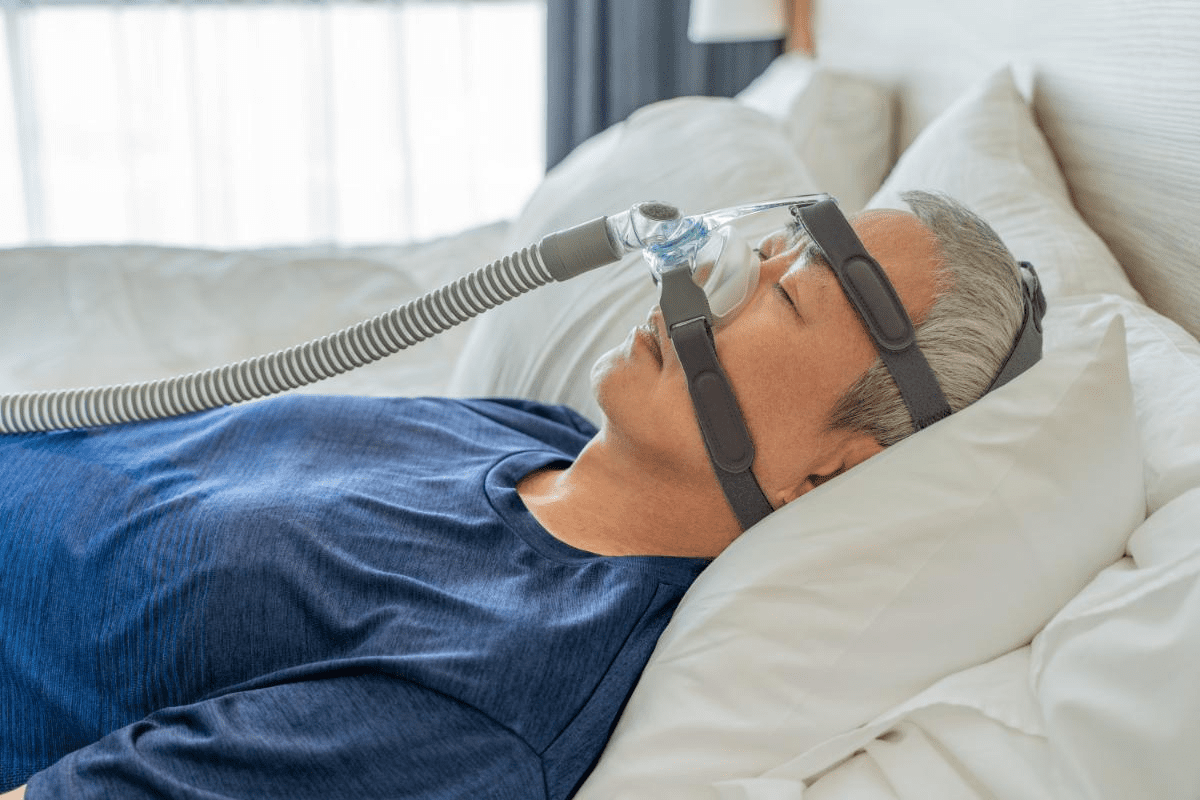
Sleep apnea is a condition where breathing stops during sleep. It has different types, each with its own causes and effects.
Obstructive Sleep Apnea (OSA)
Obstructive Sleep Apnea (OSA) is the most common type. It happens when the throat muscles relax, blocking the airway. This can cause loud snoring and wake-ups during the night.
Key factors include obesity, a narrow airway, and issues like a big tongue or tonsils.
Central Sleep Apnea
Central Sleep Apnea is less common but serious. It occurs when the brain doesn’t send the right signals to breathe, causing pauses in breathing.
Medical conditions like heart failure, stroke, or opioid use can cause Central Sleep Apnea.
Complex Sleep Apnea Syndrome
Complex Sleep Apnea Syndrome, or mixed sleep apnea, has elements of both OSA and Central Sleep Apnea. It has both physical blockages and brain signal issues.
Diagnosing Complex Sleep Apnea Syndrome needs a detailed sleep study to find the causes.
Risk Factors and Prevalence
Sleep apnea affects many people, with some groups at higher risk. Risk factors include age, obesity, smoking, and family history of sleep apnea.
- Age: Sleep apnea risk increases with age.
- Obesity: Excess weight is a significant risk factor.
- Smoking: Smoking can increase the risk of sleep apnea.
- Family History: Having a family history of sleep apnea can increase an individual’s risk.
Is Sleep Apnea Permanent or Temporary?

We look into sleep apnea, asking if it’s forever or if it can change. Sleep apnea is a complex issue with different levels of severity. Its lasting nature depends on its type and the reasons behind it.
Defining “Cure” vs. “Treatment” vs. “Remission”
To grasp if sleep apnea is permanent, we need to know what “cure,” “treatment,” and “remission” mean. A cure means the condition is gone for good. Treatment helps manage symptoms to better your life. Remission is when symptoms lessen or disappear, but might come back.
For sleep apnea, a cure is possible with lifestyle changes or medical help in some cases. Treatment is key for symptom management and avoiding problems. Remission happens when treatment greatly improves or clears symptoms.
Factors That Determine Curability
What makes sleep apnea curable varies. It depends on the cause, how severe it is, and if you have other health issues. For example, obstructive sleep apnea (OSA) linked to being overweight might get better with weight loss. But central sleep apnea tied to other health problems might need treatment for those issues to control sleep apnea symptoms.
- The type and severity of sleep apnea
- Presence of comorbid medical conditions
- Lifestyle factors such as obesity, smoking, and alcohol consumption
- Effectiveness of treatment interventions
Can Sleep Apnea Go Away on Its Own?
Some sleep apnea cases might get better or even go away with lifestyle changes. But, it’s rare for it to completely disappear without any help. Whether sleep apnea goes away depends on its cause and the success of treatments.
In summary, whether sleep apnea is permanent or not can differ a lot from person to person. Knowing what makes it curable and understanding cure, treatment, and remission can help manage it better.
Weight Loss as a Possible Cure for OSA
Obstructive Sleep Apnea (OSA) and obesity are closely linked. Losing weight can greatly reduce OSA’s severity. Excess weight often causes fat to build up in the upper airway, blocking breathing at night.
The Science Behind Weight and Sleep Apnea
The link between weight and OSA comes from the upper airway’s anatomy. Being overweight or obese can cause fat to narrow the airway. Weight loss can reduce fat around the airway, making it wider and reducing OSA symptoms.
Research shows that even a small amount of weight loss can help a lot. Losing just 10% of body weight can improve OSA symptoms a lot.
How Much Weight Loss Is Needed?
The amount of weight loss needed varies by person. But, losing just 10% of body weight is often enough to help a lot. Sometimes, losing more weight can even cure OSA.
It’s important how you lose weight too. Changing your diet, exercising more, and sometimes using medicine can help you lose weight and improve OSA symptoms.
Success Rates and Long-term Outcomes
Weight loss is a proven way to treat OSA. It not only makes symptoms better but also lowers the risk of other health problems like heart disease and diabetes.
Keeping weight off long-term is key. Sustainable lifestyle changes are important to keep the benefits of weight loss. Regular check-ups and support help people stay on track and manage their OSA well.
Can Sleep Apnea Be Cured? The Medical Evidence
Sleep apnea can be cured, but it depends on several factors. These include the type and how severe it is. Looking at the medical evidence, we see that the chance of a cure varies a lot among different patients.
Cure Rates by Sleep Apnea Type
Studies show that the cure rate for sleep apnea depends on its type. Obstructive Sleep Apnea (OSA) is the most common and has different cure rates based on treatment. For example, losing a lot of weight can greatly improve or even cure OSA symptoms in obese patients.
Research shows that losing weight through diet or surgery can lead to a high cure rate for OSA. But, Central Sleep Apnea (CSA) and Complex Sleep Apnea Syndrome are harder to cure. They often need treatment for underlying health issues.
Predictors of Treatment Success
Several things can predict how well sleep apnea treatment will work. These include how severe the condition is at first, how well the patient follows treatment, and if they have other health problems. For example, patients with mild OSA often do well with just lifestyle changes compared to those with more severe cases.
Also, treatments like CPAP therapy, oral appliances, or surgery can greatly affect cure rates. Choosing the right treatment for each patient is key to the best results.
Measuring Improvement and Resolution
Measuring how well sleep apnea treatment works involves looking at both how symptoms feel and how severe the disease is. Tests like polysomnography (PSG) and home sleep apnea tests (HSAT) help measure this. They look at the apnea-hypopnea index (AHI), which shows how severe sleep apnea is.
A big drop in AHI, along with better sleep and more energy during the day, means treatment is working well. In some cases, symptoms can go away completely, which is considered a cure.
Breakthrough Medication: Tirzepatide (Zepbound) for OSA
The FDA has approved Tirzepatide, known as Zepbound, for treating Obstructive Sleep Apnea (OSA). This is a big step forward for adults with moderate to severe OSA, and those who are overweight.
Mechanism of Action
Tirzepatide acts like two natural hormones in our bodies: GLP-1 and GIP. It helps our bodies use insulin better, lowers liver glucose, and makes us feel full. Weight loss is key in managing OSA because extra weight makes the condition worse.
Clinical Trial Results and FDA Approval
Studies show Tirzepatide reduces OSA severity. In a major study, it lowered the apnea-hypopnea index (AHI) significantly. The FDA approved it in December 2024, making it a valuable treatment for OSA patients.
Who Can Benefit from This Treatment
Tirzepatide (Zepbound) is for adults with moderate to severe OSA and obesity. It’s great for those who haven’t responded to other treatments or want a medication to help manage their OSA. Always talk to your doctor to see if it’s right for you.
Limitations and Side Effects
Tirzepatide is promising but can have side effects. Common ones are nausea, vomiting, and diarrhea. It’s important to have a doctor watch you to manage these and adjust treatment if needed. It’s not for everyone, like those with pancreatitis or thyroid cancer history.
Surgical Interventions That Can Reverse Sleep Apnea
Surgery is a promising solution for those with sleep apnea. It can help those who haven’t found relief with other treatments. Surgery can improve symptoms and quality of life.
Tonsillectomy and Adenoidectomy
Tonsillectomy and adenoidectomy remove tonsils and adenoids. These surgeries are often done together. They are common for treating sleep apnea in kids. Adults might get them if their tonsils or adenoids are too big.
Benefits: These surgeries can reduce blockages caused by big tonsils and adenoids.
Maxillomandibular Advancement (MMA)
MMA moves the upper and lower jaws forward. This enlarges the airway. It helps improve breathing during sleep.
Success Rate: MMA can greatly improve or even cure sleep apnea symptoms in many patients.
Hypoglossal Nerve Stimulation
This treatment implants a device that helps keep the airway open. It’s for those with moderate to severe sleep apnea.
Advantages: It’s good for those who can’t use CPAP therapy.
Soft Palate Procedures
These procedures, like uvulopalatopharyngoplasty (UPPP), aim to reduce blockages. They remove or reposition soft palate tissue. They work well for certain patients.
Surgical Procedure | Benefits | Target Patients |
Tonsillectomy and Adenoidectomy | Reduces obstruction | Children and adults with enlarged tonsils/adenoids |
Maxillomandibular Advancement (MMA) | Enlarges airway | Patients with jaw-related obstruction |
Hypoglossal Nerve Stimulation | Improves airway patency | Patients intolerant of CPAP |
Soft Palate Procedures | Reduces soft palate obstruction | Patients with specific soft palate anatomy |
These surgeries offer different ways to treat sleep apnea. Each has its own benefits and suits different needs.
CPAP Therapy: Treatment vs. Cure
CPAP therapy and sleep apnea have a complex relationship. CPAP, or Continuous Positive Airway Pressure, is a common treatment for obstructive sleep apnea (OSA). It delivers pressurized air through a mask that covers the nose and sometimes the mouth.
Managing Sleep Apnea with CPAP
CPAP therapy is very effective in managing sleep apnea. It keeps the airway open, preventing collapses that cause apneic events. Medical Expert, a sleep specialist, says, “CPAP is a lifeline for many patients with sleep apnea. It significantly improves sleep quality and reduces the risks associated with untreated sleep apnea.”
CPAP therapy improves sleep quality and reduces daytime fatigue. Many patients report improved energy levels and cognitive function.
Long-term Effectiveness of CPAP Therapy
Studies show CPAP therapy’s long-term benefits. Consistent use can lead to sustained improvements in sleep quality and overall health. Adherence to CPAP therapy is key for long-term success. A study in the Sleep Medicine Journal notes, “Patients who adhere to their CPAP therapy tend to have better health outcomes.”
Long-term CPAP use can also improve cardiovascular health. It reduces the risk of hypertension and other cardiovascular diseases associated with sleep apnea.
When CPAP Therapy Is Not Enough
CPAP therapy works for many, but not all. Some find it uncomfortable or hard to tolerate, leading to poor adherence. In such cases, alternative treatments or additional interventions may be needed. For example, bilevel positive airway pressure (BiPAP) therapy or adaptive servo-ventilation (ASV) might be recommended for different pressure levels.
If CPAP is not effective, other options like oral appliances, lifestyle changes, or surgery may be considered.
Can CPAP Use Lead to Eventual Improvement?
Research suggests long-term CPAP use may lead to improvements in sleep apnea severity. This could allow some patients to stop using CPAP under medical supervision. But this varies greatly depending on the cause of sleep apnea and overall health.
“While CPAP is not a cure, it can significantly improve the quality of life for patients with sleep apnea. In some cases, long-term CPAP use may lead to reduced severity of sleep apnea, but this requires careful monitoring by a healthcare provider.”
Regular follow-up with a healthcare provider is essential. It helps determine CPAP therapy’s effectiveness and makes necessary adjustments to the treatment plan.
Can Central Sleep Apnea Be Cured?
Central sleep apnea (CSA) is a tough challenge for treatment and finding a cure. It’s different from obstructive sleep apnea because it’s not caused by a blockage in the airway. Instead, it’s due to a lack of effort to breathe because of neurological problems.
Addressing Underlying Medical Conditions
Treating CSA starts with fixing any health issues that might be causing it. This includes managing heart failure, treating opioid use, or addressing other health problems that might be linked to CSA.
Managing these conditions well is key to bettering CSA symptoms. For example, better treatment for heart failure can cut down on CSA episodes.
Adaptive Servo-Ventilation
Adaptive servo-ventilation (ASV) is a special kind of positive airway pressure therapy for CSA. It gives a variable flow of air pressure to help keep breathing steady.
Studies have shown that ASV is very effective. It reduces CSA episodes, improves sleep, and boosts quality of life for patients.
Medication Options
In some cases, medicine might be used to treat CSA. For example, acetazolamide can help by increasing the drive to breathe.
But, medicine should be used carefully. It’s not right for everyone and can have side effects. Always use it under a doctor’s guidance.
Differences in Treatment Approach from OSA
CSA treatment is very different from OSA treatment. OSA treatment focuses on keeping the airway open. But CSA treatment aims to fix the neurological reasons for breathing stops.
Treatment Aspect | Central Sleep Apnea (CSA) | Obstructive Sleep Apnea (OSA) |
Treatment Focus | Addressing neurological causes, managing underlying conditions | Maintaining airway patency |
Primary Therapies | ASV, medication, treating underlying conditions | CPAP, oral appliances, lifestyle changes |
It’s important to understand these differences for effective treatment. By focusing on CSA’s unique needs, healthcare providers can offer better care.
Natural Methods to Fix Sleep Apnea
Medical treatments are key for some, but natural methods and lifestyle changes can also help. By making these changes, people can lessen symptoms and sleep better.
Lifestyle Modifications Beyond Weight Loss
There are many lifestyle changes that can help with sleep apnea. Regular exercise helps with weight and heart health. Also, not drinking alcohol and sedatives before bed can stop airways from closing during sleep.
- Avoiding smoking and secondhand smoke
- Establishing a consistent sleep schedule
- Creating a sleep-conducive environment
These steps can improve sleep hygiene and lessen sleep apnea symptoms.
Sleep Position Training
How you sleep can affect sleep apnea. Sleeping on your side instead of your back can help. Sleep position trainers or special pillows can help you stay on your side.
Orofacial and Throat Exercises
Orofacial and throat exercises, or myofunctional therapy, can strengthen airway muscles. This can lessen sleep apnea. These exercises include:
- Tongue exercises to improve tongue strength and coordination
- Lip and facial muscle exercises
- Throat exercises to enhance airway stability
Doing these exercises regularly can improve muscle tone and help with sleep apnea.
Treating Allergies and Nasal Congestion
Allergies and nasal congestion can make sleep apnea worse. Treatments for allergies, like nasal decongestants or immunotherapy, can help. They can clear nasal passages and improve breathing during sleep.
By tackling these issues and using natural methods, people with sleep apnea can see big improvements.
Pediatric Sleep Apnea: Higher Cure Rates
Pediatric sleep apnea is a big challenge, but kids often get better faster than adults. It messes with their sleep and health. But, there are many ways to treat it.
Why Children Have Better Outcomes
Children’s bodies can change and adapt quickly. Their airways are more likely to be fixed by simple treatments like removing tonsils or adenoids. This makes it easier for kids to get better.
Key factors contributing to better outcomes in children include:
- Early diagnosis and intervention
- Less complex airway anatomy compared to adults
- Higher likelihood of successful surgical interventions
- Potential for growth and development to improve airway size and function
Treatment Approaches for Children
Children with sleep apnea might need to change their lifestyle, get medical help, or even surgery. Removing tonsils and adenoids is a common and effective treatment.
Other treatment approaches include:
- Rapid maxillary expansion to widen the upper jaw
- Continuous positive airway pressure (CPAP) therapy for more severe cases
- Lifestyle modifications such as weight management and sleep position training
Long-term Monitoring and Growth Considerations
Keeping an eye on kids with sleep apnea is very important. As they grow, their airways change. So, treatments that work now might not work later. It’s key to see doctors regularly to adjust treatments.
Key aspects of long-term monitoring include:
- Regular sleep studies to assess the severity of sleep apnea
- Monitoring for signs of sleep apnea recurrence
- Adjusting treatments based on growth and development
Understanding pediatric sleep apnea and using the right treatments can really help kids. It’s all about improving their sleep and health.
Conclusion: The Future of Sleep Apnea Treatment
Sleep apnea is a complex condition with many treatment options. These include weight loss, CPAP therapy, and new medications like Tirzepatide (Zepbound). The field of sleep apnea care is changing fast.
New medical treatments and surgeries offer hope for managing sleep apnea. Lifestyle changes, like losing weight and changing sleep positions, can help a lot. Also, new treatments are coming that will be more effective and tailored to each person.
The future of treating sleep apnea looks promising. Ongoing research aims to make treatments better. As we learn more, we’ll see new, targeted therapies. This will greatly improve life for those with sleep apnea.
FAQ
Can sleep apnea be cured?
Sleep apnea’s curability varies based on its cause and type. Weight loss can greatly improve symptoms, mainly for obstructive sleep apnea (OSA).
Is sleep apnea permanent?
Sleep apnea isn’t always permanent. It can be temporary, and symptoms may go away with treatment. The condition’s outcome depends on its type and severity.
Can weight loss cure sleep apnea?
Losing weight can help a lot with obstructive sleep apnea (OSA). Even a small amount of weight loss can make a big difference.
What is the role of CPAP therapy in managing sleep apnea?
CPAP therapy is a key treatment for sleep apnea, mainly OSA. It doesn’t cure it but helps manage symptoms. Long-term use can lead to improvement in some cases.
Can central sleep apnea be cured?
Treating central sleep apnea (CSA) focuses on underlying health issues. Medication or adaptive servo-ventilation might be used. The cure rate depends on the cause and treatment success.
Are there natural methods to alleviate sleep apnea symptoms?
Yes, lifestyle changes can help. These include sleep position training and exercises for the face and throat. Treating allergies and nasal congestion also helps.
Can sleep apnea in children be cured?
Kids with sleep apnea often respond well to treatment. Approaches like adenotonsillectomy and rapid maxillary expansion are effective. Monitoring their growth is key.
What is the breakthrough medication for OSA?
Tirzepatide (Zepbound) is a new medication for OSA. It improves factors that cause OSA. Early trials show it’s very effective.
Can sleep apnea be reversed with surgery?
Surgery can reverse sleep apnea in some cases. Options include tonsillectomy and adenoidectomy, maxillomandibular advancement (MMA), and hypoglossal nerve stimulation. The right surgery depends on the individual’s condition.
Will sleep apnea go away on its own?
Sometimes, sleep apnea symptoms can go away without treatment. But, without treatment, symptoms often stay or get worse.
Can sleep apnea be treated without CPAP?
Yes, there are other treatments for sleep apnea. These include lifestyle changes, oral appliances, and surgery. These can manage symptoms effectively.
References
Morgenthaler, T. I., Kagramanov, V., Hanak, V., & Decker, P. A. (2006). Complex sleep apnea syndrome: is it a unique clinical syndrome? Sleep, 29(9), 1203-1209. https://academic.oup.com/sleep/article/29/9/1203/2708343



 Departments
 Related Videos
 Our Doctors
 News
News