Many people worry about sneezing and its effect on the heart. A common myth says sneezing can stop your heart. But recent research shows a more complex link between sneezing and Heart Problems health. Medical Expert, a rheumatologist and allergist, says, “allergic disease is a systemic and inflammatory condition.”
Studies found that those with allergic rhinitis are at a 25% greater risk of coronary Heart Problems disease and a 20% greater risk of heart attacks.
At Liv Hospital, we aim to help you grasp this complex relationship. We’ll dive into the science behind sneezing and Heart Problemsfunction. This will give you the info you need to make smart choices about your health.
Key Takeaways
- Chronic allergies and inflammation are linked to an increased risk of coronary heart disease and heart attack.
- The relationship between sneezing and cardiac health is complex and multifaceted.
- Allergic rhinitis is associated with a higher risk of developing coronary heart disease.
- Understanding the connection between allergic reactions and heart health is key for your well-being.
- Liv Hospital is dedicated to providing top-notch care and support for international patients.
The Science Behind Sneezing and Heart Function

To understand sneezing’s effect on the heart, we need to look at what happens in our body. Sneezing is a complex process that releases pressure and air from the lungs. This can temporarily change heart rate and blood pressure.
What Happens to Your Body When You Sneeze
When we sneeze, our body goes through several changes. The diaphragm contracts, and muscles in the chest and abdomen tighten. This increases pressure inside the chest, affecting the heart and blood vessels.
The vagus nerve, which controls heart rate, is also activated during a sneeze.
Changes in Blood Pressure and Heart Rate During Sneezing
Sneezing can briefly change blood pressure and heart rate. The increased chest pressure can affect the heart, causing a slight change in rhythm. But this change is short and goes back to normal right after.
Research shows the heart doesn’t stop during a sneeze. Instead, there’s a brief change in rhythm that quickly returns to normal. For more on sneezing and heart health, check out the American Heart Association’s article.
Debunking the Myth: Does Your Heart Stop When You Sneeze?
The idea that the heart stops during a sneeze is a myth. Sneezing does change intrathoracic pressure, affecting heart rate. But it doesn’t make the heart stop.
The heart keeps beating, with a possible brief change in rhythm. This change is not usually a worry for healthy people.
Is Sneezing Good for You? Understanding the Health Effects
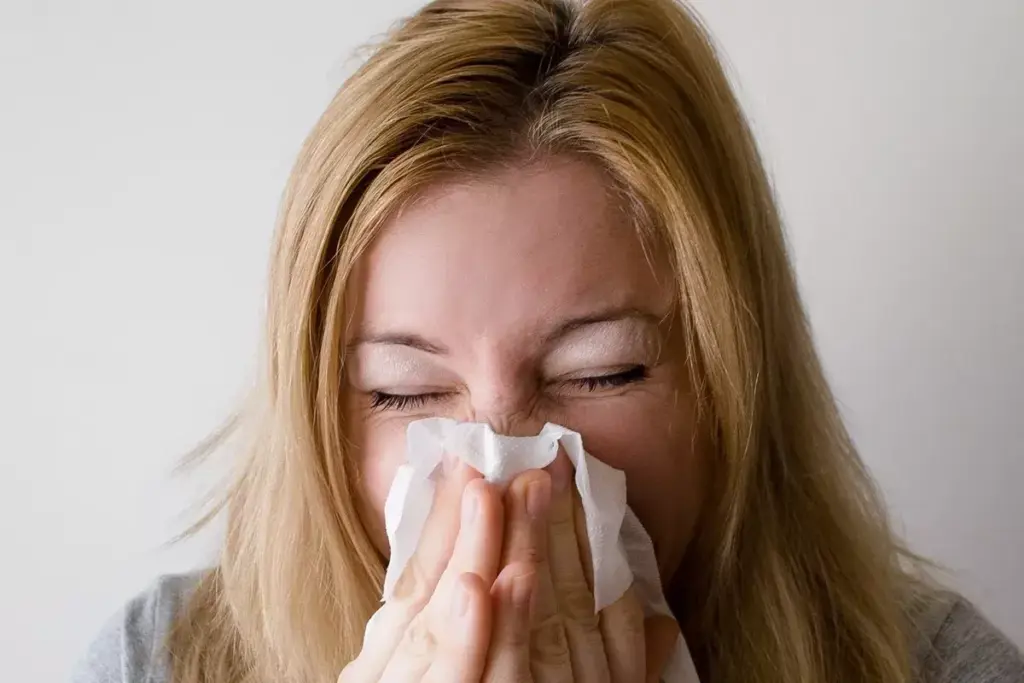
Sneezing is a natural reflex that keeps our respiratory health in check. It’s a sudden, forceful way to get rid of air from our lungs. This happens when our nasal passages get irritated.
The Protective Purpose of Sneezing
Sneezing is a way to protect our lungs and airways from irritants. When we breathe in, we can pick up dust, pollen, or allergens. Sneezing helps to get rid of these irritants, keeping our airways safe.
For example, when pollen gets into our nasal passages, they can get congested. Sneezing helps clear out these allergens. This keeps our respiratory system healthy.
Potential Benefits of the Sneeze Reflex
The sneeze reflex has many benefits. It helps remove irritants from our nasal passages. This prevents infections and keeps our airways open, making it easier to breathe.
Research also shows that sneezing can be a sign of a healthy nervous system. It involves many nerves and muscles working together. This shows that our neural pathways are working well.
When Frequent Sneezing Signals a Problem
While sneezing is usually good, too much of it can mean there’s a problem. Allergies, infections, or other conditions can cause excessive sneezing. If you’re sneezing a lot, it’s a good idea to find out why.
For instance, allergic rhinitis can cause chronic sneezing and a runny nose. If not treated, it can lead to sinusitis or make asthma worse. Learn more about sneezing and its.
Here’s a summary of the causes and effects of frequent sneezing:
| Cause | Effect | Potential Complications |
| Allergies | Frequent sneezing, runny nose | Sinusitis, allergic rhinitis |
| Respiratory infections | Sneezing, coughing, congestion | Pneumonia, bronchitis |
| Environmental irritants | Sneezing, nasal irritation | Chronic nasal inflammation |
The image below shows how sneezing works and its impact on our respiratory system.
In conclusion, sneezing is more than just a reflex. It’s a key way to protect our respiratory health. While too much sneezing can mean there’s a problem, knowing why it happens helps us stay healthy.
The Connection Between Allergies, Sneezing, and Heart Health
Recent studies have shown a strong link between allergies, sneezing, and heart health. It’s important to understand how these factors interact to keep our hearts healthy.
Chronic Inflammation: The Hidden Link
Chronic inflammation plays a big role in the connection between allergies and heart health. When we have an allergic reaction, our body gets inflamed. This inflammation can harm our heart and blood vessels.
Research shows that chronic inflammation increases the risk of heart disease. It can damage blood vessels and make them more likely to get blocked.
Allergic rhinitis, with symptoms like sneezing and nasal congestion, is linked to a higher risk of heart disease. This condition can trigger or worsen chronic inflammation. So, people with allergic rhinitis might face a higher risk of heart problems.
Research on Allergic Rhinitis and Increased Heart Disease Risk
Many studies have looked into the link between allergic rhinitis and heart disease. A review of these studies shows a clear pattern. People with allergic rhinitis are more likely to have heart issues.
| Study | Sample Size | Key Findings |
| Journal of Allergy and Clinical Immunology | 10,000 | Increased odds of heart disease in patients with allergic rhinitis |
| American Journal of Cardiology | 5,000 | Higher incidence of heart attacks in individuals with severe allergies |
| European Respiratory Journal | 8,000 | Association between allergic rhinitis and increased cardiovascular risk factors |
How Allergic Responses Impact Your Cardiovascular System
Allergic reactions can directly affect our heart and blood vessels. When we have an allergic reaction, it can release chemicals that change our heart rate and blood pressure. In severe cases, this can cause heart palpitations or increase the risk of a heart attack.
Also, long-term allergies can put a lot of stress on our heart. It’s important to manage allergies well to protect our heart health.
Understanding the link between allergies, sneezing, and heart health helps us take care of our heart. We can work with our doctors to find a treatment plan that helps with both allergy symptoms and heart health.
Conclusion: Protecting Your Heart Health When You Have Allergies
It’s important to know how sneezing and allergies can affect your heart. We’ve looked into how sneezing might impact heart function and the dangers of long-term inflammation from allergies.
Allergies can cause chest pain and irregular heartbeats, which are heart health concerns. It’s key to manage allergies well to lower these risks. Knowing the risks to your heart health helps you take steps to protect it.
Sneezing is a natural way to get rid of irritants, but it’s not directly harmful to your heart. The real concern is the underlying conditions. By controlling allergies and reducing inflammation, you can ease the strain on your heart.
To keep your heart healthy with allergies, work closely with your doctor. This might mean avoiding allergens, taking medications as directed, and living a healthy lifestyle. These actions can help prevent heart problems and keep you feeling well.
FAQ
How do I properly care for a nosebleed?
To properly care for a nosebleed, you should sit up straight and lean your head slightly forward to prevent blood from running down the back of your throat. Use your thumb and index finger to firmly pinch the soft part of your nose just below the bony bridge. Maintain this constant pressure for at least ten to fifteen minutes without releasing it to check if the bleeding has stopped, as interrupting the pressure can interfere with the formation of a stable clot.
What causes most nosebleeds?
Most nosebleeds, also known as epistaxis, are caused by the delicate blood vessels inside the nasal lining becoming dry or irritated. This is commonly triggered by dry air from indoor heating, frequent nose blowing during a cold, or minor trauma such as picking the nose. Because these blood vessels are located very close to the surface of the skin, even small amounts of friction or dryness can cause them to rupture and bleed.
When should I seek emergency care for a nosebleed?
You should seek emergency medical attention if the bleeding continues for more than thirty minutes despite applying continuous pressure. It is also important to go to the emergency room if the nosebleed follows a serious injury, like a car accident or a fall, or if the amount of blood loss is excessive enough to make you feel dizzy or faint. If the blood is primarily running down the back of your throat rather than out the nostrils, this may indicate a posterior nosebleed, which often requires professional intervention.
How can I prevent nosebleeds from recurring?
To prevent recurring nosebleeds, it is essential to keep the lining of the nose hydrated, especially during the winter months or in dry climates. You can use a saline nasal spray or a thin layer of petroleum jelly inside the nostrils to maintain moisture levels. Avoiding forceful nose blowing and using a humidifier in your bedroom at night can also significantly reduce the physical stress on the nasal blood vessels.
Is it safe to use nasal decongestant sprays for nosebleeds?
Nasal decongestant sprays can sometimes be used as a temporary measure to stop a nosebleed because they cause the blood vessels in the nose to constrict. However, these should only be used occasionally and for a short period, as overusing them can lead to “rebound” congestion and further irritation of the nasal lining. If you find yourself needing to use these sprays frequently for bleeding, it is best to consult a healthcare provider to find a more permanent solution.
References
National Center for Biotechnology Information. Evidence-Based Medical Insight. Retrieved from
https://pmc.ncbi.nlm.nih.gov/articles/PMC4086253