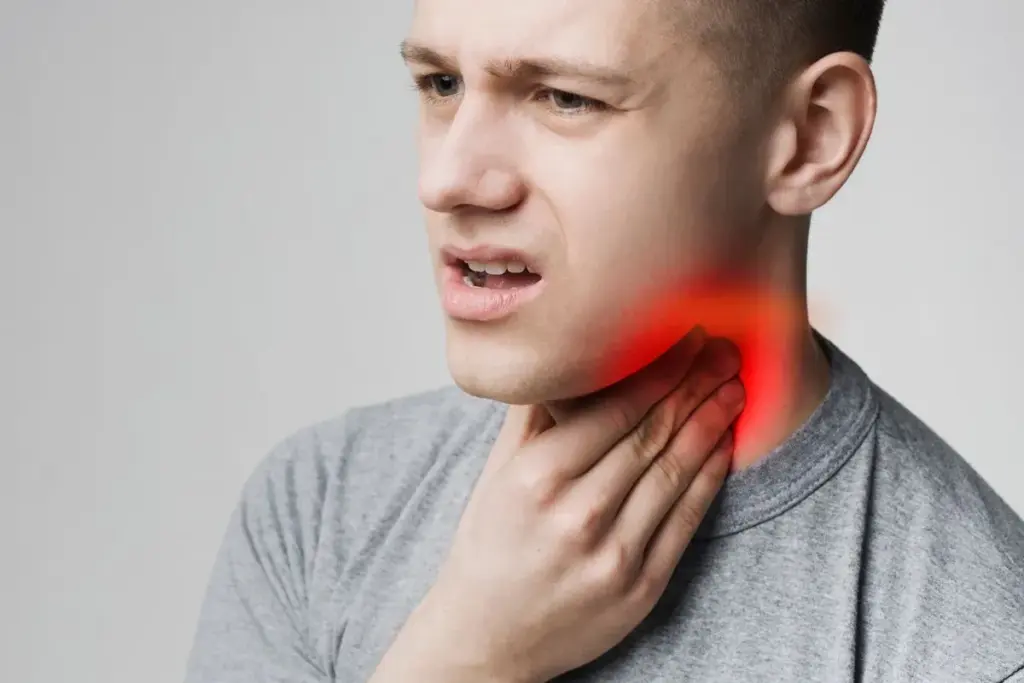
Many people wonder if tonsils can regrow after a laser tonsillectomy. First, let’s talk about what tonsils are and why they’re important. Tonsils are small organs in the back of our throat. They help keep us healthy by fighting off germs. Worried about regrowth? Get the amazing facts on can tonsils grow back and discover brilliant ways to ensure permanent throat health.
The laser tonsillectomy is popular because it’s less invasive and heals faster. But, does this mean tonsils can grow back after the treatment? We’ll look into the facts and figures about tonsil regrowth after laser treatment. This will help clear up any confusion for doctors and patients alike.
Key Takeaways
- Tonsils play a significant role in the immune system.
- Laser tonsillectomy is a minimally invasive procedure.
- The possibility of tonsil regrowth is a concern for patients.
- Understanding tonsil regrowth can help alleviate patient concerns.
- We will examine the facts and statistics on tonsil regrowth after laser treatment.
The Anatomy and Function of Tonsils
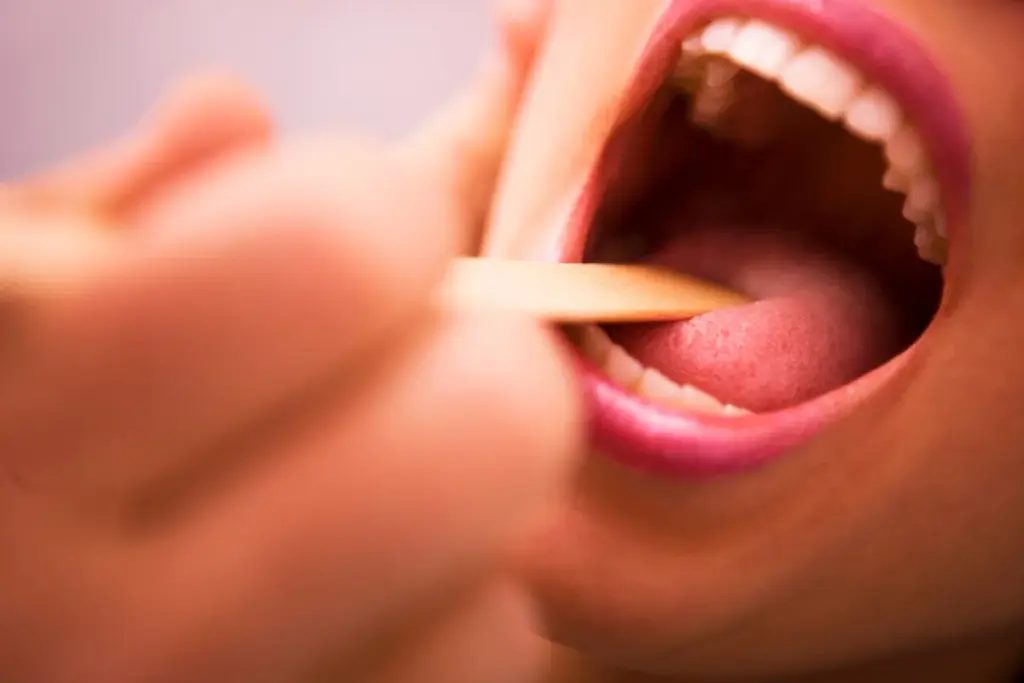
It’s key to know how tonsils work and what they do for our health. Tonsils are lymphoid organs in the throat. They help our immune system fight off infections.
Location and Types of Tonsils in the Human Body
Tonsils sit at the throat’s entrance, acting as a first defense against germs. There are different types of tonsils, including:
- Palatine Tonsils: These are the most well-known tonsils, found on both sides of the throat.
- Lingual Tonsils: At the tongue’s back, these tonsils are less talked about but just as vital.
- Adenoids (Nasopharyngeal Tonsils): In the back of the nose, adenoids are a common problem in kids.
Immunological Role of Tonsils in Disease Prevention
In early life, tonsils help catch germs and grow the immune system. They make antibodies and help immune cells grow. Tonsils play a big role in keeping us healthy:
- They filter out bacteria and viruses.
- They help make antibodies.
- They help activate immune cells.
As we get older, tonsils keep watching over our immune system.
When Tonsil Removal Becomes Medically Necessary
Even though tonsils are important, sometimes they need to be removed. This is usually when tonsillitis keeps coming back, or if tonsils are too big and cause sleep problems. It might also happen if doctors think there’s cancer.
“Tonsillectomy is considered when tonsillitis is recurrent, significantly impacting the patient’s health and well-being.” –
ENT Specialist
Deciding to remove tonsils is a big choice. It needs a careful look at the patient’s health to understand the role of tonsils.
Laser Tonsillectomy: Procedure and Technology

Laser tonsillectomy is a new way to remove tonsils. It’s more precise and less invasive than old methods. This method uses lasers to cut out tonsils, which might reduce bleeding and help you heal faster.
Differences from Traditional Methods
Laser tonsillectomy is different from the old ways. It uses a laser for more accurate cuts, which lowers bleeding risk and might cut down on pain. Unlike the old methods, it doesn’t need scalpels or stitches, which means less damage to your body.
The laser’s precision helps surgeons avoid harming nearby tissues. This can make your recovery smoother and lower the chance of complications like bleeding or infection.
Types of Lasers Used
There are many lasers used in tonsil surgery today. Each has its own strengths. Here are a few:
- CO2 Laser: It’s precise and seals small blood vessels, which cuts down on bleeding.
- KTP Laser: It targets specific tissues well, causing less damage to nearby areas.
- Nd:YAG Laser: It goes deep and is good at stopping bleeding.
The laser choice depends on the patient’s needs and the surgeon’s preference. Each laser has its own benefits, chosen based on the patient’s situation and the surgery type.
Benefits and Limitations
Laser tonsillectomy has many advantages. It can reduce bleeding risk, lessen pain after surgery, and speed up recovery. But, it also has some downsides. Not all places have the technology, and it needs skilled surgeons. Like any surgery, there are risks, like infection or damage to nearby tissues.
|
Benefits |
Limitations |
|---|---|
|
Reduced risk of bleeding |
Limited availability of laser technology |
|
Less post-operative pain |
Requires specialized expertise |
|
Faster recovery times |
Potential for infection or tissue damage |
It’s important to know the good and bad of laser tonsillectomy before deciding. This helps patients make informed choices and have the right expectations about their surgery.
Can Tonsils Grow Back After Removal? The Scientific Evidence
Many people wonder if tonsils can grow back after they’re removed. We’ll look into the science behind this, including how tonsil tissue can regenerate and studies on how fast it happens.
Understanding Tonsil Tissue Regeneration Mechanisms
Tonsil tissue can grow back after surgery because of complex cell and molecular processes. Tonsil tissue regeneration happens when some tissue stays behind and starts to grow back. This growth is helped by lymphoid cells and the tonsil’s capsule.
Studies show that many things can affect how fast tonsils grow back. These include the patient’s age, the surgery method, and any health issues they might have. Knowing these factors helps us understand if tonsils can regrow.
Clinical Studies on Regrowth Rates After Complete Removal
Many studies have looked into how often tonsils grow back after being completely removed. These studies found that tonsil regrowth can happen in a lot of patients. But, how often it happens can vary because of how regrowth is measured and how long studies follow patients.
Looking at all these studies together, we see that tonsil regrowth is not common but it can happen. Things like the surgery method, the patient’s age, and their health can affect if and how fast tonsils grow back.
Biological Factors That Influence Tissue Regeneration
Several things in our bodies can affect if tonsil tissue regrows. These include stem cells, blood supply to the area, and overall health. Also, our genes and the environment can play a role in how fast and how much tissue regrows.
Understanding these biological factors is key to knowing if tonsils might grow back. It also helps in finding ways to manage or stop regrowth if needed.
Statistical Data on Tonsil Regrowth After Laser Treatment
It’s key to know about tonsil regrowth after laser treatment for both patients and doctors. The growth of tonsils can change based on the surgery type and the patient’s body.
Prevalence Rates of Regrowth Following Laser Procedures
Research shows that tonsil regrowth after laser surgery is not common. Laser procedures tend to have a lower regrowth rate than old methods. This is because lasers are very precise.
The rate of regrowth after laser surgery is between 2% to 5% in most cases. This range can change based on the surgery method and the patient’s background.
Comparative Analysis: Laser vs. Traditional Tonsillectomy Regrowth
Laser tonsillectomy and traditional tonsillectomy have different regrowth rates. Traditional surgery, which removes tonsils physically, has a higher rate of regrowth. It’s between 5% to 10%.
Laser surgery, with its precise removal, has a lower rate of regrowth. A comparative study showed laser surgery also lowers the risk of complications after surgery.
Long-term Follow-up Studies and Their Findings
Long-term studies are vital for understanding tonsil regrowth. Patients who get laser surgery often face fewer long-term issues and have lower regrowth rates.
One study tracked patients for up to five years after surgery. It found that most regrowth happened in the first two years.
These results highlight the need for long-term care and follow-up. They show how effective laser tonsillectomy can be.
Partial vs. Complete Tonsillectomy and Regrowth Risk
Choosing between partial and complete tonsillectomy is key to understanding regrowth risks. It’s important for both patients and doctors to know the differences between these methods.
Intracapsular Techniques and Intentional Tissue Preservation
Partial tonsillectomy, or intracapsular tonsillectomy, removes tonsil tissue but keeps the capsule. This method is often used in kids to lower bleeding risks and speed up healing. Intracapsular techniques aim to leave some tonsil tissue, which might lower regrowth chances.
Intentional tissue preservation is a big part of partial tonsillectomy. It keeps some of the tonsil’s immune function. But, it also raises the chance of the tonsils growing back.
Documented Regrowth Rates After Partial Procedures
Research shows different regrowth rates after partial tonsillectomy. In kids, the rate can be quite high. A detailed look at studies shows regrowth rates can be between 1% and 15%. This depends on the surgery method and the people studied.
- Regrowth rates vary a lot by age and surgery type.
- It’s important to follow up for a long time to get accurate rates.
- How “regrowth” is defined can affect study results.
How Surgical Technique Influences Regrowth
The surgery method greatly affects regrowth risk. Laser tonsillectomy, for example, can remove tissue precisely, possibly lowering regrowth risk in complete surgeries. But, partial tonsillectomy, while it helps with immediate risks, might lead to more regrowth because some tissue is left.
It’s key to understand the effects of different tonsillectomy techniques. This helps set realistic expectations and choose the best surgery for each patient.
Distinguishing Between Tonsil Remnants and True Regrowth
It’s important to tell the difference between leftover tonsil tissue and new growth after a tonsillectomy. When someone has a tonsillectomy, doctors usually remove all the tonsils. But sometimes, patients might have leftover tissue or even new growth.
Clinical Differences Between Residual and Regenerated Tissue
The main difference is in the type of tissue. Residual tissue is what’s left after surgery. True regrowth is when new tissue forms. Knowing this helps doctors decide the best treatment.
Leftover tissue looks and acts like the original tonsils. But new tissue might look different, showing it’s not normal.
Diagnostic Methods for Identifying Tonsil Tissue Post-Surgery
Getting the right diagnosis is key. Doctors use several ways to check:
- Visual examination: A close look can show if there’s tonsil tissue left.
- Imaging studies: Ultrasound or MRI can show how much tissue is there.
- Histopathological examination: Sometimes, a biopsy is needed to be sure.
Common Misdiagnoses in Post-Tonsillectomy Evaluation
Doctors might get it wrong if they don’t know the difference. Common mistakes include:
- Thinking leftover tissue is new growth, causing worry or extra treatment.
- Missing true regrowth, which could mean there’s a bigger problem.
Understanding the differences and using the right tests helps doctors give the right care after a tonsillectomy.
Tonsils Grow Back Symptoms: Recognizing the Signs
Tonsil regrowth can show up in different ways, which is key to spotting it early. When tonsils come back after being removed, people might notice several signs. These signs can tell us if tonsillar tissue is growing again.
Physical Manifestations of Regrowing Tonsil Tissue
The signs of growing tonsils can be small but important to catch early. Some common signs include:
- Visible tonsillar tissue in the tonsillar fossa
- Swelling or enlargement of the tonsillar area
- Presence of tonsillar crypts or debris
These changes can be seen during a doctor’s check-up. They often match what the patient is feeling.
Symptomatic Indicators of Functional Tonsil Regeneration
When tonsils grow back, they can start working again. This can cause symptoms like before the surgery. Common symptoms include:
- Recurring sore throats or tonsillitis
- Difficulty swallowing or pain upon swallowing
- Bad breath or halitosis
- Ear pain or referred pain to the ear
These symptoms can really affect a person’s life. They might need more tests and treatment.
Differentiating Normal Healing from Abnormal Regrowth
Telling normal healing from abnormal tonsil growth is very important. Normal healing is when:
- Swelling and inflammation go down slowly
- Scar tissue forms
- The area looks normal again over time
But, abnormal growth keeps causing problems and might show more tonsil tissue. A doctor needs to do a detailed check and might use more tests to figure it out.
Knowing the difference between healing and growth is key. It helps doctors decide the best treatment for people with tonsil growth symptoms.
Age as a Factor in Tonsil Regeneration
The ability to regrow tonsils changes with age. Kids and adults have different rates of regrowth. Age plays a big role in how well tonsils can grow back.
Pediatric Regrowth Rates: Statistical Analysis
Children can regrow tonsils faster than adults. Studies show kids under 5 grow them back more. In fact, up to 30% of kids can see regrowth in the first year after surgery.
This is because kids have more active immune systems. Knowing this helps doctors and parents understand what to expect after surgery.
Can Tonsils Grow Back After 30 Years? Adult Regeneration Data
Adults don’t regrow tonsils as much as kids do. While some adults might see some growth, it’s much rarer. Adults over 30 usually don’t see much regrowth, with rates under 5%.
Adults’ immune systems slow down with age. But, some adults might see some growth, even if it’s small.
The Correlation Between Patient Age and Regrowth Likelihood
Age affects how likely tonsils are to regrow. Younger people, like kids, are more likely to see regrowth. Older people are less likely.
Doctors use this knowledge to guide patients after surgery. It helps create treatment plans that fit each patient’s age and regrowth chances.
Post-Laser Tonsillectomy Complications
Laser tonsillectomy is a common procedure, but it can have complications. It’s important to know the risks and how to handle them.
Recurring Tonsillitis in Partially Regrown Tissue
Recurring tonsillitis is a possible issue after laser tonsillectomy, mainly if some tissue grows back. Recurring tonsillitis can cause pain and make swallowing hard. Patients with regrown tissue are more likely to face this problem.
The risk of recurring tonsillitis depends on the surgery’s success and the patient’s health. Partial tonsillectomy might raise this risk.
Tonsil Stones After Tonsillectomy: Incidence and Causes
Tonsil stones, or tonsilloliths, can also happen after laser tonsillectomy. These are hard, white or yellowish formations on the tonsils. Tonsil stones can lead to bad breath and discomfort.
- Tonsil stones often form when some tonsil tissue remains.
- Poor oral hygiene and chronic inflammation can also play a role.
- In some cases, they might signal a deeper issue that needs attention.
Managing Bad Breath and Other Secondary Symptoms
Bad breath, or halitosis, is common after laser tonsillectomy. It can stem from tonsil stones, dry mouth, or infection. To manage bad breath, you need to find and treat the cause.
- Good oral hygiene, like brushing and flossing, is key.
- Using a tongue scraper can help remove bacteria and debris.
- If bad breath doesn’t go away, further checks might be needed.
Knowing about laser tonsillectomy complications helps patients make better choices. We aim to support our patients fully, helping them recover well and achieve the best results.
The Recovery Process After Laser Tonsil Removal
Laser technology has made tonsillectomy recovery better for patients. We’ll explain the healing timeline, scab formation, and how to spot complications.
Normal Healing Timeline Following Laser Procedures
After laser tonsillectomy, patients might feel pain, swelling, and trouble swallowing. These symptoms usually go away in a few days.
In the first week, the tonsillar fossae start to heal. You might see white or yellow scabs, which is normal.
Post-Tonsillectomy Scabs: Formation and Resolution
Scabs after tonsillectomy are a normal part of healing. They protect the healing area. It’s important not to touch or pick at them to avoid infection.
Scabs usually fall off in 1-2 weeks. During this time, you might have bad breath or a sore throat. These can be managed with pain meds and good oral care.
|
Day |
Healing Progress |
Common Symptoms |
|---|---|---|
|
1-3 |
Initial healing, scab formation |
Pain, swelling, difficulty swallowing |
|
4-7 |
Scabs mature, start to resolve |
Mild pain, bad breath |
|
7-14 |
Scabs fall off, tissue heals |
Minimal discomfort, improved oral function |
Warning Signs That Distinguish Complications from Normal Recovery
While recovery is usually smooth, watch for warning signs. Severe pain, trouble breathing, or heavy bleeding are red flags. If you see these, get medical help right away.
Other signs of trouble include a high fever, swollen lymph nodes, or a bad smell that lasts too long. It’s key to keep up with follow-up appointments to check on healing and address any issues.
Treatment Options for Regrown Tonsil Tissue
Tonsil regrowth is rare but needs careful treatment. Doctors use both medicine and surgery to help. Patients have many ways to deal with regrown tissue and its symptoms.
Medical Management of Symptomatic Regrowth
Doctors usually start with medicine for tonsil regrowth. They aim to ease symptoms. This might include antibiotics for infections, pain meds, and drugs to reduce swelling.
Medical experts say a detailed treatment plan is key for dealing with regrown tonsils.
“The key to successful management lies in tailoring the treatment to the individual patient’s needs and condition severity.”
Surgical Approaches for Removing Regenerated Tissue
If medicine doesn’t work, surgery might be needed. A second tonsillectomy is sometimes done. The choice to have surgery depends on how bad the symptoms are and the patient’s health.
Alternative Therapies for Managing Regrowth Symptoms
Some people try alternative methods for symptoms. This can include herbal remedies, changing what you eat, and holistic treatments. These aim to lessen discomfort and improve life quality.
Always talk to a doctor before trying alternative treatments. They can make sure it’s safe for you.
Revision Tonsillectomy: When Second Procedures Are Needed
Revision tonsillectomy is for those who had their tonsils removed but didn’t get them all. It’s also for those who see their tonsils grow back. This surgery is for people who had tonsil surgery before.
Indications for Repeat Tonsil Surgery
Doctors might suggest a second surgery if you keep getting tonsillitis or if your tonsils grow back a lot. Other reasons include:
- Persistent or recurring infections
- Significant tonsil regrowth causing symptoms
- Complications such as bleeding or abscess formation
Success Rates and Risks of Secondary Laser Procedures
Using lasers for a second tonsil surgery has its own success and risk levels. Most people see their symptoms improve. But, like any surgery, there are risks like bleeding, infection, and damage to nearby tissues.
Patient Selection Criteria for Revision Surgery
Not everyone needs a second surgery. Doctors look at:
- How bad your symptoms are
- What kind of surgery you had before
- Your overall health
Revision tonsillectomy is a good option for those facing problems after their first surgery. Knowing the reasons, success chances, and risks helps patients make better choices.
The Tonsil Debate: Are Tonsils Truly Dispensable Organs?
The question of whether tonsils are necessary is a topic of much debate. For a long time, tonsils were seen as non-essential, often removed without much thought about their role in our immune system.
Evolution of Medical Perspectives on Tonsil Function
At one point, tonsils were thought to be leftovers from our past with no real function. But, as research has grown, we’ve learned more about their role in our immune system. Tonsils are now seen as part of the Waldeyer’s ring, a circle of tissue that helps fight off infections.
Our understanding of tonsils has changed thanks to new discoveries in immunology and ear, nose, and throat medicine. Studies have shown that tonsils help make antibodies and mature immune cells. This has made doctors rethink the need for tonsil removal.
Key findings in the evolution of tonsil function understanding include:
- Recognition of tonsils as part of the immune system
- Identification of their role in antibody production
- Understanding their contribution to immune cell maturation
Current Research on Immunological Impact of Tonsillectomy
Recent studies have looked into how tonsil removal affects our immune system. It seems that removing tonsils might make us more prone to infections or change how our immune system works.
Research is showing that tonsil removal can have big effects on our immune system. For example, some studies link it to more infections in the respiratory and digestive systems. Other research is looking into its connection to autoimmune diseases.
The current research landscape highlights the complexity of the immune system and the possible effects of removing tonsils.
Balancing Health Benefits Against Possible Immunological Costs
When thinking about getting a tonsillectomy, it’s important to consider both the benefits and the risks to our immune system. For many, removing tonsils helps with recurring infections or sleep problems caused by big tonsils.
But, we also need to think about the long-term effects on our immune system. This decision should be made carefully, looking at each person’s health, their tonsil problems, and how their immune system reacts.
|
Considerations |
Health Benefits |
Potential Immunological Costs |
|---|---|---|
|
Recurrent Tonsillitis |
Reduced frequency of infections |
Potential increased susceptibility to other infections |
|
Sleep Disorders |
Improved sleep quality |
Possible long-term immune system alterations |
By carefully weighing these factors, doctors can make decisions that balance the immediate benefits of tonsillectomy with the possible long-term risks to our immune system.
Conclusion
Understanding tonsil regrowth after laser tonsillectomy is key for good patient care. We’ve looked into the tonsils’ role, the laser tonsillectomy process, and how tissue can grow back.
Studies show that tonsil regrowth can happen, but at different rates. This depends on the surgery method and the patient’s age. It’s important to tell true regrowth from leftover tissue for proper treatment.
As medical tech improves, we must weigh laser tonsillectomy’s benefits against the chance of regrowth. This way, we can give patients the best care possible after the procedure.
FAQ
Can tonsils grow back after laser tonsillectomy?
Yes, tonsils can grow back after laser tonsillectomy. This depends on the surgery method and the patient’s age.
What is the difference between partial and complete tonsillectomy?
Partial tonsillectomy removes part of the tonsil. Complete tonsillectomy removes the whole tonsil. Partial surgery is more likely to lead to regrowth.
How common is tonsil regrowth after laser tonsillectomy?
Tonsil regrowth rates vary. They can be a few percent to over 20%. This depends on the surgery method and the study population.
What are the symptoms of tonsil regrowth?
Symptoms include sore throats, trouble swallowing, bad breath, and visible tonsil tissue in the throat.
Can tonsil stones occur after tonsillectomy?
Yes, tonsil stones can happen after surgery, if some tonsil tissue remains. Good oral care and regular doctor visits can help manage this.
How is tonsil regrowth diagnosed?
Doctors check the throat to diagnose tonsil regrowth. They might also use imaging or other tests to confirm.
What are the treatment options for regrown tonsil tissue?
Treatment options include managing symptoms with medicine, removing the tissue surgically, or trying alternative therapies. The choice depends on the symptoms and health.
Is revision tonsillectomy a viable option for managing tonsil regrowth?
Yes, revision tonsillectomy is an option for significant regrowth and symptoms. It should be discussed with a healthcare provider.
Are tonsils truly dispensable organs?
The role of tonsils in the immune system is debated. While not essential for survival, they help with immune function, mainly in children.
How does age affect the likelihood of tonsil regrowth?
Younger patients, like children, are more likely to experience regrowth than adults.
What are the possible complications of laser tonsillectomy?
Complications include bleeding, infection, and regrowth. These risks can be lowered by choosing an experienced surgeon and following post-op instructions.
How long does it take to recover from laser tonsillectomy?
Recovery time varies, but most can return to normal in a few days to weeks. Full recovery, including scab resolution, may take several weeks.
References:
National Center for Biotechnology Information. Evidence-Based Medical Insight. Retrieved from https://pubmed.ncbi.nlm.nih.gov/17976827/



 Departments
 Related Videos
 Our Doctors
 News
News