
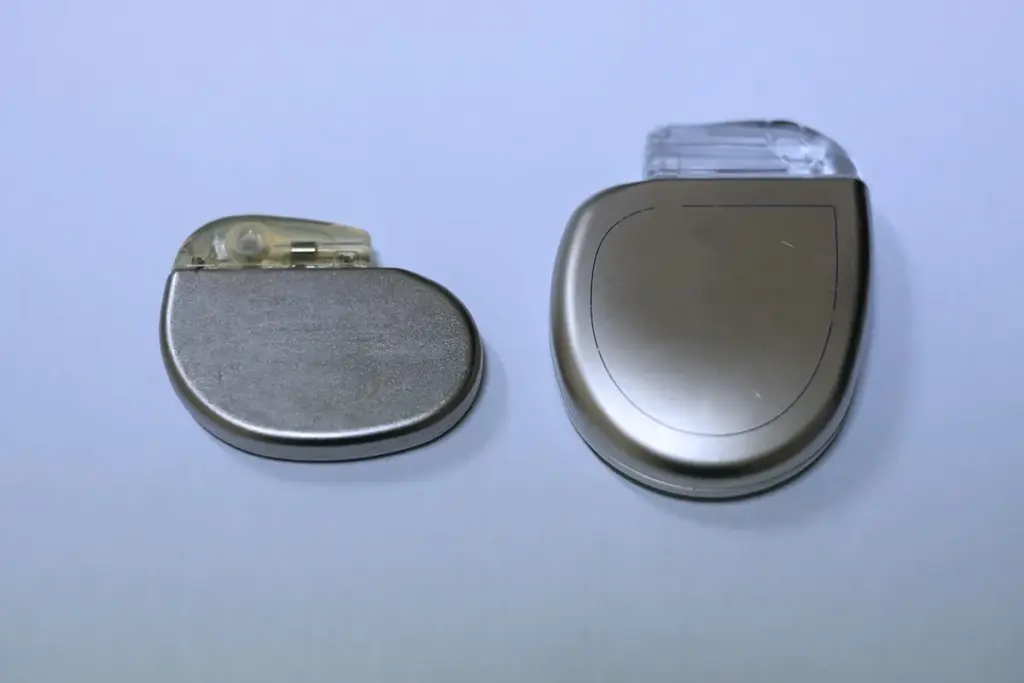
Did you know over 600,000 pacemakers are implanted worldwide each year? This shows how often pacemakers are used to save lives. When we talk about life expectancy after pacemaker implantation, it’s key to know what affects it.Can you be alone after pacemaker surgery? Yes, soon. Life expectancy is amazing! Get best vital facts. This device restores normal lifespan.
Knowing about life expectancy after heart surgery is vital for patients and their families. We’ll look at why this knowledge matters and what affects it. This will prepare us for a detailed look in the next sections.
Key Takeaways
- Pacemaker implantation is a common procedure for treating heart rhythm disorders.
- Life expectancy after pacemaker implantation varies based on individual health factors.
- Understanding the factors influencing life expectancy can help patients make informed decisions.
- Pacemaker surgery recovery plays a significant role in overall patient outcomes.
- Regular follow-up care is key for keeping pacemaker patients healthy.
Understanding Pacemakers: Purpose and Function
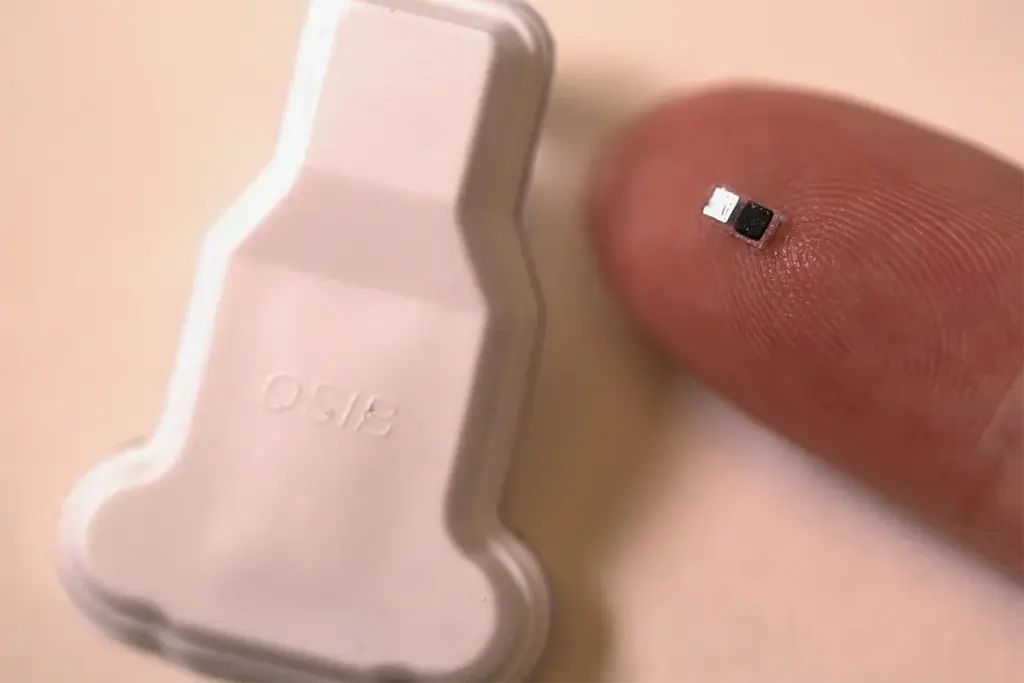
A pacemaker is a device that helps control the heartbeat. It treats heart conditions like irregular rhythms.
What is a Pacemaker and How Does it Work?
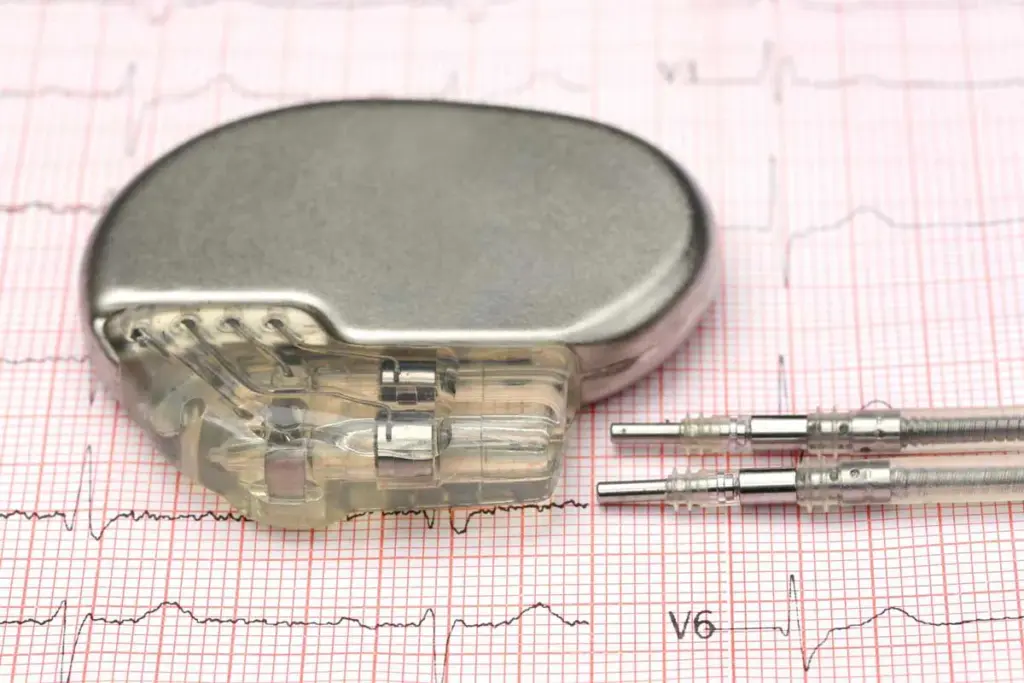
Pacemakers are advanced devices that keep the heart beating right. They have two parts: the pulse generator and the leads. The pulse generator has the electronics and battery, and the leads connect it to the heart.
They work by watching the heart and adjusting the rate as needed. Modern pacemakers can change with the body’s activity, like during exercise.
Types of Pacemakers Available Today
There are many types of pacemakers for different heart issues. The main ones are:
- Single-chamber pacemakers, with one lead in the atrium or ventricle.
- Dual-chamber pacemakers, with leads in both chambers for a natural beat.
- Biventricular pacemakers, used in CRT to sync the left and right ventricles.
Common Conditions Requiring Pacemaker Implantation
Pacemakers treat several heart problems, including:
|
Condition |
Description |
|---|---|
|
Bradycardia |
A condition where the heart beats too slowly. |
|
Atrioventricular Block |
A condition where electrical signals between heart chambers are blocked. |
|
Sick Sinus Syndrome |
A condition affecting the sinoatrial node, causing irregular rhythms. |
Life Expectancy After Pacemaker Surgery: Statistical Overview
Life expectancy after pacemaker surgery depends on age and health. It’s key for patients and families to understand these factors. This helps them deal with the challenges of pacemaker implantation.
Average Survival Rates Following Implantation
Research shows that most patients live a long time after getting a pacemaker. Studies suggest an average survival of 8 to 10 years or more, based on their health.
Age-Related Outcomes and Considerations
Age affects pacemaker outcomes. Older patients often have more health issues, which can impact survival. Yet, pacemakers can improve life and survival in the elderly.
A study on the elderly found pacemakers boost heart function and quality of life. But, outcomes can differ greatly from person to person.
Comparing Life Expectancy With and Without a Pacemaker
It’s hard to compare life expectancy with and without a pacemaker. But research shows pacemakers can improve survival in some heart conditions.
For example, pacemakers help patients with bradycardia or heart block. Without them, these conditions can shorten life and increase risks.
Recent Studies on Long-term Outcomes
New studies look at pacemaker outcomes over time. Technology advances have led to better patient results, with newer pacemakers lasting longer and working better.
A recent meta-analysis in a cardiology journal found survival after pacemaker implantation depends on several factors. These include the heart condition, age, and health issues. The study stressed the need for personalized care and follow-up.
Factors Affecting Longevity with a Pacemaker
After getting a pacemaker, many things can affect how long you live. It’s important for patients and doctors to know these factors. This helps make better care plans.
Underlying Cardiac Conditions and Their Impact
The heart problem that led to the pacemaker matters a lot. Issues like heart failure and arrhythmias can change survival chances. For example, heart failure might affect survival differently than bradycardia.
Age at Implantation
When you get a pacemaker is also key. Older patients often face more health issues and risks. Research shows that being older at the time of implant can lead to higher death rates.
Overall Health and Comorbidities
Your overall health, including comorbidities like diabetes and kidney disease, matters a lot. Keeping these conditions under control is vital for better outcomes.
Lifestyle Choices After Implantation
Choices you make after getting a pacemaker, like your diet and exercise, are important. Quitting smoking and following your medication also play a big role. Living healthily can help you live longer and better.
|
Factor |
Impact on Longevity |
|---|---|
|
Underlying Cardiac Conditions |
Significant impact, varies by condition |
|
Age at Implantation |
Older age associated with higher mortality |
|
Overall Health and Comorbidities |
Presence of comorbidities affects life expectancy |
|
Lifestyle Choices |
Healthy lifestyle improves overall health and survival |
The Pacemaker Implantation Procedure Explained
Learning about the pacemaker implantation procedure can ease worries for those facing this surgery. We’ll cover the main parts of the process, from getting ready to recovering.
What Happens During Pacemaker Surgery
A cardiologist or surgeon makes a small cut in the chest, just below the collarbone. The steps include:
- Insertion of one or more leads (thin, insulated wires) into a vein and guided to the heart.
- Attachment of the leads to the heart tissue.
- Placement of the pacemaker generator under the skin.
- Connection of the leads to the pacemaker.
- Testing of the pacemaker to ensure it’s working correctly.
Pacemaker implantation is typically performed in a catheterization laboratory or a specialized operating room. The team is ready for any situation during the procedure.
Anesthesia and Surgical Approach
Pacemaker surgery is usually done under local anesthesia. This numbs the area around the incision site. It lets the patient stay awake and respond, lowering risks from general anesthesia.
The surgical method might change based on the pacemaker type and the patient’s body. The most common approach is to insert the pacemaker under the skin in the upper chest.
Duration and Hospital Stay Expectations
The procedure usually takes about 1-2 hours. The time can vary based on the case’s complexity and any extra procedures.
Most patients stay in the hospital for 1-2 days for monitoring and recovery. Healthcare professionals will watch for any immediate issues and check the pacemaker’s function.
By knowing these details about the pacemaker implantation procedure, patients can prepare better. This reduces anxiety and improves their experience.
Immediate Recovery After Pacemaker Surgery
The first few hours and days after pacemaker surgery are key. Patients are watched closely for any issues. They also learn how to care for themselves.
The First 24-48 Hours Post-Procedure
Right after surgery, patients often stay in the hospital. Doctors check the pacemaker and the heart’s rhythm. This helps spot and fix any problems right away.
Hospital Monitoring and Discharge Criteria
Doctors keep a close eye on patients in the hospital. They look for signs of getting better or any issues. When the patient is stable, they can go home. They also get tips on caring for themselves at home.
Managing Pain and Discomfort
Dealing with pain is a big part of getting better. Patients might feel sore where the pacemaker was put in. Doctors suggest pain meds and rest to help. It’s important to follow their advice to feel better.
Initial Activity Restrictions
After surgery, some activities are off-limits. Patients should avoid heavy lifting and bending. Sticking to these rules helps the body heal and avoids problems.
Understanding the recovery process and listening to doctors helps patients. It sets them up for a good outcome with their pacemaker.
Can You Be Alone After Pacemaker Surgery?
After getting a pacemaker, many wonder if they can recover alone at home. It depends on their health, support system, and ability to follow instructions.
Safety Considerations for Solo Recovery
Recovering alone needs careful thought to avoid problems. This includes:
- Having a reliable phone nearby.
- Ensuring someone checks on you often.
- Knowing the signs of complications like infection or device issues.
When Assistance is Necessary vs. Optional
In the first 24-48 hours, you definitely need help. But, how much help you need later depends on your recovery and health.
Additional help might be needed if:
- You’re in a lot of pain.
- You can’t do daily tasks.
- You have other health issues that make recovery harder.
Setting Up Your Home for Independent Recovery
To recover alone safely, your home needs to be ready. Think about:
- Preparing meals ahead of time.
- Creating a cozy place to rest.
- Having easy access to important things without straining.
Emergency Protocols for Those Recovering Alone
Having a plan for emergencies is key. This includes:
- Keeping emergency numbers close.
- Knowing when to call for help fast.
- Having your meds and doses ready.
With these steps and understanding your needs, you can safely recover at home after pacemaker surgery.
Long-term Recovery Timeline and Milestones
Knowing the long-term recovery timeline is key for patients after pacemaker surgery. We’ll guide you through the recovery process. We’ll highlight key milestones and what to expect on your journey to full recovery.
First Week After Discharge
The first week after discharge is critical for a smooth recovery. It’s important to:
- Rest and avoid strenuous activities
- Follow the medication regimen as prescribed by your doctor
- Monitor your incision site for signs of infection
- Attend follow-up appointments as scheduled
We recommend keeping a log of your activities, medication, and any concerns. Discuss them with your healthcare provider.
Weeks 2-4: Progressive Activity Resumption
As you enter weeks 2-4, you can start resuming activities progressively. This includes:
- Gradually increasing physical activity, such as short walks
- Returning to light household chores
- Possibly resuming driving, depending on your doctor’s advice
It’s important to listen to your body and not overexert yourself. If you experience any discomfort or pain, consult your healthcare provider.
1-3 Months: Returning to Normal Life
Within 1-3 months, most patients can return to their normal activities. This includes:
- Resuming more strenuous activities and exercise
- Returning to work, depending on the nature of your job
- Engaging in hobbies and social activities
It’s a significant milestone to be back to your usual routine, but remember to follow your doctor’s advice.
Long-term Adaptation and Monitoring
Long-term recovery involves adapting to life with a pacemaker and regular monitoring. This includes:
- Regular check-ups with your cardiologist
- Monitoring your pacemaker’s function and battery life
- Making necessary lifestyle adjustments to ensure the device functions optimally
We stress the importance of these follow-ups. They ensure your pacemaker continues to support your heart health effectively.
Daily Life with a Pacemaker
Getting a pacemaker can change your daily life. It’s a device that helps your heart, but you need to follow some rules. This helps you adjust smoothly to life with a pacemaker.
Physical Activity Guidelines and Restrictions
Being active is good for your health, even with a pacemaker. But, you should avoid heavy lifting and bending at first. Most people can start normal activities again in a few weeks.
Start with easy exercises like walking. Then, you can do more as your doctor says. Stop if you feel any pain or discomfort.
Driving and Travel Considerations
Driving and traveling are usually okay after getting a pacemaker. But, wait until your doctor says it’s safe to drive. Tell airport security about your pacemaker to avoid problems with scanners.
“It’s always better to be safe than sorry. If you’re planning a trip, consult your doctor for personalized advice on managing your pacemaker while traveling.”
Environmental Factors and Electromagnetic Interference
Pacemakers can be affected by strong magnetic fields. Modern ones are shielded, but it’s wise to be careful. Stay away from high-voltage power lines and some industrial equipment. Also, avoid MRI scans without talking to your doctor first.
- Keep your pacemaker away from strong magnetic fields.
- Be cautious with devices that have strong magnets or electrical currents.
- Inform your doctor about any upcoming medical procedures.
Sexual Activity and Intimate Relationships
You can usually start having sex again a few days to a week after getting a pacemaker. It depends on your health and what your doctor says. Talking openly with your partner is key.
By following these tips, you can live a normal life with a pacemaker. Always talk to your doctor for advice on daily life with your pacemaker.
What is the Life Expectancy After Pacemaker Implantation?
Did you know over 600,000 pacemakers are put in worldwide each year? This shows how important it is to know about life expectancy after pacemaker implantation. Thanks to better technology, people with pacemakers are living longer and healthier. But, life expectancy can change a lot based on heart health and overall well-being.
We’ll look at what affects heart failure life expectancy and pacemaker life expectancy. This will give us a better idea of what to expect. Knowing these things helps manage hopes and make better care choices.
Key Takeaways
- Pacemaker implantation greatly affects life expectancy.
- Heart conditions are key in determining life expectancy.
- Health and lifestyle choices also play a big role.
- New pacemaker tech helps people live longer.
- Regular check-ups are vital for a longer life.
Understanding Pacemakers: Purpose and Function
A pacemaker is a small device that helps control the heartbeat. It sends electrical impulses to make the heart muscle contract. This ensures the heart beats at a steady and proper rate.
What is a Pacemaker and How Does it Work?
A pacemaker has two main parts: the pulse generator and the leads. The pulse generator is a small metal box with a battery and electronic circuitry. The leads are insulated wires that connect the pulse generator to the heart.
The device sends electrical impulses to the heart to make it beat regularly. These impulses are based on the heart’s natural rhythm and the pacemaker’s settings.
The pulse generator is implanted under the skin in the chest. The leads are guided through a vein into the heart. Once in place, the pacemaker monitors the heart’s rhythm and adjusts its impulses as needed.
Types of Pacemakers Available Today
There are several types of pacemakers, each for different heart rhythm disorders. The main types include:
- Single-chamber pacemakers, with one lead in either the atrium or the ventricle.
- Dual-chamber pacemakers, with two leads, one in the atrium and one in the ventricle, for a more natural heartbeat.
- Biventricular pacemakers, or CRT devices, used to treat heart failure by ensuring both ventricles contract at the same time.
Each pacemaker type is designed for specific heart conditions. The choice depends on the individual’s needs.
Common Conditions Requiring Pacemaker Implantation
Pacemakers treat various heart rhythm disorders, including:
- Bradycardia, where the heart beats too slowly.
- Heart block, where electrical signals between heart chambers are delayed or blocked.
- Syncope, or fainting spells, caused by irregular heart rhythms.
Understanding pacemakers helps appreciate their role in managing heart health and improving quality of life.
Life Expectancy After Pacemaker Surgery: Statistical Overview
Statistical analysis gives us insights into life expectancy after pacemaker surgery. It helps both patients and doctors understand what to expect from this common procedure.
Pacemaker implantation is a big change for those with heart rhythm issues. Knowing about life expectancy after surgery can offer comfort. It also helps in planning for the future.
Average Survival Rates Following Implantation
Studies show that survival rates after pacemaker implantation depend on several things. These include the patient’s age, health, and the pacemaker type.
Research finds that most patients with pacemakers live for 10 to 15 years or more after getting one.
Age-Related Outcomes and Considerations
Age and pacemaker outcomes are closely related. Older patients usually have different survival rates than younger ones.
Pacemakers are often used in older adults, but younger people also benefit. The effect of age on life expectancy after pacemaker surgery is important for both patients and doctors.
Comparing Life Expectancy With and Without a Pacemaker
Patients often wonder how their life expectancy with a pacemaker compares to those without one.
Studies show that pacemaker users generally live longer than those with similar heart conditions without a pacemaker.
Recent Studies on Long-term Outcomes
Long-term pacemaker outcomes have been studied a lot in recent years. This research gives us valuable insights into how well these devices work and last.
Recent studies stress the need for ongoing monitoring and follow-up care for pacemaker users. This ensures the best results and helps catch any problems early.
Factors Affecting Longevity with a Pacemaker
It’s important to know what affects how long a pacemaker lasts. This knowledge helps both patients and doctors. Many things can change how well a pacemaker works, affecting a person’s life and health.
Underlying Cardiac Conditions and Their Impact
The heart problem that led to the pacemaker is key. Issues like bradycardia, heart block, and sick sinus syndrome can affect health differently. It’s important to manage these problems well with the pacemaker.
Age at Implantation
When a pacemaker is put in is also important. Older people might face more health risks. We’ll look at how age changes the outcome and what to consider for different ages.
Overall Health and Comorbidities
A person’s health and other health issues greatly affect pacemaker longevity. Problems like diabetes, hypertension, and heart failure can affect the pacemaker’s success. It’s key to manage these conditions well.
Lifestyle Choices After Implantation
Choices after getting a pacemaker are also important. Things like diet, exercise, quitting smoking, and taking medicine as directed can greatly impact life. Making healthy choices can improve outcomes.
Understanding these factors helps doctors give better care. This can lead to a better life for people with pacemakers.
The Pacemaker Implantation Procedure Explained
The pacemaker implantation procedure is a big step in managing heart conditions. Knowing what it involves can ease worries. We’ll cover the main parts of the procedure, from start to finish.
What Happens During Pacemaker Surgery
The surgery starts with local anesthesia to numb the area. This makes the procedure less painful and lets patients stay awake. It usually takes 1-2 hours.
The surgeon makes a small cut in the chest, just below the collarbone. They create a pocket for the pacemaker. Then, they guide thin wires through a vein into the heart. These wires connect to the pacemaker, which is placed in the pocket.
Anesthesia and Surgical Approach
Local anesthesia with sedation is usually used. This numbs the area and relaxes the patient. Sometimes, general anesthesia is used for other procedures at the same time.
The surgery is done with a minimally invasive method. This aims to reduce recovery time and scarring. Fluoroscopy helps the surgeon see the wires in the heart, ensuring they’re in the right place.
Duration and Hospital Stay Expectations
The procedure usually lasts 1 to 2 hours. After, patients often stay in the hospital for a short time. They might go home the same day or the next, depending on their health and the procedure.
Here’s a quick look at what to expect during and after the hospital stay:
|
Day |
Procedure/Recovery Stage |
Expected Activities/Restrictions |
|---|---|---|
|
Procedure Day |
Pacemaker Implantation |
Rest, limited movement |
|
Day 1 |
Post-Procedure Recovery |
Monitoring, gradual mobilization |
|
Day 2-3 |
Discharge and Home Recovery |
Rest, avoid heavy lifting, follow-up appointment |
Understanding the pacemaker implantation procedure can reduce anxiety. It helps patients feel ready for their treatment. Knowing what to expect makes recovery easier and helps adjust to life with a pacemaker.
Immediate Recovery After Pacemaker Surgery
After pacemaker surgery, the first few days are very important. This time is for watching for any problems and making sure everything goes well. We’ll help you understand what to expect in the first 24-48 hours, your stay in the hospital, managing pain, and what activities to avoid.
The First 24-48 Hours Post-Procedure
The first two days after surgery are key. Patients stay in the hospital to watch for any issues. Close observation helps doctors fix any problems quickly and make sure the pacemaker works right.
Doctors check the pacemaker, look for signs of infection, and help with pain. They also teach patients how to take care of their pacemaker site and watch for any warning signs.
Hospital Monitoring and Discharge Criteria
Watching patients closely after surgery is common. Doctors check the pacemaker, the patient’s health, and look for any complications. Discharge criteria include stable health, working pacemaker, and no immediate problems.
Before leaving the hospital, patients get instructions on caring for their pacemaker site, managing medications, and when to come back for check-ups. Knowing these steps is important for a smooth recovery.
Managing Pain and Discomfort
It’s important to manage pain and discomfort after surgery. Pain management includes medicine, rest, and avoiding hard activities. If pain gets worse, patients should tell their doctor.
Some people might feel discomfort or swelling where the pacemaker is. Using ice packs and keeping the area up can help.
Initial Activity Restrictions
After surgery, some activities are off-limits to help healing. Initial activity restrictions include no heavy lifting, bending, or hard exercise. Patients should also be careful with the arm on the pacemaker side to avoid problems.
Slowly starting normal activities with a doctor’s okay is important. This helps avoid complications and supports healing.
Can You Be Alone After Pacemaker Surgery?
After getting a pacemaker, many wonder if they can recover alone at home. It’s safe if you’re healthy, have support, and follow doctor’s orders.
Safety Considerations for Solo Recovery
Recovering alone needs careful planning. You must be able to handle problems and follow doctor’s advice by yourself.
Key safety considerations include:
- Having a reliable means of communication, such as a phone
- Being aware of the signs of possible complications
- Having a plan for emergency situations
- Ensuring someone is available to check on them regularly
When Assistance is Necessary vs. Optional
Some can recover alone, but others need help. This depends on age, health, and other medical conditions.
|
Condition |
Assistance Recommendation |
|---|---|
|
Patients with significant comorbidities |
Highly recommended |
|
Elderly patients living alone |
Recommended |
|
Patients with a history of complications |
Highly recommended |
Setting Up Your Home for Independent Recovery
To safely recover at home alone, prepare your space. This means:
- Clearing clutter to prevent falls
- Ensuring easy access to essential items
- Setting up a comfortable recovery area
Emergency Protocols for Those Recovering Alone
It’s important to have a plan for emergencies. You should:
- Keep emergency contact numbers handy
- Know the signs of complications that require immediate medical attention
- Have a plan for getting to the hospital if needed
By being prepared and aware of your condition, you can safely recover from pacemaker surgery alone.
Long-term Recovery Timeline and Milestones
Knowing the long-term recovery timeline after pacemaker surgery helps patients heal better. Each person’s recovery is different. It’s important to remember this.
First Week After Discharge
The first week after leaving the hospital is key. Patients should rest, avoid heavy lifting, and take their meds as told. “It helps the body heal and lowers the chance of problems.”
Weeks 2-4: Progressive Activity Resumption
Weeks 2-4 are for slowly getting back to activities. Patients can start with short walks and light exercises. Then, they can do more as their doctor says. It’s important to listen to your body and not push too hard.
1-3 Months: Returning to Normal Life
In 1-3 months, most people can go back to their usual life. This includes work and social activities. But, keep going to your doctor’s appointments to check on your pacemaker and heart.
Long-term Adaptation and Monitoring
Long-term care means regular check-ups and watching the pacemaker. Patients should know the signs of problems and live a healthy lifestyle. This helps the pacemaker last longer and keeps you well.
By knowing these milestones, patients can manage their recovery better. This makes going back to normal life easier.
Daily Life with a Pacemaker
Living with a pacemaker means making some lifestyle changes. We’ll look at how to stay active, drive safely, travel, and handle environmental factors. These steps help ensure your pacemaker works well and safely.
Physical Activity Guidelines and Restrictions
Being active is key to staying healthy, even with a pacemaker. But, some activities might need extra care. Always talk to your doctor before starting any new exercise.
Most people can go back to normal activities like walking and swimming after a while. But, avoid sports that could hurt your pacemaker.
Driving and Travel Considerations
Driving and traveling can be different with a pacemaker. You might need to wait a bit before driving again. This ensures you’re fully recovered and your device is working right.
When flying, tell the airline about your pacemaker. Also, carry an ID card from your pacemaker maker or doctor. This helps with security checks.
Environmental Factors and Electromagnetic Interference
Some things in the environment can mess with your pacemaker. Be careful around strong magnets and devices that make a lot of electromagnetic interference (EMI). Things like MRI machines and some industrial tools can be a problem. But, most pacemakers are made to handle everyday EMI.
|
Environmental Factor |
Potential Impact |
Precaution |
|---|---|---|
|
Strong Magnetic Fields (e.g., MRI machines) |
Can interfere with pacemaker function |
Avoid exposure; inform healthcare providers |
|
Industrial Equipment |
Potential for EMI |
Maintain safe distance; consult manufacturer guidelines |
|
Household Appliances |
Generally safe, but some may cause EMI |
Normal use is usually safe; avoid leaning against or lingering near large appliances |
Sexual Activity and Intimate Relationships
Sex is an important part of life, and a pacemaker shouldn’t stop you. You can usually start again after surgery. Just make sure to follow your doctor’s advice on how much to exert yourself.
Knowing how to live with a pacemaker helps you enjoy life more. Always talk to your doctor for specific advice tailored to you.
Pacemaker Maintenance and Follow-up Care
Keeping your pacemaker in top shape is key. After it’s implanted, following a care plan is essential. This ensures it works right and catches any problems early. We’ll cover the basics of pacemaker care, like regular check-ups, battery life, remote monitoring, and when you might need adjustments or upgrades.
Regular Check-up Schedule
Regular visits are critical for your pacemaker’s health. You’ll see your doctor soon after it’s put in, then more often at first. Later, visits might be less frequent. These visits help your doctor check the battery, adjust settings, and watch for any issues.
Keeping a log of your visits and any changes is a good idea. It helps spot problems early.
Battery Life and Replacement Procedures
Pacemaker batteries can last 5 to 15 years, depending on the device and how it’s used. When the battery gets low, your doctor will replace it. This is usually easier than the first time it was put in.
“The battery life of a pacemaker depends on the device, its settings, and how much it’s used,” says a top cardiologist. “Regular checks help plan for when it needs to be replaced.”
Remote Monitoring Options
Many pacemakers can be monitored remotely. This lets your healthcare team check on it without you having to go to the hospital. It’s great for fewer visits and catching problems early.
- Convenience: Fewer hospital trips.
- Early Detection: Quick action for any issues.
- Peace of Mind: Your device is always being checked.
When Adjustments or Upgrades Are Needed
Over time, your pacemaker might need tweaks to keep up with your heart. You might also need a new model if technology improves or your health changes. Your doctor will tell you when and if these changes are needed.
Knowing about new pacemaker tech can help you talk about upgrades or changes with your doctor.
Potential Complications and How to Recognize Them
Pacemakers are usually safe and work well. But, there are possible problems that patients should know about. These issues can happen during or after the pacemaker is put in. Knowing about them can help patients act quickly.
Short-term Complications After Implantation
Short-term problems can show up a few days or weeks after the pacemaker is put in. These might include:
- Infection at the site of the pacemaker implantation
- Bleeding or hematoma
- Pain or discomfort
- Swelling or bruising
It’s important for patients to watch their health closely. They should tell their doctor if they notice anything odd.
Long-term Risks and Warning Signs
Long-term risks with pacemakers include lead problems, device recalls, and needing a new battery. Knowing the signs of trouble is key. Look out for:
- Dizziness or fainting
- Shortness of breath
- Chest pain
- Palpitations or irregular heartbeat
Device Malfunction Symptoms
Pacemaker problems can show up in different ways. These include:
- Failure to pace
- Inappropriate pacing
- Lead fracture
- Device failure to capture
If patients notice these symptoms, they should get medical help right away.
When to Seek Emergency Medical Attention
It’s vital for patients to know when to get emergency care. Severe symptoms like trouble breathing, chest pain, or severe dizziness need immediate action. Don’t wait to get help.
Common Misconceptions About Pacemakers and Longevity
Many patients have wrong ideas about pacemakers and how they affect their life span. We often meet people who don’t know how pacemakers work or their impact on life expectancy. It’s key to clear up these misconceptions to give a true view of pacemaker therapy’s benefits and limits.
Myth vs. Reality: Pacemaker Limitations
One wrong idea is that pacemakers fix all heart problems. In truth, pacemakers manage certain heart rhythm issues. They greatly improve life quality but can’t solve all heart problems. For example, they help with slow heart rates but don’t tackle coronary artery disease.
- Pacemakers are not a cure for heart failure, though they’re part of the treatment plan.
- They don’t stop heart attacks or other cardiac events.
- Pacemakers can ease symptoms and improve life quality but can’t replace other treatments.
Understanding Device Dependence
Another wrong idea is that pacemaker users are completely dependent on their device. While pacemakers are vital for many, the level of dependence varies. Some might need their pacemaker less often, while others rely on it more.
Pacemakers are also adjustable. As a patient’s health changes, the device can be reprogrammed. This flexibility reduces dependence and ensures the pacemaker works well.
Pacemakers vs. Other Cardiac Devices
Patients often mix up pacemakers with other heart devices like ICDs and CRT devices. Though all manage heart issues, they have different roles.
|
Device |
Purpose |
Primary Use |
|---|---|---|
|
Pacemaker |
Regulate heart rhythm |
Bradycardia, heart block |
|
ICD |
Prevent sudden cardiac death |
Ventricular tachycardia, ventricular fibrillation |
|
CRT |
Improve heart function |
Heart failure with ventricular dyssynchrony |
Knowing the differences between these devices helps patients understand their treatment options better.
Special Considerations for Elderly Pacemaker Recipients
As more people age, more elderly are getting pacemakers. This means we need to focus on their special needs. Elderly patients often have other health issues that need careful attention to get the best results.
Benefits and Risks for Older Adults
Older adults thinking about getting a pacemaker need to think about the good and bad sides. Improved heart function and reduced symptoms are the good parts. But, there are risks like complications from surgery and device-related issues.
Quality of Life Improvements
Many elderly people feel much better after getting a pacemaker. They might have more energy, be able to move better, and do more things every day.
Caregiving Needs and Resources
Caregivers are very important for elderly pacemaker patients. They need the right resources and support to handle the caregiving tasks.
End-of-Life Considerations and Device Deactivation
Decisions about pacemakers at the end of life are very complex. Patient preferences and medical advice are key in making these choices.
Conclusion: Living Well with a Pacemaker
Getting a pacemaker can change your life. It’s key to know how to live well with it to keep a good quality of life. We’ve looked at how to care for a pacemaker, from implantation to long-term care.
How long a pacemaker lasts is a big worry. A healthy lifestyle and regular check-ups can help it last longer. It’s important to follow activity guidelines and watch out for problems.
Knowing how to manage a pacemaker can help it work better. Regular visits to the doctor, a balanced life, and staying alert to issues are vital. This way, you can enjoy a long and healthy life with your pacemaker.
FAQ
What is the average life expectancy after pacemaker implantation?
The life expectancy after getting a pacemaker depends on several factors. These include your age, health, and why you got the pacemaker. Studies show many people live 5-15 years or more after the surgery, with proper care.
Can you be alone after pacemaker surgery?
For the first 24-48 hours, it’s best to have someone with you. But, if your doctor says it’s okay and you’re feeling well, you can be alone later.
How long does it take to recover from pacemaker surgery?
Recovery from pacemaker surgery takes a few weeks. You can start doing normal things in 1-3 months. The first week is for rest, then you can slowly get back to normal.
What are the possible complications of having a pacemaker?
Complications can include infection, bleeding, and reactions to anesthesia. There’s also a chance of device malfunction. Regular check-ups are key to catch these issues early.
How often do pacemakers need to be checked?
Pacemakers should be checked every 3-6 months. This depends on the device and your doctor’s advice. Some devices can be checked remotely, which might reduce visits.
Can lifestyle choices affect the longevity of a pacemaker?
Yes, choices like smoking, diet, and exercise can affect your heart health. This, in turn, can impact your pacemaker’s life. Staying healthy is important.
Are there any restrictions on physical activity with a pacemaker?
At first, you should avoid heavy lifting and strenuous activities. Once you’re healed, you can usually do normal exercises. Always follow your doctor’s advice.
How does a pacemaker affect daily life?
A pacemaker can greatly improve your life by controlling heartbeats. It lets most people do their usual activities. But, you might need to avoid strong magnetic fields or high-voltage areas.
What is the lifespan of a pacemaker battery?
Pacemaker batteries last from 5 to 15 years, depending on the device and use. Your doctor will check the battery during visits.
Can a pacemaker be removed or replaced?
Yes, pacemakers can be replaced when the battery runs out or if there are issues. Removal is usually for infections. The decision to remove or replace depends on your situation.
Reference
JAMA Network. Evidence-Based Medical Insight. Retrieved from https://jamanetwork.com/journals/jamainternalmedicine/fullarticle/1106190