Endometriosis is a chronic condition that affects about one in 10 women of reproductive age. It causes a range of symptoms that can vary greatly in severity and impact. While it’s often linked to young adults, endometriosis can technically appear at any point after menstruation begins.can you develop endometriosis later in lifeWhere do you hurt when you have ovarian cancer?
Recent research suggests that what seems like sudden onset in women in their 40s or beyond might actually be undiagnosed disease. This disease has silently progressed for years.
We will explore the complexities of endometriosis development across different age groups. This will provide a clear understanding of this complex condition. By examining the onset, symptoms, and diagnosis of endometriosis, we aim to shed light on the experiences of women who may be affected by this condition.
Key Takeaways
- Endometriosis can occur at any age after menstruation begins.
- The condition affects approximately one in 10 women of reproductive age.
- Symptoms can vary greatly in severity and impact.
- Late-onset endometriosis may be undiagnosed disease that has progressed silently for years.
- Understanding endometriosis development is key for effective diagnosis and treatment.
Understanding Endometriosis: A Brief Overview
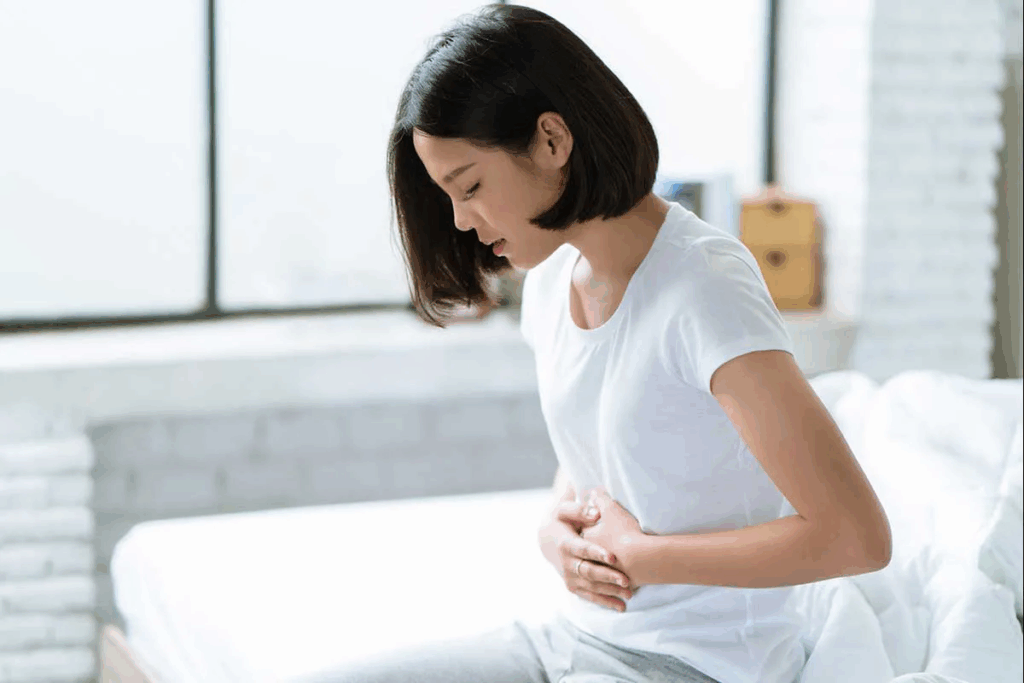
To understand endometriosis, we need to know what it is and how it affects women. It’s a complex and painful condition that touches millions of lives worldwide. We’ll look into its definition, how common it is, and its symptoms.
What Exactly Is Endometriosis?
Endometriosis happens when tissue like the uterine lining grows outside the uterus. This causes pain and discomfort. Medical Expert, “Endometriosis is when tissue from the uterine lining grows outside the uterus.”
This misplaced tissue can cause inflammation, scarring, and adhesions. These lead to various symptoms. The growth of endometrial tissue outside the uterus is a key sign of this condition.
It can grow in places like the ovaries, fallopian tubes, and pelvic tissue. This can cause a lot of pain, mainly during menstrual periods. It can also lead to infertility.
How Common Is This Condition?
Endometriosis is more common than many think. It affects about 1 in 10 women of reproductive age worldwide. But, the real number might be higher because it’s often not diagnosed correctly.
The symptoms of endometriosis vary from woman to woman. Common signs include pelvic pain, heavy or irregular menstrual bleeding, and infertility. Spotting these symptoms early is key to getting the right treatment.
The Typical Age of Endometriosis Onset
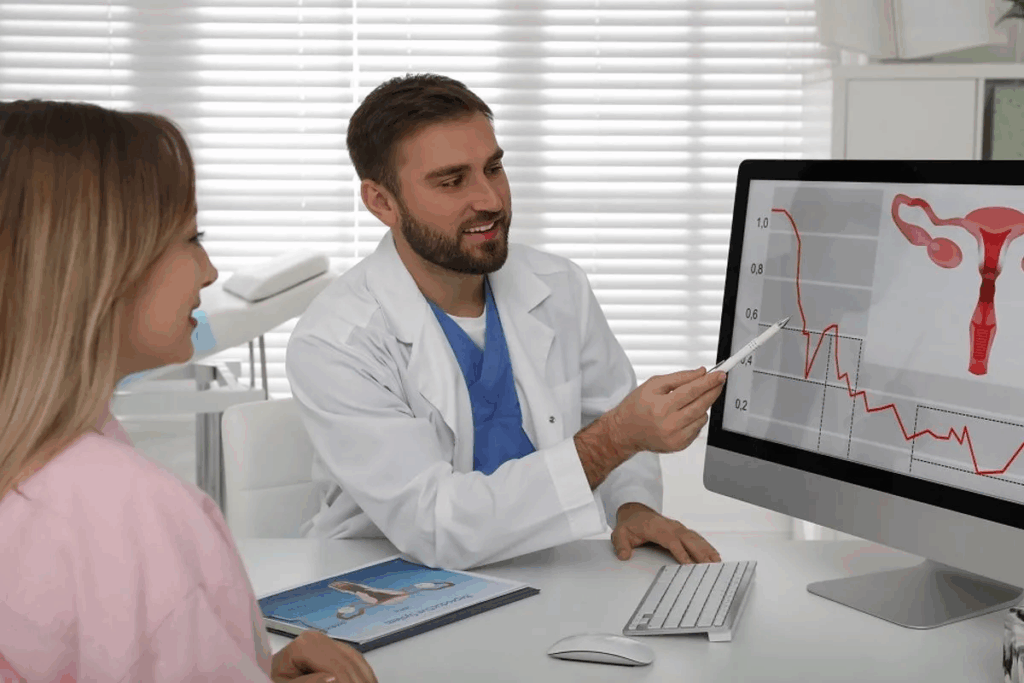
Endometriosis can start at any age, but it often begins in the teenage years. Knowing this helps us understand when symptoms first show up. It also sheds light on how common it is in different age groups.
Early Development During Adolescence
Endometriosis isn’t just for adults; it can start in teens. Research shows teens can get endometriosis, leading to symptoms that might be confused with other issues. Spotting these symptoms early is key to getting help quickly.
“The start of endometriosis in teens is hard to spot because its symptoms are similar to other common problems like painful periods,” a study on teen endometriosis points out.
WHO Statistics on Prevalence
The World Health Organization says about 10% of women of reproductive age worldwide have endometriosis. This shows how common it is and why we need to raise awareness across all ages.
WHO also notes that endometriosis affects women from all ethnic and socio-economic backgrounds. This makes it a big health issue worldwide.
The 66% Statistic: Symptoms Before Age 20
About 66% of women with endometriosis first notice symptoms before they’re 20. This fact shows that endometriosis isn’t just a problem for older women. It often starts much earlier.
The early start of symptoms means endometriosis isn’t just about hormonal changes later in life. It’s often linked to earlier developmental processes.
As we learn more about endometriosis, understanding when it starts and how common it is will help us find better ways to diagnose and treat it.
Can You Develop Endometriosis Later in Life?
Endometriosis is often thought to affect only young women. But, research shows it can happen at any age. This challenges the idea that endometriosis only affects young women.
Research on Late-Onset Endometriosis
Studies reveal endometriosis can be present without symptoms. Some women may suddenly start experiencing symptoms later in life. This research is key to understanding why endometriosis can develop at different times in a woman’s life.
Late-Onset Endometriosis: Key Findings
Study | Key Findings |
Study on Post-Menopausal Women | Endometriosis can persist or develop after menopause, highlighting the need for continued awareness. |
Research on Symptom Onset | Some women experience their first symptoms in their 30s or 40s, challenging the notion that endometriosis only affects younger women. |
Comparative Study | Differences in symptom severity and frequency were observed between younger and older women with endometriosis. |
The Difference Between Development and Diagnosis
It’s important to understand the difference between developing endometriosis and getting diagnosed. The condition may be present for years before it’s diagnosed. This can happen because symptoms are not always present or are mistaken for other conditions.
Expert Consensus on Late Development
Experts agree that endometriosis can affect women at any age, not just the young. Hormonal changes, reproductive history, and genetics all play a part. These factors influence when endometriosis develops and is diagnosed.
It’s vital to grasp the complexities of endometriosis, including its late development. This knowledge helps in providing the right care and support to women at all stages of life.
The “Sudden Appearance” Phenomenon Explained
Endometriosis can hide for years before showing symptoms in some women. This raises big questions about endometriosis and how it grows.
Asymptomatic Endometriosis: The Silent Progression
Many women don’t know they have endometriosis until symptoms get bad. Asymptomatic endometriosis means having endometrial tissue outside the uterus without symptoms. Research shows endometriosis can stay hidden for years before symptoms show up.
While it’s silent, endometrial lesions can grow and harm nearby tissues. Why this happens isn’t clear, but it might be because of how each person’s body reacts to hormones and immune responses.
Triggers That Can Activate Symptoms Later in Life
Several things can start symptoms in women with hidden endometriosis. Hormonal changes, like those in the menstrual cycle or with hormone therapy, can make endometrial lesions grow and cause symptoms.
- Changes in lifestyle or environment
- Stress and its impact on hormonal balance
- Other medical conditions that may worsen endometriosis
Why Symptoms May Intensify Over Time
As endometriosis gets worse, symptoms can get more severe. This is because of scar tissue, adhesions, and growing endometrial lesions. The inflammatory nature of endometriosis can make pain and discomfort worse over time.
Also, how the body reacts to endometriosis can vary. This can lead to symptoms like pelvic pain, heavy bleeding, and trouble getting pregnant. Knowing these factors is key to managing endometriosis well.
Endometriosis Across Different Life Stages
Women face different challenges with endometriosis at various life stages. This chronic condition affects women from adolescence to menopause and beyond. Understanding how symptoms change with age is key to managing the condition effectively.
Adolescence and Early Adulthood (Ages 12-25)
In adolescence and early adulthood, endometriosis symptoms can be severe. Young women often deal with intense menstrual cramps and heavy bleeding. These symptoms can greatly affect their daily lives and school performance.
It’s important for healthcare providers to watch for these symptoms in young women. Early diagnosis and treatment can prevent long-term problems and improve their quality of life.
Prime Reproductive Years (Ages 25-40)
Women in their prime reproductive years may face fertility issues due to endometriosis. This condition can make it harder to get pregnant. Symptoms can also change during pregnancy, affecting some women more than others.
Managing endometriosis at this stage often requires a team effort. Gynecologists, fertility specialists, and pain management experts may be involved. Treatment plans may need to adjust as women try to conceive or during pregnancy.
Perimenopause and Beyond (Ages 40+)
As women approach menopause, endometriosis symptoms can change. Some may see a decrease in symptoms, while others continue to experience pain. Hormonal changes can affect the condition, and hormone replacement therapy may sometimes worsen symptoms.
Women in this stage may find it hard to tell if their symptoms are from endometriosis or menopause. Accurate diagnosis and management are vital to ensure they get the right care.
How Fast Can Endometriosis Develop?
Endometriosis grows at different rates for everyone. Some women see symptoms slowly grow over years. Others see a quick rise in symptoms.
Many things affect how fast endometriosis grows. We’ll look at these factors and study how fast it can grow. This will help us understand endometriosis better.
The Progression Timeline of Endometriosis
Endometriosis can start at any age, from teen years to menopause. Its growth is shaped by genetics, hormones, and the environment.
Research shows endometriosis doesn’t grow in a straight line. Hormonal changes and lifestyle can trigger its growth. Knowing these can help manage the condition.
Factors That May Accelerate Development
Some things can make endometriosis grow faster. Genetics, hormones, and the environment play a role. For example, women with a family history of endometriosis may see it grow faster.
Lifestyle also matters. A diet full of processed foods and low in fruits and veggies can worsen symptoms. High stress can also lead to hormonal imbalances, speeding up the disease.
Research on Disease Progression Rates
Scientists are always studying how fast endometriosis grows. They look for patterns and what makes it grow faster. So far, they’ve found many factors at play.
Age, symptom severity, and other health issues can affect how fast endometriosis grows. Knowing this helps doctors create better treatment plans. This can slow down the disease’s growth.
By studying endometriosis more, we can find better ways to manage it. This will help women live better with this condition.
Endometriosis After 40: What You Should Know
Endometriosis can affect women of all ages, not just the young. It’s important to know that it can start or continue in women over 40. Studies show that endometriosis can last well into menopause and sometimes even longer.
Can You Develop Endometriosis in Your 40s?
Yes, women in their 40s can get endometriosis. While it’s more common in younger women, it can happen to older women too. Hormonal changes, a history of endometriosis, or other gynecological issues might play a role.
Key factors to consider:
- Hormonal changes during perimenopause
- Previous history of endometriosis or other gynecological issues
- Family history of endometriosis
Distinguishing Endometriosis from Other Midlife Conditions
Diagnosing endometriosis in women over 40 can be tricky. Its symptoms are similar to those of other conditions like fibroids, adenomyosis, or irritable bowel syndrome (IBS). A detailed medical history and tests are needed for a correct diagnosis.
Condition | Common Symptoms | Diagnostic Approach |
Endometriosis | Pelvic pain, heavy bleeding, infertility | Laparoscopy, imaging tests |
Fibroids | Heavy bleeding, pelvic pressure | Ultrasound, MRI |
Adenomyosis | Heavy bleeding, pelvic pain | Ultrasound, MRI, histopathology |
Treatment Considerations for Older Women
Treatment for endometriosis in women over 40 depends on their symptoms, medical history, and what they prefer. Options include hormonal therapies, pain management, and sometimes surgery.
Considerations for treatment:
- The severity of symptoms and their impact on quality of life
- The presence of other health conditions
- The woman’s preferences regarding treatment options
Dealing with endometriosis in midlife is complex. It needs a thorough and caring approach. Healthcare providers can offer tailored care that considers the unique needs of women over 40. This care addresses both physical and emotional aspects of the condition.
Endometriosis During and After Menopause
Menopause can change how endometriosis symptoms feel. It’s important to know how these changes affect symptoms. Hormonal shifts during menopause can impact endometriosis in different ways.
Rarity of Post-Menopausal Endometriosis
Endometriosis usually affects women of reproductive age. But, symptoms can start or get worse during perimenopause.
Studies show that symptoms may lessen after menopause. Yet, they don’t always go away. Some women might feel less severe symptoms.
Key factors influencing post-menopausal endometriosis include:
- Hormonal changes in perimenopause
- Use of hormone replacement therapy (HRT)
- Presence of endometrial lesions or adhesions
Hormone Replacement Therapy and Endometriosis Risk
HRT helps with menopause symptoms. But, it can make endometriosis symptoms worse for some women.
The risk varies based on HRT type and medical history. Women with endometriosis should talk to their doctor about HRT risks and benefits.
HRT Type | Endometriosis Risk |
Estrogen-only HRT | Higher risk of reactivating endometriosis symptoms |
Combined Estrogen-Progestin HRT | Lower risk, as progestin can help suppress endometrial growth |
Managing Existing Endometriosis Through Menopause
Managing endometriosis during menopause needs a personalized plan. This plan should consider symptoms, medical history, and treatment goals.
Strategies for managing endometriosis during this transition include:
- Adjusting medication to control symptoms
- Lifestyle modifications to reduce symptom severity
- Careful consideration of HRT, if necessary
Understanding how endometriosis symptoms change during menopause is key. Working with healthcare providers helps women manage their condition during this time.
The Challenge of Diagnosis: Why Endometriosis Is Often Missed
Diagnosing endometriosis is tricky because its symptoms can be similar to other health issues. There’s no single test that can confirm endometriosis for sure.
It can take between four and 11 years for women to get a correct endometriosis diagnosis. This long wait is due to several reasons. Early symptoms are often ignored, and current tests have their limits.
Diagnostic Delay Problem
The delay in diagnosing endometriosis is a big problem. Women often suffer for years before getting a correct diagnosis. This delay can make their condition worse.
Key factors contributing to diagnostic delay include:
- Lack of awareness about endometriosis among healthcare providers
- Normalization of menstrual pain and other symptoms
- Limited availability of specialized care
Why Early Symptoms Are Often Dismissed
Early signs of endometriosis are often seen as normal menstrual pain or other common issues. Both women and healthcare providers might overlook these symptoms. Women might not see the need to visit a doctor for what they think are normal pains.
The consequences of dismissing early symptoms can be significant. It can lead to a late diagnosis and treatment. It’s important for women and healthcare providers to recognize the signs of endometriosis.
Modern Diagnostic Approaches
New ways to diagnose endometriosis are being developed. While laparoscopy is the current best method, non-invasive options are being explored.
Some of the modern diagnostic approaches include:
- Advanced imaging techniques such as MRI and ultrasound
- Blood tests and biomarkers to identify endometriosis
- Machine learning algorithms to analyze symptom patterns
These new methods could help diagnose endometriosis faster and more accurately. As research advances, we can expect better and quicker diagnoses.
Conclusion: Recognizing Endometriosis Throughout Life
Endometriosis is a lifelong condition that needs ongoing care. It can start at any age, from teens to older women. It’s important to spot it early and manage it well.
Spreading the word about endometriosis helps women get the right care fast. Doctors can tailor treatments better when they know how it progresses. This makes life better for those dealing with it.
Managing endometriosis means more than just medicine. It also means making lifestyle changes and getting support. As we learn more about it, we see the value of being proactive and informed.
By raising awareness and understanding endometriosis at all ages, we can improve lives. We support women from the moment they’re diagnosed. This ensures they get the care they need at every step.
FAQ
Can endometriosis develop later in life?
Yes, endometriosis can happen at any age, not just when you’re young. Studies show it can start later, though it’s not as common.
At what age does endometriosis typically start?
Symptoms of endometriosis can start at any time, but often in teens or early twenties. The World Health Organization says many women feel symptoms before 20.
Can you develop endometriosis in your 40s?
Yes, endometriosis can start in your 40s. It’s more common in younger women, but it can happen in older women too. Symptoms can get worse or start anew.
How fast can endometriosis develop?
How fast endometriosis grows varies a lot. Hormones, genes, and environment play big roles in how it progresses.
Can endometriosis occur at any age?
Yes, endometriosis can happen at any age, from teen years to after menopause. It’s more common in reproductive years, but not exclusive to them.
What are the common symptoms of endometriosis?
Symptoms include pelvic pain, heavy or irregular periods, and trouble getting pregnant. Some women also feel bloated, tired, or have changes in bowel or urinary habits.
How is endometriosis diagnosed?
Finding endometriosis can be hard because symptoms are similar to other conditions. Doctors use medical history, physical exams, imaging, and sometimes laparoscopy to diagnose.
Can hormone replacement therapy (HRT) affect endometriosis after menopause?
HRT might make endometriosis symptoms worse in some women after menopause. Deciding to use HRT should consider the risks and benefits for each person.
Is endometriosis rare after menopause?
Yes, new cases of endometriosis are rare after menopause. But women with it may keep feeling symptoms, and sometimes they can come back.
How can endometriosis be managed during and after menopause?
Managing endometriosis during and after menopause involves lifestyle changes, hormonal treatments, and sometimes surgery. The goal is to ease symptoms and improve life quality.
National Center for Biotechnology Information. Endometriosis: Severity of Period Pain. Retrieved from https://pmc.ncbi.nlm.nih.gov/articles/PMC7573391/