Polycystic Ovary Syndrome (PCOS) is a common endocrine disorder. It affects between 5 and 10 percent of women of reproductive age. While it’s often diagnosed in the teen years, research shows it can also develop or become more pronounced later in life. Can you develop pcos later in life? This ultimate guide reveals the surprising, critical facts about adult-onset polycystic ovary syndrome.
Many women in their 30s, 40s, and beyond are finding out they have PCOS. They often notice unexplained weight gain, irregular periods, or hair loss.
At Liv Hospital, we understand the complexities of PCOS and its impact on women’s health. Our patient-centered approach and commitment to up-to-date diagnostic protocols help women at every life stage. This way, they can understand and manage polycystic ovary syndrome symptoms.
Understanding the signs and symptoms is key for timely diagnosis and management.
Key Takeaways
- PCOS can develop or become more severe in older women, not just in adolescents and young adults.
- Common symptoms include irregular periods, unexplained weight gain, and hair loss.
- Timely diagnosis and management are critical for women’s health.
- Liv Hospital offers a patient-centered approach to diagnosing and managing PCOS.
- Up-to-date diagnostic protocols help women understand and manage their condition.
Understanding Polycystic Ovary Syndrome (PCOS)

Let’s start by understanding what PCOS is and how it affects women. PCOS is a hormonal disorder that affects women of childbearing age. It causes symptoms that can change their lives.
What is PCOS?
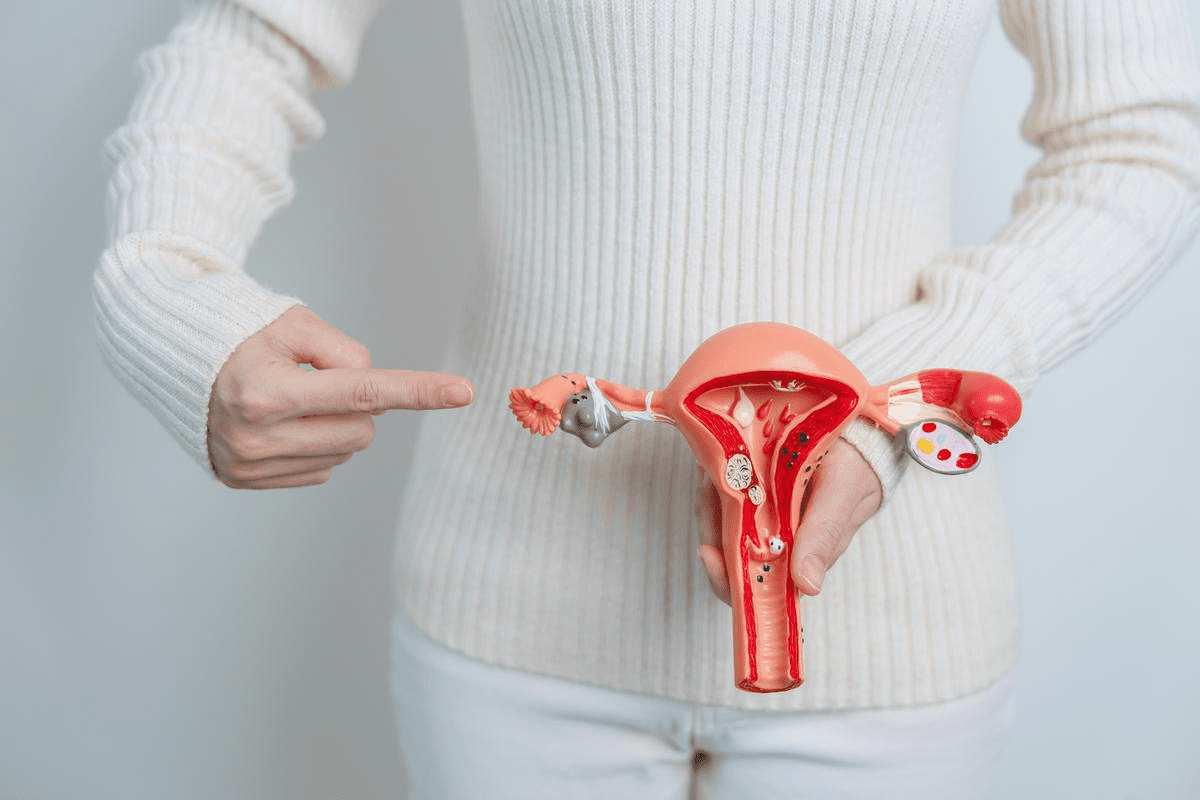
PCOS is caused by too much male hormone in the body. This leads to fluid-filled sacs in the ovaries. It also causes irregular periods, high androgen levels, and cysts on the ovaries.
The exact cause of PCOS is not known. But it’s thought to be due to genetics and environment. Key factors include insulin resistance, hormonal imbalance, and genetic predisposition.
How Common is PCOS?
PCOS is a common hormonal disorder among women of childbearing age. It affects about 8-13% of women worldwide. The exact number can vary based on who is studied and how they are diagnosed.
Population | Prevalence of PCOS |
General Population | 8-13% |
Women with Infertility | 15-20% |
Women with Irregular Menstrual Cycles | Up to 30% |
The Impact of PCOS on Women’s Health
PCOS affects women’s health in many ways. It impacts not just reproductive health but overall well-being. Women with PCOS are more likely to get metabolic syndrome, type 2 diabetes, and heart disease.
It can also affect their mental health. Symptoms can lead to anxiety and depression. This is because of the impact on fertility and body image.
Understanding PCOS is key for early diagnosis and treatment. It helps improve the lives of women with this condition.
Can You Develop PCOS Later in Life?
Research shows that PCOS can appear later in life, changing how we see this hormonal disorder. It was once thought to mainly affect women in their reproductive years. But now, studies suggest it can also affect older women, due to different reasons.
Traditional Understanding vs. New Research
For a long time, PCOS was thought to start in teens or early twenties. But new studies say it can start or get worse later in life. This change is important for doctors and women who might show symptoms later.
Recent studies reveal PCOS symptoms can last or get worse after menopause. This shows PCOS isn’t just a young woman’s issue. It means we need to keep watching for PCOS signs throughout a woman’s life.
Age-Related Factors in PCOS Development
Several things related to age can make PCOS worse or start it later in life. Hormonal changes during perimenopause can make symptoms worse. Also, weight gain and insulin resistance can play a big role in PCOS in older women.
Post-Reproductive PCOS Considerations
For women after they stop having children, PCOS brings its own set of challenges. Symptoms like hirsutism and acne can get worse, affecting their life quality. The risks for heart and metabolic problems also grow with age, making ongoing care very important.
Knowing PCOS can start or get worse later in life helps doctors give better care. It also shows how key it is to educate both doctors and women about PCOS.
Key Factors Contributing to Late-Onset PCOS
Late-onset PCOS is caused by hormonal, metabolic, and environmental factors. Knowing these factors helps in early diagnosis and treatment for older women.
Weight Gain and Metabolic Changes
Weight gain is a major risk for PCOS in older women. This weight gain often leads to insulin resistance. Insulin resistance makes blood sugar levels higher.
It also increases androgen levels, causing irregular period hair loss and other symptoms. Metabolic changes from weight gain can also disrupt ovulation, adding to PCOS symptoms.
Hormonal Fluctuations After Childbirth
Hormonal changes after childbirth can lead to PCOS. Postpartum, hormonal shifts can affect insulin sensitivity and androgen production. These changes may trigger PCOS symptoms like irregular periods and metabolic issues.
Stress and Environmental Triggers
Stress is a big factor in PCOS development. Chronic stress can upset hormonal balance, affecting the HPA axis. This leads to more cortisol and androgens.
Environmental triggers, like endocrine-disrupting chemicals, can also affect hormonal balance. They can contribute to PCOS symptoms.
Genetic Predisposition
A family history of PCOS increases the risk. Women with a genetic predisposition are more likely to have PCOS symptoms. This is true, even with other factors like weight gain or stress.
Understanding the genetic aspect helps in early diagnosis and treatment. It allows for tailored management strategies.
Healthcare providers can better identify women at risk for late-onset PCOS. They can then implement effective management strategies. This helps reduce symptoms and improve quality of life.
Primary Symptoms of PCOS in Women
Knowing the symptoms of PCOS is the first step to managing it. PCOS, or Polycystic Ovary Syndrome, is a hormonal disorder that affects women of reproductive age. It causes various symptoms that can affect daily life.
Menstrual Irregularities and Cycle Changes
Menstrual irregularity is a key symptom of PCOS. Women with PCOS often have infrequent or prolonged menstrual periods. This can be a sign of ovulation problems.
These changes can also include heavy or prolonged bleeding during periods. It’s important for women to track their cycles and see a healthcare provider if they notice big changes.
Ovulation Problems and Fertility Concerns
PCOS is a leading cause of infertility in women due to ovulation problems. Women with PCOS may have trouble conceiving because their ovaries don’t release eggs regularly. This can lead to irregular menstrual cycles and make it hard to get pregnant.
Fertility concerns are a big part of PCOS. Addressing these issues often requires a detailed approach that includes lifestyle changes and medical treatments.
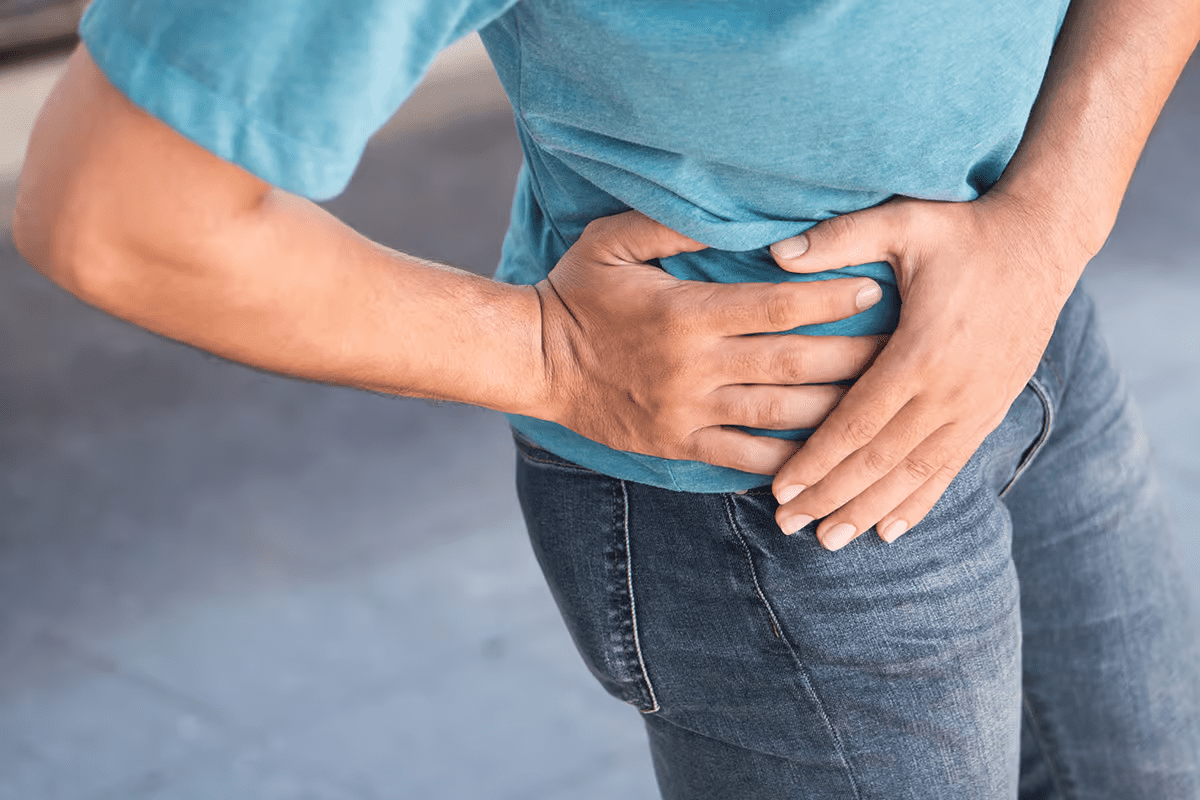
Pelvic Pain and Discomfort
Some women with PCOS experience pelvic pain. This pain can be mild or severe. It may be related to ovarian cysts or other PCOS-related factors.
Understanding these primary symptoms is key for diagnosing and managing PCOS. By recognizing the signs and getting medical help, women can manage their condition better and improve their quality of life.
Symptom | Description | Impact on Women |
Menstrual Irregularities | Infrequent or prolonged menstrual periods | Affects daily life and fertility |
Ovulation Problems | Difficulty ovulating regularly | Leads to fertility concerns |
Pelvic Pain | Mild to severe pain in the pelvic area | Causes discomfort and affects well-being |
Hormonal Symptoms of Late-Onset PCOS
PCOS can start later in life, bringing hormonal changes that affect health. These changes can happen after childbirth or during stress. This makes PCOS appear in women who didn’t have symptoms before.
Androgen Excess and Its Effects
One key symptom of late-onset PCOS is too much androgen. This means more male hormones, causing hirsutism, acne, and male-pattern baldness. It also raises the risk of heart disease.
Research shows that androgen excess can cause hair loss in women with PCOS. The question “do PCOS cause hair loss” is common. The answer is yes, hormonal imbalance can lead to hair loss if not treated.
Insulin Resistance Markers
Insulin resistance is common in older women with PCOS. It happens when the body’s cells don’t respond well to insulin, raising blood sugar. This is linked to metabolic syndrome, increasing the risk of diabetes and heart disease.
Signs of insulin resistance include elevated fasting glucose levels, increased triglycerides, and reduced HDL cholesterol. Finding these signs early is key to managing insulin resistance in women with late-onset PCOS.
How Hormonal Imbalances Present in Older Women
Hormonal imbalances in older women with PCOS can be different from younger women. For example, older women might see more severe symptoms of androgen excess or insulin resistance. This is because of age-related changes in hormone production and metabolism.
It’s important to understand how PCOS symptoms change with age. Women with PCOS might see changes in their menstrual cycle. The question “with PCOS do you ovulate” is often asked. While ovulation isn’t absent, its frequency and regularity can vary a lot.
Medical Expert, an endocrinologist, says, “PCOS is a complex condition needing a detailed management plan. This plan must consider each woman’s unique needs and health status.”
“The management of PCOS in older women requires a nuanced understanding of the interplay between hormonal changes, metabolic factors, and overall health.”
Medical Expert, Gynecologist
By recognizing the hormonal symptoms of late-onset PCOS and how they affect older women, healthcare providers can offer better diagnosis and treatment.
Physical Signs of PCOS Development
Women with PCOS often face physical symptoms that affect their daily life. These signs can vary and impact different health areas. It’s important to spot them early for proper care.
Hair-Related Symptoms: Hirsutism and Hair Loss
Hirsutism is a common sign of PCOS, leading to too much hair on the face, chest, and back. It’s caused by high male hormones. Some women also lose hair on their scalp due to these hormones.
- Hirsutism: Excessive hair growth due to hormonal imbalance.
- Hair Loss: Thinning or loss of hair on the scalp.
Skin Changes: Acne and Acanthosis Nigricans
PCOS can also show up in skin changes. Acne often appears on the face and chest. Acanthosis nigricans causes dark patches in body folds.
- Acne: Inflammatory skin condition causing pimples and redness.
- Acanthosis Nigricans: Dark, velvety skin patches, often in body folds.
Weight Distribution and Apple-Shaped Body Composition
Women with PCOS often gain weight and have an apple-shaped body. This fat around the belly can lead to metabolic problems.
- Weight Gain: Often accompanied by difficulty in losing weight.
- Apple-Shaped Body: Fat distribution around the abdominal area.
Spotting these signs is key to diagnosing and managing PCOS. Understanding symptoms helps healthcare providers offer better care for women with PCOS.
Diagnosing PCOS in Older Women
Diagnosing polycystic ovary syndrome (PCOS) in older women is a detailed process. It involves checking symptoms, medical history, and running tests. As women get older, PCOS symptoms can be similar to other health issues, making it harder to diagnose.
Diagnostic Criteria for Late-Onset PCOS
To diagnose late-onset PCOS, we look at symptoms, hormone levels, and ultrasound images. We check for irregular periods, high androgen levels, and polycystic ovaries. The Rotterdam criteria are often used. They require two out of three signs: irregular periods, high androgen levels, and polycystic ovaries.
PCOS can show up differently in each woman. Some may not have all the usual symptoms. So, a thorough check is key for a correct diagnosis.
Medical Tests and Evaluations
To find out if someone has PCOS, we run several tests. These include:
- Hormone tests to check androgen levels and insulin resistance
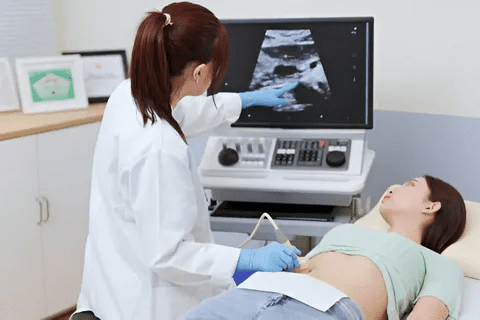
- Ultrasound to look at the ovaries
- Glucose tests to see if there’s insulin resistance or diabetes
- Lipid tests to check heart health
These tests help us understand how severe the condition is. They guide us in choosing the right treatment.
Differentiating PCOS from Perimenopause
One big challenge is telling PCOS apart from perimenopause in older women. Both can cause irregular periods and hormone changes. But, they need different treatments.
We look at symptoms, medical history, and test results to tell them apart. For example, high androgen levels and polycystic ovaries point more to PCOS.
By knowing how to diagnose PCOS in older women, we can give them the right care. This helps them manage their condition better.
Long-Term Health Implications and Management
PCOS affects women beyond their reproductive years, leading to various long-term health issues. These issues include metabolic, cardiovascular, and mental health problems.
Metabolic and Cardiovascular Risks
Women with PCOS face a higher risk of metabolic syndrome, type 2 diabetes, and heart disease. This is mainly due to insulin resistance, a common issue in PCOS.
- Insulin resistance can lead to type 2 diabetes.
- Dyslipidemia and hypertension increase the risk of cardiovascular disease.
- Lifestyle modifications, including diet and exercise, can mitigate these risks.
Risk Factor | Description | Management Strategy |
Insulin Resistance | Increased risk of type 2 diabetes | Dietary changes, exercise, and medication |
Dyslipidemia | Abnormal levels of lipids in the blood | Lifestyle changes, statins if necessary |
Hypertension | High blood pressure | Regular exercise, stress management, antihypertensive drugs |
Mental Health Considerations
PCOS is linked to a higher risk of depression and anxiety. The physical symptoms, like irregular period hair loss, can harm self-esteem and body image.
Managing mental health requires a holistic approach. This includes psychological support and stress management techniques.
Lifestyle Modifications and Treatment Options
Lifestyle changes are key in managing PCOS and its long-term effects. These include:
- Adopting a healthy diet to manage weight and improve insulin sensitivity.
- Engaging in regular physical activity to reduce cardiovascular risks.
- Avoiding smoking and limiting alcohol consumption.
Medical treatments may include hormonal therapies to regulate menstrual cycles and reduce androgen levels. Medications to improve insulin sensitivity are also used.
When to Seek Medical Attention
Women with PCOS should know when to seek medical help. This includes severe symptoms of polycystic ovaries and nausea, significant menstrual changes, or signs of heart disease.
Regular check-ups with healthcare providers are important. They help in early detection and management of complications.
Conclusion
It’s important to know that PCOS can start later in life. We’ve looked into the details of Polycystic Ovary Syndrome. This includes its symptoms, how hard it is to diagnose, and its long-term effects on health.
Women with PCOS may face issues like irregular periods, hormonal imbalances, and physical signs like extra hair and acne. Knowing these symptoms is vital for getting diagnosed and treated early.
Studies show PCOS is more than just a reproductive problem. It also affects metabolism and heart health. This means women can develop PCOS at any age, due to weight gain, hormonal changes, and stress.
By understanding that PCOS can start later, doctors can give better care. Women can also take charge of their health. If you think you might have PCOS, see a doctor. Early treatment can greatly improve your health in the long run.
FAQ
What are the symptoms of PCOS in women?
PCOS symptoms include irregular periods and ovulation issues. Women may also experience pelvic pain, hirsutism, and hair loss. Acne and changes in weight distribution are common too.
Can PCOS develop later in life?
Yes, PCOS can start or worsen in older women. Weight gain, hormonal changes, stress, and genetics play a role.
How do you know you have polycystic ovary syndrome?
A healthcare provider will check your symptoms, medical history, and run tests like ultrasound and hormone checks. They use this info to diagnose PCOS.
Do PCOS cause hair loss?
Yes, PCOS can lead to hair loss due to hormonal imbalances. This can affect a woman’s self-esteem.
Can you get PCOS later in life?
Yes, PCOS can start later in life. Weight gain, hormonal shifts, and genetics can trigger it.
What does polycystic ovary pain feel like?
PCOS pain can feel different for everyone. Some feel a dull ache, while others experience sharp pains.
Can you develop polycystic ovarian syndrome later in life?
Yes, PCOS can start or get worse later in life. Knowing the signs is key for early diagnosis and treatment.
What are the early PCOS symptoms?
Early signs include irregular periods, ovulation issues, and mild hirsutism. Spotting these early can lead to timely treatment.
Does PCOS cause irregular periods?
Yes, irregular periods are a main symptom of PCOS. Hormonal imbalances often cause this.
With PCOS, do you ovulate?
Women with PCOS often have ovulation problems. This can affect fertility and menstrual regularity.
Can stress trigger PCOS symptoms?
Yes, stress can make PCOS symptoms worse by affecting hormones. Lifestyle changes and stress-reducing activities can help.
Is PCOS associated with nausea?
While not a main symptom, some women with PCOS may feel nausea. This is due to hormonal changes or other factors.
What are the signs of PCOS in females?
Signs include hirsutism, acne, and male-pattern baldness. Weight changes and menstrual issues are common too.
How is PCOS diagnosed in older women?
Diagnosing PCOS in older women requires a detailed evaluation. This includes medical history, physical exam, ultrasound, and hormone tests. It can be tricky to tell it apart from perimenopause, but a thorough check can help.
References
National Center for Biotechnology Information. Evidence-Based Medical Guidance. Retrieved from https://www.ncbi.nlm.nih.gov/pmc/articles/PMC4645728/