Nearly 70% of adults with scoliosis see their curvature get worse, affecting their quality of life significantly. Scoliosis is a condition where the spine curves abnormally. It can happen to anyone, but it’s more worrying for adults.
As we get older, our spines naturally change, making scoliosis worse. We’ll look at why scoliosis gets worse in adults and what it means for their spinal health.
Key Takeaways
- Scoliosis progression is a big worry for adults, affecting their quality of life.
- Spinal degeneration can make scoliosis worse.
- Knowing what affects scoliosis progression is key to managing it.
- Adults with scoliosis should be aware of the risks and complications.
- Regular check-ups and proper treatment can lessen scoliosis progression’s effects.
Understanding Scoliosis: Definition and Types
Scoliosis is a complex spinal condition that has caught the attention of the medical world. It has different types and can affect a person’s quality of life. Knowing about its definition, types, and how common it is is key.
What Exactly Is Scoliosis?
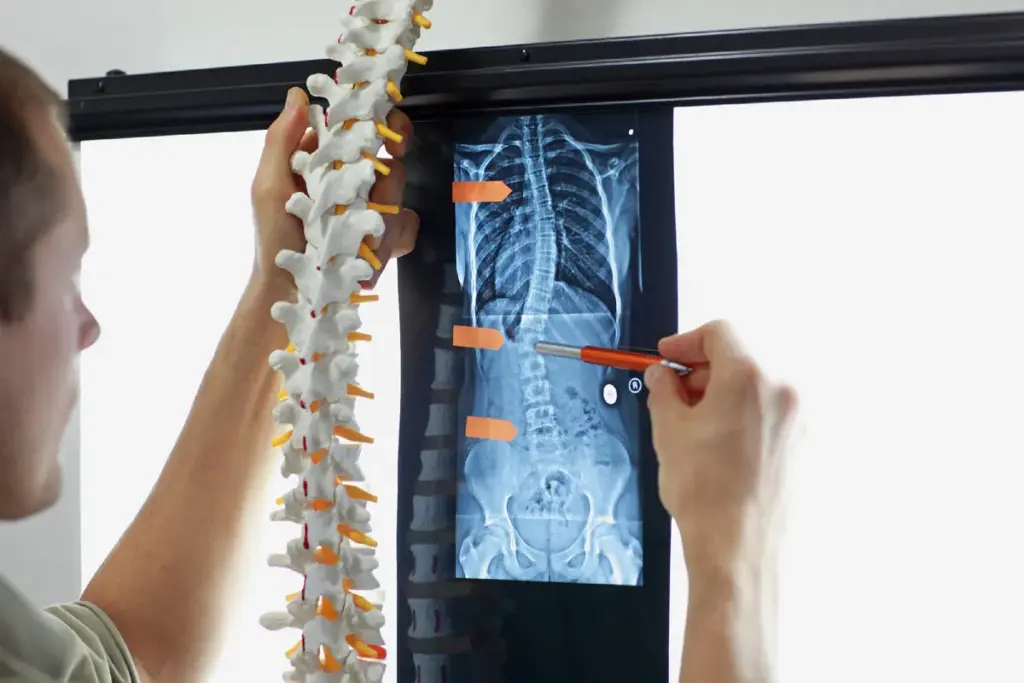
Scoliosis is when the spine curves to the side. Normally, the spine is straight. But in scoliosis, it curves like an “S” or “C” shape. This can happen at any spine level and can be mild or severe.
Different Types of Scoliosis
Scoliosis is not just one condition. It’s a range of spinal deformities with different causes. The main types are:
- Idiopathic Scoliosis: This is the most common, making up about 80% of cases. Its cause is unknown but thought to involve genetics and hormones.
- Congenital Scoliosis: This is present at birth due to abnormal spine development in the womb.
- Degenerative Scoliosis: It happens in adults, often due to spine changes like arthritis or disc degeneration.
- Neuromuscular Scoliosis: This is linked to diseases like cerebral palsy or muscular dystrophy.
How Common Is Scoliosis?
Scoliosis can affect anyone, but it’s most often found in teens. The Scoliosis Research Society says about 2-3% of teens have it. The frequency depends on the type and how severe it is.
|
Type of Scoliosis |
Prevalence |
Typical Age of Diagnosis |
|---|---|---|
|
Idiopathic Scoliosis |
2-3% of adolescents |
10-18 years |
|
Congenital Scoliosis |
Rare, about 1 in 1,000 births |
At birth or early childhood |
|
Degenerative Scoliosis |
More common in adults over 50 |
50+ years |
Understanding the different types of scoliosis and how common they are helps us see how complex it is. It shows why we need specific ways to diagnose and treat it.
The Natural Progression of Scoliosis
Scoliosis is a complex condition with many factors at play. It causes an abnormal curve in the spine. Each person’s scoliosis can progress differently.
Typical Curve Progression Patterns
Scoliosis curves often follow specific patterns. But, how fast and how much they grow can vary a lot. This growth is often seen during times of quick growth, like during adolescence.
Key factors influencing curve progression include:
- The degree of curvature at diagnosis
- The patient’s age and skeletal maturity
- Genetic predisposition
As noted by
“Scoliosis progression is not linear and can be influenced by a variety of factors, including genetics, hormonal changes, and biomechanical forces.”
Knowing these patterns helps predict how scoliosis will progress. It also helps plan the right treatment.
Factors That Influence Progression
Many things can affect how scoliosis progresses. Age, genetics, and lifestyle are big ones. For example, people with a family history of scoliosis might see more growth.
Other significant factors include:
- Hormonal changes during puberty
- Biomechanical factors, such as muscle imbalance
- Lifestyle factors, including posture and physical activity levels
Measuring Curve Changes Over Time
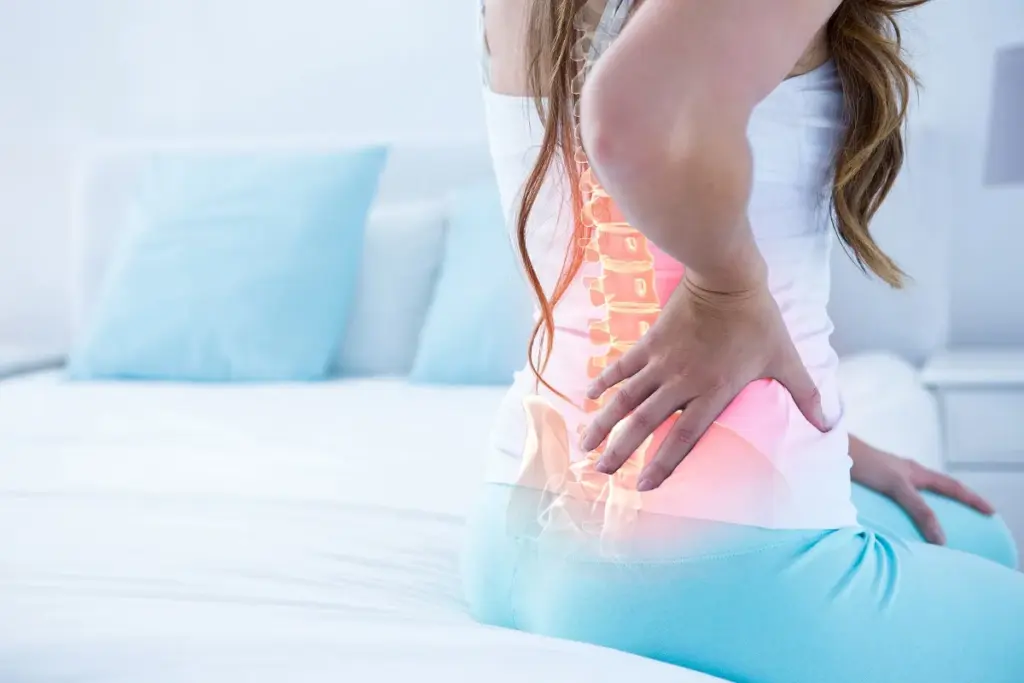
Tracking scoliosis involves regular checks to see how the spine’s curve changes. X-rays are used to get a clear view of the spine’s alignment.
The Cobb angle is a key measure of scoliosis severity. It shows how much the spine is curved. Early detection and monitoring are key to managing scoliosis well and preventing serious deformity.
Scoliosis in Children and Adolescents
Scoliosis in kids and teens is different from what adults face. It’s a sideways curve of the spine. This condition can change in young people in ways it doesn’t in adults, thanks to various factors.
Adolescent Idiopathic Scoliosis
Adolescent idiopathic scoliosis (AIS) is common in teens. It’s called “idiopathic” because we don’t know what causes it. It’s a sideways curve of the spine.
It can be mild or very severe. Mild cases might just need watching, while severe ones might need surgery.
Key aspects of AIS include:
- It starts during puberty, when kids grow fast.
- Its cause is unknown, but genes might play a part.
- Each case is different, so treatment plans vary.
Growth Spurts and Curve Progression
Growth spurts are important for kids and teens with scoliosis. These times can see the curve get worse fast. It’s key to watch closely during these periods.
The Risser sign helps doctors see if the curve will get worse. Knowing how growth spurts affect scoliosis helps doctors choose the right treatment.
When Juvenile Scoliosis Continues Into Adulthood
For some, scoliosis starts in childhood and lasts into adulthood. This can lead to long-term spinal problems. The time from being a teen to an adult is key for managing scoliosis.
Considerations for managing scoliosis in adulthood include:
- Deciding if ongoing monitoring or treatment is needed.
- Looking at how scoliosis affects overall health and happiness.
- Talking about treatment options, like surgery or other methods.
At What Age Does Scoliosis Stop Progressing?
Figuring out when scoliosis stops getting worse is key to managing it well. Scoliosis affects people differently, and knowing what affects its growth is important. This knowledge helps both patients and doctors.
Skeletal Maturity and Curve Stabilization
Skeletal maturity is a big factor in when scoliosis stops getting worse. As the spine grows, the chance of the curve getting worse goes down. Skeletal maturity usually happens at the end of puberty, around 14 for girls and 16 for boys. But, this can vary.
We check skeletal maturity with X-rays and the Risser sign. The Risser sign looks at how much the iliac apophysis has ossified.
The Risser Sign and Growth Completion
The Risser sign is a great tool for checking skeletal maturity. It shows how much the iliac apophysis has ossified, from 0 to 5. A Risser sign of 4 or 5 means spinal growth is almost done, which means the curve is less likely to get worse.
|
Risser Sign |
Degree of Ossification |
Implication for Scoliosis Progression |
|---|---|---|
|
0 |
No ossification |
High risk of progression |
|
4-5 |
Advanced ossification |
Low risk of significant progression |
Exceptions to the Rule
Even though skeletal maturity is a strong sign, there are exceptions. Some people might see their curve get worse even after they’ve reached skeletal maturity. Things like how bad the curve was to start, genetics, and overall spine health can play a part.
It’s important to remember that every case is different. Regular check-ups are key to managing scoliosis well.
In summary, while skeletal maturity is a big factor in when scoliosis stops getting worse, there are always exceptions. Understanding these factors helps doctors create treatment plans that fit each patient’s needs.
Can You Develop Scoliosis as an Adult?
Scoliosis is often linked to kids and teens, but adults can get it too. It’s important to know why this happens. This knowledge helps in managing the condition better.
De Novo (Adult-Onset) Scoliosis
De novo scoliosis starts in adults, usually after 40, without a history of spinal curves. It’s different from scoliosis that starts in youth and continues into adulthood. De novo scoliosis is linked to spine degeneration, like disc wear and bone thinning.
The exact reasons for de novo scoliosis are not fully known. But, it’s thought to be linked to aging and the wear and tear of the spine over time.
Degenerative Scoliosis
Degenerative scoliosis happens due to spine changes in older adults. It’s often seen with conditions like arthritis and bone thinning. Degenerative scoliosis can cause a lot of pain and disability if not treated right.
The degenerative process can make the spine curve abnormally, leading to scoliosis. Treating it can be tough because it involves many factors, like spine wear, muscle weakness, and possible nerve problems.
Risk Factors for Adult Scoliosis Development
Several factors can increase the risk of scoliosis in adults. Knowing these can help in early detection and prevention.
|
Risk Factor |
Description |
|---|---|
|
Age |
Being over 40 years old increases the risk of developing de novo scoliosis. |
|
Degenerative Spinal Conditions |
Presence of conditions like osteoarthritis and osteoporosis can contribute to degenerative scoliosis. |
|
Previous Spinal Surgery |
Having had previous spinal surgery can increase the risk of developing scoliosis. |
|
Genetic Predisposition |
A family history of scoliosis may increase an individual’s risk. |
Knowing these risk factors is key for early diagnosis and effective management of adult scoliosis. Healthcare providers can then create specific treatment plans for each patient.
Scoliosis Progression in Your 20s and 30s
It’s important to know how scoliosis changes in young adulthood. In your 20s and 30s, many things can affect how scoliosis gets worse. This includes pregnancy and lifestyle choices.
What Young Adults Should Know
Young adults with scoliosis need to watch for curve changes. Even after bones stop growing, curves can get worse. Seeing a doctor regularly is key to catch any changes in the spine.
Key factors to monitor include:
- Changes in spinal curvature
- Increasing pain or discomfort
- Changes in physical appearance or posture
Pregnancy and Scoliosis Progression
Pregnancy can affect the spine, and women with scoliosis should know how it might change their condition. Some studies show that pregnancy can make curves worse, but it’s different for everyone.
It’s very important for pregnant women with scoliosis to talk to their doctor often. This way, they can keep an eye on their condition and deal with any problems quickly.
Lifestyle Factors That Impact Curve Stability
Things like exercise, posture, and health can affect how stable the spine is. Doing the right exercises and keeping good posture can help manage scoliosis.
Beneficial lifestyle adjustments may include:
- Regular exercise tailored to scoliosis management
- Maintaining a healthy weight
- Improving posture through physical therapy or bracing
By understanding these factors and working with doctors, young adults with scoliosis can manage their condition better. This can help prevent it from getting worse.
Scoliosis in Adults Over 50
Scoliosis in adults over 50 is a complex condition. It’s influenced by age-related spinal changes. As people age, their spine undergoes changes that can affect scoliosis, leading to more curvature or discomfort.
Age-Related Spinal Changes
Adults over 50 may see many spinal changes. These include degenerative disc disease, facet joint arthritis, and vertebral body fractures. These changes can make scoliosis worse or cause new spinal deformities.
Some key age-related spinal changes include:
- Degenerative disc disease, which can lead to loss of spinal height and flexibility.
- Facet joint arthritis, causing pain and stiffness in the spine.
- Osteoporosis, which can result in vertebral fractures and further curvature.
Osteoporosis and Scoliosis
Osteoporosis is a big concern for adults over 50 with scoliosis. Osteoporotic vertebral fractures can make scoliosis worse or cause new deformities. We must consider how osteoporosis and scoliosis interact when managing these patients.
The relationship between osteoporosis and scoliosis is complex. It involves factors such as:
|
Factor |
Impact on Scoliosis |
|---|---|
|
Vertebral Fractures |
Can lead to increased curvature and deformity. |
|
Bone Density Loss |
Contributes to spinal instability and the risk of further curvature. |
|
Muscle Weakness |
May result in poor posture and increased strain on the spine. |
Managing Scoliosis in Middle Age
Managing scoliosis in adults over 50 needs a detailed approach. It must address the spinal deformity and age-related changes. This may include non-surgical treatments like physical therapy, bracing, and pain management. Surgical options may also be considered in some cases.
Key strategies for managing scoliosis in this age group include:
- Regular monitoring to track curve progression and address any new symptoms.
- Physical therapy to maintain flexibility and strength.
- Pain management techniques, including medication and alternative therapies.
- Lifestyle modifications, such as improving posture and engaging in regular exercise.
By taking a multifaceted approach to managing scoliosis in adults over 50, we can help mitigate the impact of age-related spinal changes. This improves quality of life.
Scoliosis in Adults Over 70
Adults over 70 with scoliosis face unique challenges. They are at higher risk for balance problems and falls. It’s vital to understand and manage scoliosis in this age group. We’ll look at the specific issues, how they affect balance and fall risk, and how to keep quality of life high.
Geriatric Scoliosis Concerns
Geriatric scoliosis involves more than just the spine. It also affects overall health and well-being. Degenerative changes and osteoporosis are common, making scoliosis harder to manage. We must consider these factors when planning treatment.
Scoliosis can worsen other age-related conditions like degenerative disc disease and spinal stenosis. This can greatly impact a patient’s quality of life. Comprehensive geriatric care is key to handling these complexities.
Balance and Fall Risk
Balance and fall risk are big concerns for seniors with scoliosis. The spinal curvature can change posture and balance, raising fall risk. Fall prevention strategies are vital to manage the condition and prevent injuries.
- Physical therapy to improve balance and strength
- Home modifications to reduce fall hazards
- Use of assistive devices for mobility
By focusing on these areas, we can lower fall risk and its complications.
Quality of Life Considerations
Improving quality of life is a main goal in treating scoliosis in seniors. It’s not just about physical health but also mental and social well-being. Pain management and mobility preservation are essential.
We help patients create personalized care plans. These plans aim to boost overall well-being and independence.
Does Scoliosis Make You Shorter?
Many people worry about scoliosis and how it might affect their height. Scoliosis is a condition where the spine curves abnormally. This can lead to a decrease in height as the condition worsens.
Height Loss Due to Curve Progression
As scoliosis gets worse, the spine’s curve becomes more noticeable. This can cause a real loss of height. The amount of height lost depends on how severe the curve is.
In severe cases, the loss of height can be quite significant. The spine’s compression can reduce overall height. This can also cause back pain and breathing problems.
Measuring True Height vs. Apparent Height
It’s important to understand the difference between true and apparent height loss in scoliosis. True height loss is when the spine’s compression actually shortens the body. Apparent height loss is when the body seems shorter due to how it’s positioned.
Doctors use special methods to measure a scoliosis patient’s true height. They consider the spine’s curve and any changes in posture.
Can Treatment Restore Lost Height?
Whether treatment can restore lost height depends on several things. These include how severe the curve is, the patient’s health, and how well the treatment works. Surgery might help correct the curve and regain some lost height.
Non-surgical treatments like bracing and physical therapy are also important. They help manage scoliosis and might reduce height loss. But how much height can be regained varies from person to person.
Can Scoliosis Kill You?
The link between scoliosis and death is complex. It depends on how severe the spinal curve is and any complications. Scoliosis, a condition where the spine curves abnormally, affects people differently. Mild cases might not change life expectancy much, but severe cases can lead to serious health problems.
Severe Scoliosis and Organ Function
Severe scoliosis can harm organ function, mainly the lungs and heart. The spine’s abnormal curve limits space for these organs. Respiratory complications are a big worry because the smaller chest can make breathing harder.
- Reduced lung capacity
- Increased risk of respiratory infections
- Potential for respiratory failure in extreme cases
Respiratory and Cardiac Complications
The spine’s curve in severe scoliosis can also harm the heart. The heart has to work harder, which can lead to cardiac hypertrophy or other heart problems over time. It’s important to watch and manage these issues to avoid long-term damage.
Life Expectancy with Scoliosis
Scoliosis itself doesn’t usually cause death, but complications in severe cases can. Studies show that severe scoliosis can shorten life expectancy due to breathing and heart problems. But, with the right care, many people with scoliosis can live long, active lives.
It’s key for those with scoliosis to stay in close touch with their doctors. This way, they can keep an eye on their condition and tackle any problems quickly.
Warning Signs That Scoliosis Is Getting Worse
Knowing the signs of worsening scoliosis is key to getting the right care. We’ll look at the physical signs and pain patterns that mean you need to see a doctor.
Physical Changes to Monitor
There are several physical signs that scoliosis might be getting worse. These include:
- Visible curvature of the spine
- Uneven shoulders or hips
- Leaning to one side
- Changes in height
It’s important to watch for these signs. Regular check-ups with a healthcare provider can help track these changes and ensure timely intervention.
Pain Patterns That Indicate Progression
Pain is a big warning sign of scoliosis getting worse. We know that:
- Back pain, if it’s persistent or severe
- Leg pain or numbness
- Muscle spasms
are signs that the curvature might be getting worse. It’s essential to report any new or changing pain patterns to your healthcare provider, as they can indicate the need for a change in treatment.
When to Seek Immediate Medical Attention
In some cases, scoliosis can lead to serious problems. We advise seeking immediate medical attention if you experience:
- Severe back pain
- Loss of bladder or bowel control
- Progressive numbness or weakness in the legs
Prompt medical evaluation is critical in these situations to prevent long-term damage.
Diagnostic Methods for Tracking Progression
Diagnostic methods are key in tracking scoliosis. They help doctors understand how the condition is changing. This is important for finding the right treatment and avoiding problems.
Imaging Technologies
Imaging technologies are essential for diagnosing and tracking scoliosis. The main tools used are:
- X-rays: Commonly used, they give clear views of the spine’s shape.
- CT Scans: These provide detailed images of the spine’s structure and any issues.
- MRI: Used to check the spinal cord and find any related problems.
Frequency of Monitoring
How often to check on scoliosis depends on several things. These include the patient’s age, how severe the curve is, and if they have symptoms. Patients with mild scoliosis might need checks every 6-12 months. Those with more serious cases might need more frequent visits.
|
Patient Group |
Monitoring Frequency |
|---|---|
|
Mild Scoliosis |
Every 6-12 months |
|
Moderate Scoliosis |
Every 3-6 months |
|
Severe Scoliosis |
Every 1-3 months |
Advanced Assessment Techniques
There are also new ways to check on scoliosis. These include:
- 3D Imaging: Gives a detailed look at the spine’s shape and its effect on posture.
- Surface Topography: A non-invasive method that maps the back’s surface for any irregularities.
Using these methods together, doctors can better track scoliosis. They can then create a treatment plan that fits the patient’s needs.
Non-Surgical Approaches to Prevent Progression
Scoliosis management has evolved to include various non-surgical approaches aimed at preventing curve progression. These alternatives include physical therapy, bracing options, and alternative therapies. Understanding their roles in managing scoliosis is essential.
Physical Therapy and Specialized Exercises
Physical therapy is a cornerstone in the non-surgical management of scoliosis. Specialized exercises can help strengthen the muscles around the spine. This improves posture and reduces the risk of curve progression. Physical therapy for scoliosis involves a customized exercise program tailored to the individual’s specific needs.
Research has shown that specific exercises, such as the Schroth Method, can be effective in managing scoliosis. The Schroth Method focuses on exercises that help correct the spinal deformity. It uses postural correction, breathing techniques, and muscle strengthening.
“The Schroth Method has been shown to improve spinal alignment and reduce the need for surgical intervention in patients with scoliosis.”
– Study on Schroth Method Effectiveness
Bracing Options for Adults
Bracing is another non-surgical approach used to manage scoliosis. While bracing is more commonly associated with adolescents, it can also be effective for adults. Bracing for adults with scoliosis aims to stabilize the spine, reduce pain, and prevent further curvature.
- Bracing can help improve posture and reduce discomfort.
- Custom-made braces are designed to fit the individual’s specific spinal curvature.
- Bracing is often used in conjunction with physical therapy for optimal results.
|
Bracing Type |
Description |
Benefits |
|---|---|---|
|
Soft Bracing |
Flexible, lightweight brace for mild curvature |
Provides support, improves posture |
|
Rigid Bracing |
Sturdy brace for more significant curvature |
Stabilizes spine, reduces pain |
Alternative Therapies: What Works and What Doesn’t
Alternative therapies, such as chiropractic care and acupuncture, are sometimes considered for scoliosis management. While some individuals report benefits, the evidence supporting these therapies is mixed.
Chiropractic care may help improve spinal alignment and reduce discomfort. It’s essential to consult with a healthcare professional before starting treatment.
In conclusion, non-surgical approaches offer a range of options for managing scoliosis progression. By combining physical therapy, bracing, and potentially alternative therapies, individuals with scoliosis can take proactive steps towards maintaining spinal health.
Surgical Interventions for Progressive Adult Scoliosis
Progressive adult scoliosis often needs surgery to stop further problems. As it gets worse, the risk of serious health issues grows. So, quick and effective treatment is key.
When Surgery Becomes Necessary
Surgery is usually needed when the scoliosis curve is very severe or getting worse fast. It’s also considered when pain is severe and other treatments don’t help. Modern surgical techniques have greatly improved outcomes for adults with scoliosis. They offer a chance to ease pain and improve spinal alignment and quality of life.
Studies show surgery can effectively stabilize the spine and lessen symptoms in adults with progressive scoliosis. “Surgical treatment of adult scoliosis has evolved,” says a leading orthopedic surgeon. “Now, we focus on achieving optimal spinal balance and improving patient outcomes.”
“The goal of surgical intervention is not only to correct the deformity but to improve the patient’s overall quality of life by reducing pain and improving functional capabilities.”
Modern Surgical Techniques
Modern surgery for adult scoliosis includes various procedures tailored to each person’s needs. These may include:
- Spinal fusion, where the vertebrae are fused together to stabilize the spine.
- Osteotomy, a procedure to correct the alignment of the spine.
- Minimally invasive techniques, which reduce recovery time and minimize scarring.
Recovery and Outcomes
Recovery from scoliosis surgery varies based on the person’s health and the surgery’s complexity. Generally, it takes several months to fully recover. Physical therapy is key in the recovery process, helping patients regain strength and mobility.
Most patients see significant pain reduction and an improved quality of life after surgery. “Advances in surgical techniques and postoperative care have greatly improved outcomes for adults with scoliosis surgery,” as highlighted in recent medical literature.
Living Well with Scoliosis as You Age
As people get older, scoliosis can become more challenging. It’s important to manage it well to stay mobile and reduce pain. This involves using different strategies for pain, keeping up with mobility, and dealing with the emotional side of the condition.
Pain Management Strategies
Managing pain is key when living with scoliosis. As the condition worsens, pain can really impact daily life. We suggest a mix of physical therapy, medication, and other treatments to help manage pain.
- Physical therapy: Customized exercise programs can help strengthen the muscles around the spine, improving support and reducing pain.
- Medication: Pain relief medications, such as NSAIDs or muscle relaxants, can be used to manage acute pain episodes.
- Alternative therapies: Techniques like acupuncture, chiropractic care, and massage therapy can provide additional relief.
|
Pain Management Method |
Description |
Benefits |
|---|---|---|
|
Physical Therapy |
Customized exercise programs |
Strengthens muscles, improves support, reduces pain |
|
Medication |
Pain relief medications |
Manages acute pain episodes |
|
Alternative Therapies |
Acupuncture, chiropractic care, massage |
Provides additional pain relief, promotes relaxation |
Maintaining Mobility and Function
Keeping mobile and functional is vital for those with scoliosis as they age. Regular exercise, good posture, and using the right equipment can help stay independent and avoid falls.
Exercise and Physical Activity: Regular exercise, like walking, swimming, or yoga, keeps flexibility and strength up. It’s important to pick activities that are easy on the body and don’t make the condition worse.
Psychological Aspects of Coping with Progression
Dealing with scoliosis’s progression can affect your mind. Anxiety, depression, and feeling isolated are common. It’s important to get mental health support, like counseling and joining support groups, to handle the emotional side of scoliosis.
Support Systems: Having a strong support network, including family, friends, and healthcare professionals, is key. Support groups, online or in-person, offer a sense of community and understanding.
Conclusion
A thorough understanding and effective management of scoliosis are crucial at every life stage. Scoliosis can get worse from adolescence to old age. Things like how our bones grow, our lifestyle, and age-related changes in our spine affect how it progresses.
Managing scoliosis well means using non-surgical methods like physical therapy and bracing. Sometimes, surgery is needed. Keeping an eye on how the curve changes and dealing with problems early helps people with scoliosis live better.
It’s vital to watch scoliosis closely and take care of it proactively. This way, people can avoid the risks of their curve getting worse and keep their spine healthy. Our talk shows the need for a detailed plan for scoliosis care, fitting each person’s needs at different ages. This leads to better outcomes for scoliosis.
Effective scoliosis management needs a long-term focus on spinal health. With the right steps, people can enjoy active and meaningful lives.
FAQ
Does scoliosis get worse with age?
Scoliosis can get worse at any age. The rate of change depends on the type, degree of curvature, and health. Lifestyle also plays a role.
Can you develop scoliosis as an adult?
Yes, adults can get scoliosis. It often happens due to spine changes, known as degenerative scoliosis.
At what age does scoliosis stop progressing?
Scoliosis usually slows down or stops after the bones stop growing. This is usually in the late teens to early twenties. But, some cases may keep getting worse.
Can scoliosis make you shorter?
Yes, scoliosis can make you shorter. The spine’s curve can compress vertebrae and discs, affecting height.
Can scoliosis kill you?
In very severe cases, scoliosis can be life-threatening. This is rare and usually linked to extreme curvatures.
What are the warning signs that scoliosis is getting worse?
Warning signs include a bigger curve, posture changes, pain, breathing issues, and uneven shoulders or hips.
How is scoliosis progression tracked?
Progression is tracked with X-rays and advanced assessments. These include physical exams and measurements.
What are the non-surgical approaches to preventing scoliosis progression?
Non-surgical methods include physical therapy, exercises, bracing, and alternative therapies. They help manage the condition and slow progression.
When is surgery necessary for scoliosis?
Surgery is needed for severe scoliosis, significant progression, or when treatments fail. It’s for curvatures causing discomfort or health issues.
How can adults manage scoliosis?
Adults can manage scoliosis with non-surgical methods, lifestyle changes, and surgery when needed. This helps maintain mobility, manage pain, and improve life quality.
What are the risk factors for developing scoliosis?
Risk factors include genetic predisposition, age, sex, and certain medical conditions. These include neuromuscular disorders or degenerative spinal conditions.
Can scoliosis be prevented?
While some cases can’t be prevented, early detection and management can slow or halt progression. This reduces the risk of complications.
National Center for Biotechnology Information. Evidence-Based Medical Insight. Retrieved from https://pmc.ncbi.nlm.nih.gov/articles/PMC7160806/