Last Updated on December 4, 2025 by Ugurkan Demir
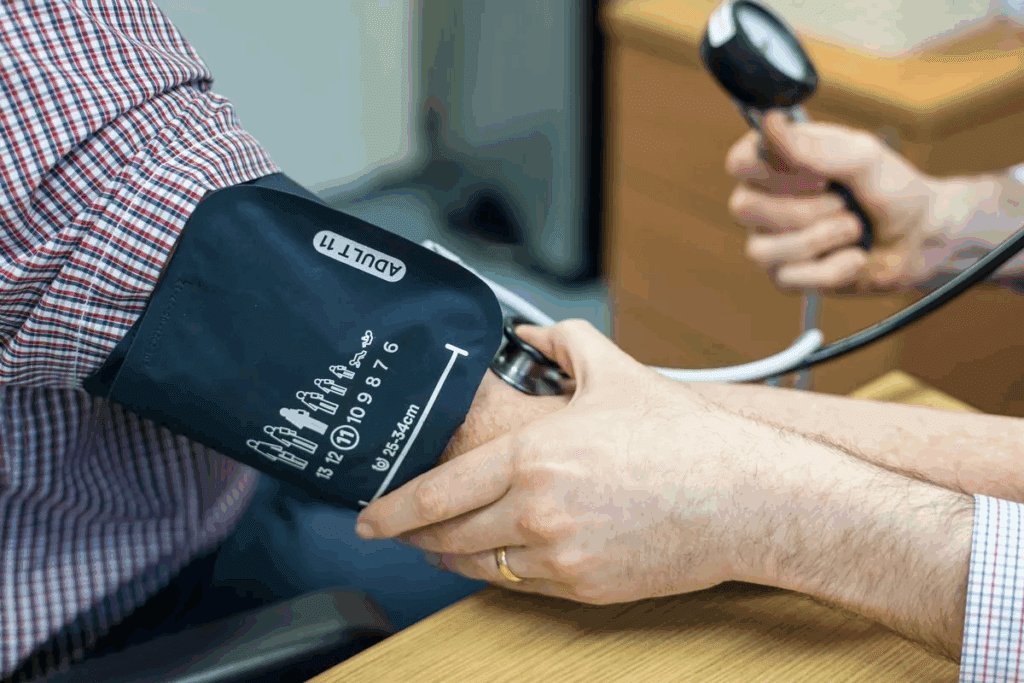
At Liv Hospital, we know many are worried about hypotension. It’s important to talk about the dangers of low blood pressure. Hypotension happens when blood pressure is too low. Find out if you can die from low blood pressure, can you die from low blood pressure
Low blood pressure can be very dangerous. It can cause shock, organ failure, or even death if not treated. A reading of less than 90/60 mmHg is considered low. Knowing the danger zone for low blood pressure helps us find those at risk.
Key Takeaways
- Hypotension is a condition where blood pressure is too low to supply vital organs adequately.
- A blood pressure reading of less than 90/60 mmHg is considered low.
- Inadequate blood flow due to hypotension can lead to serious health issues.
- Understanding the risks of low blood pressure is important for patient safety.
- Low blood pressure can potentially result in shock, organ failure, or death if not addressed.
What Is Low Blood Pressure (Hypotension)?
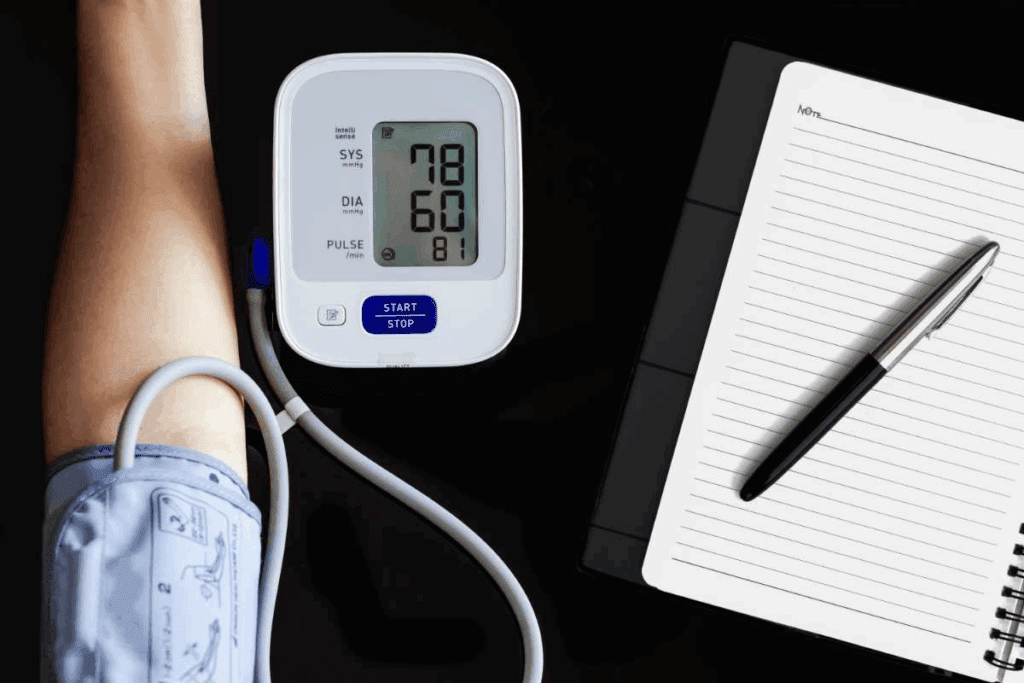
Hypotension, or low blood pressure, is when your blood pressure drops too low. It’s important to know about hypotension to help those at risk.
Medical Definition and Classification
Doctors say hypotension is when blood pressure is under 90/60 mmHg. Blood pressure is measured in millimeters of mercury (mmHg). It’s shown as two numbers: systolic (top number) and diastolic (bottom number).
This helps doctors figure out who has hypotension.
Normal vs. Low Blood Pressure Readings
A normal blood pressure is about 120/80 mmHg. Low blood pressure is under 90/60 mmHg. Here’s a table showing different blood pressure levels:
| Blood Pressure Category | Systolic Pressure (mmHg) | Diastolic Pressure (mmHg) |
| Normal Blood Pressure | 120 | 80 |
| Low Blood Pressure (Hypotension) | Less than 90 | Less than 60 |
Blood pressure changes during the day. It can be affected by things like how you’re standing, how active you are, and how you’re feeling. A single low reading might not be a big deal. But if your blood pressure stays low, it could mean there’s a health problem.
Knowing the difference between normal and low blood pressure is key. We’ll look at the risks of hypotension in the next sections.
The Blood Pressure Danger Zone: Critical Low Readings
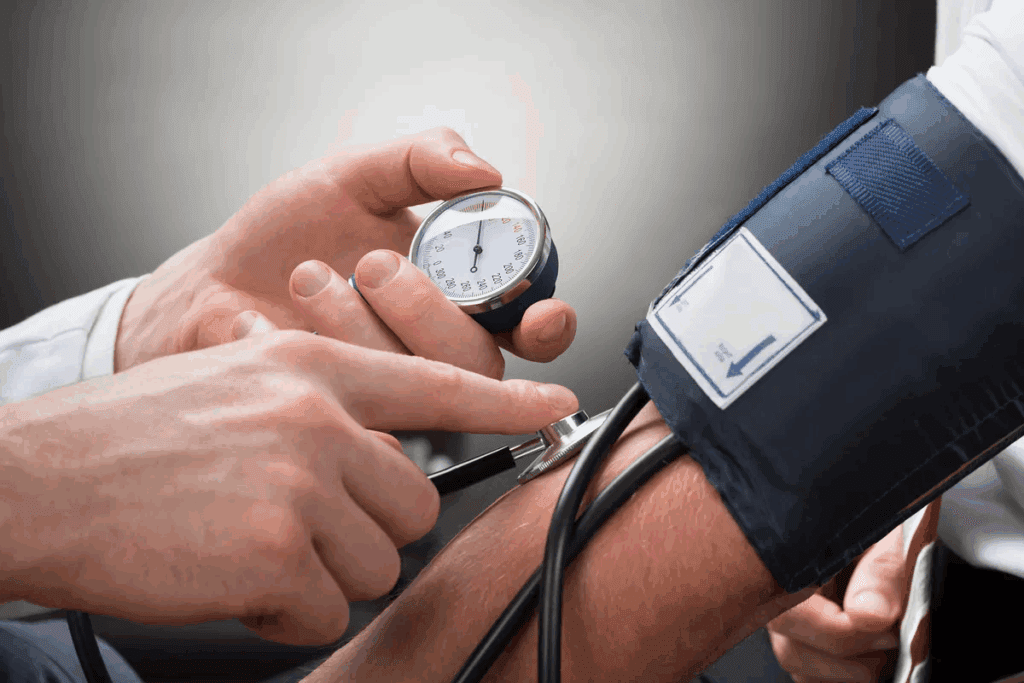
Low blood pressure can cause organs to not get enough blood. This is called hypotension and can be very dangerous.
What Is the Danger Zone for Low Blood Pressure?
The danger zone for low blood pressure is below 90 mmHg systolic or 60 mmHg diastolic. At these levels, organs may not get enough blood, leading to damage.
Doctors say that low blood pressure can make the body shut down. It’s important to know the symptoms and risks of very low blood pressure.
“Low blood pressure can lead to dizziness, fainting, and inadequate blood flow to vital organs. If left untreated, it can result in serious health complications.”
How Low Can Your Blood Pressure Go?
Blood pressure can drop to dangerous levels. Readings below 90/60 mmHg are considered dangerous. The table below shows different blood pressure categories and their meanings.
| Blood Pressure Category | Systolic (mmHg) | Diastolic (mmHg) |
| Normal | 90-120 | 60-80 |
| Mild Hypotension | 80-90 | 50-60 |
| Danger Zone | <90 | <60 |
The table shows that readings below 90 mmHg systolic or 60 mmHg diastolic are critical. Seek medical help right away if you or someone you know has these readings.
Knowing the danger zone for low blood pressure and its symptoms is key. It helps in getting medical help quickly. It’s vital to be aware of the risks and take steps to prevent problems.
Common Causes of Hypotension
Hypotension has many causes, including medical, medicinal, and situational factors. Knowing these causes is key to managing and preventing low blood pressure.
Medical Conditions Leading to Low Blood Pressure
Several medical conditions can cause hypotension. These include:
- Dehydration: Losing a lot of fluids can lower blood pressure.
- Heart Problems: Issues like a slow heart rate and heart valve disease can make it hard for the heart to pump blood.
- Endocrine Disorders: Problems with the adrenal glands and thyroid can affect blood pressure.
It’s important to diagnose and treat these health issues to manage hypotension.
Medication-Induced Hypotension
Some medications can cause low blood pressure as a side effect. These include:
- Diuretics: These drugs can cause dehydration and low blood pressure.
- Alpha blockers: Used for high blood pressure and prostate issues, they can cause blood vessels to dilate, leading to hypotension.
- Beta blockers: While they help manage high blood pressure, they can cause low blood pressure if the dose is too high.
It’s important for patients to talk to their healthcare provider about possible side effects when starting new medications.
Situational and Environmental Factors
Situational and environmental factors can also cause hypotension. These include:
- Prolonged Standing: Standing for a long time can cause blood to pool in the legs, lowering blood pressure.
- Heat Exposure: High temperatures can cause blood vessels to dilate and lead to dehydration, both of which can lower blood pressure.
- Nutritional Deficiencies: Not getting enough nutrients like vitamin B12 can affect red blood cell production, potentially leading to hypotension.
| Cause | Description | Potential Impact |
| Dehydration | Loss of fluids | Drop in blood pressure |
| Heart Conditions | Bradycardia, heart valve disease | Impaired heart function |
| Medication Side Effects | Diuretics, alpha blockers, beta blockers | Low blood pressure |
Knowing these causes can help people take steps to prevent hypotension and seek medical help when needed.
Recognizing Symptoms of Low Blood Pressure
It’s key to spot the signs of low blood pressure early to avoid serious health issues. Low blood pressure, or hypotension, shows itself in different ways. These symptoms can be mild or very severe.
Mild to Moderate Symptoms
Mild symptoms include dizziness, feeling lightheaded, and fainting. These happen because the brain doesn’t get enough blood. This can make you feel unstable.
Some people might feel a bit tired, nauseous, or have headaches. This is because of poor blood flow. It’s important to watch for these signs, as they can get worse if not treated.
Severe Warning Signs
Severe symptoms of hypotension are very serious and need quick medical help. These include:
- Fainting or near-fainting episodes
- Severe dizziness or vertigo
- Rapid heartbeat or palpitations
- Cold, clammy skin
- Rapid, shallow breathing
In extreme cases, hypotension can cause shock. This is when the body’s organs don’t get enough blood or oxygen. Spotting these severe signs is vital for quick action.
To grasp the range of symptoms for low blood pressure, look at this summary:
| Symptom Category | Common Symptoms |
| Mild to Moderate | Dizziness, lightheadedness, mild fatigue, nausea, headaches |
| Severe | Fainting, severe dizziness, rapid heartbeat, cold clammy skin, rapid shallow breathing |
Knowing and spotting these symptoms can help get medical help early. If you or someone you know has these signs, seeing a doctor is a must.
Can You Die From Low Blood Pressure? Understanding the Risks
Hypotension can be very dangerous and even deadly if not treated quickly. When blood pressure drops too low, it can’t reach vital organs. This can cause damage or failure.
We must know when hypotension is a serious threat. Severe cases of hypotension can lead to shock. This is when the body doesn’t get enough blood flow.
When Hypotension Becomes Life-Threatening
Low blood pressure is a big risk when it stops vital organs from getting what they need. This can happen for many reasons, like:
- Severe dehydration or blood loss
- Infection leading to septic shock
- Heart problems that affect the heart’s ability to pump blood effectively
It’s important to know the signs of severe hypotension. Symptoms include dizziness, fainting, rapid heartbeat, and confusion.
Shock: The Critical Stage
Shock is a very serious stage of hypotension that can be fatal if not treated right away. There are different types of shock, including:
- Hypovolemic shock due to low blood volume
- Cardiogenic shock resulting from heart failure
- Septic shock caused by severe infection
Knowing the risks of low blood pressure and recognizing shock symptoms is key. It helps in getting quick medical help. If symptoms don’t get better or get worse, seek medical attention right away.
By understanding the dangers of hypotension and taking steps to prevent it, we can lower the risk of serious problems. This can help avoid life-threatening situations.
How Dangerous Is Hypotension for Vital Organs?
Low blood pressure can harm our vital organs. It can cause poor blood flow to important parts of the body. This might lead to damage or failure of these organs.
Impact on Brain Function and Consciousness
The brain is very sensitive to blood pressure changes. Severe low blood pressure can reduce blood flow to the brain. This might cause dizziness, lightheadedness, and fainting.
In extreme cases, it can lead to cerebral hypoxia. This is when the brain doesn’t get enough oxygen. It can cause long-term damage.
Effects on Heart and Circulatory System
Hypotension affects the heart and circulatory system a lot. When blood pressure is low, the heart works harder. This can strain the heart and worsen heart conditions.
It can also cause circulatory problems. These problems affect the delivery of oxygen and nutrients to tissues and organs.
Kidney Damage and Organ Failure
The kidneys are very sensitive to low blood pressure. Prolonged hypotension can reduce kidney function. The kidneys need a certain blood pressure to work well.
If not treated, it can lead to acute kidney injury or chronic kidney disease. In severe cases, it can cause multi-organ failure. This is a life-threatening condition that needs immediate medical help.
In conclusion, hypotension poses a big risk to vital organs. It’s important to understand these risks to manage and treat low blood pressure effectively. By knowing how it affects the brain, heart, and kidneys, we can take steps to protect our health.
High-Risk Populations for Fatal Hypotension
Some groups face a higher risk of low blood pressure dangers. It’s key to know who these groups are and how to care for them. This helps avoid fatal outcomes.
Elderly Individuals: Special Concerns
Elderly people are more at risk from low blood pressure. As we age, our bodies change, affecting blood pressure. Older adults often have other health issues and take many medicines, making blood pressure harder to manage.
Key concerns for elderly individuals include:
- Orthostatic hypotension, which can lead to falls and injuries
- Increased risk of cardiovascular events due to fluctuating blood pressure
- Potential for medication interactions that can exacerbate hypotension
People with Chronic Health Conditions
Those with chronic health issues are also at high risk for fatal hypotension. Conditions like diabetes, heart disease, and neurological disorders can affect blood pressure. This increases the risk of hypotensive episodes.
| Chronic Condition | Impact on Blood Pressure |
| Diabetes | Autonomic dysfunction can lead to orthostatic hypotension |
| Heart Disease | Reduced cardiac output can result in hypotension |
| Neurological Disorders | Impaired autonomic regulation can cause blood pressure fluctuations |
Pregnant Women and Postpartum Risks
Pregnant women face hypotension risks, mainly in the first and second trimesters. Pregnancy’s changes, like vasodilation and increased blood volume, can lower blood pressure. Severe hypotension can be dangerous for both mother and baby.
Postpartum risks: After giving birth, women may see blood pressure changes due to blood loss, fluid shifts, and hormonal changes. It’s important to monitor them closely to manage these risks.
Low Blood Pressure When Sick: Compounding Dangers
Low blood pressure when we’re sick can be very dangerous. It makes it harder for our bodies to recover. It’s important to know how low blood pressure can make things worse when we’re sick.
Infection and Septic Shock
Infections can cause serious problems, like septic shock. Sepsis is when the body’s fight against an infection gets too strong. It can stop organs from getting enough blood, leading to failure. We need to watch for signs like fever and confusion and get help fast.
Dehydration During Illness
Dehydration is another big risk when we’re sick. Being sick can make us lose fluids, like when we have a fever or throw up. Not drinking enough water can make our blood pressure drop. Drinking lots of water is key to staying safe.
Managing Blood Pressure During Recovery
Getting better from being sick means taking care of our blood pressure. Drinking water, resting, and listening to our doctors are important. Sometimes, we might need medicine to help our blood pressure. Working with our doctors is the best way to keep our blood pressure in check.
Knowing the dangers of low blood pressure when we’re sick helps us stay safe. By taking care of ourselves, we can avoid serious problems and get better faster.
Does Low Blood Pressure Cause Blood Clots? Separating Fact from Fiction
Many think low blood pressure directly leads to blood clots. But what does science really say? Let’s look at how low blood pressure and clotting are connected through science.
The Relationship Between Hypotension and Clotting
Low blood pressure, or hypotension, doesn’t directly cause blood clots. Yet, some conditions that cause low blood pressure can raise clotting risks. For example, shock can lead to clotting as the body tries to compensate for low blood pressure.
The link between blood pressure and clotting is complex. While low blood pressure itself doesn’t cause clots, related heart problems can increase clotting risks.
Scientific Evidence and Medical Consensus
Research shows the connection between low blood pressure and blood clots is more complex than thought. A study in the Journal of Thrombosis and Haemostasis found many factors influence clotting risk. These include blood flow changes and damage to blood vessel linings, which can happen with low blood pressure.
| Condition | Effect on Blood Pressure | Risk of Clotting |
| Septic Shock | Severe Hypotension | High |
| Dehydration | Moderate Hypotension | Moderate |
| Cardiogenic Shock | Severe Hypotension | High |
Related Cardiovascular Concerns
Even though low blood pressure doesn’t directly cause clots, there are heart-related issues to worry about. People with low blood pressure might have heart problems or other blood vessel issues that increase clotting risk.
It’s key to manage low blood pressure well to avoid problems. This means fixing the cause, like dehydration or side effects from meds, and watching for heart stress signs.
Understanding the complex tie between low blood pressure and blood clots helps us take better care of our hearts. This way, we can lower the chance of serious health issues.
Emergency Response to Critically Low Blood Pressure
Critically low blood pressure is a serious issue that can be life-threatening. Knowing how to act quickly is key in emergency situations. When blood pressure drops too low, fast medical help is needed to avoid serious problems or death.
When to Call 911
It’s important to know when to call for emergency help. If someone’s blood pressure is very low and they show signs like dizziness, fainting, or confusion, call 911 right away. Other signs that mean you should call 911 include a fast or weak pulse, shallow breathing, or looking pale and clammy.
Don’t wait to call for help if you see severe dizziness or fainting, chest pain, a severe headache, or confusion. These could be signs of a serious problem.
First Aid Measures for Hypotensive Crisis
While waiting for help to arrive, there are steps you can take. If the person is awake, help them lie down with their legs up to improve blood flow. Loosen tight clothes and keep them calm.
If they are dehydrated, giving them small amounts of water might help. But don’t give them anything to drink if they’re unconscious or showing shock signs. Keeping them warm is also important, as cold can make low blood pressure worse.
Hospital Treatment Protocols
When they get to the hospital, doctors will quickly check their condition and start treatment. They might give them fluids through an IV to increase blood volume and blood pressure. They might also give medicines to help the blood pressure and provide oxygen if needed.
Doctors will also try to find and treat the cause of the low blood pressure. This could be dehydration, an infection, or another health issue. They will work to fix the problem and prevent it from happening again.
In some cases, the person might need to stay in the hospital to be closely watched and treated. Knowing what caused the low blood pressure is important for effective care and preventing future problems.
Treatment and Prevention Strategies for Chronic Hypotension
Managing chronic hypotension needs a mix of medical help, lifestyle changes, and regular checks. We’ll look at ways to manage the condition and improve life quality.
Medical Interventions and Medications
For many with chronic hypotension, medical help is key. Medications like fludrocortisone and midodrine are often used. Fludrocortisone boosts blood volume, while midodrine narrows blood vessels to increase pressure.
Changing medications might be needed if they cause low blood pressure. For example, if certain blood pressure drugs lower blood pressure too much, the doctor might adjust the dose or switch to another one.
Lifestyle Modifications
Making lifestyle changes is also vital. Increasing salt intake can help some people, but only with a doctor’s advice to avoid too much salt.
- Drinking plenty of fluids to increase blood volume
- Avoiding alcohol, which can cause dehydration
- Eating small, frequent meals to prevent postprandial hypotension
- Exercising regularly, but avoiding heavy lifting or bending
These changes can greatly help manage hypotension.
Monitoring Blood Pressure at Home
Checking blood pressure at home is critical for those with chronic hypotension. It helps spot patterns and triggers for better management. Home blood pressure monitors are easy to find and give accurate readings if used right.
Keeping a blood pressure log is also important. It shows blood pressure trends over time, which is helpful during doctor visits.
Combining medical help, lifestyle changes, and regular checks can help manage chronic hypotension. This approach can also lower the risk of serious problems.
Conclusion
Understanding low blood pressure, or hypotension, is key to timely and effective care. We’ve looked at the risks and dangers of hypotension. This includes its causes, symptoms, and possible complications.
Low blood pressure can seriously affect health. It’s important to recognize warning signs early. We’ve talked about how it can harm vital organs like the brain, heart, and kidneys. Getting medical help quickly is critical in severe cases.
Knowing the risks of low blood pressure helps manage the condition. Regular blood pressure checks are vital. If symptoms don’t go away or get worse, seek medical help.
In summary, low blood pressure is a serious issue that needs attention and proper care. Being informed and proactive can lower the risk of complications. This improves overall health outcomes.
FAQ
Can you die from low blood pressure?
Yes, low blood pressure can be deadly if it cuts off blood to vital organs. It needs quick treatment to avoid death.
What is considered the danger zone for low blood pressure?
Blood pressure that’s too low can cause symptoms like dizziness and fainting. A systolic below 90 mmHg or diastolic below 60 mmHg is often too low. But, what’s dangerous can vary based on your health.
How low can your blood pressure go before it becomes life-threatening?
A systolic below 70 mmHg can be dangerous because it might not reach vital organs. But, how low is too low can differ for each person.
What are the common causes of hypotension?
Hypotension can come from dehydration, some medicines, heart issues, endocrine problems, or severe infections. Knowing why you have it is key to treating it right.
Can low blood pressure cause blood clots?
Low blood pressure itself doesn’t cause blood clots. But, some conditions that cause low blood pressure might increase clotting risk. The link between low blood pressure and clotting is complex and depends on your health.
What are the symptoms of low blood pressure?
Symptoms range from mild to severe. They include dizziness, fainting, blurred vision, nausea, and fatigue. Severe cases can lead to shock. Spotting these symptoms early is important for getting help fast.
How is hypotension treated?
Treatment varies based on the cause. It might include lifestyle changes, medicines, and managing health conditions. For sudden cases, emergency care might use intravenous fluids to stabilize blood pressure.
Can hypotension be prevented?
Some causes of hypotension can’t be stopped. But, managing health, staying hydrated, and being careful with medicines can help avoid or lessen low blood pressure episodes.
When should you call 911 for low blood pressure?
Call 911 or get immediate help if you or someone else has severe symptoms like fainting, confusion, or shock signs.
Is hypotension dangerous for everyone?
Yes, some groups like the elderly, people with chronic conditions, and pregnant women face more risks from hypotension. Knowing these risks helps in providing the right care.
How does low blood pressure affect vital organs?
Low blood pressure can harm vital organs like the brain, heart, and kidneys. This can lead to serious problems, including organ damage or failure, if not treated quickly.
Can low blood pressure be a sign of underlying health issues?
Yes, hypotension can signal health problems like heart issues, endocrine disorders, or severe dehydration. It’s important to find out why you keep getting low blood pressure.
References
National Center for Biotechnology Information. (2025). Can You Die From Low Blood Pressure Understanding. Retrieved from https://pmc.ncbi.nlm.nih.gov/articles/PMC11039506/