
Nearly 3.5 million people in the United States wear casts each year. Many of them keep driving. Driving with a cast on your wrist can be challenging and poses safety risks. These risks are not just for the driver but also for others on the road.
It’s important to understand the risks of driving with a wrist cast. You need to think about how it might affect your control over the vehicle. You also need to consider legal issues, like being held liable if you’re in an accident while driving with a cast.
Key Takeaways
- Driving with a cast on your wrist can impair your ability to control the vehicle.
- There are legal considerations to be aware of when driving with a cast.
- Safety should be the top priority when deciding whether to drive with a wrist cast.
- Consulting with a healthcare provider is recommended before driving with a cast.
- Some states may have specific laws or regulations regarding driving with a cast.
Understanding the Implications of Driving with a Wrist Cast
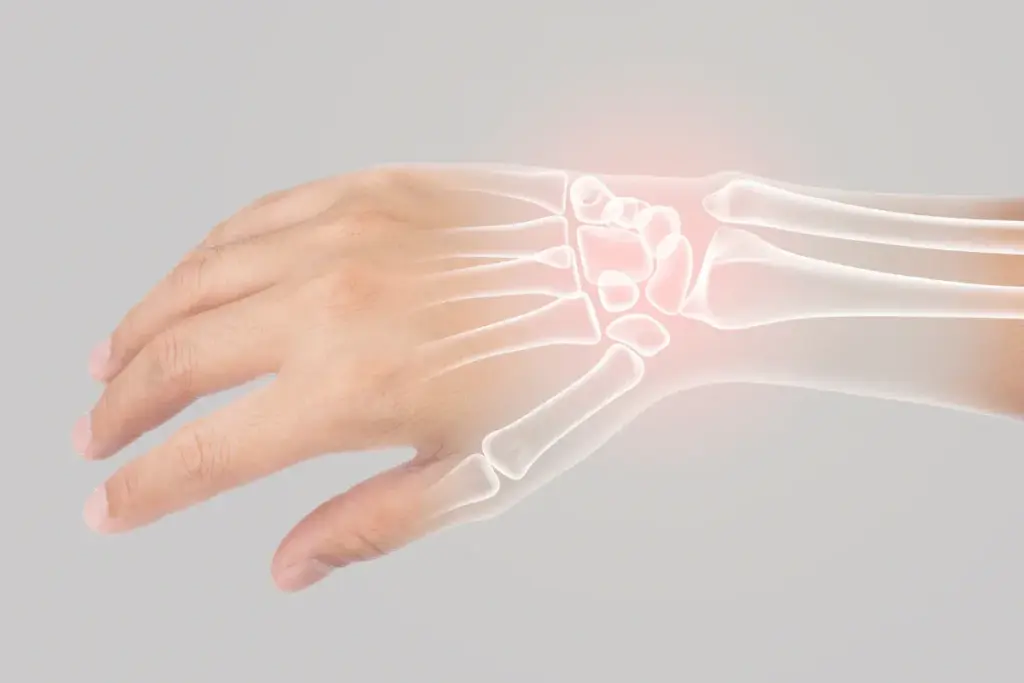
Driving with a wrist cast has many implications to think about. It’s a complex task that needs coordination, strength, and quick reflexes. A wrist cast can make these harder to do.
How a Wrist Cast Affects Your Driving Ability
A wrist cast can really hurt your driving skills. It limits movement and weakens grip, making it hard to steer or use controls. Reaction time is also affected because the cast limits wrist motion, leading to slower responses in emergencies.
The type of cast matters too. For example, a long arm cast is worse than a short one. It limits elbow and wrist movement, making steering, braking, and shifting gears harder.
Common Concerns About Driving with a Cast
Drivers with a wrist cast worry about controlling the car, mainly in emergencies. They worry about making quick turns, braking suddenly, or handling unexpected road hazards. Safety is a top concern for the driver and others on the road.
Driving with a cast is also tiring and uncomfortable. The effort to move and use strength with a cast can cause driver fatigue. This increases the risk of accidents.
Legal Considerations: Can You Drive with a Broken Wrist?

Driving with a broken wrist can raise legal questions. These questions often involve state laws and driver’s license rules. Whether you can drive with a wrist cast depends on where you live and your situation.
State Laws Regarding Driving with Impairments
State laws about driving with physical impairments vary a lot. Some states have laws for driving with disabilities, while others have more general rules.
In some places, you might be allowed to drive if you can control your vehicle safely. But, other states might have stricter rules or outright bans.
|
State |
Law Regarding Driving with Impairment |
Specific Requirements for Broken Wrist |
|---|---|---|
|
California |
Drivers must be able to exercise reasonable control over their vehicle. |
No specific law; depends on safe operation. |
|
New York |
Drivers are prohibited from operating a vehicle in a manner that endangers others. |
Potential liability if an accident occurs due to impaired driving. |
|
Texas |
Drivers must be capable of safely operating a vehicle. |
Case-by-case determination based on ability to drive safely. |
What Your Driver’s License Says About Physical Requirements
Your driver’s license usually doesn’t list physical needs. But, if you have a medical issue like a broken wrist, it could affect your driving rights. It’s key to know how this might change your driving privileges.
At times, you might need a doctor’s note to check if you can drive safely with a broken wrist. Also, some commercial driver’s licenses (CDLs) have stricter physical demands.
Legal Liability if an Accident Occurs
If you’re in an accident while driving with a broken wrist, you might face legal trouble. This is more likely if your injury made the accident worse. The blame would depend on your state’s laws and the accident details.
It’s smart to talk to a lawyer if you’re in an accident with a broken wrist. They can help you understand your rights and possible legal issues.
Medical Perspectives on Driving After a Wrist Injury
Doctors have clear advice for those who want to drive after a wrist injury. They worry about the safety of the driver and others on the road. Driving with a hurt wrist can make it hard to control the car.
What Doctors Typically Recommend
Doctors usually say not to drive until the wrist is fully healed. How long it takes to heal depends on the injury’s severity and treatment, like wearing a cast. It’s very important to listen to your doctor about when it’s okay to drive again.
They often suggest waiting until the pain goes away and the wrist can move easily. This helps the driver react fast in emergencies.
Potential Complications from Driving Too Soon
Driving too soon after a wrist injury can cause big problems. One major risk is slower reaction time because of pain or stiffness. This can lead to accidents.
Also, driving can make the injury worse, which can slow down healing. This is because the injured wrist may not handle the car’s movements well.
“Patients should be cautious and prioritize their recovery to avoid further injury,” advises an orthopedic specialist. “Rushing back into driving can have serious consequences.”
Driving too soon can also increase the chance of more injury to the wrist in an accident. This is because the cast or injured wrist might not handle crash forces well.
Different Types of Wrist Casts and Their Impact on Driving
Wrist casts vary, each affecting driving and mobility differently. Knowing these differences is key to safe driving.
Short Arm Casts vs. Long Arm Casts
Short arm casts cover the wrist and forearm but don’t restrict the elbow. This design offers more mobility than long arm casts. Driving with a short arm cast is often easier, as it allows better control over the steering wheel.
Long arm casts, on the other hand, extend to the elbow and limit arm movement. They can make driving more challenging and unsafe.
Fiberglass vs. Plaster Casts
The material of the cast also matters for driving with a wrist injury. Fiberglass casts are lighter and more durable than plaster casts. They are also water-resistant, which is good for those who need to stay clean or face wet conditions.
Plaster casts, though heavier and more prone to damage, fit better for some injuries. The choice between them depends on the patient’s needs, including driving.
“The choice between fiberglass and plaster casts should be made based on the specific needs of the patient, including their need to drive,” says an orthopedic specialist.
Removable Splints and Braces
Removable splints and braces are another option for wrist injuries. They offer support and flexibility, making them easy to remove. For drivers, these are very useful, as they can be taken off to improve comfort and mobility.
It’s important to follow a doctor’s advice on using these devices. This ensures the injury heals correctly.
Knowing the differences in casts and their impact on driving is essential for safe recovery. Always talk to a healthcare professional for the best advice.
Safety Risks of Driving with a Cast on Your Wrist
Driving with a wrist cast can be risky. It affects your physical ability, focus, and quick thinking. All these are key to safe driving.
Limited Range of Motion and Control
Driving with a wrist cast limits your motion and control. It makes it hard to grip the steering wheel well or make quick turns.
Research shows that this can raise your risk of getting into accidents. It’s a big worry, as you might not be able to react fast enough.
Emergency Maneuver Capabilities
Being able to handle emergency situations is vital. But, a wrist cast makes it tough to move quickly and precisely. This can lead to longer stopping times or trouble avoiding things.
“The inability to fully control the vehicle due to a wrist cast can lead to a significant increase in stopping distance, hereby elevating the risk of rear-end collisions.”
Fatigue and Pain Considerations
Driving with a wrist cast can also cause fatigue and pain. You might change how you sit or push harder on the wheel. This can make you tired faster.
|
Risk Factor |
Description |
Impact on Driving |
|---|---|---|
|
Limited Range of Motion |
Restricted ability to grip or maneuver the steering wheel. |
Increased risk of accidents due to reduced control. |
|
Impaired Emergency Maneuvers |
Reduced capability to make quick turns or adjustments. |
Potential for increased stopping distances or failure to avoid obstacles. |
|
Fatigue and Pain |
Compensatory driving postures or increased force application. |
Quicker onset of driver fatigue, potentially leading to accidents. |
In conclusion, driving with a wrist cast is risky. It’s important to think about these risks before you decide to drive.
Insurance Implications of Driving with a Wrist Injury
Driving with a wrist injury can affect your car insurance. If you have a broken wrist or any injury needing a cast, it’s key to know how it impacts your insurance.
Insurance policies have rules about driving with known impairments. These rules are to protect drivers and others on the road. So, it’s important to check your policy and understand its rules on driving with a disability, even if it’s temporary.
Will Your Insurance Cover Accidents While Driving with a Cast?
If you’re in an accident with a wrist cast, your insurance might be affected. The main thing is if your injury contributed to the accident. Insurance companies look into accidents to figure out who’s at fault, and driving with an impairment can change this.
For example, if you can’t brake well because of your wrist injury and cause an accident, your insurance might say you’re partly to blame. This could mean less coverage or higher premiums later on.
|
Scenario |
Potential Insurance Impact |
|---|---|
|
Accident occurs, and the cast is deemed a contributing factor |
Possible reduction in insurance coverage |
|
Accident occurs, but the cast is not deemed a contributing factor |
Coverage as per normal policy terms |
|
No accident, but driving with a cast is reported to the insurance company |
Potential increase in premiums or policy adjustments |
Reporting Your Temporary Disability to Your Insurance Company
Telling your insurance about any big changes in your driving ability is a good idea. This includes temporary disabilities like a wrist cast. Not telling them could mean your claim is not covered if you’re in an accident.
“Insurance companies value transparency. Reporting your condition can help prevent possible disputes over claims.” – Insurance Expert
When you report your temporary disability, be ready to give details and any medical documents. This helps your insurance understand your situation and make the right decisions about your coverage.
Knowing how driving with a wrist injury affects your insurance is important. It helps keep your coverage good and avoids legal or financial problems. Always check your policy and talk to your insurance to make sure you’re making the right choices.
Practical Tips for Driving Safely with a Wrist Cast
Driving with a wrist cast can be tough, but there are ways to make it safer. Understanding the challenges and finding solutions is key. With the right adaptations and techniques, you can drive safely.
Vehicle Modifications and Adaptive Equipment
Modifying your vehicle or using adaptive equipment is important. You might need a steering wheel adapter or an automatic transmission. Adjusting your seat can also help you control the steering better.
Adaptive equipment can greatly improve your driving. A steering wheel knob can be helpful if you have trouble gripping. Also, hand controls for certain functions might be useful, but they need professional setup.
Driving Techniques with Limited Wrist Mobility
Changing how you drive is essential with limited wrist mobility. Make smooth, gradual turns and avoid sudden braking. Try to avoid driving during peak traffic hours to prevent sudden stops.
Practice in an empty parking lot to get used to driving with a cast. It’s safer than driving in heavy traffic and helps you learn how to handle your vehicle.
Planning Your Route and Timing
Planning is vital when driving with a wrist cast. Choose routes with less traffic and avoid busy intersections or construction. Driving during off-peak hours can also make your trip safer and less stressful.
Remember to take regular breaks on long drives. Resting your wrist can help you stay comfortable and safe while driving.
Alternative Transportation Options During Recovery
Recovering from a wrist injury doesn’t mean you’re stuck at home. There are many ways to get around. You can keep up with your daily life and stay independent with different transportation options.
Public Transportation Accessibility
Using public transportation is a great and affordable way to move around. Buses and trains can take you almost anywhere. They are designed to be easy to use, with ramps and special seats for people with disabilities.
Tips for using public transportation with a wrist cast:
- Plan your route in advance to minimize transfers and walking distances.
- Use a travel card or mobile payment to avoid handling cash.
- Keep your cast dry by avoiding peak hours when the vehicles are more crowded.
Rideshare and Taxi Services
Rideshare services like Uber and Lyft, and traditional taxis, are also good choices. They let you travel from your home to your destination without driving. This is convenient and easy.
Benefits of using rideshare and taxi services with a wrist injury:
- No need to worry about driving or parking.
- Can be more direct than public transportation, depending on traffic.
- Option to request assistance if needed.
Asking Friends and Family for Help
It’s okay to ask friends and family for help with getting around. Most people are happy to help when you’re recovering from an injury. They can make your life easier during this time.
Tips for asking for help:
- Be clear about your needs and schedule.
- Offer to compensate them for their time or expenses.
- Show appreciation for their help to maintain a positive relationship.
When Is It Safe to Resume Driving After a Wrist Injury?
Getting back to driving after a wrist injury needs careful thought. You must check how well your wrist has healed before driving again. This ensures you drive safely.
Recovery Milestones to Watch For
There are key signs that show when it’s okay to start driving again. These include:
- Significant reduction in pain and discomfort
- Improved range of motion in the wrist
- Increased strength in the wrist and forearm
- Ability to perform daily activities without difficulty
Watching these signs helps figure out when your wrist is strong enough for driving.
Testing Your Readiness to Drive
Before you start driving, try simple exercises to check your readiness. Try gripping, rotating your wrist, and doing driving motions. This helps see if your wrist works well.
If you feel pain or discomfort during these tests, it might mean your wrist isn’t ready. Talking to your doctor can give you advice on when to start driving again.
Also, think about the cast or support you used. If you’ve moved to a more flexible or removable splint, it could mean you’re getting better. This change can show you’re ready to drive.
By checking your healing and testing your wrist, you can decide when it’s safe to drive again after a wrist injury.
Communicating with Healthcare Providers About Driving Needs
Healthcare providers are key in telling patients if it’s safe to drive with a wrist cast. They help make the right choice about when to start driving again.
Questions to Ask Your Doctor About Driving
When you talk to your doctor, ask the right questions. This helps you understand how a wrist cast might affect your driving. Some important questions include:
- How will my wrist cast affect my ability to drive safely?
- Are there any specific risks associated with driving with a cast?
- How long should I wait before resuming driving?
- Are there any exercises or adjustments I can make to improve my driving ability with a cast?
Getting Medical Documentation for Work or Insurance
You might need medical papers for your job or insurance. These papers show your health and why you need certain help. Your doctor can give you the papers you need.
Important details to include in the documentation:
- The nature of your injury and the type of cast or treatment you’re receiving
- Any limitations or restrictions on your mobility or driving ability
- The expected duration of your recovery and when you’re likely to be able to drive safely again
Follow-up Assessments for Driving Capability
Going back to your doctor for check-ups is important. They check if you’re ready to drive again. They look at how well your wrist moves and how strong it is.
Be honest about your driving habits and any challenges you’re facing. This helps your doctor give you the best advice.
Special Considerations for Different Vehicle Types
The type of vehicle you drive can affect your safety with a wrist cast. Each vehicle has its own challenges, like control and how easy it is to maneuver.
Automatic vs. Manual Transmission
When you have a wrist cast, the car’s transmission is key. Automatic transmissions are safer because they need less effort from your hands. Manual transmissions, though, require more hand movement, making them harder to use with a cast.
Experts say driving a manual car is tough with a wrist cast. It needs coordination and strength that might be hard to do with a cast. So, automatic cars are better for driving while you recover.
Driving Larger Vehicles with a Cast
Driving big vehicles like trucks or SUVs with a wrist cast is tough. They are heavy and big, needing more strength and control.
- Big vehicles have bigger steering wheels, which are harder to manage with one hand or a cast.
- The weight of the vehicle makes emergency stops harder.
- Visibility can be a problem if the cast makes it hard to adjust your seat or steering.
Motorcycles and Other Two-Wheeled Vehicles
Driving motorcycles or two-wheeled vehicles with a wrist cast is very risky. You need balance, control, and quick reflexes, all of which are harder with a cast.
“Riding a motorcycle requires a level of physical coordination and balance that is compromised with a wrist injury. It’s advisable to avoid riding until the cast is removed and full mobility is restored.”
In summary, the type of vehicle you drive is very important for your safety with a wrist cast. Knowing the differences and taking the right steps can help keep you safe while you recover.
Professional Drivers and Workplace Considerations
Professional drivers with a broken wrist face many challenges. Driving is their job, not just a way to get around. Wearing a wrist cast can affect their safety, job, and health.
Commercial Driving Regulations
Driving rules vary by state and are set by the Department of Transportation (DOT). Drivers must know the rules for driving with a wrist cast. For example, the DOT regulations might ask for medical proof before they can drive again.
Drivers need to follow these rules to avoid legal trouble. Breaking the rules can lead to fines, losing their CDL, or getting fired.
Workplace Accommodations and Disability Benefits
Drivers who get hurt might get help from their job. Employers must make work safe for injured workers. This could mean changing tasks, using special tools, or giving time off.
Drivers should know their company’s rules and their rights under laws like the ADA. Knowing about these benefits can help them get back to work better.
Returning to Work as a Professional Driver
Going back to work after a wrist injury is not easy. Drivers need to make sure they can drive safely again. This might mean starting with short hours or easier tasks.
Drivers should talk to their doctor and boss to make the transition smooth. They might need to get medical approval and pass a driving test to show they’re ready.
Conclusion: Making the Right Decision About Driving with a Wrist Cast
Deciding to drive with a wrist cast needs careful thought. You must consider legal issues, medical advice, and safety. We’ve looked at how the type of cast affects driving, insurance, and other ways to get around.
When thinking about driving with a wrist injury, safety is key. You need to know how your cast limits you. Also, check your state’s laws and how you feel physically.
Choosing to drive with a wrist cast is a big decision. It’s about weighing the risks against the need to drive. Getting advice from doctors can help you make a safe choice.
Deciding to drive with a cast means thinking about what you can do and the risks. This way, you can make a choice that’s safe and meets your needs.
FAQ
Can you drive with a cast on your arm?
It depends on the type of cast and your injury. Always check with your doctor and local laws. This will tell you if it’s safe and legal to drive.
Is it safe to drive with a broken wrist?
Driving with a broken wrist can be risky. It might make it hard to control the vehicle. It’s best to find another way to get around until your wrist heals.
What are the driving restrictions with a broken wrist?
Driving rules change by state and person. Talk to your state’s DMV and doctor to know what rules apply to you.
Can you operate a vehicle with a wrist fracture?
It’s not safe to drive with a wrist fracture. You need to wait until your wrist heals and your doctor says it’s okay.
How does a wrist cast affect driving ability?
A wrist cast limits your motion, grip, and control. This makes driving harder and less safe.
Are there different types of wrist casts that affect driving differently?
Yes, different casts like short arm or fiberglass can affect driving in different ways. Some are more limiting than others.
Can I drive with a cast on my wrist if I have an automatic transmission?
An automatic transmission might make driving easier. But, a wrist cast can also affect your control. It’s best to be careful and find another way to get around.
Will my insurance cover accidents while driving with a cast?
Insurance coverage depends on your policy and the accident. Tell your insurance about your wrist injury and cast to understand your coverage.
How do I know when it’s safe to resume driving after a wrist injury?
Talk to your doctor about your wrist’s healing. Check your motion, strength, and function. You can also do self-tests to see if you’re ready to drive.
Can I drive with a fractured wrist if I have a wrist brace instead of a cast?
A wrist brace might be more flexible than a cast. But, always check with your doctor and assess your wrist’s function before driving.
Are there any vehicle modifications that can help me drive with a wrist cast?
Yes, there are adaptive equipment and vehicle changes like steering wheel adapters. These can help with a wrist cast. Talk to a professional to see what’s available.
Can professional drivers drive with a wrist cast?
Professional drivers should talk to their employer, doctor, and rules to see if they can drive with a wrist cast. There might be work accommodations and disability benefits.
What should I ask my doctor about driving with a wrist cast?
Ask your doctor about driving safety with your wrist cast. Also, ask about medical papers and follow-up checks to make sure you’re cleared to drive.
References
Can You Drive With A Broken Wrist? Safety Facts
https://pubmed.ncbi.nlm.nih.gov/37003851/