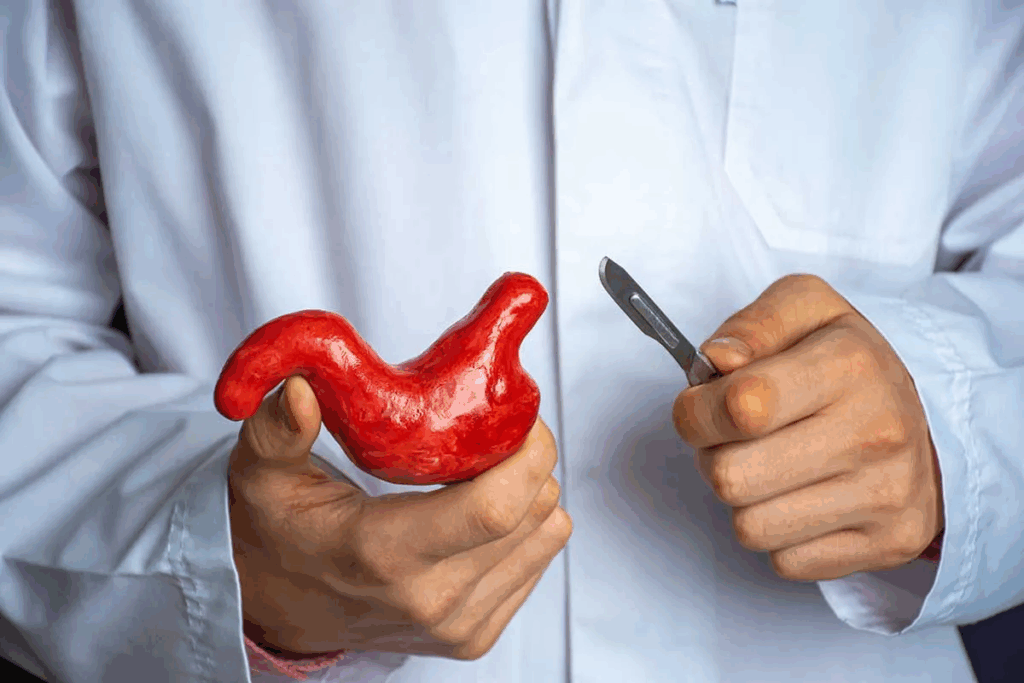
Gastric bypass surgery is a big change for people with obesity. It helps them lose a lot of weight and feel healthier. But, many wonder if they can go back to eating like they used to after surgery.Clarifying expectations for whether can you ever eat normally after gastric bypass (New normal).
Right after surgery, eating the right foods is key for healing and getting used to the new stomach. At first, patients eat liquids, then soft foods, and later, solid foods. Getting help from experts and bariatric centers is important for lasting health benefits.
While it’s not always easy, studies show that patients can eat similar foods but in smaller amounts. They need to change how much they eat, how often, and what they choose to eat every day.
Key Takeaways
- Gastric bypass surgery changes how food is digested and makes the stomach smaller.
- Patients must adjust to a new way of eating, starting with liquids.
- They need to make lasting changes in how much they eat and what they eat.
- Getting help from bariatric centers is key for lasting success.
- Significant weight loss is possible with gastric bypass surgery.
The Transformative Nature of Gastric Bypass Surgery
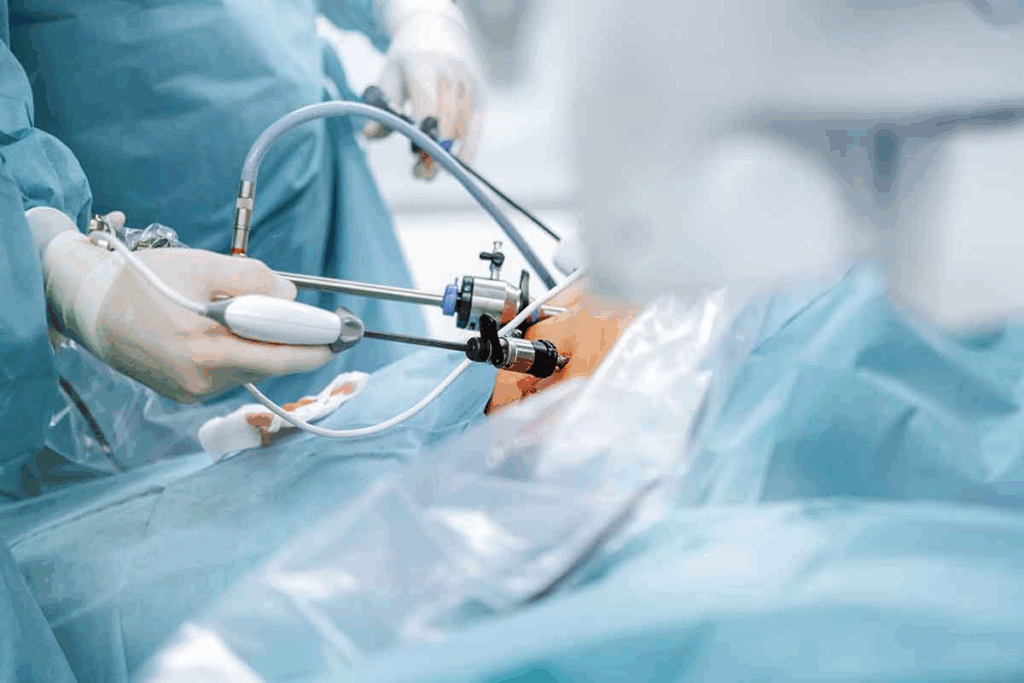
Gastric bypass surgery changes the digestive system, leading to significant weight loss. It alters how the body processes food. This surgery creates a small stomach pouch and reroutes the digestive tract.
Restructuring the Digestive System
The surgery makes a small stomach pouch, about the size of an egg. This limits the food intake. The pouch is then connected to the small intestine, bypassing parts of the stomach and small intestine.
This change has two main effects:
- Reduced Food Intake: The smaller stomach pouch limits food intake. Patients feel full sooner and eat fewer calories.
- Altered Nutrient Absorption: The surgery changes nutrient absorption. It affects the body’s ability to absorb vitamins and minerals.
The Science Behind Weight Loss
Weight loss from gastric bypass surgery comes from reduced food intake and altered nutrient absorption. The surgery limits food consumption and changes hunger and satiety signals.
Aspect | Pre-Surgery | Post-Surgery |
Stomach Size | Normal size, capable of stretching | Small pouch, limited capacity |
Nutrient Absorption | Normal absorption process | Altered absorption due to bypassed intestine |
Hunger Signals | Normal hormonal signals | Altered hormonal signals, reduced hunger |
Understanding these changes is key for adapting to new eating habits post-surgery. Knowing the science behind gastric bypass surgery helps individuals navigate its challenges and benefits.
The Initial Recovery Diet: First Month Post-Surgery
Knowing what to eat after gastric bypass surgery is key for a good recovery. The first diet is important for healing and getting used to the new stomach size.
Clear Liquids Phase: Days 1-7
Right after surgery, patients need to drink clear liquids to stay hydrated and help their digestive system heal. You can have water, diluted squash, herbal or fruit tea, clear broth, and apple juice. This diet lasts for the first 7 days.
Drink these liquids slowly and in small amounts to avoid discomfort. Aim to drink 8-10 glasses of fluid a day to stay hydrated.
What Can I Eat Two Weeks After Gastric Sleeve?
Two weeks after surgery, you can start eating liquid or pureed foods. Your stomach is healing, so it’s important to eat foods that are easy to digest. Eat 2 to 3 ounces of food at each meal, slowly increasing as your stomach heals.
Some good foods at this time include:
- Pureed fruits and vegetables
- Broths
- Protein shakes
- Soft, mashed foods
Transitioning to Soft Foods: Weeks 3-4
By weeks 3-4, you can start eating soft foods. These are more filling than pureed foods but are gentle on your stomach. You can have soft fruits, cooked vegetables, lean proteins, and soft grains.
Make sure to chew your food well and eat slowly to avoid discomfort. Eat small portions, about 1/4 cup to 1/2 cup per meal.
Dietary Phase | Duration | Allowed Foods | Portion Size |
Clear Liquids | Days 1-7 | Water, clear broth, apple juice, herbal tea | 2-3 ounces |
Pureed Foods | Days 7-14 | Pureed fruits and vegetables, protein shakes | 2-3 ounces |
Soft Foods | Weeks 3-4 | Soft fruits, cooked vegetables, lean proteins | 1/4 to 1/2 cup |
Adapting to Your New Digestive Reality
Gastric bypass surgery changes how you see food. Your stomach can now hold only 2 to 3 ounces of food. This is about the size of a small egg or a golf ball.
The 2-3 Ounce Meal Limitation
After surgery, you’ll eat much smaller meals. Eating too much can cause discomfort and serious problems. Start with small, nutrient-rich meals to get the vitamins and minerals you need.
Think of a standard protein serving as 3 ounces, or the size of a deck of cards. You’ll eat even smaller portions at first. As your stomach heals, you can gradually eat more.
Learning to Recognize Fullness Signals
It’s key to learn when you’re full after gastric bypass surgery. Your stomach is smaller, so stop eating when you’re satisfied, not stuffed. Eating too much can hurt your stomach.
Eat slowly and enjoy your food. Stop when you feel satisfied, even if that means leaving food on your plate. This is a big change from before.
Gradual Progression to 1 Cup Capacity
Your stomach will grow over time to hold slightly bigger meals. It might take a year for it to expand to 1 cup, or 8 ounces. This growth is part of healing and lets you eat more freely.
But remember, even with a bigger stomach, eat small, nutritious meals. And always listen to your body’s hunger and fullness signals.
Can You Ever Eat Normally After Gastric Bypass?
After gastric bypass surgery, your idea of ‘normal eating’ changes. You won’t go back to eating like before. Instead, you’ll learn to eat healthier, with lean proteins, veggies, and whole foods.
Redefining “Normal Eating” After Surgery
After surgery, what it means to eat normally changes. You’ll need to eat 6 to 8 small meals daily. These meals should be high in protein and require big changes to your eating habits.
Key aspects of this new normal include:
- Eating smaller, more frequent meals
- Prioritizing high-protein foods for nutritional balance
- Gradually introducing a variety of nutrient-dense foods
Similar Foods, Dramatically Different Portions
One big change is the huge drop in portion sizes. Your stomach can now hold only 2-3 ounces at first, growing to about 1 cup later.
To understand this better:
Food Type | Pre-Surgery Portion | Post-Surgery Portion |
Protein | 6-8 ounces | 2-3 ounces |
Vegetables | 1-2 cups | 1/2 cup |
Permanent Anatomical Changes That Affect Eating
Gastric bypass surgery makes permanent changes to how you eat. It creates a small stomach pouch and changes your intestines. This affects digestion and how your body absorbs nutrients.
“The gastric bypass procedure fundamentally changes the way your body processes food, requiring a lifelong commitment to dietary adjustments.”
It’s important to understand these changes for long-term success. Adapting to your new digestive system is key.
Eating After Gastric Sleeve: The New Mealtime Reality
After gastric sleeve surgery, patients must adjust to a new way of eating. They focus on nutrient-rich foods and mindful eating. This change is key for weight loss and meeting nutritional needs.
The 6-8 Small Meals Approach
Adopting the 6-8 small meals approach is a big change. It means eating 6 to 8 small meals a day. This helps manage the smaller stomach and prevents overeating.
Eating smaller meals helps meet nutritional needs without feeling too full. It also keeps energy levels stable all day.
Protein-First Nutrition Strategy
Protein is a big part of the post-surgery diet. A protein-first nutrition strategy is key for healing and health. Eating protein first in meals is important.
High-protein foods include lean meats, fish, eggs, and dairy. Plant-based options like beans and tofu are also good. Patients should talk to a healthcare provider or nutritionist for a personalized protein plan.
Mindful Eating Techniques for Satisfaction
Mindful eating is important after gastric sleeve surgery. It means focusing on the eating experience and recognizing when you’re full. Mindful eating helps avoid overeating.
Techniques like eating slowly and chewing well can make meals more enjoyable. Avoiding distractions during meals also helps. These practices make mealtime more satisfying.
Nutritional Essentials for Post-Bypass Living
Nutritional essentials are key for living well after bypass surgery. The body changes how it absorbs nutrients after surgery. It’s important to focus on the right foods.
Critical Vitamin and Mineral Supplements
Patients often struggle to get enough vitamins and minerals after surgery. Vitamin and mineral supplements are vital to avoid deficiencies. Common ones include:
- Multivitamins
- Calcium citrate
- Vitamin D
- Vitamin B12
- Iron
These supplements help keep health in check by making up for less absorption.
Protein Requirements and Sources
Protein is essential for healing and keeping muscles strong after surgery. Patients need 60-80 grams of protein daily. Good protein sources are:
- Lean meats (chicken, turkey, fish)
- Eggs
- Dairy products (Greek yogurt, cottage cheese)
- Protein shakes and supplements
Getting enough protein is key to keeping muscles and supporting the body.
Hydration Protocols Between Meals
Drinking enough water is very important after surgery. Patients should drink at least 64 ounces of fluid daily, spread out between meals. It’s best to:
- Drink water and other low-calorie drinks
- Avoid drinking with meals to prevent discomfort
- Check urine color to make sure it’s pale yellow or clear
Drinking enough helps with digestion, nutrient absorption, and staying healthy.
Overcoming Common Dietary Challenges
After gastric bypass surgery, you face new dietary challenges. You need to adjust to a different way of eating. The rules of digestion have changed a lot.
Managing Dumping Syndrome
Dumping syndrome happens when food, like sugary foods, moves too fast from the stomach to the small intestine. Symptoms include nausea, vomiting, and diarrhea. To avoid this, stay away from foods high in sugar and fat.
Key Foods to Avoid:
- Sugary drinks and desserts
- High-fat foods
- Dairy products high in sugar
Food Category | Examples | Reason to Avoid |
Sugary Foods | Candy, cakes, sugary cereals | Can cause rapid gastric emptying |
High-Fat Foods | Fried foods, fatty meats | Can slow digestion, causing discomfort |
Navigating Food Intolerances and Sensitivities
After surgery, some people may find they can’t tolerate certain foods. Common issues include lactose, gluten, and spicy foods. It’s important to figure out and manage these issues to enjoy eating.
Tips for Managing Food Intolerances:
- Keep a food diary to track symptoms
- Introduce new foods gradually
- Avoid foods that cause discomfort
Strategies for Restaurant and Social Eating
Eating out or with friends can be tough after surgery. It’s key to plan and make smart choices to stick to your diet.
Tips for Social Eating:
- Choose restaurants with healthy options
- Opt for small portions
- Avoid high-sugar and high-fat foods
By tackling these common challenges, you can have a better experience after surgery.
Long-Term Eating Patterns: What to Expect Years Later
Gastric bypass surgery starts a new chapter with food. Over time, it’s key to understand how eating habits and nutritional needs change. This is vital for lasting success.
Eating Capacity Changes Over Time
After surgery, eating capacity changes a lot. At first, the stomach is smaller, limiting food intake. But, it can stretch over time, allowing for bigger meals.
Weight loss varies, but most lose 15-20% of their weight in the first three months. The goal is to lose 30% by 9 months and 75% of excess weight in 1-2 years. As the body adjusts, the focus shifts to keeping a healthy weight and adopting lasting eating habits.
Maintaining Nutritional Discipline
Keeping up with nutritional discipline is key for long-term health. Patients need to focus on protein, vitamins, and minerals. Supplements might be needed to meet nutritional needs. A balanced diet helps avoid problems like dumping syndrome and keeps overall health in check.
It’s important for patients to work with their healthcare provider to monitor their nutrition. Regular check-ups help spot any nutritional gaps early, allowing for quick action.
Nutritional Element | Recommended Intake | Notes |
Protein | 60-80 grams daily | Essential for muscle maintenance and overall health |
Vitamin B12 | Supplementation as directed by healthcare provider | Critical for nerve function and red blood cell formation |
Iron | Supplementation as directed by healthcare provider | Important for preventing anemia |
Success Stories and Realistic Expectations
Many patients see big weight loss and health improvements after surgery. Success stories highlight physical, emotional, and psychological benefits. But, it’s important to have realistic expectations about the journey ahead.
We encourage patients to share their stories and learn from others. This helps understand the importance of commitment to a new lifestyle. It shows the path to long-term success.
By staying disciplined with eating and nutrition, patients can enjoy the benefits of their surgery for years. It’s a journey that needs patience, dedication, and support. But the rewards can be life-changing.
Conclusion: Embracing Your Transformed Relationship with Food
After gastric bypass surgery, many wonder if they can go back to old eating habits. The truth is, the surgery changes how we process food. It also opens the door to a healthier way of eating.
Starting a new eating pattern is tough, but it’s key for lasting weight loss and health. By sticking to a balanced diet and paying attention to nutritional needs, patients can live a better life after surgery.
The secret to success is embracing this new way of eating. It means avoiding some foods to avoid problems. With the right help and support, people can handle their new diet and make choices that help their health in the long run.
This approach not only leads to weight loss but also improves life quality. We’re committed to giving full support and guidance on this journey. We want to help people take charge of their health and well-being after gastric bypass surgery.
FAQ
Can you ever eat normally after gastric bypass surgery?
After gastric bypass surgery, eating changes a lot. You’ll need to eat smaller meals and choose foods high in protein. It’s not like eating before, but you can live a healthier life.
What can I eat two weeks after gastric sleeve surgery?
Two weeks after surgery, you’ll start with soft foods. Think yogurt, scrambled eggs, and pureed veggies. Always follow your doctor’s diet plan for a smooth recovery.
How do I manage dumping syndrome after gastric bypass surgery?
To avoid dumping syndrome, eat less sugar and smaller meals. Focus on protein. Pay attention to how your body reacts to different foods.
What are the nutritional essentials for post-bypass living?
You need enough protein, stay hydrated, and take vitamins and minerals. Knowing what you need and following it is key to staying healthy.
How do I navigate eating in social or restaurant settings after gastric bypass surgery?
Eating out can be tough after surgery. Try eating smaller portions and choose protein-rich foods. Listen to how your body reacts to different foods.
How does eating after gastric sleeve surgery differ from gastric bypass surgery?
Both surgeries change how you eat, but differently. After gastric sleeve, eat 6-8 small meals a day. Focus on protein and eat mindfully.
What are the long-term eating patterns after gastric bypass surgery?
Long-term, you’ll need to stay disciplined with your diet. Have realistic weight loss goals. Understand how your eating capacity changes. Stick to your new habits for lasting results.
How do I maintain nutritional discipline after gastric bypass surgery?
Stay disciplined by eating protein, drinking water, and taking supplements. Be aware of how your body reacts to food. Adjust your diet as needed.
References
- Livingstone, M. B. E., O’Brien, S. A., & Coward, W. A. (2022). Food intake following gastric bypass surgery: Patients eat less and differently but not always healthier. Obesity Surgery, 32(7), 3028-3039. https://www.ncbi.nlm.nih.gov/pmc/articles/PMC9644182/