
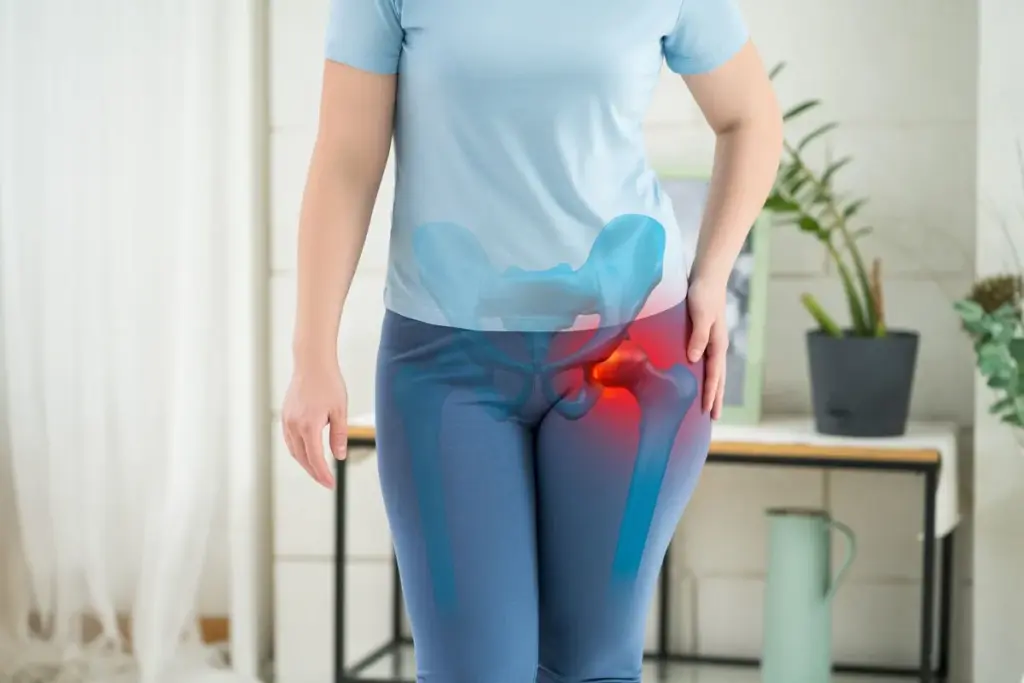
Gout is a painful form of arthritis that usually hits the outer joints. But, it can also affect the hip joint. While not common, hip gout can be very painful and needs the right care.
At Liv Hospital, we’ve seen cases of gout in the hip. It’s tricky to spot because of its deep location and unusual symptoms. Our team works together to make sure patients get the right diagnosis and treatment for this rare but serious form of arthritis.
Key Takeaways
- Gout can occur in the hip joint, though it’s rare.
- Symptoms of gout in the hip can be tricky to spot.
- Liv Hospital’s team ensures accurate diagnosis and treatment.
- Advanced imaging and diagnostic tools help manage hip gout.
- Understanding and managing hip gout is key to effective treatment.
Understanding Gout in the Hip

To understand gout in the hip, we need to explore gouty arthritis and its effects. Gout is a type of inflammatory arthritis. It causes sudden, severe pain, swelling, redness, and tenderness in joints. The big toe is often affected, but the hip can also be involved.
Pathophysiology of Gouty Arthritis
Gout happens when monosodium urate crystals form in joints due to hyperuricemia. This is when uric acid levels in the blood are too high. It can be due to making more uric acid or not getting rid of it well enough. When uric acid levels get too high, crystals form and cause inflammation and pain in the joints.
Why Hip Gout is Less Common
The hip is less often affected by gout than other joints like the big toe. Several reasons explain this. The hip’s deep position and the muscles around it might help. Also, the hip’s good blood flow keeps it at a steady temperature, making it harder for crystals to form.
| Joint Characteristics | Effect on Gout Incidence |
| Deep-seated position | Reduced exposure to triggers |
| Superior blood perfusion | Maintains consistent temperature |
| Surrounding musculature | Provides additional support and stability |
Risk Factors for Developing Hip Gout
Even though it’s less common, some people are more likely to get gout in the hip. These include genetic factors, being overweight, having metabolic syndrome, and taking certain medicines. Knowing these risk factors helps in early diagnosis and treatment.
- Genetic predisposition
- Obesity and metabolic syndrome
- Certain medications (e.g., diuretics)
- Dietary factors (e.g., high purine intake)
By knowing these risk factors and how gout works, doctors can better manage symptoms and prevent future attacks.
Symptoms and Diagnosis of Gout in Hip

The signs of gout in the hip can be hard to spot. Unlike gout in the big toe, hip gout doesn’t always show redness and swelling.
Unique Symptoms of Hip Gout
Hip gout can cause pain in the groin or thigh. This can be confused with other issues. The hip’s deep location makes swelling less obvious, making it tough to diagnose.
Common symptoms include:
- Pain in the hip, groin, or thigh
- Limited mobility of the hip joint
- Pain that worsens with movement
These symptoms can also be seen in other hip problems like osteoarthritis or fractures. So, a detailed check-up is key.
Diagnostic Methods
Figuring out hip gout involves looking at symptoms, medical history, and tests.
| Diagnostic Method | Description |
| Clinical Evaluation | Looking at patient symptoms and medical history |
| Imaging Tests | Using ultrasound or CT scans to find urate crystals or joint damage |
| Joint Aspiration | Removing fluid from the hip joint to check for urate crystals |
Getting a diagnosis early is vital. It helps manage the condition and prevent long-term damage to the hip.
Treatment and Management Options
Managing gout means more than just treating attacks. It’s about preventing them from coming back. We’ll look at the treatments and lifestyle changes that help manage gout.
Medications for Acute Attacks
Several medicines can help during a gout attack. NSAIDs are often used to lessen pain and swelling. Colchicine is another good choice, if NSAIDs can’t be used. Sometimes, corticosteroids are given to cut down inflammation.
Choosing the right medicine for a gout attack is important. A doctor will help pick the best one based on your health.
Long-term Management Strategies
Managing gout long-term means lowering uric acid levels. This is done through urate-lowering therapy (ULT). It’s key for people who get gout often.
- Allopurinol and febuxostat are common ULT drugs.
- It’s important to check uric acid levels often to adjust the dose.
- Working closely with a doctor is vital to handle any side effects.
Lifestyle Modifications to Prevent Recurrence
Changing your lifestyle can also help manage gout. Eating a healthy diet is key. Avoid foods and drinks high in purines that can trigger attacks.
- Drinking plenty of water helps get rid of uric acid.
- Reducing alcohol intake, like beer and liquor, can lower gout risk.
- Keeping a healthy weight through diet and exercise can also prevent gout.
Combining these lifestyle changes with the right medicine can greatly reduce gout attacks.
Conclusion
Gout in the hip is not common but needs a detailed approach for diagnosis and treatment. We’ve looked into why gout mostly affects other joints, not the hip.
Managing hip gout means knowing its symptoms and using the right tests. This helps doctors create treatment plans. These plans include medicines for sudden attacks and ways to manage it long-term.
Changing your lifestyle is key to avoiding gout attacks. We stress the need for these changes along with medical care. This helps people with hip gout live better lives.
To wrap up, dealing with hip gout is a challenge but doable. Knowing its causes, symptoms, and treatments helps manage it well. A complete care plan is essential for better results.
FAQ’s:
Can gout occur in the hip joint?
Yes, although rare, gout can affect the hip joint.
What are the symptoms of gout in the hip?
Symptoms include hip pain, swelling, warmth, stiffness, and limited range of motion.
How is gout in the hip diagnosed?
Diagnosis is made via joint aspiration, imaging (X-ray, MRI, or ultrasound), and serum uric acid levels.
What are the risk factors for developing gout in the hip?
Risk factors include high uric acid, obesity, kidney disease, alcohol use, and certain medications.
How is gout in the hip treated?
Treatment involves anti-inflammatory medications, urate-lowering therapy, and sometimes joint drainage.
What lifestyle modifications can help prevent gout recurrence in the hip?
Maintain healthy weight, limit alcohol and purine-rich foods, stay hydrated, and exercise regularly.
Is gout in the hip a common condition?
No, hip involvement is uncommon compared to joints like the big toe or knee.
Can hip gout be managed effectively?
Yes, with timely treatment and lifestyle changes, hip gout can be managed successfully.
References:
National Center for Biotechnology Information. Evidence-Based Medical Insight. Retrieved from https://pmc.ncbi.nlm.nih.gov/articles/PMC10929543/