Thinking about liposuction can be scary, if you’re overweight or obese. Our team offers full care for your body and mind. Liposuction is a powerful cosmetic method to get rid of fat that diet and exercise can’t touch.
Discover if you can get liposuction if you’re overweight or obese. Our guide covers BMI requirements, candidacy, and safety considerations.
It’s not for losing weight, but it helps shape your body when you live a healthy life. Experts say that people with a higher BMI can see benefits from liposuction as part of a wellness plan.
Key Takeaways
- Liposuction is not a weight loss solution but a body contouring tool.
- Patients with higher BMI can benefit from liposuction when combined with a healthy lifestyle.
- Our surgeons evaluate each patient’s medical history, overall health, and aesthetic goals.
- Liposuction can be an effective way to remove stubborn fat deposits.
- Combining liposuction with exercise and good nutrition can kickstart a healthier lifestyle.
Understanding BMI Requirements for Liposuction Candidates
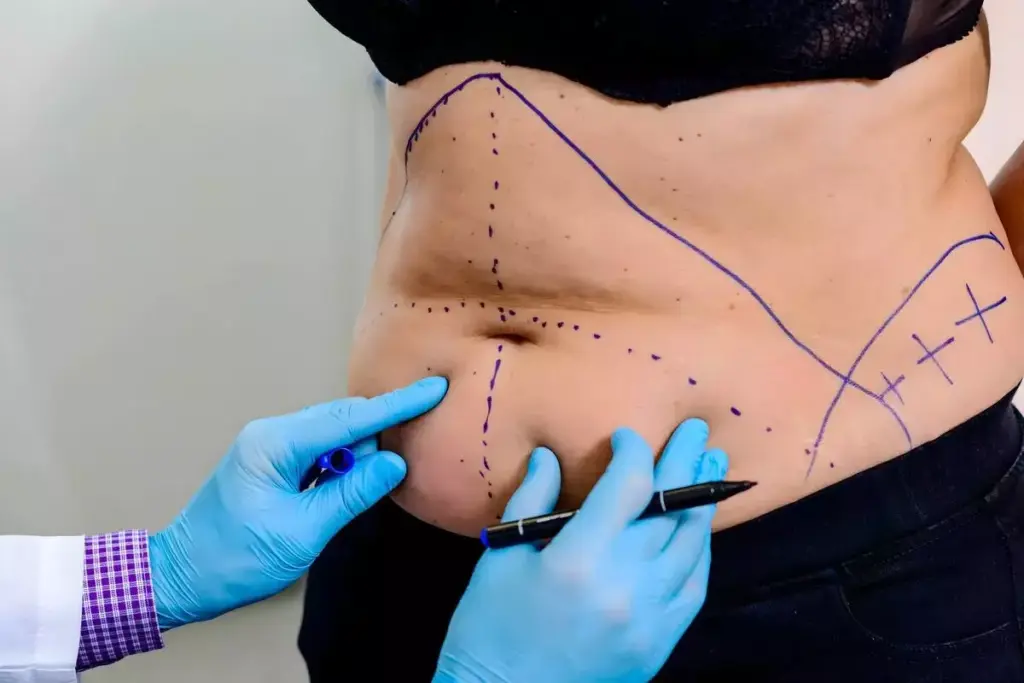
Body Mass Index (BMI) is important when thinking about liposuction. BMI shows if your weight is healthy for your height. It helps figure out if you’re in a good weight range.
When looking at who can get liposuction, BMI is a big factor. Ideal candidates usually have a BMI under 30. Some doctors might look at BMIs up to 42, depending on health and other things.
Ideal BMI Range for Liposuction
Medical Expert, “For liposuction, aim for a BMI under 35, ideally less than 30. You should be close to your ideal weight and have kept it stable for six months.” This shows the importance of being near your ideal weight and keeping it steady.
Having a healthy BMI makes you a better candidate for liposuction. It also means better results and fewer health risks. We look at each patient’s health, fat, and other conditions to decide if they’re a good fit.
Surgeon Considerations for Higher BMI Patients
For those with higher BMIs, we talk about the risks and benefits of liposuction. We also look at other treatments that might be better. Our doctors consider BMI, health, fat, and personal situations when deciding.
Liposuction isn’t for losing weight, but it can shape your body. We help our patients understand their goals and find the best treatment for them.
Can I Get Liposuction If I Am Overweight? Exploring Options by BMI Category
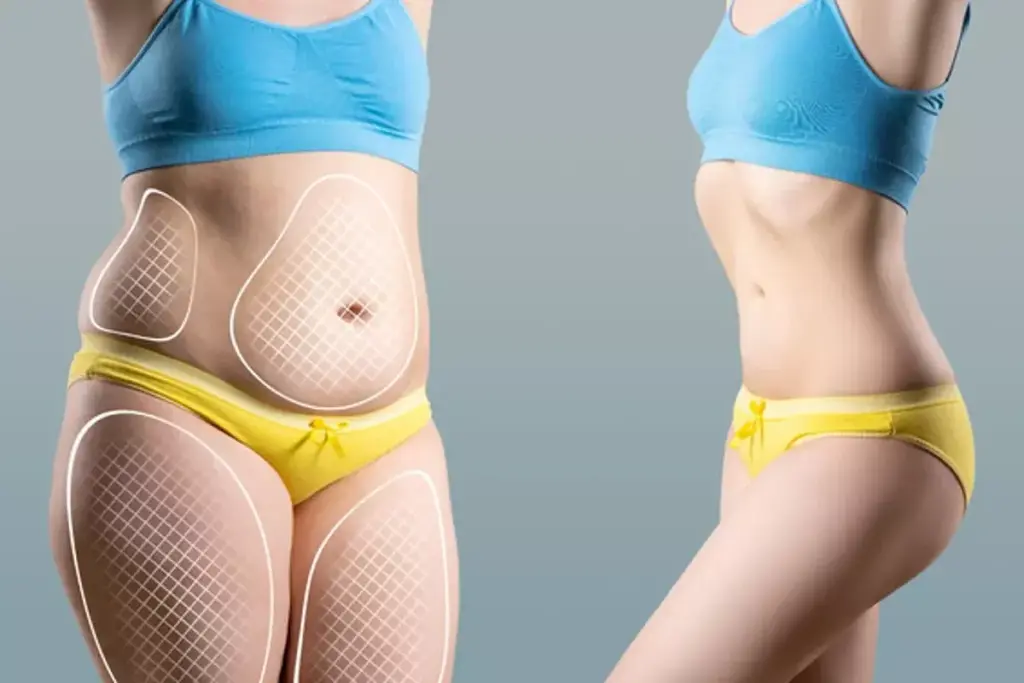
We look at BMI and health when deciding on liposuction. It’s not for losing weight but for shaping the body. Being overweight or obese might raise surgery risks, but it’s not a total block.
Options for Overweight Patients (BMI 25-29)
People with a BMI of 25 to 29 might find liposuction helpful. They’re overweight but not obese. Their health is likely better, leading to good results. Our blog on ideal BMI for liposuction shows being close to a healthy BMI is key.
Possibilities for Obese Patients (BMI 30-39)
Those with a BMI of 30 to 39 might consider liposuction. But, their health and any health problems matter a lot. Medical Expert’t mean no to plastic surgery. But, it can up the risk of problems during and after surgery.
Considerations for Morbidly Obese Patients (BMI 40+)
For those with a BMI of 40 or more, losing weight first is often advised. At the lower end of this range (BMI 40-49), some might qualify for liposuction after a detailed check. Advanced methods, like high-volume liposuction, might be used for them.
Maximum Fat Removal and Advanced Techniques
The most fat you can safely have removed in one go is about 5 liters (around 10 pounds). For those needing more, advanced techniques are available. We talk about these with our patients, keeping their health and goals in mind.
Conclusion: Safety Limits and Realistic Expectations
When thinking about liposuction, it’s key to know the safety limits and what to expect. The American Society of Plastic Surgeons says no more than five liters of fat should be removed at once. Remember, one liter of fat is about two pounds, which helps set realistic goals.
Our surgeons, like Medical Expert, always put safety first. Every consultation is a detailed health check, a look at your medical history, and setting achievable goals. For those with a high BMI, liposuction can be an option, but it’s important to talk about the pros and cons.
Liposuction is popular because it can improve body shape and boost confidence. Knowing the benefits and how much fat can safely be removed helps you make a smart choice. We aim to give top-notch healthcare and support to our patients from around the world.
At our place, we focus on you, making sure you get the best treatment for your health and beauty goals. If you’re looking into high bmi lipo or other body shaping, our team is here to help. We care about your safety and well-being above all.
FAQ
What is the ideal BMI for liposuction?
There’s no single BMI for liposuction. A lower BMI is often better because it means fewer health risks. Our surgeons look at your health, how fat is distributed, and any health issues when deciding if you’re a good candidate.
Can I get liposuction if I’m overweight or obese?
Liposuction might be an option for those who are overweight or obese. But, it’s important to know the risks and have the right expectations. We check your health history, BMI, and what you want to achieve to see if liposuction is right for you.
What are the benefits of liposuction for overweight patients?
Liposuction can help shape your body and boost your confidence. It’s useful for those with a BMI between 25 and 29. It can remove fat that’s hard to lose with diet and exercise.
How much fat can be safely removed during liposuction?
You can safely lose up to 5 liters (about 10 pounds) in one go. Some advanced methods might be available for more fat removal.
What are the risks associated with liposuction for obese patients?
We talk about the risks and benefits of liposuction for obese patients. We also consider other treatments that might be better. Our surgeons look at your health and any other health issues to decide if liposuction is safe for you.
Can morbidly obese patients undergo liposuction?
For those who are morbidly obese (BMI 40+), we discuss the risks and benefits. Advanced methods might be an option. But, it’s important to understand the limits and have realistic hopes.
How does BMI affect liposuction candidacy?
BMI helps us understand your body weight compared to your height. A lower BMI is usually better for liposuction because it means fewer health risks. Our surgeons look at your BMI, health, fat distribution, and any health issues to decide if you’re a good candidate.
What are the advantages of advanced liposuction techniques?
Advanced techniques, like high-volume or large-volume liposuction, can offer better body shaping. They can improve the results of your procedure.
References
National Center for Biotechnology Information. Evidence-Based Medical Guidance. Retrieved from https://www.ncbi.nlm.nih.gov/pmc/articles/PMC11578194/