
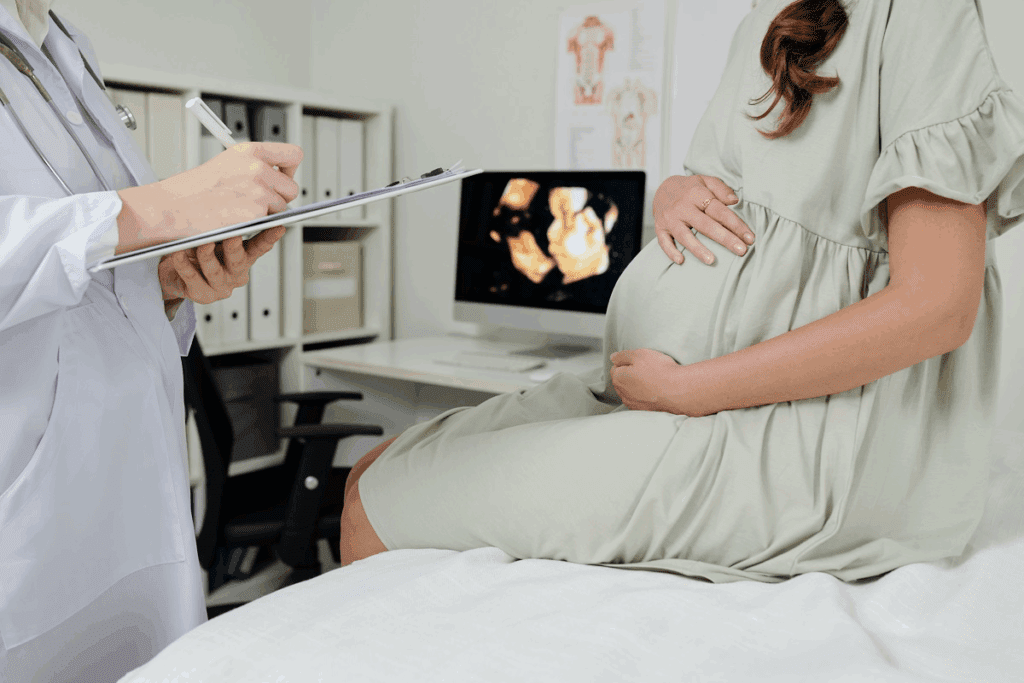
Many women think regular periods mean they can get pregnant. But this isn’t always true. Even with normal menstrual cycles, some women face infertility due to hidden reproductive problems.can you have a period and be infertile15 Bone Marrow Stem Cell Transplant Risks and Side Effects to Know
At Liv Hospital, we know every woman’s path to fertility is different. Studies reveal that irregular or abnormal ovulation causes 30 to 40 percent of infertility cases. This means up to 60 percent of infertility comes from other reasons. It’s important for women trying to conceive to understand how periods and fertility are connected.
Key Takeaways
- Having regular periods does not necessarily mean a woman is fertile.
- Underlying reproductive issues can cause infertility despite normal menstrual cycles.
- Infertility can stem from various causes beyond ovulation timing.
- Understanding the relationship between periods and fertility is key for conception.
- Each patient’s fertility journey is unique and needs personalized care.
The Relationship Between Periods and Fertility
Menstrual periods and fertility are linked but not straightforward. We’ll look into what regular periods mean for health and why they don’t always mean you can get pregnant.
What Regular Periods Typically Indicate
Regular periods usually mean your reproductive system is healthy. A regular cycle shows your body is ready for pregnancy, meaning your hormones are working right and ovulation might be happening.
When you have regular periods, your uterus sheds its lining as it should. This is controlled by hormones. This regularity is good for those trying to get pregnant, as it suggests ovulation. But, remember, regular periods don’t tell everything.
Why Periods Don’t Guarantee Fertility
Even with regular periods, ovulation and other fertility factors might not be working right. Many things affect fertility, like egg quality, fallopian tube health, and overall reproductive health.
Also, some health issues can cause problems even if periods seem normal. Hormonal imbalances, structural problems, or other health issues can affect fertility, even with regular periods.
Understanding the Menstrual Cycle and Ovulation

Knowing the basics of the menstrual cycle is key to understanding fertility. The menstrual cycle is a complex process with several phases. Each phase plays a vital role in preparing the body for pregnancy.
We will look at the menstrual cycle’s main parts. We’ll also see how different cycle lengths can affect fertility.
The Phases of a Normal Menstrual Cycle
A normal menstrual cycle has four main phases: menstruation, the follicular phase, ovulation, and the luteal phase. Knowing these phases helps us understand how the cycle affects fertility.
- Menstruation: This is the first phase, where the uterus sheds its lining if no pregnancy occurs.
- Follicular Phase: This phase starts with menstruation and involves the growth of follicles in the ovaries, which contain eggs.
- Ovulation: When a follicle matures, it releases an egg, triggered by a surge in luteinizing hormone (LH).
- Luteal Phase: After ovulation, the empty follicle forms the corpus luteum, which produces progesterone to prepare the uterine lining for a fertilized egg.
How Cycle Length Affects Fertility
The length of the menstrual cycle greatly impacts fertility. While a typical cycle is about 28 days, it can range from 21 to 35 days in healthy women. Cycle length affects fertility in several ways:
| Cycle Length | Impact on Fertility |
|---|---|
| Short Cycles ( | May indicate early ovulation, potentially reducing the window for conception. |
| Regular Cycles (24-35 days) | Generally associated with normal ovulation, which enhances fertility. |
| Long Cycles (>35 days) | May indicate irregular or absent ovulation, potentially reducing fertility. |
Understanding the menstrual cycle and ovulation is vital for women trying to conceive. By knowing the cycle’s phases and how cycle length affects fertility, women can better identify their fertile window. This helps address any fertility issues.
Can You Have a Period and Be Infertile? Yes, and Here’s Why
Regular periods don’t always mean you can get pregnant. Many things can make it hard to conceive, even if you have periods. Having a period is just one part of being able to have a baby.
Research on Periods and Infertility
Studies have looked into how periods and fertility are connected. They found that regular periods don’t always mean you can get pregnant. Research shows that women can have periods and not be able to get pregnant because of many reasons. This shows that regular periods don’t always mean you’re fertile.
Anovulatory Cycles: Periods Without Egg Release
Anovulatory cycles are when women have bleeding that looks like a period but no egg is released. This can happen because of hormonal problems or other issues. Anovulatory cycles can make it hard to get pregnant, even if you have regular periods.
The 60% of Infertility Cases Not Related to Ovulation
Research shows that up to 60% of infertility cases aren’t because of ovulation problems. Other issues like fallopian tube problems or uterine abnormalities can also cause infertility. It’s important to understand these factors for women trying to get pregnant.
Having regular periods is just one part of being able to have a baby. By looking into all the factors that can cause infertility, women can learn more about their reproductive health. They can also get the right medical help if they need it.
Common Causes of Infertility Despite Regular Periods
Many women think regular periods mean they’re fertile. But, this isn’t always true. Several health issues can make it hard to get pregnant, even with regular cycles. Let’s look at some common reasons why.
Blocked Fallopian Tubes
Blocked fallopian tubes are a big reason for infertility. These tubes are where eggs and sperm meet. If they’re blocked, the egg and sperm can’t meet. Things like pelvic infections, endometriosis, and surgeries can damage or block these tubes. If you’re having trouble getting pregnant and have regular periods, check for any damage.
Uterine Abnormalities
Uterine issues can also cause infertility. These can be from birth or happen later. Some birth defects include a unicornuate, bicornuate, or septate uterus, which can make it hard for a fertilized egg to implant. Other issues like fibroids or polyps can also make it hard for a pregnancy to stick.
- Fibroids can distort the uterine cavity
- Polyps can interfere with implantation
- Congenital uterine anomalies can affect fetal development
Endometriosis
Endometriosis is when uterine lining grows outside the uterus. It causes inflammation and scarring. This can make it hard to get pregnant by messing with ovulation and implantation. It can also cause blocked tubes and adhesions that change the shape of the pelvis. Women with endometriosis may have regular periods but struggle to conceive.
Knowing about these common causes of infertility can help women get the right medical help. If you’re having trouble getting pregnant, see a doctor to find out why.
Hormonal Factors Affecting Fertility
Fertility is closely tied to hormones. Hormonal imbalances can affect ovulation and reproductive health. Even with regular periods, hormonal issues can make it hard to conceive.
Polycystic Ovary Syndrome (PCOS)
PCOS is a common hormonal disorder in women of childbearing age. It causes irregular ovulation, cysts on the ovaries, and high androgen levels. Women with PCOS often struggle to get pregnant because of ovulation problems.
- Irregular menstrual cycles
- Hormonal imbalance
- Cysts on the ovaries
Thyroid Disorders
Thyroid disorders, like hypothyroidism and hyperthyroidism, can mess with fertility. They disrupt ovulation and menstrual cycles. Thyroid hormones are key for metabolism and reproductive health.
Common thyroid-related issues:
- Hypothyroidism (underactive thyroid)
- Hyperthyroidism (overactive thyroid)
- Thyroid nodules or goiter
Other Hormonal Imbalances
Other hormonal imbalances can also affect fertility. These include:
- Prolactin disorders
- Adrenal gland disorders
- Insulin resistance
These conditions can mess with ovulation, menstrual cycles, and reproductive health. Women facing fertility issues should see a healthcare provider. They can help diagnose and treat hormonal imbalances.
Egg Quality and Age-Related Fertility Issues
The impact of age on egg quality is a big deal for women’s fertility. As women get older, their eggs get worse in quality and number. This makes it harder to get pregnant.
How Age Affects Egg Quality
Age really matters when it comes to egg quality. Older women’s eggs are more likely to have genetic problems. This is because eggs start forming before birth and age with the woman.
By the mid-to-late 30s, egg quality drops a lot.
Key factors that affect egg quality with age include:
- Increased risk of chromosomal abnormalities
- Decreased egg quantity
- Poor egg morphology
Diminished Ovarian Reserve
Diminished ovarian reserve (DOR) means the ovaries don’t work right anymore. This leads to fewer and lower quality eggs. It can happen at any age but gets more common with age.
| Age Group | Egg Quality | Fertility Potencial |
|---|---|---|
| 20-25 | High | High |
| 26-30 | Good | Good |
| 31-35 | Fair | Fair |
| 36-40 | Poor | Low |
| 41+ | Very Poor | Very Low |
Genetic Factors in Egg Quality
Genetics also play a big part in egg quality. Some women might have genes that make their eggs worse, no matter their age.
Knowing about these factors can help women make better choices about their reproductive health. If you’re worried about your fertility, talk to a healthcare provider. They can give you advice and options tailored just for you.
Post-Ovulation Problems That Affect Fertility
The path to having a baby is full of challenges. Issues after ovulation can greatly affect fertility. Even if ovulation happens, other problems can stop a pregnancy from happening.
We will look at three main areas where problems after ovulation can affect fertility. These are fertilization issues, implantation failures, and luteal phase defects. Knowing about these can help us understand why it’s hard to get pregnant.
Fertilization Issues
Fertilization is when a sperm meets an egg. This is the first step in making a baby. But, many things can stop this from happening.
- Sperm quality and quantity are very important.
- Egg quality, which gets worse with age, also matters.
- Things like toxins in the environment can also affect it.
Implantation Failures
Even if fertilization works, the embryo must attach to the uterine lining. This is called implantation. But, implantation can fail for many reasons.
Some reasons include:
- A uterine lining that’s too thin or not ready.
- Problems with the embryo, often because of genetics.
- Hormonal imbalances that mess up implantation.
| Cause | Description | Impact on Implantation |
|---|---|---|
| Thin Uterine Lining | The uterine lining is too thin. | This makes it hard for the embryo to implant. |
| Embryo Quality Issues | The embryo has genetic or developmental problems. | This can cause implantation to fail or lead to miscarriage. |
| Hormonal Imbalances | Hormonal levels are off during implantation. | This can stop or mess up implantation. |
Luteal Phase Defects
The luteal phase is after ovulation and before the next period. Luteal phase defects happen when there’s not enough progesterone. Progesterone is key for keeping the uterine lining ready for implantation and supporting early pregnancy.
Problems with the luteal phase can lead to:
- The uterine lining not being ready for implantation.
- Not enough progesterone to keep the pregnancy going.
Understanding and fixing these problems is key for those struggling with fertility. By knowing what’s going wrong, doctors can give better treatments to help with getting pregnant.
Lifestyle Factors That Impact Fertility
Learning how lifestyle affects fertility can change the game for those trying to conceive. We often focus on the biological side of fertility. But, lifestyle choices can greatly impact our reproductive health.
Weight and Fertility Connection
Keeping a healthy weight is key for fertility. Being too thin or too heavy can mess with hormone levels, ovulation, and reproductive health. Studies show that women with a BMI outside the normal range may struggle to get pregnant.
Table: Impact of BMI on Fertility
| BMI Category | Impact on Fertility |
|---|---|
| Underweight (<18.5) | May experience hormonal imbalances, irregular periods |
| Normal (18.5-24.9) | Optimal fertility |
| Overweight (25-29.9) | May have insulin resistance, hormonal issues |
| Obese (>30) | Increased risk of anovulatory cycles, reduced fertility |
Stress and Its Impact on Conception
High stress can hurt fertility. Stress messes with the HPA axis, affecting hormone production needed for ovulation and conception. Activities like yoga, meditation, or deep breathing can help reduce stress.
Nutrition, Exercise, and Environmental Factors
Eating a balanced diet full of essential nutrients is good for reproductive health. Foods rich in antioxidants, omega-3 fatty acids, and fiber can boost fertility. Regular exercise also helps by keeping a healthy weight and lowering stress. But, too much exercise can be bad.
Environmental factors, like endocrine disruptors (e.g., BPA, phthalates), can mess with hormone production and fertility. Using BPA-free products and choosing organic produce can help reduce exposure to these chemicals.
By making smart lifestyle choices, people can improve their fertility. It’s about finding a balance that supports reproductive health.
Male Factor Infertility: The Other Half of the Equation
Male factor infertility is a big part of reproductive health that often gets ignored. While many focus on female fertility, male infertility is key in many cases of couples trying to have a baby.
It’s important to look at both partners when dealing with infertility. Male infertility can come from issues like low sperm count and poor sperm quality.
Sperm Count and Quality Issues
Sperm count and quality are key for male fertility. A low sperm count makes it harder to get pregnant. Poor sperm quality, like abnormal shape or movement, also makes it tough for sperm to reach the egg.
Many things can affect sperm count and quality. Lifestyle choices, environmental exposures, and health issues are some examples. For example, toxins, too much heat, and infections can harm sperm health.
| Factor | Impact on Sperm |
|---|---|
| Lifestyle Choices | Smoking, too much alcohol, and drugs can lower sperm count and quality. |
| Environmental Exposures | Pesticides, heavy metals, and chemicals can harm sperm health. |
| Medical Conditions | Infections, hormonal imbalances, and genetic disorders can affect sperm production and quality. |
When Both Partners Have Regular Cycles But Can’t Conceive
Couples with regular cycles but trouble getting pregnant often face male infertility. It’s a common issue.
Even with regular ovulation, sperm problems can stop fertilization. So, it’s important to check male factors in fertility tests.
Understanding and tackling male infertility can greatly help couples trying to conceive.
Diagnosing Fertility Issues When Periods Are Regular
Figuring out fertility issues needs a detailed look, even with regular periods. Regular periods don’t always mean you can get pregnant. Many things can affect your ability to have kids, so a full check-up is key.
When to Seek Medical Help
If you’re having trouble getting pregnant and your periods are regular, know when to get help. Try to see a doctor if you’ve been trying for over a year without success. But, if you’re over 35, start looking for help after six months. Also, if you’ve had problems with your reproductive system before, don’t wait too long.
As the American Society for Reproductive Medicine suggests, don’t wait a whole year if your periods are irregular or you have other reproductive issues. Your doctor will give advice based on your situation.
Tests to Evaluate Fertility
There are many tests to check fertility when periods are regular. These include:
- Ovulation testing: To see if you’re ovulating.
- Hormone level checks: To check thyroid function, prolactin levels, and other hormones.
- Imaging tests: Like ultrasound to look at your reproductive organs.
- Hysterosalpingography (HSG): To find out if there are blockages in your fallopian tubes.
- Sonohysterography: To check your uterine cavity.
These tests can find problems that might be keeping you from getting pregnant.
Understanding Your Fertility Test Results
It’s important to understand your fertility test results. Your doctor will explain what they mean and what might be causing infertility. If problems are found, your doctor will suggest treatments or more tests.
As
“The diagnosis of infertility is a complex process that involves a complete check-up of both partners.”
Knowing what your results mean can help you make smart choices about your fertility treatment.
In short, finding out about fertility issues with regular periods takes a detailed approach. By knowing when to get help, what tests are needed, and how to understand the results, you can take action to address your fertility concerns.
Conclusion: Understanding Your Reproductive Health Beyond Periods
Understanding reproductive health is more than just knowing when you have your period. We’ve looked at many things that can affect fertility. It’s clear that we need a complete view to tackle fertility issues.
Just because you have a period, it doesn’t mean you can get pregnant. Many things like hormonal problems, blocked tubes, or poor egg quality can stop you from getting pregnant. Also, you can have trouble getting pregnant even if you ovulate, showing how complex reproductive health is.
Seeing regular periods as a sign of fertility is not always right. To really get your reproductive health, you need to look at all the things that affect fertility. This way, you can understand your body better and make smart choices about your reproductive health.
We suggest you take a full approach to understanding your reproductive health. Recognize that fertility is more than just periods and ovulation. By understanding all the factors, you can gain a deeper insight into your fertility.
FAQ
Can you be infertile and yet ovulate?
Yes, being infertile doesn’t mean you can’t ovulate. But, other things like egg quality and hormonal balance matter too. These can affect your ability to get pregnant.
Can you be infertile and have regular periods?
Yes, having regular periods doesn’t mean you’re fertile. Many women with regular cycles can’t get pregnant because of other reproductive problems.
What are the common causes of infertility despite regular periods?
Issues like blocked fallopian tubes and hormonal imbalances can cause infertility. So can problems with egg or sperm quality.
How does age affect egg quality and fertility?
As women get older, their eggs get worse. This can make it harder to get pregnant and increases the risk of miscarriage.
Can lifestyle factors impact fertility?
Yes, things like your weight and how much you exercise can affect fertility. So can stress and toxins in the environment.
What is the role of hormonal imbalances in infertility?
Hormonal problems, like those in PCOS, can mess with ovulation and egg quality. This can make it hard to get pregnant, even with regular periods.
Can male factor infertility contribute to difficulty conceiving?
Yes, problems with sperm can make it hard to get pregnant. This is true even if the woman has regular periods.
When should I seek medical help for fertility issues?
If you’ve been trying to get pregnant for a long time without success, see a doctor. If you’re over 30 and have been trying for a year, it’s a good time to get help.
What tests are used to evaluate fertility?
Doctors use tests like hormone checks and ultrasounds to look at ovulation and the uterus. They also do semen analysis and other tests to find fertility problems.
Are regular periods a sign of fertility?
Regular periods often mean you’re ovulating. But, they don’t guarantee you can get pregnant. Fertility involves many factors.
Can you ovulate and yet be infertile?
Yes, ovulating is important but not enough for fertility. Problems like poor egg quality or blocked tubes can prevent pregnancy, even with ovulation.
How do you know if you are not fertile?
Trouble getting pregnant, even with regular sex, might mean fertility issues. A fertility test can find out what’s wrong.
Do infertile women have periods?
Many infertile women have regular periods. But, infertility isn’t just about having or not having periods.
References
National Center for Biotechnology Information. Evidence-Based Medical Guidance. Retrieved from https://www.ncbi.nlm.nih.gov/pmc/articles/PMC9924698/