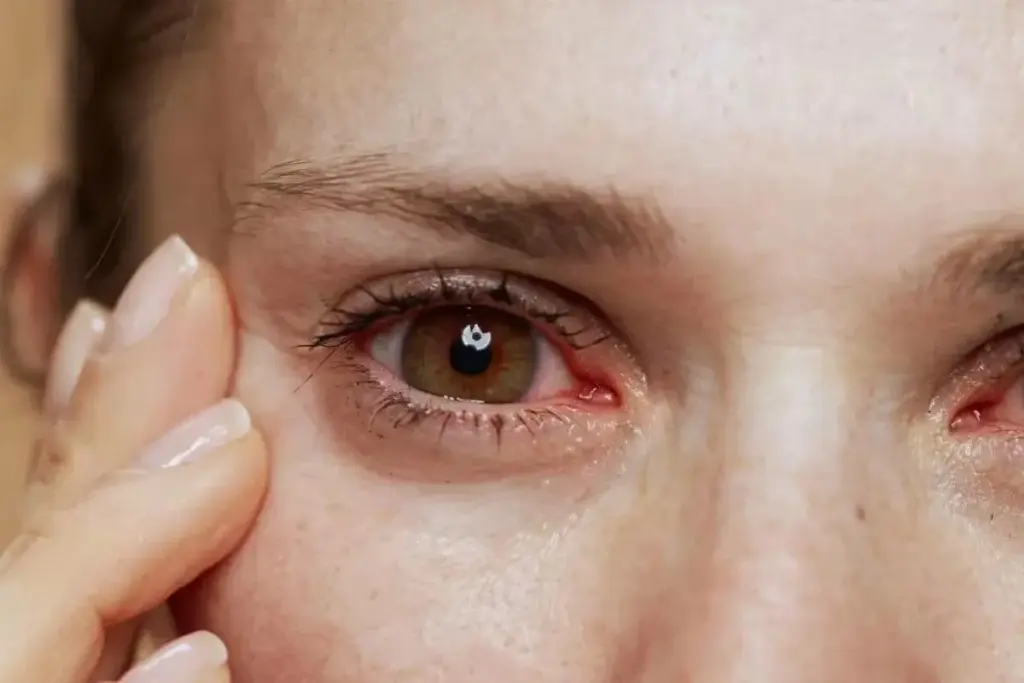
Many people think dry eye syndrome hits both eyes the same. But, it’s not that simple. Feeling dry in just one eye can be confusing and uncomfortable.
Yes, you can have dry eye in just one eye. This is called unilateral or asymmetrical dry eye. If your eye feels gritty, irritated, or very dry, you’re not imagining things. You’re not alone.
At Liv Hospital, we know how important it is to treat this condition. We provide top-notch eye care. Finding out why your eye is dry is the first step to feeling better.
Key Takeaways
- Dry eye can affect just one eye, known as unilateral dry eye.
- Unilateral dry eye can cause significant discomfort and irritation.
- Understanding the underlying cause is key to effective treatment.
- Liv Hospital offers complete eye care for patients with unilateral dry eye.
- Getting medical help is vital for the right diagnosis and treatment.
Understanding Single Dry Eye Syndrome
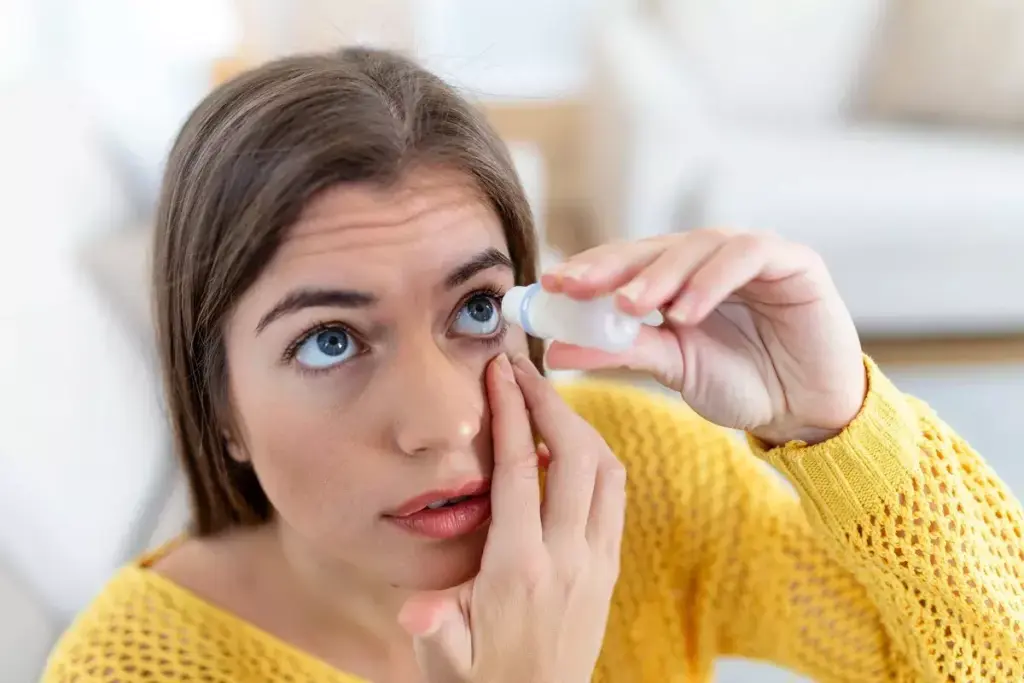
Having dry eye in just one eye is called unilateral dry eye. It happens when the eyes don’t make enough tears or when the tears dry out too fast. This can cause discomfort and vision problems.
What is Unilateral Dry Eye?
Unilateral dry eye means you have dry eye symptoms in only one eye. It can be caused by many things, like how your eye is shaped, the environment, or certain health issues.
Key characteristics of unilateral dry eye include:
- Dryness or grittiness in one eye
- Redness or irritation in the affected eye
- Blurred vision or discomfort in the dry eye
Symptoms of One-Sided Dry Eye
The symptoms of unilateral dry eye can differ but often include dryness, grittiness, redness, and blurred vision in the affected eye. Some people might also feel sensitive to light or get tired eyes.
Common symptoms to watch out for:
- Persistent dryness or grittiness
- Eye redness or irritation
- Blurred vision or eye discomfort
- Sensitivity to light
Bilateral vs. Unilateral Dry Eye
Dry eye can happen in one eye (unilateral) or both (bilateral). Bilateral dry eye is more common and can be caused by systemic conditions or environmental factors. Unilateral dry eye might be due to specific issues like anatomical differences, post-surgical complications, or certain health conditions affecting one eye.
The main differences between bilateral and unilateral dry eye are:
| Characteristics | Bilateral Dry Eye | Unilateral Dry Eye |
| Causes | Systemic conditions, environmental factors | Localized issues, anatomical differences, post-surgical complications |
| Symptoms | Both eyes affected | One eye affected |
| Treatment Approach | Often similar for both eyes | May require targeted treatment for the affected eye |
Common Causes of Dry Eye in One Eye
Many things can cause dry eye in just one eye. Knowing what these are is important for finding relief. We’ll look at why it happens and how to fix it.
Anatomical and Structural Differences
Differences in the eyes can lead to dryness in one. For example, a blocked tear duct or different eyelid shapes can mess with tear flow. Structural issues like a deviated septum can also cause dry eye in one eye.
Post-Surgical Dry Eye (LASIK and Other Procedures)
Eye surgeries, like LASIK, can cause dry eye. While LASIK is usually safe, some people get dry eyes after. The chance and how bad it is depends on the surgery and how you heal. If you have dry eye after surgery, talk to your doctor about treatment options.
Medical Conditions Affecting One Eye
Some medical issues can make one eye dry. For example, eyelid inflammation (blepharitis) can hit one eye harder. Conditions like Sjögren’s syndrome or autoimmune diseases can also cause dry eye in one eye. Knowing the cause is key to treating it.
Medication Effects and One-Sided Dryness
Some medicines can dry out your eyes, and it might be worse in one. For example, some antihistamines, decongestants, and blood pressure meds can mess with tears. If you’re on meds and have dry eye in one eye, talk to your doctor. They might find a different treatment or adjust your meds.
Diagnosing and Treating Single Dry Eye
Dealing with dry eye in just one eye is tricky. It can confuse both patients and doctors. We’ll look at how doctors figure out this condition and what treatments are available.
How Doctors Diagnose Unilateral Dry Eye
Doctors check the eye’s tear film and symptoms to diagnose dry eye in one eye. They use tests like tear production checks and eye surface evaluations. Finding the cause is key to treating it right.
Tear Film Analysis: Doctors analyze the tear film’s quality and amount. This helps spot problems with tear production or makeup.
Treatment Options for One-Sided Symptoms
Each case of dry eye in one eye needs a special plan. Here are some treatments:
- LipiFlow Thermal Pulsation Therapy: This procedure opens up the meibomian glands, making tears better.
- BlephEx Eyelid Exfoliation: It cleans the eyelids, helping the eye stay healthy.
- Punctal Plugs: These small devices block the tear ducts, keeping tears in the eye.
- Prescription Eye Drops: Medications that can lessen inflammation or boost tear production.
Prevention Strategies for At-Risk Individuals
To prevent dry eye in one eye, make lifestyle changes and take care of your eyes. Here’s what to do:
- Get regular eye exams to check your eye health.
- Use humidifiers to keep the air moist.
- Stay away from things that irritate your eyes and take breaks from screens.
- Protect your eyes from wind and dry air.
Knowing the causes and taking steps to prevent them can lower your risk of unilateral dry eye. If you do get symptoms, getting professional help is important for managing them well.
Conclusion
Dry eye in just one eye can really affect your daily life. It’s important to know that it can happen in one eye alone. This can be due to many reasons, like how your eyes are shaped or after surgery.
It’s also possible because of certain health issues. So, yes, one eye can definitely be drier than the other. Many people face this problem.
If you’re wondering why this happens, seeing an eye doctor is key. They can find out why and suggest the right treatment. If you’re feeling eye irritation or discomfort, don’t wait. Get checked out by a professional.
Getting help from an eye care expert can really make a difference. Our team is dedicated to top-notch healthcare. We want to help you understand and treat your dry eye issues.
FAQ
Can you have dry eye in only one eye?
Yes, it’s possible to have dry eye in just one eye. This is called unilateral dry eye. It happens when one eye can’t make tears or has bad tear quality.
What are the symptoms of unilateral dry eye?
Symptoms include dryness, irritation, and discomfort in the affected eye. You might also see blurred vision, light sensitivity, and feel like there’s something in your eye.
What causes dry eye in one eye?
Dry eye in one eye can be caused by many things. These include differences in eye structure, problems after surgery, certain health issues, and some medicines.
Can LASIK surgery cause dry eye in one eye?
Yes, LASIK and other eye surgeries can lead to dry eye in one eye. They can mess with the nerves that control tears, making it hard to produce them.
How is unilateral dry eye diagnosed?
Doctors diagnose unilateral dry eye with a detailed eye exam. They look at your medical history, use a slit-lamp, and test tear production and quality.
What are the treatment options for unilateral dry eye?
Treatments include artificial tears, punctal plugs, and other procedures. These help manage symptoms and boost tear production.
Can one eye be drier than the other?
Yes, one eye can be drier than the other. This is due to differences in tear production and drainage.
Why is only one eye dry in the morning?
Morning dryness in one eye can be caused by many things. These include tear evaporation at night, environmental factors, and some health issues.
How can I prevent dry eye in one eye?
To prevent dry eye in one eye, keep your eyes clean. Use artificial tears and avoid things that make dryness worse.



 Departments
 Related Videos
 Our Doctors
 News
News