
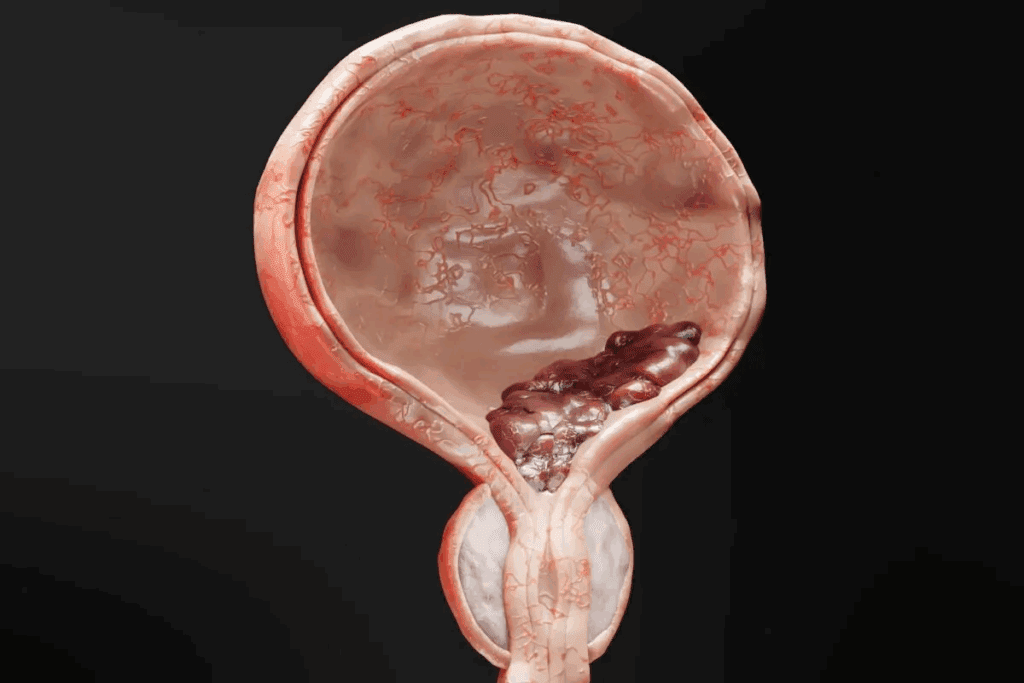
Many men worry that losing their prostate means the end of their sex life. But modern medicine shows this isn’t true. While radical prostatectomy can temporarily affect erectile function, men can regain their ability to have erections. They can also enjoy fulfilling sexual relationships without a prostate.Can you have erection without prostate? Learn how the surgical procedure impacts the nerves vital for erections and the recovery process.
The prostate isn’t needed for erections. They happen thanks to nearby nerves, blood vessels, and muscles. These can stay working after the prostate is removed. At Liv Hospital, we use the latest medical knowledge and care to help patients get back to their sex lives quickly.
Key Takeaways
- Men can regain erections and enjoy satisfying sexual relationships after prostate removal.
- Erections depend on nearby nerves, blood vessels, and muscles that can remain functional after surgery.
- Advanced surgical techniques and innovative treatment options aid in recovering sexual function.
- Liv Hospital offers cutting-edge medical expertise and patient-centered care for international patients.
- Understanding the prostate’s role in sexual health is key for men undergoing prostate removal.
Understanding the Prostate’s Role in Sexual Function
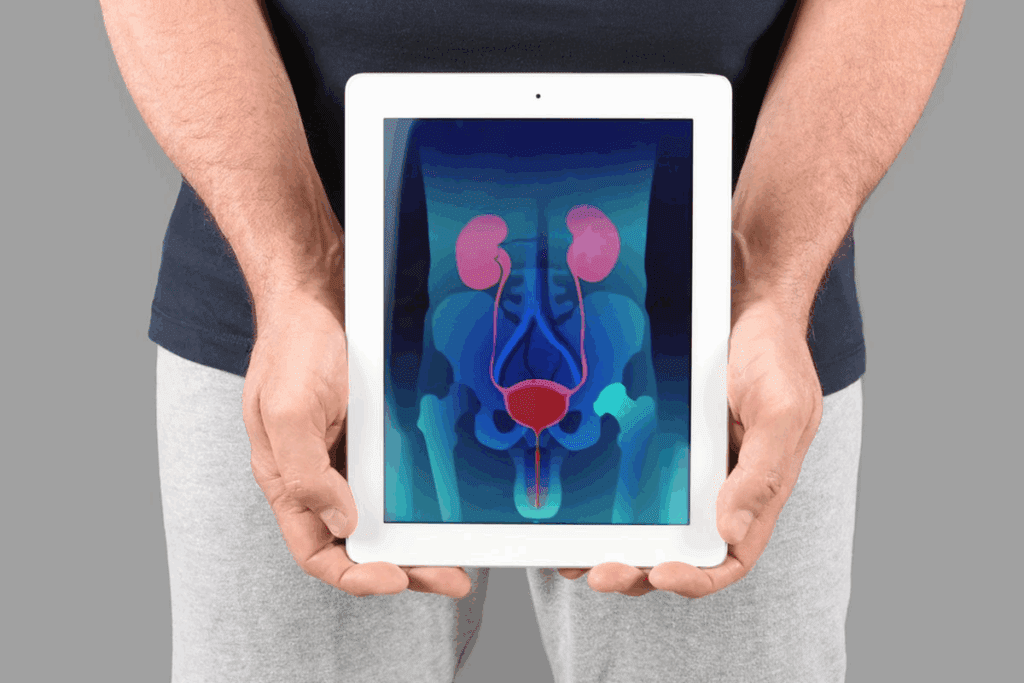
Men’s sexual health is closely tied to the prostate gland. It helps make seminal fluid. The prostate is around the urethra and is key to the male reproductive system. Even though it doesn’t directly cause erections, removing it can affect sexual function. This is because of its close connection to nerves and blood vessels needed for erections.
What Does the Prostate Do?
The prostate gland makes most of the seminal fluid. This fluid helps sperm during ejaculation. It’s mixed with sperm from the testicles and fluids from other glands to make semen. The prostate’s fluids are vital for sperm health.
Key Functions of the Prostate:
- Produces seminal fluid
- Stores and secretes enzymes and hormones
- Surrounds the urethra, aiding in urine control
How the Prostate Relates to Erections
The prostate itself doesn’t cause erections. But, its location near nerves and blood vessels is important for sexual health. When doing prostate surgery, it’s key to keep these nerves safe. This helps keep erectile function after the surgery.
“The proximity of the prostate to critical nerves and vessels means that any surgery in this area must be performed with great care to avoid damage that could lead to erectile dysfunction.”
Aspect | Description | Impact on Sexual Function |
Prostate Function | Produces seminal fluid, stores enzymes and hormones | Affects ejaculation and sperm health |
Prostate Location | Surrounds the urethra, near nerves and vessels | Influences erectile function and urinary control |
Surgical Considerations | Nerve-sparing techniques during prostate removal | Crucial for maintaining erectile function post-surgery |
It’s important for men to understand the prostate’s role in sexual health before surgery. The link between the prostate and erections is complex. To protect sexual health, careful planning and consideration are needed.
Can You Have an Erection Without a Prostate
It’s important for men to understand how prostate surgery affects erections. The prostate gland is key to male sexual health. But, removing it doesn’t mean a man can’t have an erection.
The Short Answer: Yes
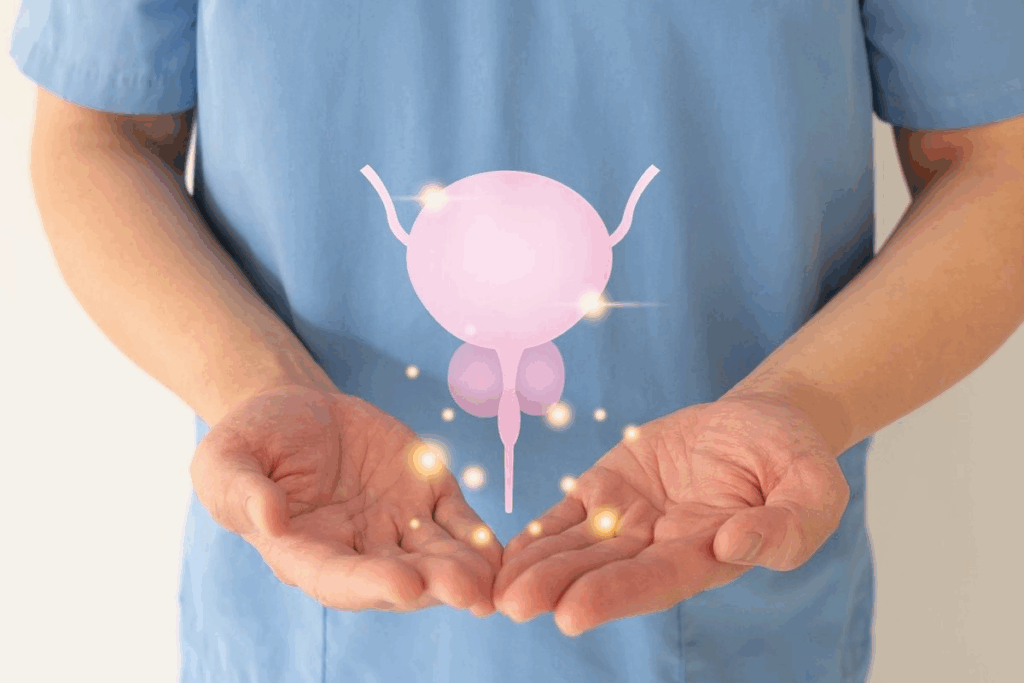
Yes, men can have an erection without a prostate. The prostate gland is part of sexual function, but it’s not the only factor. Thanks to medical research and new surgical methods, men can keep or regain their ability to have erections after prostate removal.
The Science Behind Erections
Erections are mainly controlled by nerves and blood vessels around the prostate. During a radical prostatectomy, surgeons try to save these nerves to keep erectile function. This involves complex processes like neurotransmitter release and blood vessel dilation, which bring blood to the penis for an erection.
Nerve-sparing techniques in some surgeries help men keep their erectile function. These methods aim to protect the nerves needed for erections, boosting the chances of regaining them after surgery.
What Medical Research Shows
Research shows that while many men face erectile issues after prostate surgery, many regain function with the right treatment. About 85 percent of men experience temporary erectile dysfunction after radical prostatectomy. But, with new nerve-sparing surgeries and care, many men can recover their ability to have erections.
Studies highlight that age, pre-surgery erectile function, and the surgeon’s skill are key to recovery. Penile rehabilitation programs, which include medication and other treatments, also help men regain their erectile function.
Prostate Removal Surgery: What to Expect
Thinking about prostate removal surgery? It’s key to know what it involves. This surgery, or prostatectomy, removes the prostate gland. It’s often needed for prostate cancer or other prostate issues.
Preparation for prostate removal surgery is important. Knowing the surgery types and techniques helps men feel ready.
Types of Prostate Surgeries
There are two main prostatectomy surgeries: radical and simple. Radical prostatectomy removes the prostate, seminal vesicles, and some tissue. It’s mainly for prostate cancer. Simple prostatectomy just removes the prostate gland. It helps with an enlarged prostate.
Surgery Type | Description | Primary Use |
Radical Prostatectomy | Removal of prostate gland, seminal vesicles, and surrounding tissue | Prostate Cancer Treatment |
Simple Prostatectomy | Removal of the prostate gland | Relieving symptoms of enlarged prostate |
Nerve-Sparing vs. Standard Techniques
Nerve-sparing techniques are key in modern prostate surgery. They aim to keep erectile function. Nerve-sparing prostatectomy greatly improves outcomes for men.
Modern nerve-sparing techniques have greatly improved results. They help men keep their sexual function after surgery.
Preparing for Surgery
Preparing for prostate surgery involves several steps. Men should stop certain medications and undergo health tests. It’s also important to talk to their healthcare provider about any concerns.
Knowing what to expect after surgery is vital. Men should arrange for a ride home and have support during recovery.
Immediate Effects on Erectile Function After Surgery
Prostate surgery can worry many men about their sex life. The surgery, called prostatectomy, can affect how men have sex. This is because it’s a complex procedure.
Nerve Damage During Surgery
Nerve damage is a big reason for erectile problems after surgery. The nerves that help men get an erection are very delicate. They can get hurt during surgery, causing trouble with erections.
About 85% of men face temporary erectile issues after surgery. This usually happens because of nerve damage. It messes with how erections work.
Why 85% Experience Temporary Erectile Dysfunction
Many men face erectile problems after surgery for a few reasons:
- Nerve damage or trauma during surgery
- Swelling and inflammation after surgery
- Changes in blood flow and how blood vessels work
Knowing these reasons helps men prepare and start recovery early.
What to Expect in the First Weeks
In the first weeks after surgery, men might notice changes in their erections. It’s important to remember:
“Erectile dysfunction after prostate surgery is common. But, with the right help and treatment, many men can get their sex life back on track.”
Starting treatment and making lifestyle changes early can help a lot. It’s key for getting better.
Talking to your doctor is a good first step. They can guide you on the best way to recover.
The Recovery Timeline for Erectile Function
Recovering erectile function after prostate surgery is complex. It depends on the surgery type, the patient’s health, and their pre-surgery function.
Knowing the recovery timeline is key for men after prostate surgery. It helps set realistic goals and guides the healing process.
First 3 Months After Surgery
In the first three months, many men face erectile dysfunction. This is due to nerve and tissue damage from surgery.
It’s vital to start a penile rehabilitation program early. Healthcare providers can recommend the best one for you.
6-12 Months Post-Surgery
Between 6 to 12 months, erectile function starts to improve. Studies show a 40-50% recovery rate in this time.
Using nerve-sparing techniques during surgery helps. It can lead to better erectile function recovery.
Time Post-Surgery | Recovery Rate | Influencing Factors |
0-3 Months | Minimal | Nerve trauma, surgical technique |
6-12 Months | 40-50% | Nerve-sparing techniques, overall health |
1-2 Years | 30-60% | Pre-surgery erectile function, rehabilitation programs |
Long-Term Recovery
Up to 2 years after surgery, 30-60% of men fully recover. This is more common in those who had nerve-sparing surgery.
It’s important to keep up with rehabilitation and talk to your doctor. This can help improve your recovery.
By one year, most men with intact nerves see big improvements. This shows how critical it is to preserve nerve function during surgery.
Factors That Influence Erectile Function Recovery
Recovering erectile function after prostate surgery varies a lot among people. Knowing what affects this recovery is key. It helps manage hopes and make smart choices about treatment.
Age and Pre-Surgery Function
Age is a big factor in recovering erectile function. Younger men usually do better than older ones. How well you could get an erection before surgery also matters a lot.
Men under 60 with strong erections before surgery are more likely to get them back. This is because they often have fewer health problems and better blood flow, which helps with erections.
Surgical Technique and Surgeon Expertise
The surgery method and the surgeon’s skill are very important. Nerve-sparing techniques aim to keep nerves around the prostate that help with erections.
Having a skilled surgeon makes a big difference. They have better results in keeping erectile function. Studies show that surgeons who do many surgeries do better at preserving nerves.
Surgical Technique | Recovery Rate | Nerve Damage Risk |
Nerve-Sparing | 60-80% | Low |
Standard | 30-50% | Moderate |
Robotic-Assisted | 50-70% | Low to Moderate |
Overall Health and Lifestyle Factors
Health and lifestyle also affect recovery. Conditions like diabetes, high blood pressure, and obesity can harm recovery by affecting blood flow.
Choices like smoking and exercise levels also matter. Non-smokers who exercise regularly tend to recover better. We suggest a healthy lifestyle to boost recovery chances.
Key Lifestyle Factors:
- Regular Exercise
- Balanced Diet
- Avoiding Smoking
- Moderate Alcohol Consumption
Understanding and tackling these factors can help patients improve their recovery. This way, they can have a better chance of getting their erections back after surgery.
Orgasm and Sexual Pleasure Without a Prostate
Removing the prostate gland can change a man’s sex life. But, it doesn’t mean he can’t have an orgasm. Men can have “dry orgasms” without the prostate, feeling the orgasm without semen.
Understanding “Dry Orgasms”
A “dry orgasm” is when a man feels an orgasm without semen. This happens often after prostate surgery. The surgery removes the prostate and seminal vesicles, which make semen.
Men might feel their orgasms differently after surgery. Some say it’s less intense, while others find it more pleasurable.
Changes in Sensation and Pleasure
Removing the prostate can change how men feel during orgasm. Some might feel less intense orgasms. Others might not notice much of a change.
How much it changes depends on the surgery, the man’s health, and his sex life. It’s key to remember that sex can change, but it doesn’t mean it’s over.
Adapting to New Sexual Experiences
Adjusting to new sex experiences after prostate surgery takes time. It’s important to talk openly with your partner. You might need to try new things to find pleasure.
Seeking help is also important. Doctors can help with erectile issues and improving sex life after surgery.
Treatment Options for Erectile Dysfunction After Prostate Surgery
Men often face erectile dysfunction after prostate surgery. But, there are many treatment options available. Advances in medical technology and treatment strategies offer hope for regaining erectile function.
Medication Options (PDE5 Inhibitors)
PDE5 inhibitors are a common treatment for erectile dysfunction after prostate surgery. These include sildenafil (Viagra), tadalafil (Cialis), and vardenafil (Levitra). They work by increasing blood flow to the penis.
Effectiveness of PDE5 Inhibitors: Studies show PDE5 inhibitors can help men with erectile dysfunction after prostate surgery. But, their success depends on nerve damage during surgery and overall health.
Medical Devices and Interventions
For those who don’t respond to PDE5 inhibitors or prefer not to use them, other options exist. These include vacuum erection devices (VEDs), penile implants, and injections.
- Vacuum Erection Devices (VEDs): VEDs use a vacuum to draw blood into the penis, causing an erection. They are safe but need proper use to avoid injury.
- Penile Implants: Penile implants are surgically implanted devices for a permanent solution. There are inflatable and semi-rigid types.
- Penile Injections: Some men get injections of medications directly into the penis for an erection. These are effective but can have side effects.
Treatment Option | Description | Effectiveness |
PDE5 Inhibitors | Oral medications that enhance blood flow to the penis | Variable, based on nerve damage and health |
Vacuum Erection Devices | Non-invasive devices using vacuum to induce erection | Safe, requires proper use |
Penile Implants | Surgically implanted devices for erectile dysfunction | High satisfaction rates, but invasive |
Penile Rehabilitation Programs
Penile rehabilitation programs combine treatments to restore erectile function after prostate surgery. These programs include PDE5 inhibitors, vacuum erection devices, and other interventions. They aim to promote penile health and restore erectile function.
These programs are customized to meet individual needs and health status. They aim to maximize the chances of regaining natural erectile function. By using different treatments, penile rehabilitation programs offer a holistic approach to addressing erectile dysfunction post-prostatectomy.
Intimacy and Relationships After Prostate Removal
Prostate removal can change how couples feel close. It’s key for them to understand and deal with these changes together. The surgery’s effects go beyond the person, touching their relationship deeply.
Effective Communication Strategies With Partners
Talking openly is vital for keeping closeness after prostate removal. Couples should share their feelings, worries, and hopes freely. Effective communication strategies include:
- Regular talks about intimacy and sexual health
- Listening well to each other’s needs and feelings
- Talking about desires and concerns without fear
Exploring Alternative Forms of Intimacy
Intimacy isn’t just about sex. Couples can find other ways to stay close and happy. Some alternatives include:
- Enjoying sensual touch and massage
- Spending time together, like going on dates or trying new things
- Being emotionally close through shared moments and deep talks
When to Seek Couples Counseling
Some couples might need help after prostate removal. Signs that couples counseling may be beneficial include:
- Stuck in communication problems
- Struggling to adjust to intimacy changes
- Feeling alone or disconnected
Going to couples counseling can offer a safe place to work through these issues. A professional can guide them.
Conclusion: Living a Fulfilling Sexual Life Without a Prostate
Men can keep a fulfilling sexual life after prostate removal with the right help and treatments. Advances in surgery and care help many men regain their sexual health. They can then enjoy a fulfilling sexual life.
Understanding the changes after prostate removal surgery is key. Men can start their recovery by acknowledging these changes and exploring treatment options. This is the first step towards healing.
Sexual health after prostate surgery is very important. We stress the need for complete care. This includes nerve-sparing surgery, penile rehabilitation, and talking openly with partners.
Combining medical support with lifestyle changes and emotional care helps men face prostate removal challenges. This approach helps them regain confidence and intimacy. It ensures a positive outcome after surgery.
FAQ
Can a man have an erection without a prostate?
Yes, a man can have an erection without a prostate. The prostate helps with sex, but removing it doesn’t mean no more erections.
How does prostate removal surgery affect erectile function?
Surgery to remove the prostate can affect erections. The impact depends on the surgery method and the person. Techniques that spare nerves can help keep erections.
What is a “dry orgasm”?
A “dry orgasm” is when a man has an orgasm without ejaculating. This can happen after prostate surgery. It’s because the parts that make seminal fluid are removed or changed.
Can you stil have sex without a prostate?
Yes, men can have sex without a prostate. Losing the prostate doesn’t mean the end of sex. Many men keep a fulfilling sex life after surgery.
What are the treatment options for erectile dysfunction after prostate surgery?
Treatments for erectile dysfunction after surgery include medicines, devices, and programs. The best treatment depends on the person and should be talked about with a doctor.
How long does it take to recover erectile function after prostate surgery?
Recovery time for erections after surgery varies. Most men see some improvement in 6-12 months. Full recovery can take up to 2 years or more.
Can you ejaculate without a prostate?
No, men usually can’t ejaculate the same way after prostate surgery. The prostate and seminal vesicles are removed or changed. But, some men may have a “dry orgasm.”
How can I prepare for prostate surgery to optimize outcomes?
To prepare for surgery, talk to your doctor about your health and risks. Eating well and exercising can also help with recovery.
What are nerve-sparing techniques in prostate surgery?
Nerve-sparing techniques aim to keep nerves around the prostate intact. These nerves are key for erections. These methods can reduce surgery’s impact on erections.
How can couples maintain intimacy after prostate removal surgery?
Couples can keep intimacy by talking openly about their needs. Exploring new ways to be close and seeking counseling can also help.
References
- Naber, K. G. (2000). Treatment options for acute uncomplicated cystitis in adults. Journal of Antimicrobial Chemotherapy, 46(Suppl. S1), 23–27. https://www.researchgate.net/publication/12274297_Treatment_options_for_acute_uncomplicated_cystitis_in_adults