We often worry about children’s health, like when they have high blood sugar or hyperglycemia. It’s important to know that high blood sugar isn’t just for people with diabetes. Children can have it even if they don’t have diabetes.

This situation is called prediabetes. The CDC says about 18% of U.S. adolescents aged 12 to 18 have prediabetes. This is a type of non-diabetic hyperglycemia. We’ll look into why this happens and what it means.Can you have hyperglycemia without diabetes? Discover the causes of high blood sugar in kids and when it may not mean diabetes.
It’s key to understand high blood sugar in nondiabetic kids. We’ll talk about why it happens and how to handle it. This is to keep their health safe for the future.
Key Takeaways
- Prediabetes is when kids have high blood sugar but aren’t diabetic.
- About 18% of U.S. adolescents aged 12 to 18 have prediabetes.
- It’s important to catch and manage prediabetes early to avoid health problems later.
- Changing lifestyle habits can help manage prediabetes in kids.
- Knowing about prediabetes risks is vital for parents and caregivers.
Understanding Pediatric Blood Sugar Levels
Keeping a child’s blood sugar levels in check is key to their health. It’s important to know when these levels get out of balance. Blood sugar levels in kids can change due to their age, diet, and health.

Picture background
Normal Blood Sugar Ranges for Children
Children’s blood sugar levels should be between 70 to 100 mg/dL when they haven’t eaten for a while. After eating, levels can go up, but should not be over 140 mg/dL. Keeping these levels in check helps kids stay energetic and healthy.
Monitoring blood sugar is very important for kids at risk. This includes those who are overweight, have a family history of diabetes, or have certain health issues. We must watch for signs of abnormal blood sugar levels.
When Blood Sugar Becomes “High” in Children
High blood sugar, or hyperglycemia, happens when levels are too high. In kids, it can be caused by obesity, being overweight in the middle, certain genes, or getting sick quickly. Research shows that high blood sugar is common in sick kids in emergency rooms and can lead to higher death rates.
It’s vital to understand why kids get high blood sugar. We’ll dive into the reasons, highlighting the need for early detection and treatment. This is to avoid serious health problems later on.
Prediabetes in Children: A Growing Concern
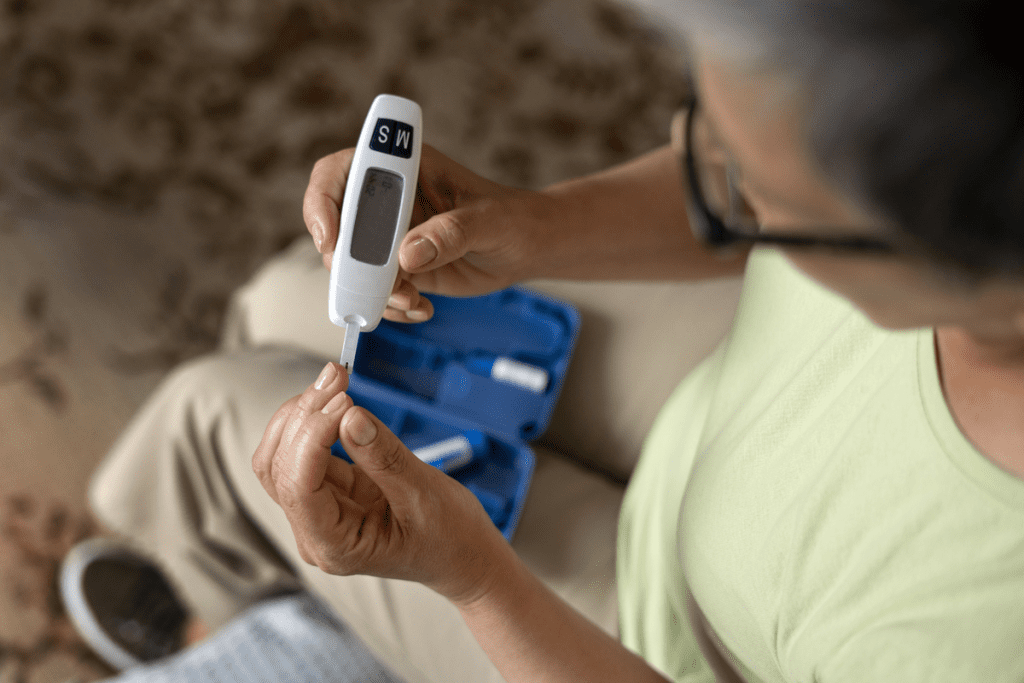
Prediabetes is a big worry in kids’ health that we need to talk about. It means blood sugar is higher than normal but not at a diabetic level. The Centers for Disease Control and Prevention (CDC) has shared data that shows how common it is in teens. This is a big public health issue.
Picture background
What CDC Data Reveals About Adolescent Prediabetes
The CDC found that about 18% of U.S. teens, aged 12 to 18, have prediabetes. This is very worrying. Prediabetes is not just for adults; it’s also found in kids. We need to find it early and act fast.
The CDC’s data also shows that kids with prediabetes might face serious health problems later. These include type 2 diabetes and heart disease. Knowing the signs and risk factors is key to helping them.
The Gap Between Prediabetes and Diabetes Diagnosis
There’s a big gap between being told you have prediabetes and getting diabetes. Prediabetes means you’re at higher risk, but it’s not a sure thing. It’s a warning sign that means you need to take action.
- Early Detection: Finding prediabetes early can help prevent diabetes.
- Lifestyle Interventions: Eating right, being active, and managing weight can lower diabetes risk.
- Monitoring and Support: Keeping an eye on blood sugar and getting help from doctors is key.
Understanding prediabetes and acting early can help prevent diabetes in kids. It’s a tough problem that needs a team effort. We need education, lifestyle changes, and doctors’ care.
Can You Have Hyperglycemia Without Diabetes?
Diabetes is a known cause of high blood sugar, but it’s not the only one. People without diabetes can also have high blood sugar for different reasons. We’ll look at the differences between short-term and long-term high blood sugar. We’ll also see how it’s different from diabetes.
Temporary vs. Chronic Hyperglycemia
There are two types of high blood sugar: temporary and chronic. Temporary high blood sugar can happen due to stress, some medicines, or sudden illnesses. For example, when you get sick, your body’s stress response can raise your blood sugar. But once you get better, your blood sugar usually goes back to normal.
Chronic high blood sugar, on the other hand, lasts a long time. It can be a sign of a deeper metabolic problem.
Key differences between temporary and chronic hyperglycemia include:
- Duration: Temporary high blood sugar doesn’t last long, while chronic high blood sugar does.
- Causes: Temporary high blood sugar is usually due to quick changes, while chronic high blood sugar is from ongoing issues.
- Impact: Chronic high blood sugar can harm your body over time, affecting organs and tissues.
How Non-Diabetic Hyperglycemia Differs from Diabetes
Non-diabetic high blood sugar is different from diabetes in many ways. Unlike diabetes, where the body can’t make or use insulin well, non-diabetic high blood sugar isn’t caused by insulin problems. It’s often due to outside or short-term factors.
The goal in managing non-diabetic high blood sugar is to fix the cause. This might mean treating an infection, changing medicines, or making lifestyle changes to help your body handle sugar better. Diabetes, on the other hand, requires ongoing treatment, lifestyle changes, and blood sugar checks to keep it under control.
5 Common Causes of High Blood Sugar in Non-Diabetic Children
High blood sugar in kids who don’t have diabetes can come from certain reasons. Knowing these causes helps in managing and stopping high blood sugar in children. We will look at the main factors that lead to high blood sugar in non-diabetic kids.
Obesity and Central Adiposity
One big reason for high blood sugar in kids is being overweight, mainly around the belly. Too much fat around the belly can make it hard for the body to use insulin well. This leads to higher blood sugar levels.
Genetic Factors and Family History
Genetics and family history also matter a lot. Kids with a family history of diabetes or other metabolic issues are more likely to have high blood sugar. This is because they might have a genetic risk.
Acute Illness and Infections
Being sick or having an infection can also cause high blood sugar in kids. When the body fights off an infection, it makes stress hormones like cortisol. These hormones can increase blood sugar levels. Sometimes, infections can even cause hyperglycemia in kids who don’t have diabetes.
Medication Side Effects
Some medicines can also raise blood sugar as a side effect. For example, corticosteroids used for inflammation can increase blood sugar. It’s important for parents and doctors to keep an eye on blood sugar in kids taking these medicines.
In summary, high blood sugar in kids without diabetes can come from many sources. These include being overweight, genetic risks, being sick, and some medicines. Knowing these reasons helps in preventing and managing high blood sugar in children.
Risk Factors and Reversibility of Pediatric Hyperglycemia
Hyperglycemia in children is a complex issue. It’s influenced by race/ethnicity and lifestyle choices. Knowing these factors helps spot problems early and prevent worse conditions like diabetes.
The Role of Race/Ethnicity in Blood Sugar Regulation
Research shows race and ethnicity affect blood sugar in kids. Some groups face a higher risk of hyperglycemia due to genetics. For example, Hispanic and African American kids are more likely to have high blood sugar than white kids.
Lifestyle Factors That Increase Risk
Lifestyle choices, like diet and exercise, also play a big role. Eating too much processed food and sugar, and not moving enough, can cause insulin resistance. This is a step towards hyperglycemia. Eating well and staying active can help avoid this.
Encouraging Statistics on Reversibility Without Intervention
Research shows many kids with prediabetes can get their blood sugar back to normal quickly. Between 22% to 52% of kids with prediabetes can get their blood sugar back to normal in 6 to 24 months. This shows how important early action and lifestyle changes are.
Healthcare providers and parents can work together to stop hyperglycemia in kids. By focusing on lifestyle changes and acting early, we can manage and even reverse hyperglycemia in kids.
Conclusion: Multidisciplinary Approaches to Prevention and Management
Managing and preventing hyperglycemia in children needs a full plan. This plan includes lifestyle changes, medical help, and ways to prevent it. At LivHospital, we support a team effort to help kids at risk of hyperglycemia.
Research shows that a detailed plan is key for managing non diabetic hyperglycemia. This plan includes eating right, moving more, and checking blood sugar often. Knowing why hyperglycemia happens helps us improve kids’ health.
At LivHospital, we have a team ready to help. They work together to give each child the care they need. We aim to provide top-notch healthcare that focuses on prevention and ethics, ensuring kids get the best care possible.
FAQ
What is considered a normal blood sugar level for children?
Can a child have high blood sugar without being diabetic?
What are the common causes of high blood sugar in non-diabetic children?
How does obesity contribute to high blood sugar in children?
Can stress cause high blood sugar in non-diabetic children?
What is prediabetes, and how is it different from diabetes?
Are there any lifestyle factors that can increase the risk of hyperglycemia in children?
Can non-diabetic hyperglycemia be managed or reversed?
How can parents identify if their child is at risk for hyperglycemia?
What role does genetics play in the development of hyperglycemia in children?
References
- Fattorusso, V., Nugnes, R., Casertano, A., Valerio, G., Mozzillo, E., & Franzese, A. (2018). Non-diabetic hyperglycemia in the pediatric age: Why, how, and when to treat? Current Diabetes Reports, 18(140). Retrieved from https://link.springer.com/article/10.1007/s11892-018-1115-0
- Argyropoulos, T., et al. (2021). Stress hyperglycemia in children and adolescents as a prognostic factor: A systematic review. Frontiers in Pediatrics. Retrieved from https://www.ncbi.nlm.nih.gov/pmc/articles/PMC8107212/