

Kidney stones are common, affecting about 5 to 10 percent of people worldwide. Recent studies have found a link between sexual activity and kidney stone passage. They suggest that regular sex might help ease the pain of kidney stones.
Research shows that having sexual intercourse 3 to 4 times per week can help pass small stones in the ureter. At LivHospital, we focus on the latest research to help our patients with kidney stones.
Key Takeaways
- Regular sexual activity may help alleviate kidney stone discomfort.
- Studies show that sexual intercourse 3-4 times a week can improve kidney stone passage.
- Distal ureteral stones measuring 6mm or less are more likely to pass with regular sexual activity.
- Liv Hospital provides comprehensive care for patients with kidney stones.
- Evidence-based insights are key for effective kidney stone management.
Understanding Kidney Stones: The Basics
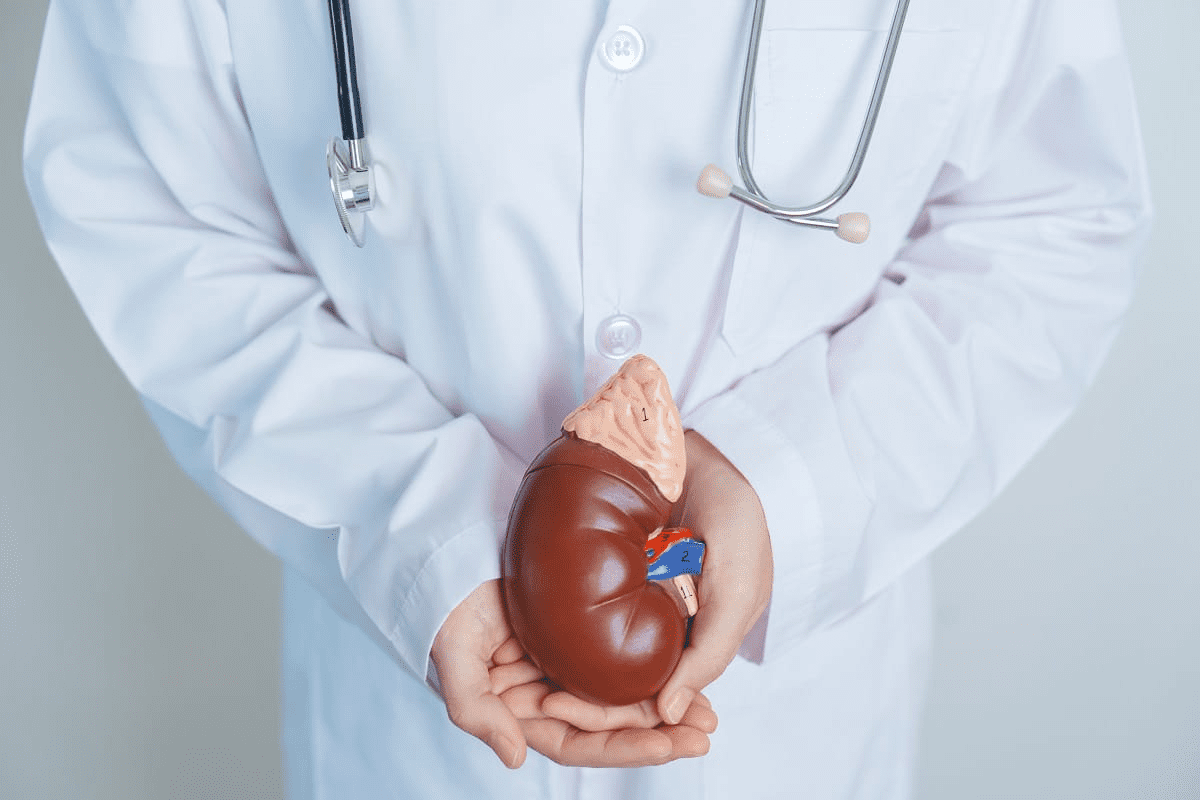
Kidney stones, also known as renal calculi, are hard deposits that form inside the kidneys. They can cause severe pain. These stones are made of minerals and salts and can vary in size, from as small as a grain of sand to as large as a pea or even a golf ball.
What Are Kidney Stones and How Do They Form?
Kidney stones form when there is an imbalance in the composition of urine. This imbalance leads to the crystallization of minerals. Factors like dehydration, diet, and genetic predisposition can influence this process. Dehydration concentrates the minerals in the urine, increasing the risk of stone formation.
The most common type of kidney stone is the calcium oxalate stone. It is often associated with a diet high in oxalate-rich foods. Other types include uric acid stones, struvite stones, and cystine stones, each with different underlying causes.
Common Symptoms and Diagnostic Methods
The symptoms of kidney stones can vary. They include severe pain in the back or side, nausea and vomiting, and difficulty urinating. In some cases, the pain can be so severe that it radiates to the lower abdomen or groin.
Diagnosing kidney stones involves a combination of imaging tests, such as CT scans or X-rays, and urine analysis to check for blood or infection. Understanding these diagnostic methods is key to identifying the presence and type of kidney stone.
“The diagnosis of kidney stones is mainly based on clinical presentation and imaging studies. A non-contrast CT scan is the gold standard for diagnosing kidney stones due to its high sensitivity and specificity.”
Global Prevalence and Risk Factors
Kidney stones are a significant health issue worldwide, affecting millions of people. The global prevalence of kidney stones has been increasing. This is due to factors such as obesity, dietary changes, and climate change. Understanding these risk factors is essential for prevention and management.
Risk factors for developing kidney stones include a family history of stones, certain dietary habits, and underlying medical conditions such as hyperparathyroidism. Recognizing these risk factors can help individuals take preventive measures.
The Relationship Between Sexual Activity and Kidney Stones
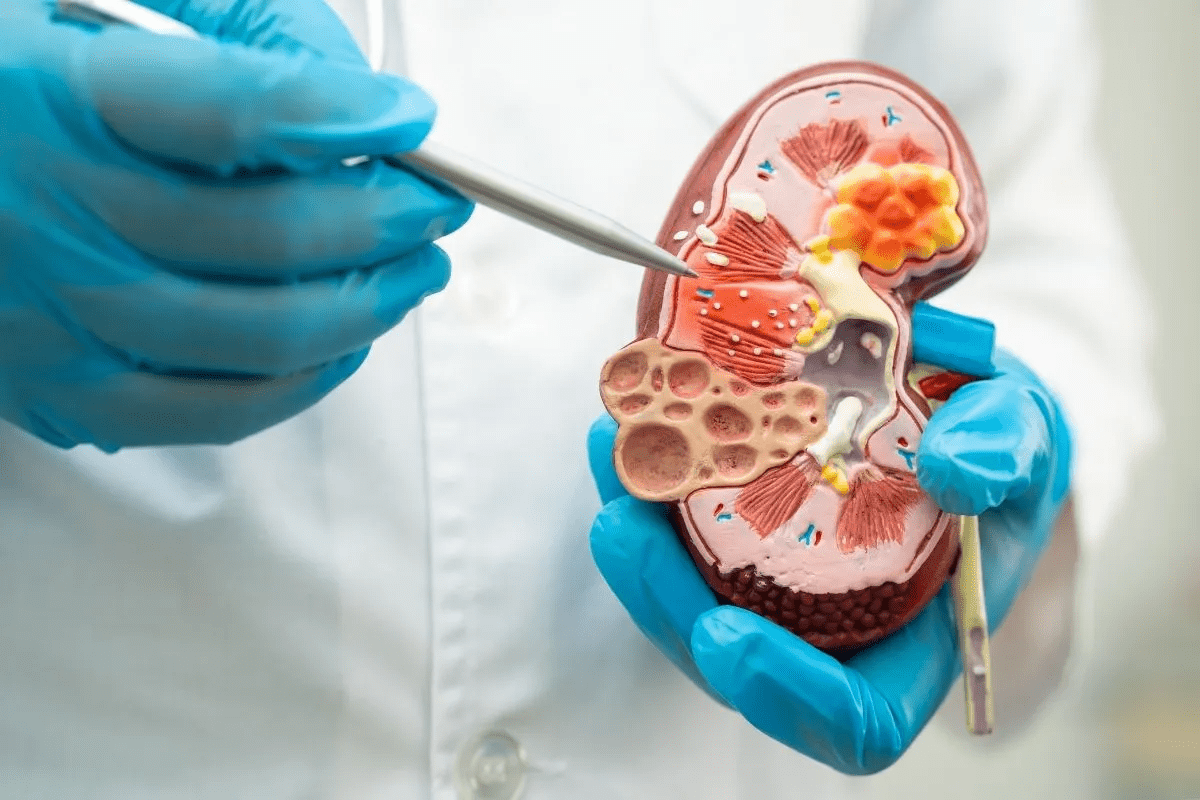
For a long time, people have noticed a link between sex and kidney stones. New studies are now explaining how this works. It’s important to understand this link to help treat kidney stones better.
Historical Perspectives on Sex and Urological Health
Long ago, people thought sex could affect health, including the urinary tract. Ancient civilizations believed this, even if they didn’t have science to back it up. Their ideas helped start research into how sex affects health.
Later, doctors noticed sex might help move kidney stones. This led to more studies to figure out why and how it works.
Recent Medical Research Findings
New studies have given us insights into sex and kidney stones. They found that sex can help move kidney stones, mainly those in the lower part of the ureter. This is good news because it’s a natural way to help stones pass without surgery.
A study in a well-known medical journal showed sex helps stones pass faster. It also found that sex increases the chance of passing a stone. This means sex could be a helpful addition to usual treatments for kidney stones.
The Surprising Connection Between Sexual Activity and Stone Passage
There are many reasons why sex helps move kidney stones. Orgasm and other changes during sex can help stones move. Nitric oxide release and changes in pressure in the ureter are thought to play a role.
This connection is important. It gives patients more ways to manage kidney stones. It also shows that treating the whole person is key when planning treatment.
Can You Have Sex With Kidney Stones?
Many people wonder if it’s safe to have sex with kidney stones. These stones can cause a lot of pain, making it hard to enjoy intimate moments.
Safety Considerations During Active Stone Passage
It’s important to think about safety when you have kidney stones. Certain positions may make the pain worse. So, it’s key to listen to your body and avoid positions that hurt.
When the stone is moving, the main worry is more pain. Sex could make things worse if you’re not careful. Always talk to your partner about how you’re feeling.
Pain Management Strategies During Intimacy
It’s vital to manage pain during sex with kidney stones. There are ways to make it more comfortable. Try different positions and take breaks to check how you’re feeling.
Talking openly with your partner about your pain can make things better. Also, always follow your doctor’s advice on managing pain.
When to Avoid Sexual Activity With Kidney Stones
There are times when you should not have sex with kidney stones. If you’re in severe pain, nausea, or vomiting, it’s best to wait until these symptoms go away.
Also, if you’ve had problems with kidney stones before or have signs of infection like fever or chills, talk to a doctor first.
How Sexual Activity Helps Pass Kidney Stones
We look into how sex can help pass kidney stones, backed by science. Recent studies have uncovered how sex aids in stone expulsion.
The Science Behind Stone Expulsion
The process of stone expulsion is complex. Sexual activity triggers reactions that help pass kidney stones. These reactions include the release of certain chemicals during arousal and orgasm.
Nitric Oxide Release and Ureteral Muscle Relaxation
Nitric oxide is released during sexual arousal. It relaxes the smooth muscles in the ureter. This makes it easier for stones to pass through. Nitric oxide reduces pain and discomfort during stone passage.
Orgasm, Ejaculation, and Bladder Neck Contractions
Orgasm and ejaculation cause bladder neck and pelvic floor muscle contractions. These contractions help push the stone down. These muscle contractions during orgasm can help dislodge and move the stone.
Recommended Frequency for Therapeutic Effect
The exact frequency of sex for stone expulsion is not set. Regular sex is generally recommended. Studies show that frequent sex can increase stone expulsion chances by keeping the body’s responses active.
In conclusion, sex can be a helpful addition to managing kidney stones. By understanding the science behind it, people can make smart choices about sex in their treatment.
Research Evidence: Sex vs. Traditional Treatments
New studies show that sex might be as good as traditional treatments for kidney stones. This is a surprising finding. It shows that doctors are now looking into how sex affects kidney stone expulsion.
Comparative Studies on Stone Expulsion Times
Many studies have looked at how long it takes for kidney stones to pass with different treatments. Research shows that sex can make stones pass faster than medicine. One study found that stones passed in about 10 days with sex, but in 16.6 days with medicine.
Sexual Intercourse (10 days) vs. Medication Therapy (16.6 days)
The time difference between sex and medicine is big. Sex made stones pass 39% faster than medicine. This makes sex a good option for treating kidney stones.
“Sexual intercourse may be considered a useful adjunct or alternative to traditional medical therapy for the expulsion of kidney stones.”
Size Limitations: Effectiveness for Stones 6mm or Less
It’s important to know the size of the stones when thinking about sex as a treatment. Sex works best for stones 6mm or less. For bigger stones, other treatments might be better.
Limitations and Gaps in Current Research
Even though we have some good research, there’s more to learn. We need more studies to understand how sex helps with kidney stones. We also need to know the best timing and frequency for sex to work best.
As we keep looking into how sex helps with kidney stones, we see that there’s a lot more to discover. More research is needed to know its full benefits and limits.
Does Sex Help Pass Kidney Stones in Women?
Exploring the link between sex and kidney stones is key for women. Research has mainly focused on men, leaving gaps in understanding for women. This makes it important to look into how sex affects kidney stone passage in women.
Gender-Specific Research Findings
Recent studies are starting to reveal how sex can help women pass kidney stones. A study in the Journal of Urology found that sex can aid in stone passage for women. It showed that 75% of women passed their stones after sex, compared to 50% without it.
Study Group | Passed Kidney Stones Within 1 Week | Did Not Pass Kidney Stones |
Sexually Active | 75% | 25% |
Not Sexually Active | 50% | 50% |
Anatomical Considerations and Differences
Understanding the anatomical differences between men and women is vital. The female urethra is shorter and less complex than the male urethra. Yet, the physiological effects of sexual arousal and orgasm are similar, helping in stone passage.
Alternative Sexual Activities That May Help
Research has mainly looked at penetrative sex, but other activities might help too. Masturbation can trigger similar responses as intercourse, aiding in stone expulsion. Vibrators or other toys that stimulate the pelvic area might also be beneficial, though evidence is limited.
It’s important to remember that any sexual activity should be comfortable. Women with severe symptoms should talk to their healthcare provider for advice.
Potential Risks and Complications
The link between sex and kidney stones is complex. There are risks to consider. Knowing these can help you make smart health choices.
When Sexual Activity May Worsen Symptoms
Sex can sometimes make kidney stone pain worse. This is true for big stones or if there’s an infection. It’s key to watch how your body reacts and adjust as needed.
Some people feel more pain during orgasm or ejaculation. This is because of muscle contractions in the pelvic area. If pain gets worse, stop and talk to a doctor.
Signs That Require Immediate Medical Attention
Be aware of signs that mean you need to see a doctor right away. These include:
- Severe pain that doesn’t go away
- Blood in semen or urine
- Fever or chills, which could mean an infection
- Hard time urinating or not being able to at all
- Pain or burning while urinating
If you see these signs, get medical help fast. They could mean you have a serious problem.
Balancing Benefits and Risks
To safely have sex with kidney stones, weigh the benefits against the risks. Know your limits and the stone’s size and location. Always talk to a doctor for advice.
Consideration | Potential Benefit | Potential Risk |
Sexual Activity Frequency | May help pass the stone | Could make discomfort or pain worse |
Stone Size and Location | Smaller stones may pass easier | Bigger stones or certain locations may cause more problems |
Overall Health | Good health may help recovery | Health issues could make passing the stone harder |
By thinking about these points and talking to doctors, you can make good choices about sex and kidney stones.
Alternative Methods for Kidney Stone Management
Kidney stone management includes many alternative methods. These can help ease symptoms and prevent future stones. We’ll look at these methods, from medical treatments to lifestyle changes.
Medical Treatments and Medications
Medical treatments are key in managing kidney stones. Alpha-blockers help relax muscles in the ureter, making it easier to pass stones. Medications like NSAIDs or opioids are used to manage pain.
Medications that prevent stone formation are also important. For example, thiazide diuretics lower urine calcium levels, reducing the risk of calcium stones.
Dietary and Lifestyle Modifications
Dietary changes are vital in managing and preventing kidney stones. Eating less sodium and protein can help. Also, eating more citrus fruits, which are high in citrate, can prevent stones.
Changing your lifestyle, like staying healthy and active, can also help. These changes can lower your risk of getting kidney stones.
Hydration Strategies for Stone Prevention
Drinking enough water is key to preventing kidney stones. Aim to drink at least 2 liters of water a day. This helps dilute urine and lowers the risk of stone formation.
Surgical Interventions When Necessary
In some cases, surgery is needed to remove or break up stones. Shock wave lithotripsy is a non-invasive method that uses shock waves to break stones. For larger stones or when other treatments fail, ureteroscopy or percutaneous nephrolithotomy may be needed.
Surgical Procedure | Description | Indications |
Shock Wave Lithotripsy | Non-invasive procedure using shock waves to break up stones | Stones less than 2 cm in diameter |
Ureteroscopy | Direct visualization and removal of stones using a ureteroscope | Stones in the ureter or smaller stones in the kidney |
Percutaneous Nephrolithotomy | Surgical removal of stones through a small incision in the back | Large or complex stones |
Understanding these methods for managing kidney stones helps patients make informed choices. They can work with healthcare providers to create a personalized treatment plan.
Preventing Future Kidney Stones
Preventing kidney stones involves diet, lifestyle changes, and regular health checks. By following these steps, you can lower your risk of getting kidney stones in the future.
Dietary Recommendations for Stone Prevention
Drinking enough water is key to preventing kidney stones. It helps dilute your urine, making it less likely for minerals to form stones. Also, eating less sodium is good because high sodium levels can lead to more calcium in your urine.
Eating a balanced diet with lots of fruits, vegetables, and whole grains is also important. Foods high in oxalate, like spinach and beets, should be eaten in small amounts if you’re prone to calcium oxalate stones.
Lifestyle Changes That Reduce Risk
There are many lifestyle changes that can help prevent kidney stones. Keeping a healthy weight and staying active are good for your overall health and can lower your risk of stones.
It’s also wise to eat less animal protein. A diet high in animal protein can increase your risk of certain types of kidney stones. Avoiding too much vitamin C and D from supplements is also a good idea, as they can increase your risk of stones.
Regular Screening for High-Risk Individuals
If you’ve had kidney stones before or are at high risk, regular health checks are important. These can include urine tests and imaging to watch for stones.
People at high risk include those with a family history of kidney stones, certain genetic disorders, or conditions that affect urine production or composition.
The Role of Sexual Activity in Prevention
Sexual activity may help pass kidney stones, as discussed earlier. While its role in prevention is not fully understood, a healthy sexual lifestyle can be good for your urological health.
More research is needed to understand how sexual activity can help prevent kidney stones.
Conclusion: Making Informed Decisions About Sex and Kidney Stones
We’ve looked into how sex and kidney stones are connected. We found that sex can help pass kidney stones, but there are risks to consider.
When thinking about sex with kidney stones, weigh the good against the bad. We learned that sex can help move stones, like those 6mm or less, through the body.
It’s key to think about your health, the size and where the stones are, and talk to doctors. This way, you can make smart choices about sex and kidney stones.
Knowing how sex and kidney stones work together helps you manage your health better. It lets you use sex as part of your treatment plan when it’s safe to do so.
FAQ
.
Can you have sex when you have kidney stones?
Yes, but be careful. It’s important to think about how far along the stone is and your health. Try to avoid it when the stone is moving to avoid pain or problems.
Does ejaculation help pass kidney stones?
Yes, it might help. Studies show it can help move stones that are 6mm or less. It does this by relaxing the muscles in the ureter and speeding up the stone’s movement.
Can sex cause kidney stones?
No, sex doesn’t cause kidney stones. But, some health issues that might lead to stones aren’t related to sex.
Can I have sex with kidney stones?
Yes, but listen to your body. If you’re in pain or uncomfortable, stop. And if the pain is bad or you have other symptoms, don’t have sex and see a doctor.
Does sex help kidney stones pass?
Yes, it might. Sex, and ejaculation in particular, can help move stones through the urinary tract.
Can kidney stones be passed sexually?
Sex might help pass stones, but it’s not a sure thing. It depends on the stone’s size, where it is, and other things.
Can you pass a kidney stone while ejaculating?
Yes, it’s possible. The contractions during ejaculation might help push the stone out.
Is it safe to have intercourse while passing a kidney stone?
Generally, yes. But be careful of your pain and comfort. If it’s too much, stop and talk to your doctor.
Can sex help pass a kidney stone?
Yes, it can. Sex, and ejaculation in particular, might help move smaller stones along.
Does sex help pass kidney stones in women?
It’s not as clear for women, but sex might help. It can relax you and possibly help the stone move.
What are the risks of having sex with kidney stones?
The main risks are pain and discomfort. If the stone is big or blocking the way, it could get worse. Always watch how you feel and see a doctor if things get bad.
When should I avoid sexual activity with kidney stones?
Avoid sex if you’re in a lot of pain, having trouble peeing, or have signs of infection. Also, listen to your doctor if they say it’s not a good idea
References
Can Sexual Intercourse Be an Alternative Therapy for Distal Ureteral Stones? – https://pubmed.ncbi.nlm.nih.gov/26142575/