Sleep apnea is often called a ‘silent threat’ because its symptoms are not always obvious. Can you have sleep apnea without snoring? Learn the silent, dangerous symptoms you must know for a healthy life and expert apnea care today.
Almost 1 billion people worldwide have sleep apnea. Sadly, about 85-90% of them don’t know they have it. This is a big public health issue.
The silent symptoms of sleep apnea can be mistaken for just feeling tired or having mood swings. It’s important to spread the word about this condition.
It’s key to understand the hidden risks of sleep disorders like sleep apnea without snoring. This knowledge helps in getting diagnosed and treated on time.
Key Takeaways
- Nearly 1 billion people worldwide suffer from sleep apnea.
- 85-90% of sleep apnea cases remain undiagnosed.
- Silent symptoms can be mistaken for everyday fatigue or mood changes.
- Raising awareness is key for early detection and treatment.
- Expert care is vital for managing sleep disorders well.
Understanding Sleep Apnea: The Silent Threat to Health
Nearly a billion people worldwide are affected by sleep apnea. This condition can have serious health effects. It’s not just a sleep disorder; it impacts sleep quality and overall health.
What Exactly is Sleep Apnea?
Sleep apnea causes pauses in breathing or shallow breathing during sleep. These pauses can happen many times a night, disrupting sleep. There are different types, including obstructive sleep apnea (OSA), central sleep apnea (CSA), and complex sleep apnea syndrome.
Obstructive sleep apnea (OSA) is the most common, caused by a blockage of the airway. This is usually due to the collapse of soft tissues in the throat. Central sleep apnea (CSA) happens when the brain doesn’t send the right signals to breathing muscles.
The Global Impact: Nearly 1 Billion Affected
The global prevalence of sleep apnea is huge, with nearly 1 billion people affected, says the World Health Organization (WHO). It’s often not diagnosed, affecting many people worldwide.
|
Region |
Estimated Prevalence of Sleep Apnea |
|---|---|
|
North America |
Approximately 100 million |
|
Europe |
Around 130 million |
|
Asia-Pacific |
Estimated 400 million |
The data shows the big problem sleep apnea is worldwide. It stresses the need for more awareness and diagnosis.
Types of Sleep Apnea and Their Distinct Presentations
It’s important to know the different types of sleep apnea for diagnosis and treatment. Sleep apnea is not just one problem but several that can mess up sleep.
Obstructive Sleep Apnea (OSA)
Obstructive Sleep Apnea (OSA) is the most common type. It happens when throat muscles relax, narrowing or blocking the airway during sleep. This causes breathing to stop or become shallow, affecting sleep quality.
OSA is often linked to snoring, but not all snorers have OSA. Being overweight, having a narrow airway, and being male can increase the risk of OSA.
Central Sleep Apnea (CSA)
Central Sleep Apnea (CSA) is less common and happens when the brain can’t send the right signals to breathing muscles. It’s not caused by a blockage but by brain problems.
CSA is linked to serious health issues like heart failure or neurological disorders.
Complex Sleep Apnea Syndrome
Complex Sleep Apnea Syndrome, or mixed sleep apnea, has both OSA and CSA features. It’s harder to diagnose and treat because it has both types of apnea.
This condition needs a detailed treatment plan that covers both obstructive and central apneas.
Knowing the type of sleep apnea is key to choosing the right treatment. While some treatments work for different types, others are more specific to each condition.
The Alarming Statistics: 85-90% Remain Undiagnosed
Studies show that up to 90% of sleep apnea cases are not diagnosed. This is a big problem. It shows we need to know more about sleep apnea and its risks.
Reasons Behind the High Rate of Undiagnosed Sleep Apnea
Many things make it hard to find sleep apnea early. Not knowing about it is a big issue. Sleep apnea is not just for snorers.
It’s also hard to tell if someone has sleep apnea because its symptoms are similar to other health problems. We need better ways to test for it. This will help find more cases.
“The underdiagnosis of sleep apnea is a significant public health concern. It is vital that we improve our testing and raise awareness.”
Consequences of Delayed Diagnosis
Not treating sleep apnea can lead to serious health problems. It can cause heart disease, high blood pressure, and stroke. It also affects your metabolism, which can lead to diabetes and weight gain.
|
Health Consequence |
Description |
|---|---|
|
Cardiovascular Disease |
Increased risk of hypertension, heart disease, and stroke due to repeated interruptions in sleep patterns. |
|
Metabolic Issues |
Association with diabetes and weight gain, potentially due to the chronic sleep disruption and its impact on hormonal balances. |
|
Cognitive Impairment |
Daytime fatigue and decreased concentration can significantly impact daily functioning and productivity. |
It’s important to know about undiagnosed sleep apnea. This knowledge helps us spread awareness. It encourages people to get checked if they think they or someone they know might have it.
Can You Have Sleep Apnea Without Snoring?
Sleep apnea can happen without snoring, which is a common myth. This shows that snoring is not always a sign of sleep apnea.
Studies show that not all sleep apnea cases involve snoring. Sleep experts say that not having snoring doesn’t mean you can’t have sleep apnea.
Breaking the Snoring Myth
Many think snoring means sleep apnea, but it’s not always true. Snoring happens when the airway is partially blocked. But sleep apnea is when breathing stops or gets very shallow during sleep, with or without snoring.
Sleep apnea without snoring is more common than you might think. Research shows many people with sleep apnea don’t snore or their snoring isn’t a good sign of their condition.
Non-Snoring Sleep Apnea Variants
Sleep apnea can happen without snoring for many reasons. This includes how narrow the airway is and the person’s body shape.
For example, someone with a very narrow airway might have sleep apnea without snoring. In these cases, other symptoms are key for finding out if someone has it.
Silent Breathing Pauses: What Partners Might Notice
One important sign of sleep apnea, even without snoring, is when breathing stops. Bed partners often notice these pauses, which are a big clue.
“I had no idea my husband had sleep apnea until I noticed he would stop breathing in his sleep. It was terrifying.” – Sarah, wife of a sleep apnea patient.
These pauses happen when the airway is blocked, stopping or greatly reducing airflow. Spotting these signs is key for early diagnosis and treatment.
In short, while snoring is a common sign of sleep apnea, it’s not needed for a diagnosis. Knowing about other signs, like silent breathing pauses, can help find sleep apnea in people who don’t snore.
Morning Headaches: A Silent Warning Sign
Morning headaches might signal sleep apnea, a common issue affecting millions. People with sleep apnea often wake up with headaches. It’s important to understand this link for proper diagnosis and treatment.
The Connection Between Sleep Apnea and Head Pain
Sleep apnea causes breathing pauses during sleep, leading to poor sleep quality and low blood oxygen. These issues can cause morning headaches. Studies show that how often and how severe sleep apnea episodes are, affects headache frequency and severity.
The reasons behind headaches from sleep apnea are complex. Several factors play a role:
- Low Oxygen Levels: Sleep apnea can cause blood vessels to expand, leading to pain.
- Sleep Fragmentation: Frequent waking and disrupted sleep can trigger headaches.
- Increased Intracranial Pressure: Sleep apnea can cause pressure changes in the brain, leading to headaches.
Distinguishing Apnea-Related Headaches from Other Types
Not all morning headaches are due to sleep apnea. It’s key to tell them apart for proper care. Apnea-related headaches often have these traits:
- They happen when you wake up and get better as the day goes on.
- They are usually dull and on both sides of the head.
- They are often linked with other sleep apnea symptoms like daytime tiredness and trouble focusing.
If you wake up with frequent headaches and think they might be from sleep apnea, see a doctor. They can figure out the cause and suggest the right tests and treatments.
Cognitive Fog: When Concentration Becomes a Challenge
Cognitive fog is a lesser-known effect of sleep apnea that impacts daily life. It makes it hard to focus and remember things. Sleep apnea can really mess with how well you think.
How Sleep Apnea Affects Brain Function
Sleep apnea messes up sleep patterns, leading to broken sleep and less oxygen to the brain. This can cause inflammation and stress in the brain. It makes it hard to pay attention, remember things, and make decisions.
The brain needs good sleep to work right. Sleep apnea disrupts this, hurting brain function. It makes it tough to focus, make choices, and remember important stuff.
The Impact on Daily Performance and Productivity
Cognitive fog can really hurt how well you do things every day. It makes it hard to get work done or do well in school. Even simple tasks can seem overwhelming.
It also makes it hard to be social, keep up relationships, and enjoy hobbies. All these problems can make you feel frustrated, unmotivated, and lower your quality of life.
Memory Issues and Decision-Making Difficulties
Sleep apnea can also cause memory problems and make it hard to make decisions. Forgetting things, struggling to remember words, or having trouble deciding can happen. These issues affect how you live your day-to-day life.
These problems can have big effects over time. It’s important to treat sleep apnea to improve your brain health and function.
Emotional and Mood Changes: Depression, Irritability, and Anxiety
Sleep apnea is more than just a sleep disorder. It can cause big emotional and mood changes. These changes can deeply affect a person’s life and well-being.
The Sleep-Mood Connection
The link between sleep apnea and mood changes is complex. People with sleep apnea are more likely to have mental health issues like depression and anxiety. The sleep disruptions can make people feel more irritable and have mood swings.
Quality sleep is key to managing emotions. Without it, controlling emotions becomes harder. This shows why treating sleep apnea needs to look at both physical and mental health.
When to Suspect Sleep Apnea Behind Mood Disorders
It’s hard to tell if sleep apnea causes mood disorders. But, some signs can point to a connection. For example, if someone always feels tired, has headaches in the morning, and can’t focus, sleep apnea might be the cause.
Doctors should watch for these signs in patients with mood disorders. A detailed medical history and possibly a sleep study are needed to diagnose sleep apnea and its mental health effects.
The Vicious Cycle of Sleep Deprivation and Mental Health
Sleep apnea, sleep deprivation, and mental health issues create a cycle. Poor sleep from sleep apnea makes mental health worse. Mental health problems can also make sleep apnea symptoms worse. To break this cycle, treating both sleep apnea and mental health is essential.
Improving sleep quality, like with CPAP therapy, can help mental health. Adding mental health support, like therapy or medication, can also improve mood disorders and overall well-being.
Understanding the complex relationship between sleep apnea and mood changes is important. It helps people get the right care and break the cycle of sleep deprivation and mental health issues. This approach is vital for better sleep and mental health.
Excessive Daytime Fatigue Despite “Full” Nights of Sleep
Sleep apnea can cause excessive daytime fatigue, even after a good night’s sleep. This happens because sleep apnea interrupts breathing many times during sleep. This leads to poor sleep quality.
Studies show that many people with sleep apnea feel tired, even after sleeping a lot. About 58% of sleep apnea patients say they are very tired during the day. This shows how common this problem is.
The 58% Phenomenon: Tired After Sleeping
Feeling tired after a full night’s sleep is real, backed by research. A study on Sleep Advisor talks about sleep apnea and its symptoms. It mentions how tired people feel during the day.
Quality vs. Quantity: Why Hours in Bed Don’t Equal Rest
It’s not just how long you sleep that matters. Sleep quality is key to feeling rested. Sleep apnea messes up sleep patterns, causing broken sleep and low blood oxygen. This makes people wake up feeling tired and unrefreshed.
Focus on getting quality sleep, which means uninterrupted, restful sleep cycles. Better sleep quality can help reduce daytime tiredness.
Microsleep Episodes and Safety Concerns
Microsleep episodes are short, unwanted naps that can happen anytime. They are dangerous, as they can happen when you need to stay alert, like driving. These naps are a result of the tiredness caused by sleep apnea.
It’s important for people with sleep apnea to know about these risks. Getting the right treatment can help avoid these dangers and improve their life quality.
Silent Cardiovascular Symptoms and Risks
Sleep apnea can disrupt sleep and lead to heart problems. It affects the heart in many ways, making it a serious issue.
Hypertension as a Warning Sign
Hypertension, or high blood pressure, is a big risk with sleep apnea. Hypertension is a major risk factor for heart disease and stroke. It’s important to manage it well.
Studies show sleep apnea can raise blood pressure levels. This happens both during the day and at night.
- Low oxygen levels during sleep can strain the heart.
- Increased activity in the sympathetic nervous system can raise blood pressure.
- Inflammation and oxidative stress from sleep apnea can also contribute to high blood pressure.
The Heart Disease and Stroke Connection
The link between sleep apnea and heart disease is clear. Sleep apnea increases the risk of heart failure, atrial fibrillation, and coronary artery disease. The heart has to work harder because of the breathing interruptions.
Sleep apnea is also linked to stroke. It’s a risk factor, even with other risks like obesity and high blood pressure. The reasons include:
- Inflammation and atherosclerosis from intermittent hypoxia.
- Cardiac arrhythmias, like atrial fibrillation, which raise stroke risk.
- Changes in blood pressure and cardiac output during sleep.
Irregular Heartbeat and Sleep Apnea
Irregular heartbeat, or arrhythmia, is linked to sleep apnea. Atrial fibrillation is a common arrhythmia in patients with sleep apnea. It increases the risk of stroke and heart failure.
|
Cardiovascular Condition |
Association with Sleep Apnea |
|---|---|
|
Hypertension |
Increased risk due to repeated low oxygen levels and sympathetic nervous system activity. |
|
Heart Disease |
Increased risk of heart failure, atrial fibrillation, and coronary artery disease. |
|
Stroke |
Increased risk due to inflammation, atherosclerosis, and cardiac arrhythmias. |
In conclusion, sleep apnea poses significant cardiovascular risks. It’s important to understand these risks for early detection and management. This can help prevent long-term heart damage.
Long-Term Health Implications Beyond Cardiovascular Issues
Sleep apnea affects more than just the heart. It impacts overall health in many ways. The effects on the heart are well-known, but sleep apnea’s broader health impacts are just as important.
Metabolic Consequences: Diabetes and Weight Gain
Sleep apnea can lead to type 2 diabetes and weight gain. The lack of oxygen during sleep can cause insulin resistance. This is a step towards diabetes. Also, sleep problems can mess with hunger hormones, causing weight gain and worsening metabolic issues.
Key metabolic consequences include:
- Insulin resistance and type 2 diabetes
- Weight gain and obesity
- Dyslipidemia
Immune System Dysfunction
Sleep apnea can weaken the immune system. The lack of oxygen and disrupted sleep can make it harder to fight off infections. This can affect the body’s ability to defend against diseases.
The relationship between sleep apnea and immune function is complex. It involves many pathways and mechanisms that can cause inflammation and immune problems.
Accelerated Aging and Cognitive Decline
Sleep apnea can also speed up aging and harm the brain. The lack of oxygen and disrupted sleep can cause oxidative stress and inflammation. This can lead to faster aging and brain problems.
The brain effects can range from mild problems to severe dementia. Early diagnosis and treatment of sleep apnea are key to preventing these long-term brain problems.
Risk Factors for Developing Silent Sleep Apnea
Several factors can increase the risk of getting silent sleep apnea. These include physical traits, demographics, and genetics. Knowing these can help spot those at higher risk early on. This can lead to better management and less severe symptoms.
Physical Characteristics and Body Type
Physical traits greatly affect sleep apnea risk. A bigger neck can block the airway, raising the risk. Being overweight or obese also increases the risk. This is because extra weight can make the airway narrower.
Other traits like a recessed chin or narrow palate can also narrow the airway. These traits can help determine an individual’s risk level.
|
Physical Characteristic |
Increased Risk Due To |
|---|---|
|
Larger Neck Circumference |
Airway Obstruction |
|
Overweight/Obesity |
Fat Accumulation Around Airway |
|
Recessed Chin/Narrow Palate/Enlarged Tonsils |
Narrower Airway |
Age and Gender Considerations
Age and gender are key risk factors for sleep apnea. The risk grows with age, more so after 40. This is due to changes in body composition and muscle tone.
Men are more likely to get sleep apnea than women. But, women’s risk increases after menopause. Hormonal changes are thought to be behind this difference.
Family History and Genetic Factors
A family history of sleep apnea raises an individual’s risk. This suggests a genetic link. Studies have found genes that affect airway shape and breathing control during sleep.
Knowing genetic risks can aid in early detection and treatment. This is critical in families with a history of sleep apnea.
Sleep Apnea in Women: Different Symptoms, Often Overlooked
Sleep apnea affects women in unique ways. It’s important to know these differences for the right diagnosis and treatment. While men are often linked with sleep apnea, research shows women’s symptoms and diagnosis can differ.
Gender Differences in Sleep Apnea Presentation
Women with sleep apnea often face symptoms like insomnia, depression, and anxiety. They are less likely to snore loudly. A study found sleep apnea is more common in female athletes than thought, showing the need for awareness.
- Women often report feeling tired and having trouble concentrating.
- They wake up more during the night.
- They may feel irritable and depressed.
Hormonal Influences on Sleep-Disordered Breathing
Hormonal changes in women can affect sleep. For example, menopausal women are at higher risk because of lower estrogen levels. This can make the airway unstable during sleep.
Hormones play a complex role in sleep apnea. Changes during menstrual cycles, pregnancy, and menopause can impact symptoms.
Why Women’s Sleep Apnea Often Goes Undiagnosed
Several reasons lead to sleep apnea being missed in women:
- Healthcare providers may not know about gender differences in sleep apnea.
- Women’s symptoms don’t always match the typical sleep apnea profile.
- Women might not report symptoms due to stigma or not realizing how serious it is.
It’s key for healthcare providers and women to be aware of these differences. This ensures timely diagnosis and treatment. Understanding sleep apnea in women can lead to better health outcomes for them.
Diagnostic Approaches for Silent Sleep Apnea
Silent sleep apnea is hard to diagnose because it doesn’t have obvious symptoms like loud snoring. It needs special testing methods.
Comprehensive Sleep Studies: Polysomnography
Polysomnography (PSG) is a key tool for diagnosing sleep apnea. It’s a sleep study that tracks brain waves, muscle activity, and heart rate. It helps find breathing pauses or shallow breathing.
Key components of PSG include:
- Electroencephalography (EEG) to monitor brain activity
- Electromyography (EMG) to measure muscle tone
- Electrooculography (EOG) to track eye movements
- Heart rate monitoring through electrocardiography (ECG)
Home Sleep Apnea Testing Options
Home sleep apnea testing (HSAT) is a good option for those who can’t go to a lab. HSAT devices are small and track oxygen levels, airflow, and breathing effort.
Benefits of HSAT include:
- Increased accessibility for patients with mobility issues
- Reduced costs compared to in-lab PSG
- The ability to conduct tests in the comfort of the patient’s home environment
Advanced Diagnostic Tools and Biomarkers
New tools and biomarkers are being studied to better find sleep apnea, even the silent kind. These include advanced data analysis from wearables and new biomarkers for sleep issues.
Using these new methods is key to finding and treating silent sleep apnea. With sleep studies, home tests, and new tech, doctors can give better diagnoses and treatment plans.
Treatment Options for Sleep Apnea Without Classic Symptoms
It’s important to know about sleep apnea treatments, even if you don’t show symptoms. Sleep apnea is when you stop breathing or breathe shallowly while sleeping. It can lead to serious health problems if not treated. Luckily, there are many effective treatments, even for those without typical symptoms.
CPAP and Alternative Positive Airway Pressure Therapies
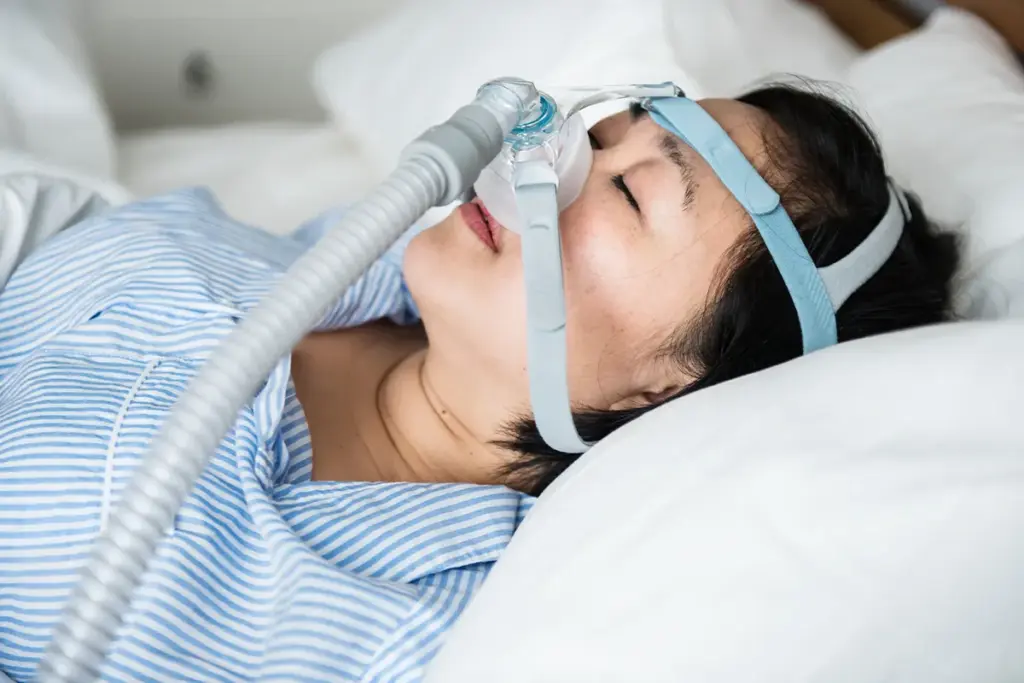
Continuous Positive Airway Pressure (CPAP) therapy is a common treatment. It uses a mask to provide air, keeping the airway open. But, it might not be right for everyone.
Other options include BiPAP and APAP. BiPAP has different air pressures for breathing in and out. APAP adjusts the pressure automatically during the night.
CPAP therapy is often suggested for moderate to severe sleep apnea. But, some people find it hard to get used to because of the mask. Advancements in CPAP technology have made it more comfortable.
Oral Appliances and Surgical Interventions
For mild sleep apnea or if CPAP is not an option, oral appliances are a good choice. These devices, like mouthguards, move the jaw forward to keep the airway open. They are less invasive than CPAP and can be more comfortable.
If sleep apnea is caused by blockage, surgical interventions might be needed. These surgeries can remove excess tissue or reposition the jaw. They are usually for severe cases or when other treatments don’t work.
Lifestyle Modifications That Make a Difference
Changing your lifestyle can help with sleep apnea. Weight loss is often advised, as extra weight can make sleep apnea worse. Regular exercise and a healthy diet can help manage weight and improve sleep.
Other helpful changes include sleeping on your side instead of your back. This can help avoid airway blockage. Also, avoiding alcohol and sedatives before bed can help keep the throat muscles tight.
Conclusion: Taking Action Against the Silent Threat
Raising awareness and taking action are key to fighting sleep apnea. Public health efforts and campaigns are vital in tackling this common issue.
Knowing the signs of sleep apnea early can help. This way, people can get medical help sooner. This can prevent serious health problems later on.
Combating sleep apnea needs a team effort. This includes teaching, screening, and treating. Together, we can help people manage their sleep better and lower the number of cases.
By spreading the word and helping people get help early, we can greatly improve public health. This will positively change the lives of millions with sleep apnea.
FAQ
Can you have sleep apnea without snoring?
Yes, it’s possible to have sleep apnea without snoring. Some people with sleep apnea don’t snore. Instead, they might have silent breathing pauses during sleep.
What are the silent symptoms of sleep apnea?
Silent symptoms include morning headaches and feeling foggy. You might also feel emotionally changed, tired during the day, and face heart risks like high blood pressure.
How does sleep apnea affect brain function?
Sleep apnea can mess with your brain. It can cause memory problems and make it hard to make decisions. This happens because sleep is interrupted, affecting the brain’s function.
Can sleep apnea cause emotional and mood changes?
Yes, it can. Sleep apnea might lead to depression, irritability, and anxiety. The link between sleep and mood is complex, and sleep apnea can play a role in mood disorders.
What are the risk factors for developing sleep apnea?
Risk factors include being overweight, older, and male. Family history and genetics also play a part.
How is sleep apnea diagnosed?
Doctors use sleep studies and home tests to diagnose it. They also use advanced tools and biomarkers.
What are the treatment options for sleep apnea?
Treatments include CPAP therapy and oral appliances. Surgery and lifestyle changes are also options.
Can women have different symptoms of sleep apnea than men?
Yes, women might have different symptoms. They might have different types of sleep-disordered breathing. Women are also more likely to not get diagnosed.
Is snoring always a sign of sleep apnea?
No, not always. Snoring is common but not everyone who snores has sleep apnea. And not everyone with sleep apnea snores.
Can sleep apnea be treated without CPAP?
Yes, there are other treatments. Options include oral appliances, surgery, and lifestyle changes.
How can I reduce my risk of developing sleep apnea?
Keep a healthy weight, exercise, and don’t sleep on your back. These steps can lower your risk.
Can sleep apnea be cured?
There’s no cure, but treatments can manage symptoms. They can make sleep apnea less of a problem.
References
- 2025 Sleep Apnea Statistics: Prevalence, Risks, & Key Facts
- Source: CPAP.com
- URL: https://www.cpap.com/blogs/sleep-apnea/sleep-apnea-statistics
- The Silent Threat of Sleep Apnea: Why Ignoring Symptoms Can Be Dangerous
- Source: Loyola Medicine
- URL: https://www.loyolamedicine.org/blog-articles/silent-threat-sleep-apnea
- Sleep Apnea Statistics for 2025
- Source: Sleep Advisor
- URL: https://www.sleepadvisor.org/sleep-apnea-statistics/
- Sleep Apnea More Common Than Previously Known in Female Athletes1
- Source: American College of Cardiology2
- URL: https://www.acc.org/About-ACC/Press-Releases/2025/06/12/16/46/Sleep-Apnea-More-Common-Than-Previously-Known-in-Female-Athletes
- Medical Second Opinion
- Source: Liv Hospital3
- URL: https://www.livhospital.com/en/medical-second-opinion