
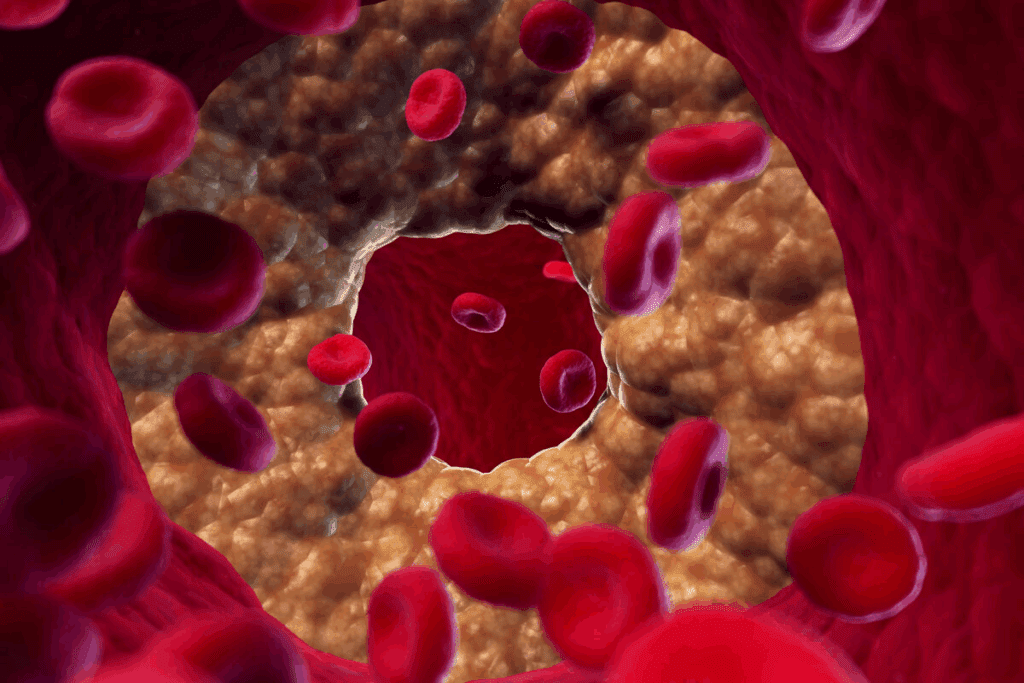
Coronary artery disease (CAD) affects millions worldwide, changing their life quality and length. Medical News Today says CAD can cut life expectancy by about 10 years. But, with the right treatment and lifestyle changes, people with CAD can live long and productive lives.Discover if can you live a full life with coronary artery disease and stay healthy.
At Liv Hospital, we know how tough CAD can be. We’re dedicated to giving world-class healthcare and support to international patients. Our goal is to help patients manage CAD well and get the best results through timely care and tailored plans.
Key Takeaways
- Effective treatment and lifestyle changes can significantly improve life expectancy with CAD.
- Timely medical management is key for managing CAD and improving quality of life.
- Liv Hospital offers full support for international patients with CAD.
- Personalized care plans help patients achieve the best possible outcomes.
- A proactive approach to health can make a big difference in living a long life with CAD.
Understanding Coronary Artery Disease (CAD)

It’s key to know about CAD to protect heart health. CAD is a big reason for heart disease worldwide. It happens when the heart’s blood supply gets blocked by cholesterol deposits.
What Happens in CAD?
In CAD, atherosclerosis makes the heart’s arteries narrow. This can cause angina, or chest pain, because of less blood flow. If the blockage gets worse, it might lead to a heart attack.
Risk Factors and Causes
Many things can lead to CAD. These include:
- High Blood Pressure: High blood pressure can harm the arteries, making them more likely to block.
- High Cholesterol: Too much LDL cholesterol can cause plaque buildup.
- Smoking: Smoking damages the heart and increases CAD risk.
- Diabetes: Diabetes can harm arteries and raise heart disease risk.
- Obesity and Physical Inactivity: Being overweight and not moving enough can lead to high blood pressure, high cholesterol, and diabetes.
Prevalence and Impact
CAD is a big problem worldwide. In the U.S., about 20.5 million adults have it. It affects their life quality and healthcare systems a lot.
Knowing about CAD helps prevent and manage it. By understanding CAD, people can lower their risk and handle it better if they get it.
Diagnosing Coronary Artery Disease

Diagnosing CAD needs a detailed approach. This includes knowing its symptoms and using advanced tests. Finding CAD early is key to better management and a better life for patients.
Common Symptoms and Warning Signs
CAD often shows specific symptoms. These include chest pain or discomfort, known as angina. This pain means the heart isn’t getting enough oxygen. Other signs are shortness of breath, feeling tired, and irregular heartbeats.
Recognizing these symptoms early is very important. It helps in getting a diagnosis and treatment on time.
As one study noted, “Early recognition of symptoms can significantly impact the management and outcome of CAD.”
“The sooner the diagnosis, the better the chances of preventing serious complications.”
Diagnostic Tests and Procedures
Several tests help confirm CAD. These include:
- Echocardiogram: An ultrasound test that shows the heart’s structure and function.
- ECG/EKG: A test that records the heart’s electrical activity.
- Coronary Angiogram: A procedure that uses dye and X-rays to see the coronary arteries.
- Stress Tests: Tests that check the heart’s activity under stress, often caused by exercise or medicine.
| Diagnostic Test | Purpose |
| Echocardiogram | Assesses heart structure and function |
| ECG/EKG | Records heart’s electrical activity |
| Coronary Angiogram | Visualizes coronary arteries |
| Stress Tests | Evaluates heart function under stress |
Severity Classifications
CAD severity is based on artery blockage and heart function impact. These classifications help in choosing the right treatment. Knowing the severity is key for the best treatment plan.
By accurately diagnosing CAD and understanding its severity, doctors can create effective treatment plans. This improves patient outcomes and quality of life.
Life Expectancy with Coronary Artery Disease
Life expectancy for those with coronary artery disease (CAD) changes a lot. Knowing what affects it is key for both patients and doctors. This helps manage the disease better and improve life quality.
Statistical Overview
Research shows CAD life expectancy varies. For example, women diagnosed at 50 can live about 8 years longer. Men of the same age can live about 7 years longer with heart disease. This shows how age and gender matter in predicting life expectancy.
Factors Affecting Prognosis
Many things can change how long someone with CAD will live. These include:
- Age at Diagnosis: Being diagnosed early can help a lot. It means better chances of living longer.
- Co-occurring Conditions: Having other health issues like diabetes or high blood pressure can make CAD harder to manage. It can also shorten life expectancy.
- Treatment Efficacy: How well treatment works is very important. This includes medicines, lifestyle changes, and surgery.
- Lifestyle Factors: What you eat, how much you exercise, smoking, and stress levels all play a big role. They can affect how CAD progresses and how long you live.
Gender and Age Differences
There are big differences in life expectancy with CAD based on gender and age. Women usually live a bit longer than men after being diagnosed. Younger people with CAD also tend to have a better outlook than older ones, assuming other things are the same.
Individual Variation in Outcomes
Outcomes for CAD patients can vary a lot. Things like genetics, how well you follow treatment, and overall health can all make a difference. Tailored care plans that consider these factors can help improve outcomes.
Understanding what affects CAD life expectancy helps doctors and patients work together. They can create better management plans. This improves both how long you live and the quality of your life.
Can You Live a Full Life with Coronary Artery Disease?
Coronary artery disease doesn’t have to limit your life. With the right approach, you can live fully and actively. Timely medical care and lifestyle changes help many lead active lives.
Quality of Life Considerations
Keeping a good quality of life with CAD requires focus. Adherence to treatment plans is key, along with healthy lifestyle choices. This means eating right, exercising regularly, and managing stress.
It’s important to work with your healthcare team. They can help create a plan tailored to your needs and goals.
Physical Limitations and Adaptations
CAD may limit your physical activities, but you can adapt. For instance, you might need to adjust your exercise to avoid too much strain.
| Activity | Pre-CAD | Post-CAD Diagnosis |
| Exercise | High intensity | Moderate intensity, monitored |
| Diet | Unrestricted | Heart-healthy diet |
| Stress Levels | Variable | Managed through techniques like meditation |
Emotional and Psychological Impact
Living with CAD can affect your emotions and mind. Many patients feel anxious or depressed.
Support systems are essential. Family, friends, support groups, and counseling can help a lot.
By facing the emotional and psychological sides of CAD and getting support, you can manage your condition better. This improves your overall quality of life.
Medical Management of CAD
Managing CAD involves using medicines and procedures to lessen symptoms and slow the disease. It’s important to tailor the treatment to each patient’s needs.
Medication Options and Their Benefits
Medicines are key in managing CAD. Some common ones are:
- Statins: They help lower cholesterol and reduce heart attack risk.
- Beta-blockers: These decrease the heart’s workload and its need for oxygen.
- ACE inhibitors: They relax blood vessels, lower blood pressure, and reduce heart workload.
These medicines help manage symptoms and slow CAD’s progression.
Surgical Interventions
Some patients need surgery to improve blood flow to the heart. Two main surgeries are:
- PCI (Percutaneous Coronary Intervention): A minimally invasive method to open blocked arteries.
- CABG (Coronary Artery Bypass Grafting): A surgery that bypasses blocked arteries.
These surgeries can greatly improve life quality and survival for CAD patients.
Cardiac Rehabilitation Programs
Cardiac rehabilitation is a program that includes exercise, education, and support. It helps patients recover from heart conditions and surgeries. It’s vital for improving heart health and lowering future heart risks.
Regular Monitoring and Follow-up Care
Regular check-ups and follow-up care are key for managing CAD. This includes monitoring risk factors and adjusting treatment plans as needed.
By using these methods, CAD patients can live active and meaningful lives.
Lifestyle Changes That Extend Life with CAD
Living with CAD means making lifestyle changes to live longer and feel better. By managing CAD well, patients can greatly improve their life quality.
Heart-Healthy Diet Recommendations
Eating right is key for CAD management. Focus on fruits, veggies, whole grains, and lean proteins. Avoid saturated fats, trans fats, and cholesterol.
- Eat more omega-3s from fish like salmon and sardines.
- Choose healthy fats in avocados, nuts, and olive oil.
- Keep sodium under 2,300 milligrams daily.
The American Heart Association says a healthy diet is vital for heart disease management.
“Diet plays a significant role in heart health. By making informed food choices, individuals can better manage their CAD and improve their overall health.”
| Dietary Component | Recommended Intake |
| Fruits and Vegetables | 5 servings per day |
| Whole Grains | At least 50% of total grain intake |
| Lean Protein | Preferably from plant sources and fish |
Exercise Guidelines for CAD Patients
Exercise is vital for CAD management. It boosts heart health, reduces symptoms, and improves overall well-being.
Recommended Exercise Types:
- Aerobic exercises like walking, cycling, or swimming.
- Resistance training to improve muscle strength.
- Flexibility exercises like yoga or stretching.
Always talk to a healthcare provider before starting any new exercise, even with CAD.
Stress Management Techniques
Chronic stress can worsen CAD symptoms. Managing stress is key to CAD care.
Effective stress management includes:
- Meditation and mindfulness practices.
- Deep breathing exercises.
- Doing hobbies or activities that bring joy and relaxation.
Smoking Cessation and Alcohol Moderation
Quitting smoking is a major lifestyle change for CAD patients. It greatly reduces heart disease risks.
Also, drinking alcohol in moderation is important. The American Heart Association suggests men limit alcohol to two drinks a day and women to one.
By making these lifestyle changes, CAD patients can actively manage their condition and improve their health.
Managing Comorbidities and Complications
For those with CAD, it’s vital to manage related health issues. Conditions like diabetes, high blood pressure, and high cholesterol can make CAD harder to manage. It’s important to tackle these conditions head-on.
Diabetes and CAD
Diabetes is a big problem for CAD patients. It makes atherosclerosis worse and raises the risk of heart problems. Effective diabetes management means keeping blood sugar in check, making lifestyle changes, and sticking to medication.
Diabetics with CAD need to watch out for silent heart attacks. Regular heart checks are key to catching and treating these issues early.
Hypertension Management
Hypertension is a big risk factor for CAD getting worse. Controlling blood pressure through diet, exercise, and meds can lower heart risk. It’s important to keep an eye on blood pressure and follow treatment plans.
- Lifestyle changes like better diet and more exercise help.
- Choosing the right meds for blood pressure is important, considering kidney health and side effects.
Cholesterol Control
High LDL cholesterol leads to plaque buildup in CAD. Statins and other cholesterol-lowering drugs are used to manage cholesterol. Regular cholesterol tests help see if treatment is working and make changes if needed.
Eating less saturated fat and more soluble fiber can also help control cholesterol.
Preventing Heart Failure
Heart failure is a risk if CAD isn’t managed well. Preventive measures include controlling risk factors, following medication, and making lifestyle changes. Regular doctor visits are key to keeping an eye on heart health and adjusting treatment as needed.
- Medicines like ACE inhibitors and beta-blockers can help prevent heart failure.
- Healthy diet and regular exercise are important for prevention.
Real-Life Success Stories: Living Well with CAD
Every person’s journey with CAD is unique. Yet, many share stories of hope and perseverance. We’ve collected inspiring tales of people who’ve learned to manage CAD, improving their lives.
Patient Testimonials
Many CAD patients have shared their stories of resilience. John, a 55-year-old, changed his diet and started exercising regularly. This helped him reduce symptoms and feel better.
“I was diagnosed with CAD five years ago, and initially, it was a challenge to accept. But with my healthcare team’s support and lifestyle changes, I’ve been able to live an active life.” – John, CAD patient.
Sarah, a 62-year-old retiree, stresses the value of stress management. She meditates and does yoga, helping her deal with CAD’s emotional side.
Lessons from Long-Term Survivors
Long-term CAD survivors share common habits and mindsets. They highlight the importance of sticking to medication and regular doctor visits.
- Following a heart-healthy diet with lots of fruits, veggies, and whole grains.
- Staying active with exercises that fit their abilities.
- Managing stress through meditation or deep breathing.
These habits help manage CAD and improve life quality.
Adapting to a New Normal
Living with CAD means accepting it and making changes. It’s a holistic approach, including medical care, lifestyle changes, and emotional support.
Key strategies for adapting include:
- Learning about CAD and how to manage it.
- Creating a support network of family, friends, and doctors.
- Doing things that bring joy and fulfillment.
By using these strategies, people with CAD can live with confidence and resilience.
Prevention Strategies for CAD Progression
Living well with CAD means using strong prevention strategies to slow the disease. We’ll look at managing CAD, focusing on primary and secondary prevention, new treatments, and the need for regular check-ups.
Primary Prevention Approaches
Primary prevention stops CAD before it starts. It’s about living healthy, eating right, staying active, not smoking, and keeping a healthy weight. Dietary changes are key, focusing on fruits, veggies, whole grains, and lean proteins.
Here are some dietary tips for preventing CAD:
- Limit saturated fats and cholesterol
- Choose healthy fats from nuts, seeds, and olive oil
- Keep sodium under 2,300 mg daily
- Eat more omega-3 fatty acids
Secondary Prevention After Diagnosis
For those with CAD, secondary prevention is vital. It includes sticking to medication, making lifestyle changes, and regular doctor visits. The goal is to slow the disease and avoid serious problems.
| Prevention Strategy | Description | Benefits |
| Medication Adherence | Taking prescribed meds as directed | Reduces heart attack and stroke risk |
| Lifestyle Modifications | Diet, exercise, quit smoking | Boosts heart health |
| Regular Monitoring | Regular doctor visits | Catches issues early |
Emerging Preventive Therapies
New research is finding promising ways to prevent CAD. These include new drugs and better ways to manage risk factors. We’re seeing progress in treatments that target CAD’s causes.
The Role of Regular Screenings
Screenings are key for preventing CAD. They catch risk factors and CAD early, allowing for quick action. We suggest regular checks for blood pressure, cholesterol, and blood sugar.
In summary, stopping CAD from getting worse needs a mix of prevention, new treatments, and regular tests. By using these methods, people can greatly improve their health and life quality.
Conclusion: Embracing Life Despite CAD
Living with coronary artery disease (CAD) needs a full plan. This includes medical care, lifestyle changes, and ways to prevent it. Knowing about CAD helps people with it take steps to live longer and better.
For those with CAD, it’s important to think about life expectancy and what affects it. With the right care, people can live long, happy lives. They can enjoy life even with CAD.
We’ve looked at CAD from start to management, and why a heart-healthy lifestyle is key. By making these changes, people can live longer and feel better. They can truly enjoy life with CAD.
FAQ
What is coronary artery disease (CAD) and how does it affect the heart?
CAD is when the heart’s blood supply gets blocked. This happens because of a buildup in the arteries. It makes it hard for the heart to work right.
Can you live a long life with coronary artery disease?
Yes, many people with CAD can live a long life. They just need to manage it well and make lifestyle changes.
What are the common symptoms of coronary artery disease?
Symptoms include chest pain, shortness of breath, and feeling tired. In serious cases, it can lead to a heart attack. Some people might not notice symptoms until it’s too late.
How is coronary artery disease diagnosed?
Doctors use tests like ECGs and stress tests to find CAD. They also do echocardiograms and coronary angiography. Blood tests help check the heart’s health.
What lifestyle changes can help manage CAD?
Eating well, exercising, and managing stress are key. Quitting smoking and drinking in moderation also help.
How does CAD impact life expectancy?
CAD’s effect on life expectancy depends on how severe it is and other health issues. Good care can make a big difference.
What is the role of medication in managing CAD?
Medicines like statins and beta-blockers are very important. They help lower cholesterol and blood pressure. They also prevent blood clots.
Can CAD be prevented?
Some risk factors can’t be changed, but a healthy lifestyle helps. Eating right, exercising, not smoking, and managing stress can prevent CAD.
How often should individuals with CAD see their healthcare provider?
It’s important to see your doctor regularly. They can check your condition and adjust your treatment as needed.
What are the benefits of cardiac rehabilitation for CAD patients?
Cardiac rehab offers exercise and education on heart health. It helps patients recover and manage CAD better.
How does managing comorbidities impact CAD outcomes?
Managing conditions like diabetes and high blood pressure is key. It helps improve CAD outcomes and reduces risks.
Are there any emerging treatments or preventive therapies for CAD?
Yes, new treatments and preventive strategies are being researched. This includes new medicines and lifestyle changes to help CAD patients.
References
- ScienceDirect. (n.d.). Blood vessels – an overview.https://www.sciencedirect.com/topics/immunology-and-microbiology/blood-vessels