
The human body can adjust to big changes, like losing organs. Living without a colon is possible for those who have had it removed for health reasons.
The colon is key to absorbing water and breaking down food. Losing it changes digestion, but many people adjust well after surgery.
Places like Liv Hospital offer care based on solid evidence. They help patients make informed choices about surgery. This way, people can feel sure about their decisions and understand how they can live without a colon.
Key Takeaways
- The colon’s main job is to soak up water and help break down food.
- Removing the colon might be needed for some health issues.
- Many people adjust to life without a colon and live normally.
- Putting patients first is key when making surgery choices.
- Guided by evidence, Liv Hospital helps with treatment.
Understanding the Colon and Its Functions
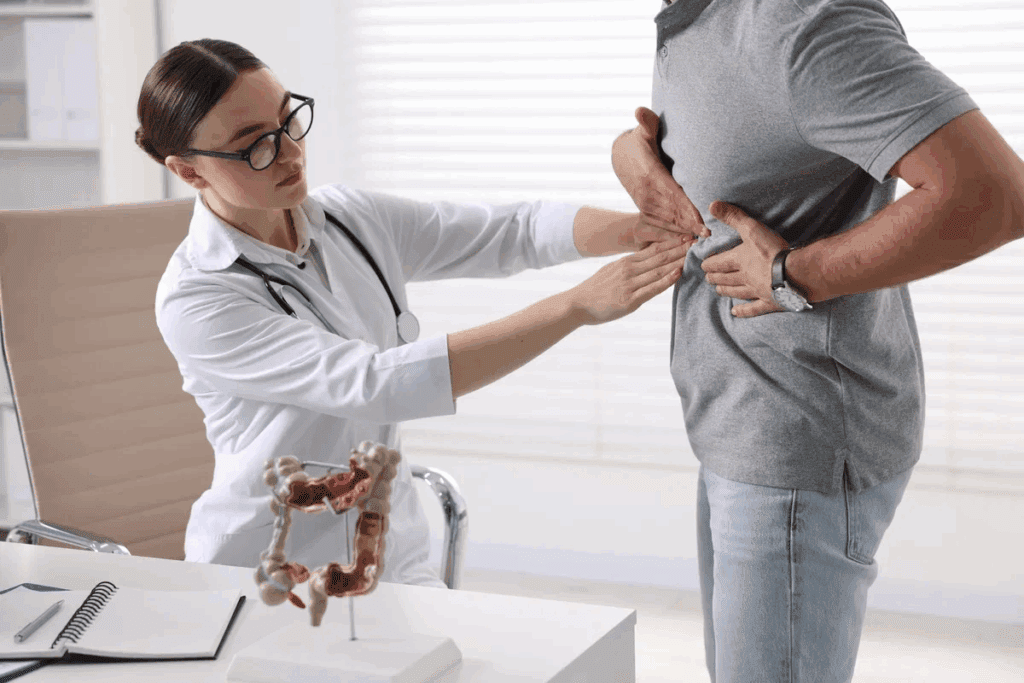
To understand the colon’s importance, we need to look at its anatomy and main functions. The colon, or large intestine, is key to our digestive system.
Anatomy of the Large Intestine
The large intestine, or colon, runs most of the abdomen in an upside-down U shape. It’s a vital part of our digestive system. It’s responsible for absorbing water and electrolytes from the material that comes from the small intestine.
The colon’s anatomy includes:
- Ascending colon: The part that goes up on the right side of the abdomen.
- Transverse colon: The section that crosses the abdomen from right to left.
- Descending colon: The part that goes down on the left side of the abdomen.
- Sigmoid colon: The S-shaped segment that connects to the rectum.
Primary Functions of the Colon
The colon’s main functions are:
- Water Absorption: The colon absorbs water from the waste material, making the stool more concentrated.
- Electrolyte Absorption: It absorbs essential electrolytes, keeping the body’s electrolyte balance right.
- Stool Formation: The colon helps form stool by absorbing water and electrolytes, and storing it until it’s eliminated.
These functions show how important the colon is for our hydration, electrolyte balance, and digestive health. Knowing these functions helps us see the colon’s role in our overall well-being.
Can You Live Without a Colon?
The human body is very strong. Without a colon, people can live with the right medical care and lifestyle changes. For those who have to have their colon removed, understanding this is key.
Medical Possibility and Survival Rates
Yes, it’s possible to live without a colon. The colon helps absorb water and electrolytes, making stool more concentrated. After it’s removed, people can adjust to new bowel habits. Thanks to better surgery and care, more people survive colon removal.
Survival rates depend on why the colon was removed, the person’s health, and any complications. Most people who have their colon removed can live normally. But, they might need to change their lifestyle a lot.
Quality of Life Considerations
The quality of life after losing the colon varies. People must manage their bowel movements, stay hydrated, and follow dietary changes.
- Some might have diarrhea or go to the bathroom a lot. They might need to change their diet or take medicine.
- Others should drink plenty of water to avoid dehydration, a risk after surgery.
- They might also need to take supplements to get enough nutrients.
Even with these challenges, many people live well without a colon. With the right medical help, support, and lifestyle changes, it’s possible to thrive without a colon.
Medical Conditions That May Require Colon Removal
Several serious health conditions may require the surgical removal of the colon, a procedure known as colectomy. This decision is made when other treatments have failed to address severe colon-related health issues.
Colorectal Cancer
Colorectal cancer is a main reason for colon removal. When cancer is found in the colon or rectum, removing the affected area is often necessary. This helps prevent the disease from spreading. The extent depends on the cancer’s stage and location.
Inflammatory Bowel Disease
Inflammatory Bowel Disease (IBD), including ulcerative colitis and Crohn’s disease, may also require colectomy. If medication and other treatments fail, or if complications arise, removing the colon may be needed.
Other Conditions Necessitating Colectomy
Other conditions that may require colectomy include familial polyposis, a genetic disorder with many polyps in the colon. Also, diverticulitis, where diverticula in the colon become inflamed. Severe trauma or injury to the colon may also require its removal.
The decision to undergo colectomy is made on a case-by-case basis. It considers the individual’s overall health, the severity of their condition, and the surgery’s benefits and risks.
Types of Colectomy Procedures
There are different ways to remove the colon, each suited for a patient’s specific needs. The choice of surgery depends on the disease’s location and severity.
Total Colectomy
A total colectomy removes the whole colon. It’s often needed for severe diseases like FAP or ulcerative colitis. After surgery, patients might get an ileostomy or an ileal pouch-anal anastomosis (IPAA).
Partial Colectomy
Partial colectomy takes out only the sick part of the colon. It’s done for localized diseases. This way, more of the colon is kept.
Proctocolectomy
Proctocolectomy removes the colon and rectum. It’s for certain IBD or colorectal cancer cases. Patients then might have an ileostomy or an ileal pouch.
A study in the Journal of Surgical Research shows the type of surgery affects life quality after. Adaptations like an ileostomy or an ileal pouch help patients live normally.
“The advancement in surgical techniques has significantly improved the outcomes for patients undergoing colectomy procedures, allowing them a better quality of life post-surgery.”
The table below highlights the main differences between colectomy types:
| Type of Colectomy | Description | Typical Indications | Waste Management Options |
| Total Colectomy | Removal of the entire colon | Familial adenomatous polyposis, severe ulcerative colitis | Ileostomy or IPAA |
| Partial Colectomy | Removal of a portion of the colon | Localized colon cancer, diverticulitis | Primary anastomosis or colostomy |
| Proctocolectomy | Removal of both colon and rectum | Ulcerative colitis, certain colorectal cancers | Ileostomy or IPAA |
Knowing about the different colectomy procedures is key for patients and doctors. It helps in making the right surgical choices and care plans.
Waste Management After Colon Removal
Removing the colon means finding new ways to handle waste. After a colectomy, patients must adjust to new waste management methods. This change can greatly affect their daily life.
Ileostomy: Living With an External Pouch
An ileostomy is a common solution. It’s a surgery that makes an opening in the abdomen. The small intestine is attached to this opening, collecting waste in an external pouch.
Ileostomy Procedure: The surgery brings the small intestine to the skin’s surface. It’s then sewn in place. A pouch is used to catch waste.
Those with an ileostomy must learn to manage the pouch. This includes emptying and cleaning it. They also need to care for the skin around the stoma.
| Aspect | Description |
| Pouch Management | Emptying and cleaning the pouch regularly |
| Skin Care | Protecting the skin around the stoma from irritation |
| Lifestyle Adjustments | Making changes to diet and daily activities |
J-Pouch and Other Internal Reservoir Options
Another choice is the J-pouch, an internal reservoir. It uses a part of the small intestine to create a pouch. This pouch is connected to the anus, allowing for more natural bowel movements.
The J-pouch procedure is done after removing the colon and rectum. It lets patients pass stool naturally, without needing an external pouch.
Benefits of J-Pouch: It reduces the need for external pouches. It also makes bowel movements more natural. Plus, it might lower the risk of ileostomy complications.
But choosing J-pouch surgery depends on many things. These include the patient’s health, why the colon was removed, and the surgeon’s advice.
Digestive Changes Without a Colon
Living without a colon means big changes in how we digest food. The colon helps absorb water and salts from waste. Without it, these processes change a lot.
Altered Bowel Movements
One big change is in bowel movements. People often have more frequent and looser stools. This is because the colon is gone, and it used to absorb water and make stool solid.
After surgery, stools may be very watery. The small intestine tries to absorb more water. But it can’t do what the colon did. So, bowel movements get more frequent and less solid.
Hydration and Electrolyte Challenges
Without a colon, staying hydrated and balanced in electrolytes is hard. More water and salts are lost in loose stools. This can lead to dehydration if not watched closely. Drinking enough fluids and eating foods rich in electrolytes is key.
Electrolytes like potassium and sodium are important for nerves and muscles. Losing them in stool can cause muscle cramps and fatigue. Keeping an eye on electrolyte levels is vital for those without a colon.
In short, life without a colon means big changes in digestion. Knowing these changes and how to handle them is key to staying healthy and happy.
Dietary Adjustments After Colectomy
After a colectomy, patients need to change their diet a lot. The colon helps absorb water and electrolytes. Without it, bowel movements and nutrient absorption can change a lot.
At first, patients start with a clear liquid diet. Then, they slowly add solid foods as their body gets used to them. This slow start helps avoid problems like diarrhea, dehydration, and bowel obstruction.
Foods to Embrace and Avoid
Some foods help with digestion after a colectomy, while others can make symptoms worse. It’s key to know which foods are good and which to avoid.
- Foods to Embrace: Low-fiber foods like bananas, rice, applesauce, and toast (BRAT diet)
- Lean proteins such as chicken, fish, and eggs
- Low-fat dairy or dairy alternatives
- Foods to Avoid: High-fiber foods like beans, cabbage, broccoli, and cauliflower
- Spicy or fatty foods that can upset the stomach
- Caffeine and alcohol, which can cause dehydration
Nutritional Supplementation Needs
After a colectomy, some people might need extra nutrients. This is more likely if the small intestine is affected or if there’s a lot of malabsorption.
Supplements can include vitamins, minerals, and electrolytes. Patients should talk to their doctor or a dietitian to find the right supplements for them.
“A well-planned diet and the right supplements can greatly improve life for those after a colectomy.” –
A healthcare professional
In summary, changing your diet is very important for recovery and health after a colectomy. Knowing which foods to eat and which to avoid, and considering supplements, can help manage the condition. This can improve overall well-being.
The Small Intestine: Why You Cannot Live Without It
The small intestine is key to absorbing nutrients, making it vital for our health. It’s where most of our digestion happens. The walls of the small intestine have villi, which help absorb nutrients better.
Critical Functions
The small intestine has important jobs for our survival. It absorbs carbs, proteins, and fats into our blood. This is thanks to enzymes from the pancreas and bile from the liver.
It also absorbs vitamins and minerals like vitamin B12 and iron. These are essential for energy and making red blood cells.
Comparison to Colon Necessity
The colon helps with water absorption and storing waste. But the small intestine is more critical for nutrient absorption. Without it, we can’t get the nutrients we need, leading to severe malnutrition.
Living without a colon is possible, but it requires big changes in diet and lifestyle. The colon’s tasks can be done by other parts of the digestive system. But the small intestine’s role is unique and can’t be replaced.
The small intestine’s importance shows how complex and connected our digestive system is. Knowing its role helps us understand the health effects of digestive problems and why a healthy gut is so important.
Living Without Both Intestines: Is It Possible?
Living without both intestines is a complex medical scenario. The intestines are key to digestion and absorbing nutrients. Without them, a patient’s quality of life can be severely impacted.
Removing both intestines is not possible without an intestinal transplant. If most of the small bowel is removed, the body can’t process nutrients and water well.
Intestinal Transplantation
Intestinal transplantation is a surgery that replaces a patient’s intestines with a donor’s. It’s an option for those who have lost intestinal function due to disease or injury.
“Intestinal transplantation has become a viable treatment option for patients with intestinal failure, improving nutritional outcomes and quality of life.”
Source: A medical journal on intestinal transplantation.
The process of intestinal transplantation is complex. It involves matching donors and recipients carefully. Success depends on the recipient’s health and the quality of the donor’s intestines.
| Transplant Type | Description | Success Rate |
| Isolated Intestine Transplant | Transplantation of the small intestine only. | 80% |
| Combined Liver and Intestine Transplant | Transplantation of both the liver and small intestine. | 70% |
| Multivisceral Transplant | Transplantation of multiple organs, including the intestines. | 60% |
Total Parenteral Nutrition (TPN)
Total Parenteral Nutrition (TPN) provides essential nutrients through intravenous infusion. It’s used when the intestines can’t absorb nutrients.
TPN delivers nutrients directly into the bloodstream, bypassing the digestive system. While it can save lives, it carries risks like infection and liver damage.
Patients on TPN need close monitoring and regular nutritional adjustments. This ensures their nutritional needs are met.
In conclusion, living without both intestines is very challenging. It usually requires intestinal transplantation or lifelong TPN. Both options have risks and benefits, depending on the patient’s situation.
Long-Term Health Considerations Without a Colon
After a colectomy, patients need to know about long-term health issues. They must make dietary and medical changes to stay healthy.
Potential Complications
People without a colon might face intestinal obstruction, nutrient deficiencies, and osteoporosis. These problems come from not absorbing enough calcium and vitamin D. Regular check-ups and prevention can help avoid these issues.
To lower the risk of intestinal obstruction, avoid foods that are hard to digest. For nutrient deficiencies, take supplements and get blood tests to check nutrient levels.
| Potential Complication | Preventive Measures | Monitoring |
| Intestinal Obstruction | Avoid high-fiber foods, stay hydrated | Regular check-ups, symptom reporting |
| Nutrient Deficiencies | Dietary supplementation, balanced diet | Blood tests for nutrient levels |
| Osteoporosis | Calcium and vitamin D supplements, exercise | Bone density tests |
Regular Medical Monitoring
Regular check-ups are key for those without a colon. They help catch problems early and adjust treatment plans.
Patients should be quick to report any unusual symptoms or changes. Early action can greatly improve health outcomes.
Healthcare teams offer advice on managing the condition. This includes dietary tips, medication guidance, and recognizing warning signs of complications.
Personal Stories: Adapting to Life Without a Colon
Many people live without a colon after a colectomy. Their stories show the ups and downs of this new life. Thanks to modern medicine, most can live healthy lives with the right care and advice.
Challenges Faced
Life without a colon comes with its own set of challenges. One big issue is managing waste. For example, those with an ileostomy have to deal with an external pouch that needs constant care.
Common challenges include:
- Adjusting to altered bowel movements
- Managing hydration and electrolyte balance
- Coping with dietary changes
- Dealing with the emotional impact of surgery
Strategies for Success
Many people find ways to overcome these challenges. Making dietary changes is key. They learn to eat smaller meals and avoid foods that upset their stomachs.
Nutritional supplementation is also important. It helps the body get the nutrients it needs. Regular talks with doctors and nutritionists help create a diet plan that works.
| Strategy | Description | Benefit |
| Dietary Adjustments | Eating smaller, more frequent meals; avoiding certain foods | Reduces digestive discomfort |
| Nutritional Supplementation | Taking supplements to ensure adequate nutrient intake | Prevents deficiencies and supports overall health |
| Regular Medical Monitoring | Frequent check-ups with healthcare providers | Early detection and management of possible complications |
As shown in the table, a mix of lifestyle changes and medical support can greatly improve life without a colon.
The stories of those living without a colon show our strength and the power of modern medicine. By sharing their experiences and tips, they help and inspire others facing similar challenges.
Conclusion
Some people live without a colon due to diseases like colorectal cancer or inflammatory bowel disease. It’s possible to survive without one, but knowing how it affects your health is key.
The colon helps absorb water and stores waste. But the small intestine is key to absorbing nutrients. Without a colon, you might notice changes in digestion and how you absorb water.
Thanks to medical progress, people can adjust to life without a colon. This includes surgeries like ileostomy or using internal reservoirs. Changing your diet and taking supplements can also help keep you healthy.
Even though you can live without a colon, you can’t do without your small intestine. It’s important to understand how the intestines work and their role in your health. This helps you grasp the challenges of living without a colon.
FAQ
Can you live without your large intestine?
Yes, it’s possible to live without a colon. Many people adjust to life without it after a colectomy. This is due to various medical reasons.
What happens if you have your colon removed?
After removing the colon, patients must learn new ways to handle waste. This can include an ileostomy or an internal reservoir like the J-pouch. They also need to change their diet to stay hydrated and balanced.
Do you need your colon to survive?
No, you don’t need your colon to live. It helps absorb water and electrolytes, but removing it doesn’t usually cause serious problems.
Can you live without a small intestine?
Living without a small intestine is very hard. It’s key for nutrient absorption. While some can survive with part removed, losing it all requires total parenteral nutrition (TPN).
What are the dietary adjustments after colectomy?
After a colectomy, patients should avoid certain foods. These include high-fiber foods and hard-to-digest items. They also need to drink more water and might need supplements for nutrients.
Can you live without both intestines?
Living without both intestines is very tough. It usually means needing total parenteral nutrition (TPN) or an intestinal transplant. Both options have their own challenges.
How do you manage waste after a colon removal?
Waste management after colon removal can be done through an ileostomy. This diverts waste to an external pouch. Or, it can use an internal reservoir like the J-pouch to store waste inside the body.
What are the long-term health considerations without a colon?
Without a colon, it’s important to watch your hydration and electrolyte levels. You also need to manage risks like bowel obstruction or ostomy problems. Regular doctor visits are key to staying healthy.
Can a person live a normal life without a colon?
Yes, many people can live a normal life without a colon. They just need to manage their health and make some lifestyle changes. This way, they can enjoy a good quality of life.
How can you live without a colon?
Living without a colon means adapting to new ways of managing waste and changing your diet. With the right care and support, you can handle the challenges of life without a colon.
References
- Dahmiwal, T., et al. (2024). Dietary considerations in cholecystectomy. Journal of Gastrointestinal Surgery, 28(5), 345-350. Retrieved from https://pmc.ncbi.nlm.nih.gov/articles/PMC11200314



 Departments
 Related Videos
 Our Doctors
 News
News