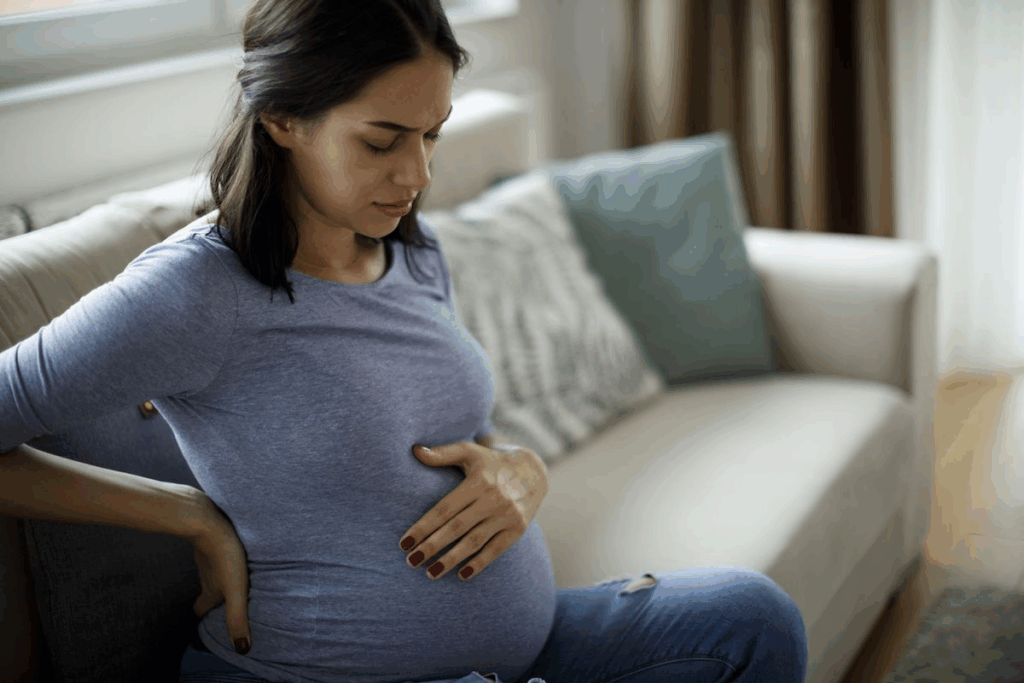
Can you still get pregnant with endometriosis? This ultimate guide offers amazing hope, revealing the critical facts and powerful treatments for fertility. Endometriosis affects millions of women worldwide, causing fertility worries. At Liv Hospital, we understand the challenges it brings. Even with endometriosis, getting pregnant is not impossible.
The Avery Center for Obstetrics and Gynecology says half to two-thirds of women with endometriosis can get pregnant. This is key for those dealing with endometriosis and wanting to have a baby.
Endometriosis brings real fertility challenges, but modern treatments help. We use the latest diagnostics and treatments to support women trying to conceive.
Key Takeaways
- Endometriosis affects fertility but doesn’t guarantee infertility.
- About half to two-thirds of women with endometriosis can become pregnant.
- Modern fertility treatments offer effective pathways to parenthood.
- Cutting-edge diagnostics and treatments support women seeking to conceive.
- Liv Hospital provides complete care for women with endometriosis.
Understanding Endometriosis and Its Impact on Fertility

Endometriosis is a chronic condition where uterine tissue grows outside the uterus. It affects about 10-15% of women of childbearing age worldwide. This means around 200 million people are dealing with it globally.
What Is Endometriosis?
Endometriosis happens when tissue like the uterine lining grows outside the uterus. This causes inflammation, scarring, and adhesions. The misplaced tissue can harm different parts of the female reproductive system.
Key characteristics of endometriosis include:
- Presence of endometrial-like tissue outside the uterus
- Inflammation and scarring
- Adhesions that can distort pelvic anatomy
How Endometriosis Affects Reproductive Organs
Endometrial tissue growing outside the uterus can harm reproductive organs. It can cause:
- Ovarian endometriomas (cysts)
- Adhesions around the fallopian tubes and ovaries
- Inflammation that may affect egg quality and fertilization
These issues can make it harder for women to get pregnant.
The Relationship Between Endometriosis and Infertility
Endometriosis can make it tough to get pregnant. The reasons are complex and involve several factors. These include:
- Distorted pelvic anatomy due to adhesions
- Inflammation affecting sperm, egg, or embryo quality
- Hormonal changes and ovulatory dysfunction
Knowing these factors helps in creating better treatment plans for women with endometriosis who want to conceive.
Endometriosis Statistics: Prevalence and Fertility Impact

It’s important for women trying to conceive to know about endometriosis. This condition is common and affects many women worldwide.
Global Prevalence of Endometriosis
Endometriosis affects about 10-15% of women of childbearing age globally. This means millions of women face its challenges, including trouble getting pregnant. The World Health Organization lists symptoms like painful periods and trouble getting pregnant as signs of endometriosis.
Infertility Rates Among Women with Endometriosis
25-50% of women with infertility have endometriosis. Also, 30-50% of women with endometriosis face fertility issues. These numbers show a clear link between endometriosis and fertility problems.
Comparing Fecundity Rates
Women with endometriosis have lower chances of getting pregnant than those without it. Studies show they have lower fecundity rates. This points to the fertility hurdles women with endometriosis face.
These facts stress the importance of understanding and managing endometriosis. It’s key to helping women with this condition conceive.
Can You Get Pregnant With Endometriosis?
Women with endometriosis often wonder if they can get pregnant. Endometriosis is when tissue like the uterus lining grows outside the uterus. It can cause pain, inflammation, and sometimes make it hard to get pregnant. But, many women with endometriosis can get pregnant.
Natural Conception Rates with Endometriosis
Women with endometriosis have a harder time getting pregnant naturally. Normal couples have a 15-20% chance of getting pregnant each month. But, women with untreated endometriosis have a much lower chance, around 2-10% each month.
This lower fertility is because of several things. These include inflammation, changes in the body, and hormonal issues. These can mess with ovulation and egg quality.
2024 Research on Pregnancy Success Rates
Research from 2024 gives us more insight. A study in the Cedars-Sinai Magazine found that women with moderate to severe endometriosis have a 11% chance of getting pregnant each month. This shows that while endometriosis can make it harder, it doesn’t stop it completely.
This information is key for setting realistic goals and making choices about fertility treatments. It also highlights the need for tailored care for women with endometriosis trying to conceive.
Severity of Endometriosis and Its Impact on Conception Chances
The severity of endometriosis affects how easy it is to get pregnant. It’s divided into four stages: minimal, mild, moderate, and severe. The more severe the stage, the harder it is to get pregnant.
- Minimal to mild endometriosis: Women might face less of a challenge, and some can get pregnant naturally.
- Moderate to severe endometriosis: These stages make it harder to get pregnant because of more adhesions, scarring, and ovarian endometriomas.
Knowing the stage of endometriosis helps women and doctors plan the best way to get pregnant. This could be naturally or with help from fertility treatments.
How Endometriosis Affects Conception
Endometriosis can make it hard for women to get pregnant. It affects many parts of the reproductive process. We’ll look at how it impacts conception, from egg quality to physical challenges.
Impact on Egg Quality and Ovarian Function
Endometriosis can lower egg quality and affect the ovaries. Studies show women with endometriosis might have more poor-quality eggs. This can make it tough to fertilize and develop embryos.
The condition can also reduce the number of eggs available. This is a big worry for women trying to conceive. It might shorten their chances of getting pregnant.
Effects on Fertilization and Embryo Development
Endometriosis can make it hard for eggs to be fertilized and for embryos to grow. The inflammation from the condition can change the uterus. This might stop embryos from implanting.
Research shows women with endometriosis might have lower fertilization rates. Their embryos might also be of lower quality. This is because of the inflammatory substances in their peritoneal fluid.
Anatomical Challenges from Adhesions and Scarring
Endometriosis can cause adhesions and scarring in the reproductive organs. These can block the fallopian tubes. This makes it hard for the egg to be fertilized.
Inflammation and Its Effect on Implantation
Inflammation from endometriosis can also affect implantation. The inflammatory environment can make it hard for embryos to implant. This adds to the challenges of getting pregnant.
It’s important to understand these challenges. We’ll look at research to find ways to manage them. This will help women with endometriosis conceive.
Aspect of Conception | Impact of Endometriosis |
Egg Quality | Compromised egg quality due to inflammation and oxidative stress |
Ovarian Function | Potential decrease in ovarian reserve |
Fertilization | Lower fertilization rates due to inflammatory environment |
Embryo Development | Reduced embryo quality due to altered uterine environment |
Implantation | Increased difficulty due to inflammation and scarring |
Diagnosing Fertility Issues Related to Endometriosis
Endometriosis can greatly affect a woman’s ability to get pregnant. It’s important to do thorough fertility tests and evaluations. This helps figure out why a woman might be having trouble getting pregnant.
Fertility Testing for Women with Endometriosis
Testing for fertility is key for women with endometriosis. We suggest a range of tests to check on ovarian function, egg quality, and reproductive health. These might include hormone level assessments, ultrasound examinations, and hysterosalpingography (HSG) to see if the fallopian tubes are blocked.
When to Seek Specialized Fertility Care
If you’re having trouble getting pregnant, knowing when to see a fertility specialist is important. Women with endometriosis should talk to a fertility expert if they’ve been trying to conceive for over a year. Early help can greatly increase the chances of getting pregnant.
The Importance of Early Diagnosis for Fertility Preservation
Spotting fertility problems early is key to keeping fertility alive. Finding out why a woman can’t get pregnant helps us make a good treatment plan. A women’s health provider or fertility specialist can help make a plan to manage endometriosis and boost fertility.
Fertility Test | Description | Purpose |
Hormone Level Assessment | Measures hormone levels, including FSH and AMH | Evaluates ovarian function and reserve |
Ultrasound Examination | Visualizes the reproductive organs | Checks for any anatomical abnormalities |
Hysterosalpingography (HSG) | X-ray imaging of the fallopian tubes | Identifies blockages in the fallopian tubes |
By using this detailed method to diagnose fertility problems linked to endometriosis, women can better understand their reproductive health. This knowledge helps them take the right steps towards a successful pregnancy.
Planning for Pregnancy with Endometriosis
Planning for pregnancy with endometriosis needs careful thought and a detailed plan. Women with endometriosis face special challenges in getting pregnant. But, with the right approach, they can boost their chances of a successful pregnancy.
Creating a Timeline for Conception Attempts
First, create a realistic timeline for trying to get pregnant. It’s important to understand how severe your endometriosis is and its effect on fertility. Women with mild endometriosis might get pregnant faster than those with severe cases.
Recent studies suggest starting to try to get pregnant within a certain time frame can help. “The Avery Center for Obstetrics and Gynecology says improving preconception health can greatly increase fertility for women with endometriosis.”
Working with Fertility Specialists and Endometriosis Experts
Working with fertility specialists and endometriosis experts is key to a personalized plan. Fertility specialists can guide on the best ways to conceive, while endometriosis experts can help manage the condition during pregnancy.
We suggest women with endometriosis team up with their healthcare providers. Together, they can create a detailed plan that meets both fertility and endometriosis management needs.
Preconception Health Optimization Strategies
Improving preconception health is vital for planning pregnancy with endometriosis. This includes making lifestyle changes, eating right, and possibly medical treatments to boost fertility.
- Keeping a healthy weight to improve fertility
- Eating a balanced diet full of nutrients needed for conception
- Managing stress with relaxation techniques
- Avoiding harmful substances like tobacco and too much alcohol
By improving preconception health, women with endometriosis can increase their fertility. This prepares their bodies for a healthy pregnancy.
“Preconception health optimization strategies can improve fertility outcomes for women with endometriosis,” as noted by the Avery Center for Obstetrics and Gynecology. This highlights the need for a proactive approach to planning for pregnancy.
Natural Conception Strategies for Women with Endometriosis
Women with endometriosis can boost their chances of getting pregnant by learning about their bodies and making lifestyle changes. Even though endometriosis can make it harder to get pregnant, the right strategies can help a lot.
Timing Intercourse for Optimal Conception
Knowing your menstrual cycle and when to have sex is key for getting pregnant naturally. Women with endometriosis can track their ovulation with basal body temperature and ovulation predictor kits. This way, they increase the chances of sperm meeting the egg.
Tips for Timing Intercourse:
- Use ovulation predictor kits to detect the luteinizing hormone surge.
- Monitor basal body temperature to confirm ovulation.
- Have intercourse every other day during the fertile window.
Lifestyle Modifications to Improve Fertility
Changing your lifestyle can help improve fertility for women with endometriosis. A balanced diet, regular exercise, and managing stress are important. The Norman Regional Health System says these changes can help reduce symptoms and support reproductive health.
Lifestyle Changes to Consider:
- Adopt a diet rich in fruits, vegetables, and whole grains.
- Engage in regular physical activity to reduce stress and improve overall health.
- Practice stress-reducing techniques such as yoga or meditation.
Dietary Approaches for Endometriosis Management
Diet is important for managing endometriosis symptoms and supporting fertility. Some foods can help reduce inflammation and balance hormones.
Complementary Therapies and Their Evidence Base
Some women find complementary therapies helpful in managing endometriosis symptoms and improving fertility. While the evidence varies, therapies like acupuncture and herbal supplements are popular for natural fertility improvement.
Considerations for Complementary Therapies:
- Consult with a healthcare provider before starting any new therapy.
- Look for therapies with some level of scientific backing or evidence.
- Be cautious of therapies that seem too good to be true or lack transparency.
Medical Treatments to Improve Fertility with Endometriosis
Medical treatments offer hope for women with endometriosis who want to conceive. Endometriosis can make it hard to get pregnant. But, there are treatments that can help.
Hormonal Therapies and Their Effects on Fertility
Hormonal therapies help manage endometriosis symptoms. But, how they affect fertility is different for everyone. Some treatments might stop ovulation, which could help with fertility later.
Key considerations for hormonal therapies include:
- Effectiveness in reducing endometriosis symptoms
- Potential impact on ovulation and fertility
- Duration of treatment and its effects on conception timing
Fertility Drugs for Endometriosis Patients
Fertility drugs can help women with endometriosis. These drugs help ovulation, making it easier to get pregnant.
Fertility Drug | Mechanism of Action | Success Rate |
Clomiphene Citrate | Stimulates ovulation | 50-60% |
Letrozole | Suppresses estrogen production, stimulating ovulation | 40-50% |
Surgical Interventions for Fertility Enhancement
Surgery, like removing endometriosis lesions, can boost fertility and lessen symptoms. According to Cedars-Sinai Magazine, removing these lesions can help with getting pregnant.
“Surgical intervention can significantly improve fertility in women with endometriosis by removing lesions and adhesions that may be affecting reproductive organs.”
Post-Treatment Conception Windows and Timing
Knowing when to try to conceive after treatment is key. For some treatments, waiting a bit before trying to get pregnant is best.
It’s essential to consult with a healthcare provider to determine the best timing for conception after medical treatment.
Assisted Reproductive Technologies for Endometriosis Patients
Women with endometriosis have a new hope for getting pregnant thanks to assisted reproductive technologies (ART). Endometriosis affects millions worldwide and can make it hard to get pregnant. But, thanks to ART, there’s now a way to overcome this challenge.
Intrauterine Insemination (IUI) for Mild Endometriosis
IUI is a good choice for women with mild endometriosis. It involves putting sperm directly into the uterus to help with fertilization. IUI is less invasive and cheaper than other ART methods, making it a popular first option.
But, success with IUI depends on several things like how bad the endometriosis is, age, and overall fertility. It’s important to talk to a fertility specialist to see if IUI is right for you.
In Vitro Fertilization (IVF) Protocols for Endometriosis
IVF is a top choice for women with endometriosis, even more so for those with severe symptoms or who didn’t get pregnant with IUI. IVF means fertilizing eggs in a lab and then putting the embryos in the uterus.
IVF can be customized to fit your needs, considering the challenges of endometriosis. This tailored approach can greatly increase your chances of success.
Success Rates of ART with Endometriosis (22% per Cycle)
ART success rates for women with endometriosis have been getting better. Studies show that IVF success for endometriosis patients is about 22% per cycle. Success can change based on age, how bad the endometriosis is, and egg and sperm quality.
Egg Freezing as a Fertility Preservation Option
For women with endometriosis who aren’t ready to get pregnant yet, egg freezing is a great option. It involves freezing eggs for later use. Egg freezing gives women peace of mind and keeps their fertility options open.
Women with endometriosis should talk to their healthcare provider about their fertility options. This will help figure out the best plan for their situation.
Pregnancy Complications and Considerations with Endometriosis
Women with endometriosis need to be careful when they get pregnant. Many have successful pregnancies, but there are risks to know about.
Risk of Miscarriage and Ectopic Pregnancy
Women with endometriosis might face higher risks during pregnancy. Miscarriage and ectopic pregnancy are concerns. Studies show they are more common in women with endometriosis.
Ectopic pregnancy is when the embryo grows outside the uterus. It needs quick medical help.
Pregnancy Complication | Risk in Women with Endometriosis | Risk in Women without Endometriosis |
Miscarriage | Higher | Lower |
Ectopic Pregnancy | Higher | Lower |
Managing Endometriosis Symptoms During Pregnancy
Managing symptoms during pregnancy is key. The Avery Center for Obstetrics and Gynecology says symptoms can get better. But, it’s important to keep an eye on them.
Working closely with healthcare providers is vital. It helps manage symptoms and ensures a healthy pregnancy.
Delivery Considerations for Women with Endometriosis
Women with endometriosis might need a cesarean delivery. This is due to risks like placenta previa or fetal distress.
Postpartum Endometriosis Management
Postpartum care is essential for women with endometriosis. Hormonal treatments and other therapies can help with pain and discomfort after giving birth.
It’s important for women with endometriosis to work with their healthcare providers. They should plan postpartum care that meets their needs.
Conclusion: Navigating Fertility and Pregnancy with Endometriosis
Women with endometriosis can have successful pregnancies with the right care. Understanding the condition helps them navigate their reproductive health confidently.
Early diagnosis and a team approach can manage symptoms and protect fertility. This is shown in Cedars-Sinai Magazine. Women can then make informed choices about their health.
Knowing about endometriosis and its treatments is key. Pregnancy is possible with the right medical support. Women can have a healthy pregnancy.
It’s vital to work with fertility and endometriosis experts. They help create a plan for conception. This way, women can overcome challenges and reach their reproductive goals.
FAQ
Can you get pregnant if you have endometriosis?
Yes, many women with endometriosis can get pregnant. The condition might make it harder, but it doesn’t mean you can’t have a baby.
How does endometriosis affect fertility?
Endometriosis can cause problems like inflammation and scarring. These issues can affect the ovaries and fallopian tubes, making it harder to conceive.
What are the chances of getting pregnant with endometriosis?
The chances of getting pregnant with endometriosis vary. Studies show that women with endometriosis have a lower chance of conceiving each month, ranging from 2-10%.
Can endometriosis fertility treatment help me conceive?
Yes, treatments like hormonal therapies and fertility drugs can help. Surgery might also be an option to improve your chances of getting pregnant.
Is it possible to get pregnant with endometriosis without treatment?
Yes, some women with endometriosis can get pregnant naturally. But, the chances might be lower. Getting medical advice can help increase your chances.
How do I get pregnant with endometriosis?
To get pregnant with endometriosis, you need a plan. This includes setting a timeline, working with fertility specialists, and improving your health before trying to conceive.
Can assisted reproductive technologies (ART) help women with endometriosis conceive?
Yes, ART like IUI and IVF can help women with endometriosis. Success rates depend on the severity of the condition and other factors.
Are there any pregnancy complications associated with endometriosis?
Women with endometriosis might face higher risks during pregnancy. These include miscarriage and ectopic pregnancy. Close monitoring and proper care can help manage these risks.
Can I have a healthy pregnancy with endometriosis?
Yes, many women with endometriosis have healthy pregnancies. Proper management of symptoms and prenatal care are key.
What are the best fertility drugs for endometriosis?
The best fertility drugs for endometriosis vary by individual. A fertility specialist can help find the right treatment for you.
References
National Center for Biotechnology Information. Endometriosis and Pregnancy: Possibilities and Obstetric Considerations. Retrieved from https://pubmed.ncbi.nlm.nih.gov/41052783/


 Departments
 Related Videos
 Our Doctors
 News
News