
Many people live healthy lives with just one kidney. This can happen due to birth, donation, or surgery. Although living with one kidney requires some adjustments, many people find that it does not significantly alter their daily lives.
The idea of kidney function with one kidney might seem scary. But, the human body is very flexible. Many people with one kidney live active, normal lives. Their single kidney works harder to make up for the loss.
Key Takeaways
- Living with one kidney is more common than you think.
- Many people with one kidney lead normal, active lives.
- The body can adapt to having just one kidney.
- Adjustments may be necessary to maintain kidney health.
- Regular health check-ups are key for those with one kidney.
Understanding Kidney Anatomy and Function
It’s key to know how kidneys work and what they do. These organs are vital for our health. They do many important tasks to keep us alive.
Basic Kidney Structure and Location
The kidneys sit in the lower back, one on each side of the spine. They are protected by the rib cage. Each kidney is about the size of a fist and looks like a bean.
The kidney structure has three main parts: the renal cortex, renal medulla, and renal pelvis. Each part has a special job in how the kidney works.
The renal cortex is the outer layer where the filtration starts. The renal medulla, with its pyramid shapes, concentrates the urine. The renal pelvis collects the urine and sends it to the bladder through the ureters.
How Kidneys Filter Blood and Remove Waste
Kidneys filter blood through tiny units called nephrons. Each nephron has a glomerulus and a tubule. The glomerulus filters out small molecules like water and glucose, keeping back proteins and blood cells.
- The filtered fluid then moves through the tubule, where necessary substances are reabsorbed into the bloodstream.
- Waste products and excess substances are left in the tubule to become part of the urine.
- This process keeps the blood clean and the body’s chemical balance right.
The Role of Kidneys in Maintaining Body Balance
Kidneys do more than just remove waste. They also help keep the body balanced. They control levels of sodium, potassium, and calcium, which is important for blood pressure and bone health.
The kidneys are so efficient that they can maintain the body’s balance even when one kidney is not functioning or is removed. This compensatory ability shows how vital kidneys are for our health.
The kidneys also make hormones like erythropoietin and renin. Erythropoietin helps make red blood cells, and renin helps control blood pressure. Knowing this shows how important kidney health is for our overall well-being.
What Does It Mean to Have Half a Kidney?
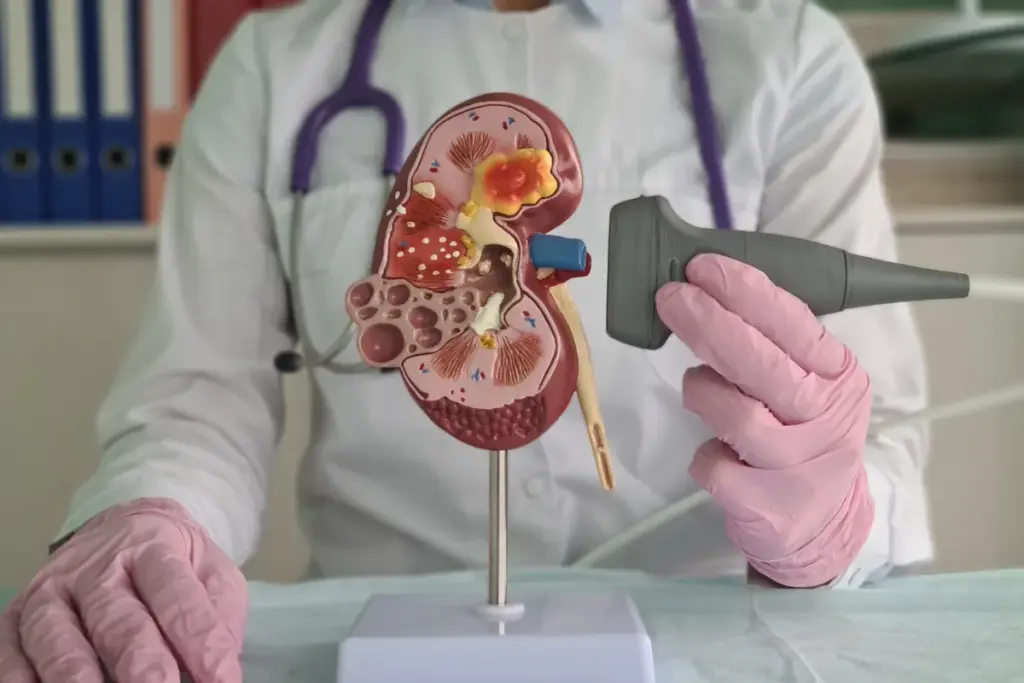
Having half a kidney means you’ve had a partial nephrectomy. This surgery removes only the bad part of the kidney. The good part stays.
Partial Nephrectomy Explained
Partial nephrectomy, or kidney-sparing surgery, removes tumors or damaged tissue. It keeps as many healthy kidneys as it can. It’s for those with early kidney cancer or other diseases.
Key aspects of partial nephrectomy include:
- Preservation of kidney function
- Minimally invasive techniques when possible
- Reduced risk of chronic kidney disease
Difference Between Half a Kidney and One Kidney
Having half a kidney is different from having one kidney. The main difference is the amount of working kidney tissue left.
|
Characteristics |
Half a Kidney |
One Kidney |
|---|---|---|
|
Functional Kidney Tissue |
Partially reduced |
Significantly reduced |
|
Surgical Procedure |
Partial Nephrectomy |
Nephrectomy |
|
Potential Complications |
Risk of kidney function decline |
Higher risk of kidney failure |
Kidney Function After Partial Removal
After partial nephrectomy, the kidney left behind works to filter waste. But, kidney function might be less than before. Patients need to watch for signs of kidney stress or failure.
Factors influencing kidney function post-surgery include:
- The amount of kidney tissue removed
- The patient’s overall health
- Pre-existing kidney conditions
Living with half a kidney means you need to manage it well. Regular check-ups are key to keeping the remaining kidney working right.
Common Reasons for Having One Kidney or Partial Kidney

It’s more common than you might think to have one kidney or a partial one. This can happen due to being born with it, donating a kidney, or needing to have one removed for health reasons. People might be born with only one kidney or have it taken out because of health issues or to help others.
Congenital Conditions and Birth Defects
Some people are born with only one kidney or have kidney problems. Issues like renal agenesis, where a kidney doesn’t form, can cause this. These problems are often found during pregnancy or early in childhood.
Congenital conditions affecting the kidneys can have different effects. Some people might not have any problems, while others might face serious health issues that need treatment.
Kidney Donation for Transplantation
Donating a kidney is a kind act where someone gives one of their kidneys to someone who needs a transplant. This can be to a family member, friend, or even a stranger. Before donating, the donor’s health is checked to make sure they can stay healthy after giving away a kidney.
Living kidney donation is becoming more common and successful. It gives recipients a better life and helps them live longer than those waiting for a kidney from someone who has died.
|
Aspect |
Living Donor |
Deceased Donor |
|---|---|---|
|
Donation Timing |
Can be planned ahead |
Unplanned, upon availability |
|
Recipient Health |
Often healthier at transplant |
Variable, based on waiting time |
|
Donor Evaluation |
Thorough medical and psychological |
Limited information available |
Medical Necessity Removals
Sometimes, a kidney is removed because of health issues like cancer or severe injury. Doctors carefully decide if removing a kidney is the best option after looking at other treatments.
Medical conditions that might lead to kidney removal include cancer, severe damage from injury or infection, and diseases that harm the kidney’s function.
Understanding why someone might have one kidney or a partial one shows how complex and amazing our bodies are. Whether it’s due to being born with it, donating, or needing to remove it for health reasons, living with one kidney requires careful management to stay healthy.
Can You Survive with One Kidney?
The human body can adapt amazingly to having only one kidney. Many people live well with just one kidney, either because of surgery or birth defects. We’ll look at the recovery after kidney removal, how the one kidney works harder, and the concept of compensatory hypertrophy.
Immediate Recovery After Kidney Removal
Recovering from kidney removal surgery is key for health and future kidney function. Hospital stays vary from a few days to a week, based on health and surgery complexity. Care includes managing pain, watching for complications, and slowly getting back to normal.
Patients are watched closely for infection, bleeding, or other issues. Doctors guide on wound care, pain, and follow-up visits for a smooth recovery.
How the Remaining Kidney Compensates
The remaining kidney is vital in taking over after one is removed. It filters waste and excess fluids from the blood. This is amazing and lets many people live normally with one kidney.
Studies show the remaining kidney can increase its function by up to 70% in weeks to months. This adaptation is key for keeping the body’s waste filtering system working.
Compensatory Hypertrophy Explained
Compensatory hypertrophy is when the remaining kidney grows and works harder after losing the other. It’s the kidney cells (nephrons) getting bigger to handle more work. This is how the remaining kidney takes over both kidneys’ roles.
This process is complex, involving cell and molecular changes. It depends on health, any kidney disease, and the patient’s age.
To understand compensatory hypertrophy better, let’s look at this table:
|
Time After Surgery |
Kidney Function (%) |
Compensatory Hypertrophy |
|---|---|---|
|
Pre-Surgery |
100% |
N/A |
|
1 Week |
50% |
Initial Stage |
|
1 Month |
70% |
Progressing |
|
6 Months |
80-90% |
Advanced |
This table shows how the remaining kidney’s function improves over time. Compensatory hypertrophy is key in this adaptation.
Daily Life with One Kidney or Half a Kidney
Many people live active lives with just one kidney. But, they need to think about their health and well-being. Understanding how one kidney affects daily life is key, including physical activities, work, social interactions, and family planning.
Physical Activities and Possible Limitations
People with one kidney can usually do most physical activities. But, they should know the risks. For example, contact sports might be too risky for their remaining kidney.
It’s wise to talk to a doctor about safe exercise levels. Wearing protective gear can also help prevent injuries. Always listen to your body and don’t overdo it, as it can strain your kidney more.
Work and Social Life Considerations
Having one kidney usually doesn’t affect work or social life much. Most people can keep up with their daily routines without big changes. But, it’s important to tell employers and friends about any health needs or special arrangements.
Social activities can stay the same, with some health precautions. Drinking plenty of water, managing stress, and getting enough sleep are key for kidney health.
Pregnancy and Family Planning
Planning a family with one kidney doesn’t necessarily add complications. But, it’s important to work closely with doctors to watch kidney function and overall health during pregnancy.
Women with one kidney might face higher risks like high blood pressure or preeclampsia. Regular prenatal care and monitoring can help manage these risks and ensure a healthy pregnancy.
Dietary Adjustments for Single Kidney Living
A balanced diet is key for those with one kidney to keep their kidneys working well. It’s important to make smart food choices to help your health and your kidney’s health.
Protein Intake Recommendations and Restrictions
Protein is important, but too much can be hard on the kidneys. Talk to a doctor or dietitian to find out how much protein is right for you.
People with one kidney should aim for a moderate amount of protein. A good rule of thumb is about 0.8 grams of protein per kilogram of body weight. But, this can change based on your age, health, and if you have kidney disease.
“The key to managing protein intake is balance. Too little protein can lead to muscle loss, while too much can strain the kidneys.”
Sodium, Potassium, and Phosphorus Management
It’s important to keep an eye on sodium, potassium, and phosphorus levels. Too much sodium can raise blood pressure, which is bad for the kidneys. Try to keep sodium intake under 2,300 milligrams a day.
|
Nutrient |
Recommended Daily Intake |
High-Risk Foods |
|---|---|---|
|
Sodium |
Less than 2,300 mg |
Processed foods, canned soups |
|
Potassium |
2,000-3,000 mg |
Bananas, oranges, potatoes |
|
Phosphorus |
1,000-1,200 mg |
Dairy products, processed meats |
For potassium and phosphorus, it’s best to work with a healthcare provider. Both too much and too little can be harmful.
Hydration Requirements and Water Intake
Drinking enough water is very important for those with one kidney. Water helps the kidneys work right. But, how much water you need can depend on many things like your activity level and where you live.
Drinking 8-10 glasses of water a day is a good start. But, it’s best to talk to a healthcare provider to find the right amount for you.
In conclusion, living with one kidney means making smart food choices. By watching your protein, sodium, potassium, and phosphorus intake, and drinking enough water, you can help keep your kidney healthy.
Lifestyle Modifications to Protect Your Remaining Kidney
Keeping your single kidney healthy requires making lifestyle changes. If you have one kidney, whether by donation or medical need, it’s key to make choices that help your kidney stay healthy for the long term.
Exercise Guidelines and Recommendations
Exercise is important for everyone, including those with one kidney. But, there are some things to watch out for. Aerobic exercises like walking, cycling, or swimming are great because they’re good for your heart without being too hard on your body.
Adding strength training to your routine is also good. It helps keep your muscles strong and your body healthy. Talk to your doctor to create an exercise plan that’s right for you.
|
Exercise Type |
Benefits |
Precautions |
|---|---|---|
|
Aerobic Exercises |
Improves cardiovascular health, boosts mood |
Avoid high-impact activities that may cause injury |
|
Strength Training |
Maintains muscle mass, supports bone health |
Start with light weights, gradually increase intensity |
Contact Sports and Physical Injury Prevention
One big risk for people with one kidney is getting hurt. Staying away from contact sports like football, hockey, or wrestling is a good idea. If you’re doing activities that could hurt your belly, wear protective gear.
Alcohol, Tobacco, and Medication Considerations
What you choose to drink, smoke, and take for medicine matters a lot for your kidney. Drinking less is better because too much alcohol can hurt your kidneys. Not smoking at all is best because smoking raises your risk of kidney disease.
When it comes to medicine, listen to what your doctor says. Some medicines, like NSAIDs, can harm your kidneys if you take too much or the wrong kind. Always check with your doctor before starting any new medicine or supplement.
- Limit alcohol intake to moderate levels.
- Avoid tobacco products entirely.
- Use medications judiciously and under medical supervision.
Medical Monitoring When Living with One Kidney
For those with one kidney, regular medical checks are a must. This is true whether you donated a kidney, had to remove one for health reasons, or were born with only one. It’s key to keep your remaining kidney in top shape.
Regular Check-ups and Screening Tests
Regular visits to the doctor and tests are essential for kidney health. We suggest yearly check-ups to check your kidney function. Blood and urine tests can spot problems early.
Warning Signs of Kidney Stress
Knowing the signs of kidney stress is important. Look out for swelling, feeling very tired, or changes in how you pee. If you notice these, tell your doctor right away.
When to Seek Immediate Medical Attention
It’s vital to know when to get help fast. Severe pain, fever, or trouble peeing are signs to see a doctor quickly. If you’re worried about your health, don’t wait to get help.
In summary, taking care of your health with one kidney is all about regular check-ups. By staying informed and working with your doctor, you can live a full and healthy life.
Potential Health Risks and Complications
Having one kidney can be manageable, but knowing the risks is key. People with one kidney face dangers like hypertension, proteinuria, and long-term kidney disease. It’s important to take steps to prevent these issues.
Hypertension and Its Impact on Kidney Function
Hypertension is a big worry for those with one kidney. High blood pressure can strain the remaining kidney, causing damage over time. It’s vital to keep blood pressure in check through lifestyle changes and, if needed, medication.
Here are some ways to manage high blood pressure:
- Eat a diet low in sodium and high in fruits, vegetables, and whole grains
- Stay active with exercises like walking or aerobic activities
- Keep a healthy weight and body mass index (BMI)
- Drink less alcohol and avoid tobacco
Proteinuria Concerns and Monitoring
Proteinuria, or too much protein in the urine, is a concern for those with one kidney. It can signal kidney stress or damage. It’s important to regularly test for proteinuria through urine tests.
If proteinuria is found, your doctor might suggest:
- Changing your diet to eat less protein or choose different protein sources
- Medicines to manage proteinuria and protect your kidneys
- Regular check-ups to watch your kidney health and adjust treatment as needed
Long-term Kidney Disease Risk Assessment
Those with one kidney might face a higher risk of long-term kidney disease. Regular check-ups and tests are key to tracking kidney health and catching problems early. It’s important to work with your healthcare provider to create a monitoring plan that fits you.
Several factors can affect your risk of long-term kidney disease:
- Family history of kidney disease
- Other health conditions like diabetes or hypertension
- Lifestyle choices, including diet, exercise, and smoking
Living Kidney Donation: Outcomes and Considerations
The process of living kidney donation is complex. It involves choosing donors, transplant success rates, and long-term health. It’s important to know how these factors affect the success of this life-saving procedure.
Donor Selection Process in the United States
The donor selection process is thorough. Potential donors go through many medical tests to check their health and match with the recipient. These tests include blood type matching, tissue typing, and disease screenings.
Psychological evaluations also happen. They check if the donor is mentally ready for surgery and can handle the emotional side of donation. This careful selection aims to protect both the donor and the recipient.
Living Donor Kidney Transplant Success Rate
Living donor kidney transplants are more successful than those from deceased donors. The success of these transplants comes from choosing the right donors and the quality of the kidney. The recipient’s health also plays a big role.
Research shows that living donor transplants have better survival rates and fewer complications. Improvements in surgery and treatments have also boosted these outcomes.
Long-term Health Outcomes of Kidney Donors
It’s important to think about the long-term health of kidney donors. Studies say that most donors stay healthy after giving a kidney. But, they might need to change their lifestyle to protect their other kidney.
Regular check-ups are key for donors. They help keep an eye on the donor’s kidney and overall health. Donors should eat well, drink plenty of water, and avoid activities that could harm their remaining kidney.
Understanding the outcomes and considerations of living kidney donation helps support both donors and recipients. This support is vital throughout the transplant journey.
Personal Stories: Thriving with One Kidney
Many people live active, healthy lives with just one kidney. Their stories are truly inspiring. They show how our bodies can adapt and offer hope and insights to others in similar situations.
American Athletes with Single Kidneys
Several American athletes have reached the top despite having only one kidney. Their stories prove that one kidney doesn’t limit physical abilities or achievements. For example, Jon Ecker, a pro basketball player, has played in many leagues with one kidney.
These athletes inspire by showing that with care and management, one can lead an active life. They play sports and do physical activities. As “You don’t have to be defined by your limitations; you can achieve great things.” many say, despite physical challenges.
Kidney Donors’ Life Experiences
Kidney donors often say their experience was life-changing. It’s not just for the recipient but also for them. Donating a kidney can give a new sense of purpose and well-being.
“Donating my kidney was the best decision I ever made. It not only saved my brother’s life but also gave me a new perspective on life.”
is a common feeling among donors.
These donors report a positive impact on their lives. They highlight the importance of their decision and the care for their remaining kidney. We admire their altruism and courage, showing the value of living donation.
Life After Kidney Removal for Medical Reasons
Life can be different after losing a kidney due to medical reasons like cancer or injury. Adjusting to life with one kidney means following new health guidelines. This includes dietary changes and regular check-ups.
Yet, many lead fulfilling lives after kidney removal. They share their experiences to help others understand the possibilities and challenges of living with one kidney. As one person said,
“After my kidney removal, I had to make significant lifestyle changes, but it’s been worth it to regain my health.”
By sharing these stories, we aim to inspire and inform people about living with one kidney. We show that with the right mindset and care, one can thrive in life.
Medical Perspectives on Single Kidney Function
Nephrologists and researchers are learning more about living with one kidney. As they understand more, they give better advice to people with less kidney power.
What Leading US Nephrologists Say About Living with One Kidney
Top nephrologists in the US share important insights.says, “People with one kidney can live normally. But they need to watch their health and protect their kidneys.”
Experts stress the need for regular health checks and a healthy lifestyle. They recommend:
- Eating a balanced diet
- Drinking plenty of water
- Avoiding too much protein
- Keeping an eye on blood pressure
Latest Research on Single Kidney Function and Longevity
New studies look at the long-term effects of one kidney. A study in the Journal of the American Society of Nephrology shows one kidney can lead to a long, healthy life. But, there are risks, like a higher chance of chronic kidney disease.
This research highlights the need for ongoing care and prevention. Key areas of study include:
- The effect of high blood pressure on one kidney
- The role of diet in keeping kidneys healthy
- The long-term effects of donating a kidney
Future Medical Innovations in Kidney Care
Medical technology is getting better, which means better care for those with single kidneys. New areas like regenerative medicine and better diagnostic tools are emerging.
Regenerative medicine might help fix or replace damaged kidney tissue. This gives hope to those with kidney disease.
We can look forward to more progress in understanding and managing single kidney function. This will improve life for those affected.
Conclusion
We’ve looked into the details of living with one kidney. This includes the medical, lifestyle, and personal sides of it. With the right steps, people can live normally and healthily with one kidney.
Keeping your kidneys healthy is key, more so if you have only one. Making smart food choices, living safely, and seeing doctors regularly can help. These actions can lower risks and problems.
Our talk showed how caring for one kidney is all about a big picture. We’ve seen how people with one kidney can do well. Doctors and scientists are always working to improve kidney care.
To wrap it up, having one kidney can be tough, but it’s not impossible. With the right care and focus on kidney health, you can live well.
FAQ
Can you live a normal life with one kidney?
Yes, many people live normal, healthy lives with one kidney. The remaining kidney works harder to make up for the loss. This is called compensatory hypertrophy.
How long can you survive with one kidney?
With proper care, people with one kidney can live long, healthy lives. It’s important to protect the remaining kidney. This can be done through lifestyle changes and regular doctor visits.
What are the dietary adjustments for living with one kidney?
People with one kidney should eat a balanced diet. They should limit protein, sodium, potassium, and phosphorus. Staying hydrated is also key. Dietary needs can vary based on individual health.
Are there any lifestyle modifications necessary for living with one kidney?
Yes, to protect the remaining kidney, follow exercise guidelines. Avoid contact sports that could cause injury. Limit alcohol and tobacco use. Be careful with medication.
What are the possible health risks with one kidney?
People with one kidney may face risks like hypertension, proteinuria, and kidney disease. Regular medical check-ups are vital to manage these risks.
Can you donate a kidney and live a healthy life?
Yes, living kidney donors can live healthy lives after donation. The selection process for donors is strict. It ensures donors can safely donate without harming their health.
How does having half a kidney differ from having one kidney?
Having half a kidney means part of one kidney is removed. This is different from having one kidney, where the whole kidney is removed or missing. The impact on kidney function varies based on the amount of tissue left.
What are the implications of living with half a kidney?
Living with half a kidney requires similar considerations as living with one kidney. This includes dietary adjustments, lifestyle changes, and regular medical monitoring, depending on kidney function.
Can you engage in physical activities with one kidney?
Yes, most people with one kidney can do physical activities. But, it’s wise to avoid contact sports that could harm the remaining kidney.
How does pregnancy affect a woman with one kidney?
Women with one kidney can have successful pregnancies. But, they need careful monitoring for risks like hypertension and proteinuria. Pre-pregnancy counseling and close obstetric care are recommended.
What is compensatory hypertrophy?
Compensatory hypertrophy is when the remaining kidney works harder after losing the other. This helps keep overall kidney function and supports the body’s needs.
How often should you have medical check-ups with one kidney?
Regular medical check-ups are key for people with one kidney. They help monitor kidney function, blood pressure, and overall health. Check-up frequency depends on individual health and risk factors.
Reference
National Center for Biotechnology Information. Evidence-Based Medical Insight. Retrieved from https://pmc.ncbi.nlm.nih.gov/articles/PMC7840672/