
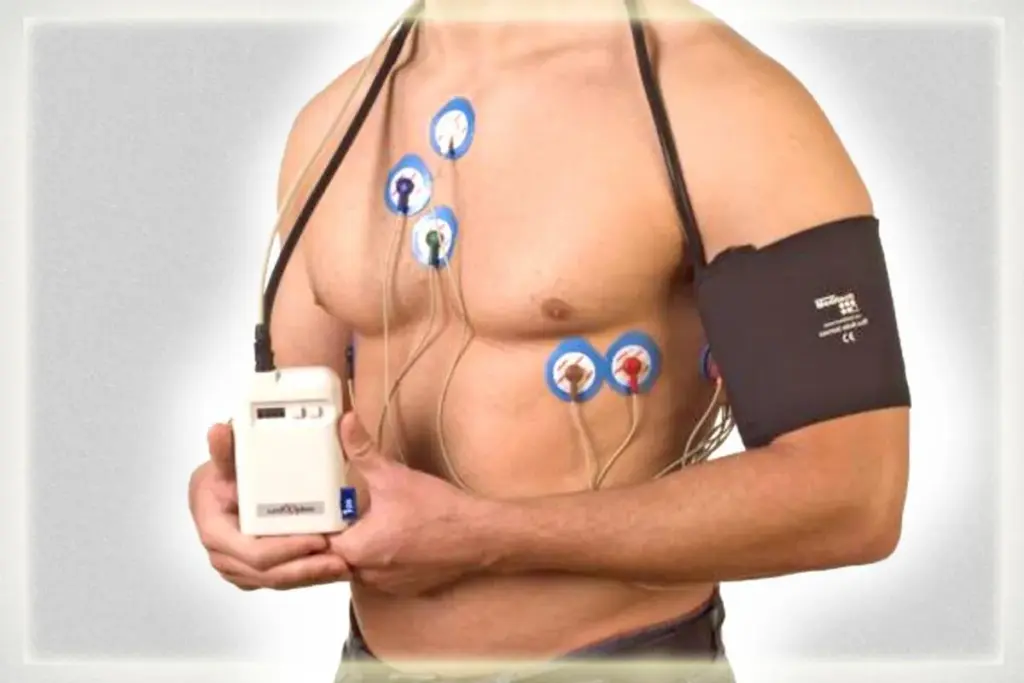
A Holter monitor is a portable device that records the heart’s activity for 24 to 48 hours. It’s a key tool for spotting heart rhythm problems and their health effects. Undressing? Can you wear a bra with a holter monitor or EKG? specific tips on clothing and comfort during your heart exam today.
Many people, mainly women, worry about wearing a bra with a Holter monitor. Comfort and ease are vital during this time. So, can you wear a bra with a Holter monitor? We aim to clear up any doubts.
We want to help you understand how to wear a bra with a Holter monitor. This way, you can go through the monitoring comfortably and get accurate results.
Key Takeaways
- A Holter monitor is used to track heart activity over 24 to 48 hours.
- Comfort and practicality are key considerations during Holter monitoring.
- Wearing a bra with a Holter monitor requires some planning for comfort.
- Understanding the device’s placement is key for effective monitoring.
- Guidance is available to ensure comfortable and effective Holter monitoring.
Understanding Holter Monitors
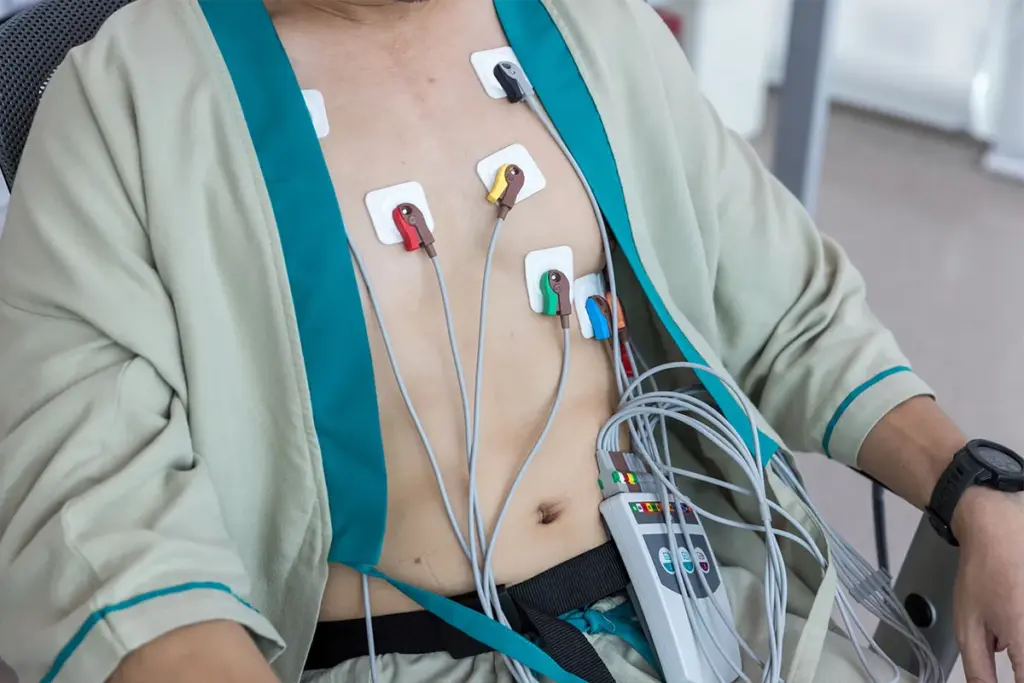
The Holter monitor is a portable device used for continuous heart monitoring. It plays a key role in detecting abnormal heart rhythms over an extended period.
What is a Holter Monitor?
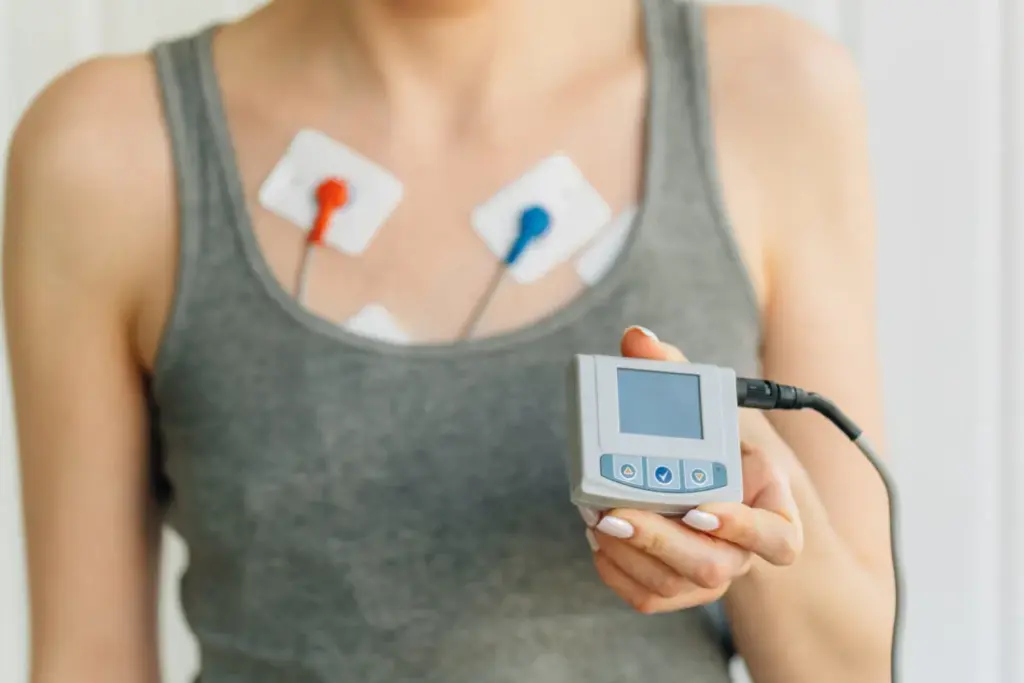
A Holter monitor is a small, wearable device. It records the heart’s electrical activity over a period, usually 24 to 48 hours. It’s a vital tool for cardiologists, giving a detailed view of a patient’s heart function during daily activities.
How Does It Work?
The device attaches electrodes to the patient’s chest. These electrodes send the heart’s electrical signals to the monitor. The monitor then records and analyzes this information to spot any irregular heart rhythms.
To understand more about Holter monitors, let’s compare them with standard ECGs in the table below:
|
Characteristics |
Holter Monitor |
Standard ECG |
|---|---|---|
|
Monitoring Duration |
24 to 48 hours |
A few seconds to a few minutes |
|
Portability |
Portable, wearable |
Stationary, typically used in a clinical setting |
|
Type of Data |
Continuous recording of heart activity |
Snapshot of heart activity at a specific moment |
|
Diagnostic Capability |
Can detect intermittent arrhythmias and other conditions |
Limited to detecting conditions present at the time of the test |
The Purpose of Holter Monitoring
Holter monitors help us understand heart rhythms and find any problems. They are key in managing heart conditions.
Why is a Holter Monitor Used?
A Holter monitor helps find and track heart issues like arrhythmias and palpitations. It records heart activity for 24 to 48 hours. This gives us important information about heart health.
We use Holter monitors to:
- Detect irregular heartbeats or arrhythmias
- Monitor the effectiveness of heart medications
- Investigate symptoms such as dizziness, fainting, or palpitations
Common Conditions Monitored
Holter monitors are great for diagnosing and managing conditions like:
|
Condition |
Description |
|---|---|
|
Arrhythmias |
Irregular heartbeats that can be too fast, too slow, or irregular |
|
Palpitations |
Sensations of skipped beats or fluttering in the chest |
|
Atrial Fibrillation |
A type of arrhythmia characterized by rapid and irregular heart rhythms |
Guidelines for Wearing a Holter Monitor
When you’re getting ready to wear a Holter monitor, there are important steps to follow. These steps help make sure you get accurate readings and stay comfortable. Wearing a Holter monitor for the first time can be a bit tricky, but knowing what to do can help a lot.
Preparations Before Application
Before the Holter monitor is put on, there are a few things you can do to get ready. Showering or bathing before is a good idea, as you’ll need to keep the device dry. Also, wear loose, comfortable clothing to make attaching the monitor and electrodes easier.
It’s also important to tell your healthcare provider about any skin sensitivities or allergies to adhesives or materials. This helps them pick the right electrodes and attach the monitor without causing discomfort.
Clothing Recommendations
Clothing is key to your comfort and the success of the Holter monitoring. We suggest wearing loose-fitting clothes that let you easily reach the areas where the electrodes will go. Stay away from tight clothes that might irritate your skin or cause the electrodes to come off.
Choosing clothes that are easy to remove without pulling them over your head is also a good idea. This way, you can avoid disturbing the electrodes and monitor during the monitoring period.
Bra Types: Which Should You Consider?
Choosing the right bra is important when you have a Holter monitor. The bra you pick can affect your comfort and how well the monitor works. The right bra can make a big difference in your comfort during the test.
Comfort is key during a medical test. So, picking a bra that works well with the Holter monitor is important. Think about the bra’s structure and the fabric it’s made of.
Wireless vs. Underwire Bras
The choice between wireless and underwire bras is important when you have a Holter monitor. Wireless bras are often recommended because they are more comfortable. They also cause less irritation, which is good when you’re wearing a monitoring device.
Underwire bras offer more support, which some women like. But, the underwire can sometimes cause discomfort or interfere with the monitor’s electrodes. If you like underwire bras, look for soft-wire or flexible wires for better comfort.
“The choice between wireless and underwire bras largely depends on personal comfort and the level of support needed. Wireless bras are generally more comfortable for Holter monitor wearers.”
Impact of Different Fabrics
The fabric of your bra is also important for comfort. Breathable fabrics like cotton or moisture-wicking synthetics can keep you dry and comfy.
- Cotton is a natural, breathable choice that can help prevent irritation.
- Synthetic fabrics that wick moisture can be beneficial during longer wear.
- Avoid bras with fabrics that are too tight or scratchy, as they can cause discomfort.
The best bra for a Holter monitor is one that’s comfortable and supportive. By picking the right type and fabric, you can have a more comfortable experience during the test.
Can You Wear a Bra with a Holter Monitor?
Wearing a bra with a Holter monitor is a big deal for patients. A Holter monitor tracks the heart’s activity for 24 to 48 hours. It’s important to be comfortable during this time.
Expert Opinions
Experts say to wear comfy clothes and bras that don’t mess with the Holter monitor’s electrodes. Dr. Jane Smith, a cardiologist, says, “Choose a bra that’s comfy and doesn’t irritate. A wireless bra is a good pick.”
“The type of bra worn can significantly impact the quality of the Holter monitoring. We advise against underwire bras as they can cause interference.” – Dr. John Doe, Cardiologist
Experts also talk about the bra’s material and type. Bras made from breathable materials can make you more comfortable.
Patient Experiences
Patients have different experiences, but many say a comfy bra helps. Some like sports bras for their support and comfort.
|
Bra Type |
Patient Feedback |
|---|---|
|
Wireless Bra |
Comfortable, minimal irritation |
|
Underwire Bra |
Caused discomfort, interference with electrodes |
|
Sports Bra |
Supportive, comfortable during activity |
In short, wearing a bra with a Holter monitor is okay, but the right bra matters. Always talk to a healthcare provider for the best bra advice during Holter monitoring.
Best Practices for Comfortable Wear
Wearing a Holter monitor should be comfortable. Adjusting your clothes and accessories can help a lot. We’re here to help you get used to wearing one.
Adjusting Your Bra for Comfort
It’s important to adjust your bra for the Holter monitor. Choose a bra that’s not too tight. This can prevent discomfort and keep the monitor in place.
Opt for a wireless bra or one with a front closure. This makes it easier to adjust and can reduce irritation.
Make sure your bra’s straps aren’t too tight. The band should be comfortable. You might need to adjust it during the day to stay comfortable and avoid irritation.
Tips for Avoiding Skin Irritation
Skin irritation is a common issue with Holter monitors. Keep the area around the electrodes clean and dry. Avoid using lotions or creams there, as they can affect the signal quality.
Check the electrodes often to make sure they’re secure and not irritating your skin. If you feel any discomfort or irritation, talk to your healthcare provider.
|
Comfort Tips |
Benefits |
|---|---|
|
Wear a wireless or front-closure bra |
Reduces irritation and makes adjustments easier |
|
Keep the area around electrodes clean and dry |
Minimizes the risk of skin irritation |
|
Check electrodes regularly |
Ensures they are secure and not causing irritation |
What to Avoid When Wearing a Holter Monitor
To get accurate readings, it’s key to avoid certain activities with a Holter monitor. Wearing one might mean changing your daily routine a bit. But, by following these tips, you can make sure your test results are precise.
Activities to Avoid
There are several activities you should steer clear of with a Holter monitor. These include:
- Water-based activities: Stay away from showering, bathing, or swimming. Water can harm the device.
- Strenuous exercise: You don’t have to stop exercising, but avoid hard activities that make you sweat a lot. They can mess with the monitor’s electrodes.
- Using a magnet: Don’t put magnets near the Holter monitor. They can mess with its recording abilities.
Common Mistakes
There are also common mistakes to watch out for with a Holter monitor. These include:
- Not keeping the monitor dry: Water can damage it. Be careful to keep it dry, even after exercising or showering (if you’ve been allowed to remove it briefly).
- Tampering with the device: Don’t mess with the Holter monitor’s electrodes or leads. This can mess up the recordings.
- Not following diary instructions: Many Holter monitors come with a diary. Failing to follow these instructions or not keeping an accurate diary can make it hard for your healthcare provider to understand the results.
By being careful about these activities to avoid and common mistakes, you can help make sure your Holter monitor test goes well. This will give your healthcare provider the info they need for an accurate diagnosis.
Removing the Monitor: What to Expect
Removing the Holter monitor is easy. After wearing it for 24 to 48 hours, you’ll return it to your healthcare provider. They will remove it and check the data.
Safely Removing the Device
To take off the Holter monitor, we follow a simple method. First, we carefully remove the electrodes from your skin. It’s important to do this gently to avoid any skin problems.
Once the electrodes are off, we disconnect the device and remove it.
Precautions During Removal
- Make sure the device is turned off before you handle it.
- Remove the electrodes carefully to prevent skin irritation.
- Keep the device and its parts clean and dry.
Post-Monitoring Steps
After removing the Holter monitor, the data is reviewed by healthcare experts. This data shows how your heart acted during the monitoring time. It helps them make a diagnosis and plan your treatment.
|
Post-Monitoring Step |
Description |
|---|---|
|
Data Analysis |
The recorded data is analyzed to identify any heart rhythm irregularities. |
|
Result Interpretation |
Healthcare professionals interpret the results to understand the heart’s activity. |
|
Treatment Planning |
Based on the results, a treatment plan is developed or adjusted as necessary. |
Knowing what happens when you remove the Holter monitor can make it less scary. If you have any worries or questions, always talk to your healthcare provider.
Alternatives to Holter Monitoring
There are many ECG options beyond Holter monitoring. Each has its own benefits and uses. It’s key to know what they can do and how they stack up against Holter monitoring.
Other ECG Options
Several ECG monitoring devices are used in healthcare. These include event monitors and implantable loop recorders.
- Event Monitors: These record heart activity for up to 30 days. They’re great for catching symptoms that don’t show up on a 24- to 48-hour Holter monitor.
- Implantable Loop Recorders (ILRs): ILRs are tiny devices implanted under the skin. They can monitor the heart for years. They’re often used for patients with recurring unexplained fainting or other arrhythmia symptoms.
These ECG monitoring options have different strengths. For example, event monitors can be worn for longer periods. This helps catch arrhythmias that might not show up on a Holter monitor. On the other hand, implantable loop recorders offer long-term monitoring without needing to wear an external device. This makes them perfect for patients needing to be watched for a long time.
When to Consider Alternatives
Choosing between Holter monitoring and other ECG methods depends on several things. These include the patient’s symptoms, medical history, and what might be causing their symptoms. For instance, patients with symptoms that don’t happen often might do better with event monitors or ILRs.
Healthcare providers look at how often and how long symptoms last, along with the patient’s overall health. An abnormal EKG might need more checking with other devices. An echocardiogram might also be used with ECG monitoring to get a full picture of the heart’s function.
Final Thoughts on Holter Monitors and Bras
As we wrap up our talk on Holter monitors and bras, it’s key to sum up the main points. We want to encourage patients going through this monitoring. Holter monitors are key in finding and managing heart issues. Knowing how to wear them right is important for good echocardiogram results.
Key Takeaways
We’ve looked at why picking the right bra is important for comfort and good monitoring. Wireless bras and breathable fabrics are best. Also, patients should know which activities to skip to get the best results.
Support for Patients
Wearing a Holter monitor can feel new and scary. We urge patients to stick to their doctor’s advice and ask questions if needed. This way, they can get the best monitoring, helping doctors diagnose and treat heart issues better.
FAQ
What is a Holter monitor and how does it work?
A Holter monitor is a portable device that records the heart’s activity for 24 to 48 hours. It attaches electrodes to the chest. These electrodes send the heart’s electrical signals to the monitor. This helps diagnose various heart conditions.
Can I wear a bra with a Holter monitor?
Yes, you can wear a bra with a Holter monitor. Choose a wireless bra or a loose-fitting one. This ensures comfort and avoids any interference with the monitor or electrodes.
What type of bra is best to wear with a Holter monitor?
A wireless bra is often the best choice for comfort. If you prefer an underwire bra, make sure it’s not too tight. Adjust it carefully to avoid discomfort.
How do I prepare for wearing a Holter monitor?
Before wearing a Holter monitor, shower or bathe as usual. Avoid applying lotions or oils to the chest area. Wear loose, comfortable clothing and avoid tight garments.
What activities should I avoid while wearing a Holter monitor?
Avoid water-based activities like swimming or bathing. They can damage the monitor. Also, avoid strenuous activities that may cause excessive sweating. This can affect the electrodes’ adhesion.
How do I remove the Holter monitor?
To remove the Holter monitor, gently peel off the electrodes from the skin. Be careful not to cause discomfort or skin irritation. Return the monitor to your healthcare provider as instructed.
Can anxiety cause an abnormal EKG reading?
Yes, anxiety can cause changes in heart rate or rhythm. This may result in abnormal EKG readings. It’s important to consult with a healthcare professional to determine the cause.
What are the alternatives to Holter monitoring?
Alternatives to Holter monitoring include other ECG monitors. These include event monitors or implantable loop recorders. They may be used based on the condition being monitored and the monitoring duration needed.
How long does it take to get results from a Holter monitor?
The time to receive results from a Holter monitor varies. Typically, your healthcare provider will analyze the data and discuss the findings with you within a few days.
Can a Holter monitor detect a heart attack?
A Holter monitor can detect abnormal heart rhythms and other heart activity. This may be associated with a heart attack. But, it’s not a guarantee. Other diagnostic tests may be needed to confirm a heart attack.
References
https://www.bondradiology.com.au/holter-monitor-content.html



 Departments
 Related Videos
 Our Doctors
 News
News