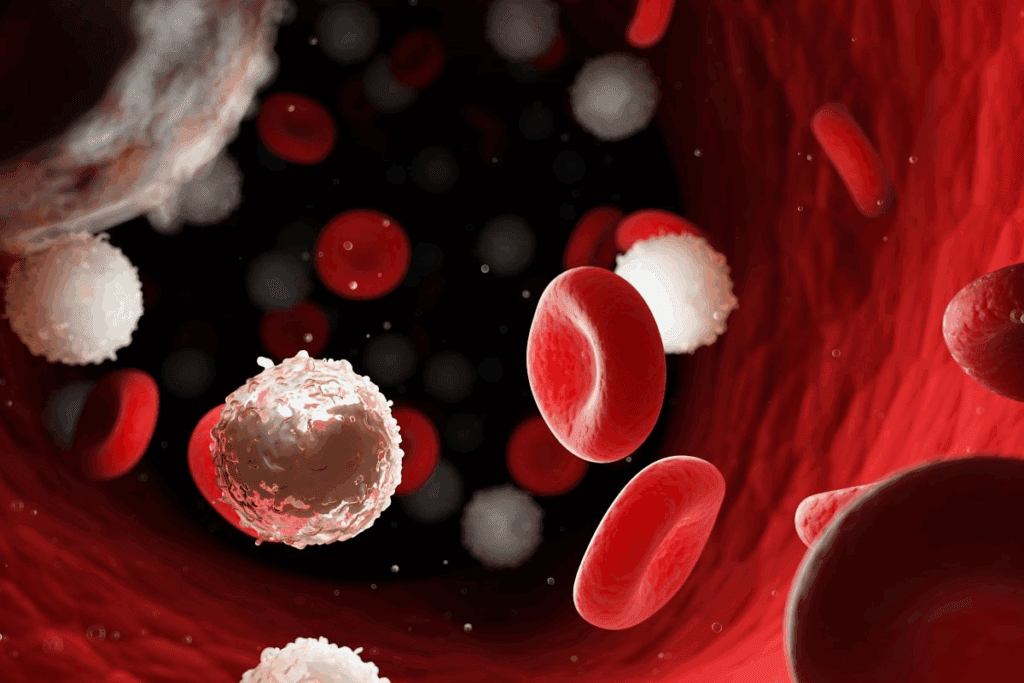
Lymphoma is a type of lymphatic cancer that affects the immune system. In children, it can show up in different ways. This makes it hard to diagnose and treat.
Recent stats show that lymphoma is a common cancer in kids. Knowing what causes it and its signs is key. This helps find it early and treat it well.
We don’t know all the reasons why childhood lymphoma happens. But studies say genes and the environment might be involved.
Key Takeaways
- Understanding lymphoma in children is key for early detection.
- Lymphoma is a big health issue in kids with cancer.
- Spotting the signs and symptoms is important for quick medical help.
- Genes and the environment might help cause lymphoma.
- More research is needed to find out why lymphoma happens in kids.
Understanding Childhood Lymphoma
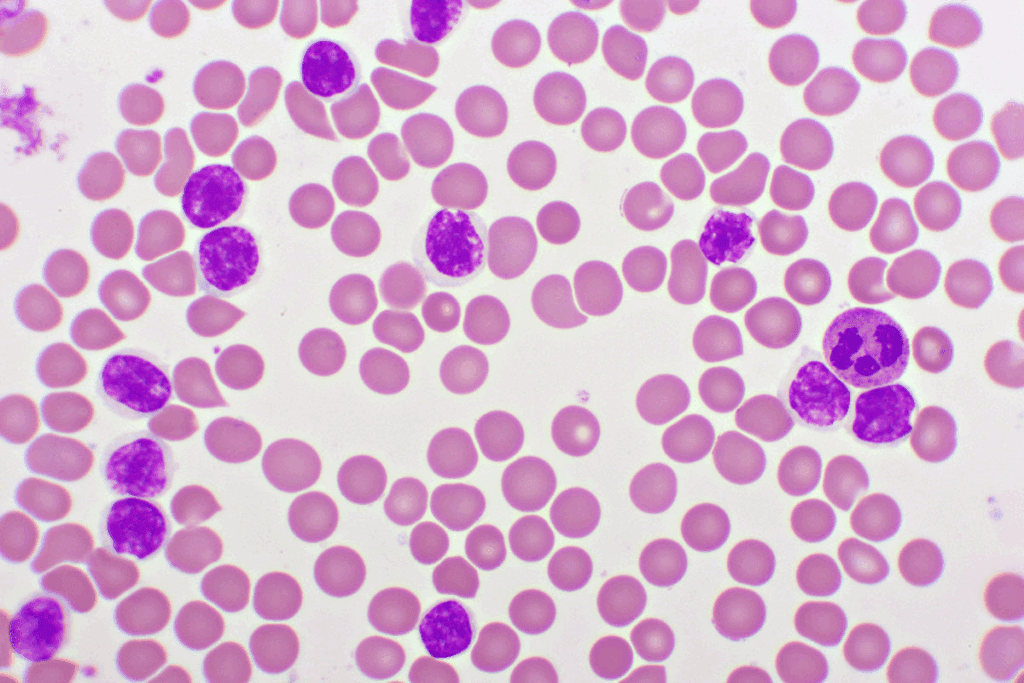
Lymphoma in children is a cancer that affects the lymphatic system. It’s important to understand it well for the right treatment. The lymphatic system helps fight off infections and is made up of lymph nodes, spleen, and lymphoid tissues.
Definition and Classification of Lymphoma
Lymphoma starts from lymphocytes, a key white blood cell for fighting off infections. It’s divided into two main types: Hodgkin lymphoma and non-Hodgkin lymphoma. Each type has its own signs and treatment plans.
Doctors also look at the cell type, genetic features, and how the cancer behaves. This helps them choose the best treatment for each child.
Prevalence and Incidence in Children
Lymphoma is a big part of pediatric cancers. Non-Hodgkin lymphoma is more common in younger kids, while Hodgkin lymphoma is seen more in teens.
The rates of lymphoma vary by place and are affected by genetics, environment, and infections. Knowing this helps in planning for public health and finding the causes of childhood lymphoma.
The Lymphatic System in Children
The lymphatic system in kids is key for their immune health. It helps remove harmful stuff and fights off infections. It’s vital for keeping them healthy.
Normal Function and Development
The lymphatic system protects the body from sickness. It filters out bad stuff and helps white blood cells get rid of pathogens. In kids, it’s growing and getting better at fighting off germs.
As kids get older, their lymphatic system gets stronger. This helps them fight off infections better. It’s a complex process that involves many parts of the body.
How Lymphoma Disrupts Normal Function
Lymphoma is a cancer that messes with the lymphatic system. It makes lymphocytes grow too much. This fills lymph nodes with cancer cells, making it hard to fight off infections.
Lymphoma can cause swollen lymph nodes, fever, and tiredness. Knowing how it affects the lymphatic system is important. It helps spot early signs and get help fast.
Early detection of lymphoma is critical for effective treatment. Spotting signs like swollen lymph nodes or fevers early can help. It can lead to better treatment and outcomes for kids with lymphoma.
Types of Childhood Lymphoma
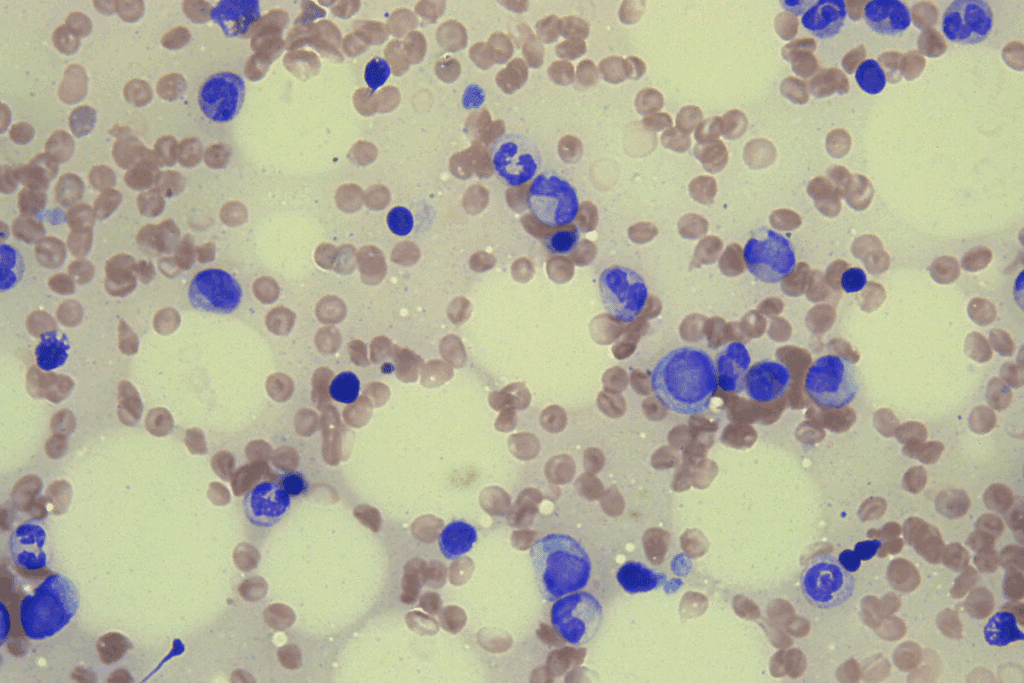
Childhood lymphoma is mainly split into Hodgkin and non-Hodgkin lymphoma. Each type has its own traits and treatment methods.
Hodgkin Lymphoma in Children
Hodgkin lymphoma, also known as Hodgkin’s disease, starts from lymphocytes, a white blood cell type. It’s marked by Reed-Sternberg cells, abnormal lymphocytes seen under a microscope.
Key features of Hodgkin lymphoma in children include:
- Often starts in a single lymph node or group of lymph nodes
- Can spread to other lymph nodes and organs
- Typically involves the lymph nodes in the neck, chest, or underarms
Non-Hodgkin Lymphoma in Children
Non-Hodgkin lymphoma (NHL) is a varied group of lymphomas without Reed-Sternberg cells. NHL in children can differ greatly in how aggressive it is and how well it responds to treatment.
Some common characteristics of non-Hodgkin lymphoma in children are:
- Can occur in lymph nodes or outside the lymphatic system
- Often presents with symptoms related to the location of the tumor
- May involve the abdomen, chest, or head and neck regions
Knowing the exact type of lymphoma is key to finding the best treatment.
Primary Causes of Childhood Lymphoma
Lymphoma in children comes from many sources. These include genetic, immune system, and environmental factors. Knowing these causes helps doctors find better treatments.
Genetic Mutations and Chromosomal Abnormalities
Genetic changes and chromosomal problems are key in childhood lymphoma. These issues can mess up how cells in the lymphatic system work. This can cause cancer to grow.
Some genetic mutations mess with cell growth, leading to too many cells. Chromosomal translocations, where chromosomes swap parts, are also seen in lymphoma.
Immune System Dysfunction
A weak immune system raises the risk of lymphoma. A weak immune system can’t fight off infections or fix DNA damage. This can lead to cancer.
Immune problems, like immunodeficiency disorders, increase lymphoma risk. So do treatments that weaken the immune system, like those for organ transplants.
Viral Infections and Lymphoma Development
Viral infections can also cause lymphoma in children. Some viruses can change lymphocytes, leading to cancer.
For example, Epstein-Barr Virus (EBV) is linked to lymphoma. EBV can infect B lymphocytes and sometimes turn them cancerous.
Risk Factors for Developing Lymphoma in Children
Lymphoma in children is caused by genetics, environment, and past medical treatments. Knowing these factors helps find kids at higher risk. It also aids in early detection and prevention.
Family History and Genetic Predisposition
A family history of lymphoma or other cancers raises a child’s risk. Some genetic mutations or chromosomal issues can also increase this risk.
Children with a family history of lymphoma are more likely to get it. A study shows genetic counseling is key for families with cancer history.
| Genetic Condition | Associated Risk |
| Li-Fraumeni Syndrome | Increased risk of various cancers, including lymphoma |
| Ataxia-Telangiectasia | Higher risk of developing lymphoma and leukemia |
Environmental Exposures
Some environmental factors raise lymphoma risk in kids. These include pesticides, ionizing radiation, and certain chemicals.
For example, kids exposed to pesticides have a higher risk. Ionizing radiation, like from nuclear accidents, also increases risk.
Previous Medical Treatments
Medical treatments like radiation or certain chemotherapy raise lymphoma risk in kids. Kids who have had organ transplants and are on long-term immunosuppressive therapy are also at higher risk.
Knowing these risks helps healthcare providers and parents watch kids closely. This can lead to early detection of lymphoma if it develops.
By understanding these risk factors, we can work together. This helps monitor kids at higher risk and may reduce lymphoma incidence through early intervention.
Cancer Childhood Symptoms: Recognizing Lymphoma
It’s important to spot lymphoma symptoms in kids early. This cancer affects the immune system and can show up in different ways. This makes it hard to catch.
Early Warning Signs
Some early signs of lymphoma in kids are:
- Painless swelling of lymph nodes in the neck, armpits, or groin
- Unexplained fever
- Night sweats
- Weight loss
- Fatigue
- Loss of appetite
These signs can look like other common childhood illnesses. So, parents and doctors need to watch closely.
Age-Specific Symptom Presentation
Lymphoma symptoms can look different in kids of different ages. For example:
- Young kids might just seem off or not want to eat.
- Teenagers and older kids might have more obvious signs like swollen lymph nodes.
Knowing these age differences helps catch it early.
Distinguishing Lymphoma Symptoms from Common Childhood Illnesses
Telling lymphoma symptoms from other childhood illnesses can be tough. But, there are clues:
- Signs that don’t go away or get worse are often lymphoma.
- Seeing many symptoms at once, like fever and weight loss, points to lymphoma.
Diagnosing lymphoma in kids needs a detailed approach. Knowing the early signs and how they change with age helps. This way, parents and doctors can work together to find and treat it well.
Diagnostic Process for Childhood Lymphoma
Diagnosing childhood lymphoma is a detailed process. It combines clinical checks and advanced tests. Doctors aim to find out if the disease is there, what type it is, and how far it has spread.
Initial Evaluation and Physical Examination
The first step is a detailed medical history and physical check-up. Doctors look for signs like swollen lymph nodes, fever, or weight loss. They also check for any other unusual signs.
Key components of the initial evaluation include:
- Detailed medical history
- Physical examination focusing on lymph node regions
- Assessment of overall health and presence of symptoms
Imaging Studies and Laboratory Tests
Imaging studies are key in diagnosing and understanding the disease. X-rays, CT scans, MRI, and PET scans show how far the disease has spread. Blood tests and other lab work check the child’s health and organs.
| Imaging Study | Purpose |
| CT Scan | Assesses lymph node involvement and organ enlargement |
| PET Scan | Evaluates metabolic activity of lymph nodes and possible spread |
| MRI | Provides detailed images of soft tissues and organs |
A medical expert says, “Imaging studies are vital for diagnosing and understanding lymphoma. They help decide on treatment and check how well it’s working.”
“The use of imaging studies and lab tests helps us accurately diagnose and manage childhood lymphoma.”
Biopsy and Staging Procedures
A biopsy is the main way to diagnose lymphoma. It involves taking a sample of a lymph node or affected tissue. This sample is then checked to find out the type of lymphoma and its details. Staging tests, like bone marrow biopsies and lumbar punctures, show how widespread the disease is.
The findings from these tests guide treatment plans and help predict the outcome. Knowing about the diagnostic process is important for families and doctors to deal with childhood lymphoma effectively.
Treatment Approaches for Childhood Lymphoma
Childhood lymphoma treatment has changed a lot. Now, doctors use many ways to fight the disease. They pick the best treatment based on the type and stage of lymphoma.
Chemotherapy Protocols
Chemotherapy is key for most kids with lymphoma. The treatment plans depend on the type, stage, and other details. Drugs like vincristine, prednisone, and doxorubicin are often used.
- Combination Chemotherapy: This uses many drugs to attack cancer cells from different sides. It helps prevent resistance.
- Dose-Adjusted Chemotherapy: The dose is changed based on how well the child responds and can handle it. This helps reduce side effects.
A pediatric oncologist, says, “Chemotherapy is very effective for childhood lymphoma. Many kids get completely better.”
“Choosing the right chemotherapy and watching how the child responds is key to success.”
Radiation Therapy Considerations
In some cases, radiation therapy is used, mainly for Hodgkin lymphoma. It’s also used when the lymphoma is big or doesn’t respond well to chemo. New radiation methods try to protect healthy tissues.
Doctors decide on radiation therapy based on the child’s age, where the lymphoma is, and possible long-term effects.
Targeted Therapies and Immunotherapy
New treatments like targeted therapies and immunotherapy are being used. They aim at specific parts of lymphoma cells or boost the immune system to fight cancer.
- Monoclonal Antibodies: These target specific proteins on lymphoma cells. They help the immune system destroy these cells.
- CAR-T Cell Therapy: This is a type of immunotherapy. It changes a child’s T cells to attack lymphoma cells.
These new treatments offer hope for better results and less harm compared to older treatments.
Age-Specific Considerations in Childhood Lymphoma
Childhood lymphoma is different for each age group. It affects infants, kids, and teens in unique ways. This means doctors must tailor treatment plans for each age.
Lymphoma in Infants and Toddlers
Lymphoma is rare in babies and toddlers. It’s hard to spot early because symptoms can look like other illnesses. Doctors need to be very careful and thorough when checking for it.
Treating lymphoma in young kids is tricky. It requires special care to avoid harming their growth and development. Chemotherapy is often adjusted to be safer for them.
Lymphoma in Adolescents and Young Adults
Lymphoma in teens and young adults brings its own set of challenges. It’s important to treat them in a way that respects their age and stage of development. They also face big emotional challenges that need special support.
Doctors use treatments similar to those for adults but keep in mind the young person’s needs. This includes trying to preserve fertility and reduce long-term side effects.
Long-term Developmental Impacts
Lymphoma treatment in kids can affect their growth, fertility, and brain function later on. It’s vital to keep an eye on these effects over time.
It’s important to understand how lymphoma treatment can impact kids long-term. This helps provide the right care for their ongoing needs. This includes help with rehabilitation, mental health, and watching for late treatment effects.
Prognosis and Survival Rates
It’s important for families and doctors to know about the prognosis and survival rates for kids with lymphoma. Prognosis is about what might happen with the disease. It can change a lot based on different things.
Factors Affecting Prognosis
Several key factors influence the prognosis of childhood lymphoma. These include:
- Type of Lymphoma: The specific type of lymphoma, whether it’s Hodgkin lymphoma or non-Hodgkin lymphoma, plays a significant role in determining prognosis.
- Stage at Diagnosis: The stage at which the lymphoma is diagnosed is critical. Early-stage lymphoma generally has a better prognosis than advanced-stage disease.
- Response to Treatment: How well the lymphoma responds to initial treatment is a strong indicator of prognosis.
- Age and Overall Health: The child’s age and overall health can also impact their prognosis.
These factors are considered when determining the most appropriate treatment plan and predicting the likelihood of successful outcomes.
Current Survival Statistics
Survival rates for childhood lymphoma have improved a lot. This is thanks to better treatments and care. Here are some recent statistics:
- The overall 5-year survival rate for children with Hodgkin lymphoma is over 90%.
- For non-Hodgkin lymphoma, the 5-year survival rate is approximately 80-85%.
They show how far we’ve come in treating childhood lymphoma. But, it’s important to remember that each case is different.
Knowing these stats and what affects prognosis can help families and doctors make better choices. This is about treatment and care.
Recent Advances in Understanding Childhood Lymphoma
Genetic and molecular research are changing how we understand childhood lymphoma. This research is leading to new treatments. Studies have found the genetic mutations and molecular mechanisms behind lymphoma in kids.
Genetic and Molecular Research
Genetic studies show that childhood lymphoma is linked to certain genetic changes. For example, mutations in genes that control cell growth and DNA repair have been found. These discoveries are key to creating targeted treatments.
Key areas of genetic and molecular research include:
- Identifying genetic mutations associated with lymphoma subtypes
- Understanding the role of epigenetic modifications in lymphoma development
- Exploring the impact of genetic variations on treatment response and prognosis
Also, molecular research has found specific biomarkers and molecular signatures. These help in diagnosing, predicting outcomes, and monitoring treatment. Gene expression profiling has helped classify lymphoma subtypes and predict treatment success.
Implications for Future Treatments
The insights from genetic and molecular research are leading to new treatments for childhood lymphoma. Targeted therapies, which target specific genetic weaknesses, are showing promise in trials.
Potential future treatments include:
- Targeted therapies aimed at specific genetic mutations
- Immunotherapies that harness the power of the immune system to combat lymphoma
- Precision medicine approaches tailored to individual patients’ genetic profiles
These new treatments offer hope for better outcomes for kids with lymphoma. As research keeps advancing, we can look forward to more effective and personalized treatments.
Supporting Families Through a Childhood Lymphoma Diagnosis
Families dealing with a childhood lymphoma diagnosis face a tough road ahead. They need quick support and guidance. The journey from diagnosis to recovery is hard, affecting the whole family.
Coping Strategies for Parents and Siblings
Parents and siblings of a child with lymphoma need strong ways to cope. Seeking help from family, friends, and support groups can ease emotional stress. It’s key for parents to talk openly with their child and siblings, making sure everyone’s feelings are heard.
Some good ways to cope include:
- Managing stress with mindfulness and relaxation
- Keeping a routine for a sense of normalcy
- Getting professional counseling for the family
Communicating with the Child About Their Condition
Talking openly with the child about their lymphoma is very important. Honesty and information that fits their age helps them understand and feel in control. It’s important to make a safe space for them to ask questions and share their feelings.
When talking to your child, remember:
- Use simple, clear language to explain their diagnosis and treatment
- Be ready to answer the same questions over and over
- Let them know you love and support them through treatment
By using these strategies, families can handle the tough times of a childhood lymphoma diagnosis. They can support their child and each other during this hard time.
Conclusion
It’s important to know about childhood lymphoma to catch it early and treat it well. This article has covered the causes, symptoms, how it’s diagnosed, and treatment options for kids. It shows how a full care plan is vital.
A summary on childhood lymphoma shows that being aware and supportive is key. Families facing lymphoma need help finding resources and understanding their situation. This helps them deal with the tough times of diagnosis and treatment.
Spreading the word about lymphoma and supporting those affected can make a big difference. By building a community that gets the challenges of childhood lymphoma, we can help improve results. We also offer emotional support to those who need it most.
FAQ
What are the common symptoms of lymphoma in children?
Symptoms of lymphoma in kids include swollen lymph nodes and fever. They might also lose weight, feel tired, and have night sweats. Some kids may feel pain in their belly, get sick to their stomach, or throw up.
How is lymphoma diagnosed in children?
Doctors use a few ways to find lymphoma in kids. They do a physical check-up, take pictures, and do lab tests. They also take a tissue sample from a lymph node or organ.
What are the different types of lymphoma that affect children?
There are two main types of lymphoma in kids. Hodgkin lymphoma has Reed-Sternberg cells. Non-Hodgkin lymphoma is a group of cancers that come from different immune cells.
What are the risk factors for developing lymphoma in children?
Some things can increase a child’s risk of getting lymphoma. Family history and genetic issues are big ones. Environmental factors and past treatments also play a part. Viruses like Epstein-Barr can raise the risk too.
How is lymphoma treated in children?
Kids with lymphoma get treated with a mix of medicines and radiation. They might also get newer treatments like targeted therapies and immunotherapy. The treatment plan depends on the type and stage of the disease.
What is the prognosis for children with lymphoma?
The outlook for kids with lymphoma varies. It depends on the disease type, stage, and how well it responds to treatment. Thanks to better treatments, more kids are surviving lymphoma today.
Can lymphoma be cured in children?
Yes, many kids with lymphoma can be cured. The chance of being cured depends on the disease type, stage, and treatment response.
How does lymphoma affect the lymphatic system in children?
Lymphoma messes with the lymphatic system in kids. It makes lymph nodes swell and get inflamed. It can also harm the spleen, liver, and other organs.
What are the long-term effects of lymphoma treatment in children?
Treatment for lymphoma can have lasting effects. Kids might face developmental delays, infertility, or a higher risk of other cancers. But, many treated kids live healthy, normal lives.
How can families cope with a childhood lymphoma diagnosis?
Families can get through a lymphoma diagnosis by getting support. They should talk to doctors, join support groups, and lean on loved ones. It’s key to be open and honest with the child about their condition and treatment.
Reference
SEER Cancer Statistics – Childhood Leukemia (ages 0-19):https://seer.cancer.gov/statfacts/html/childleuk.html