What is the most common age for childhood cancer? Understand cancer childhood symptoms and the crucial age groups most affected. Powerful knowledge for parents.
Childhood cancer is a big worry for families all over the world. Knowing who gets cancer early is key to treating it well. At Liv Hospital, we focus on giving top-notch care that meets the special needs of kids and teens.
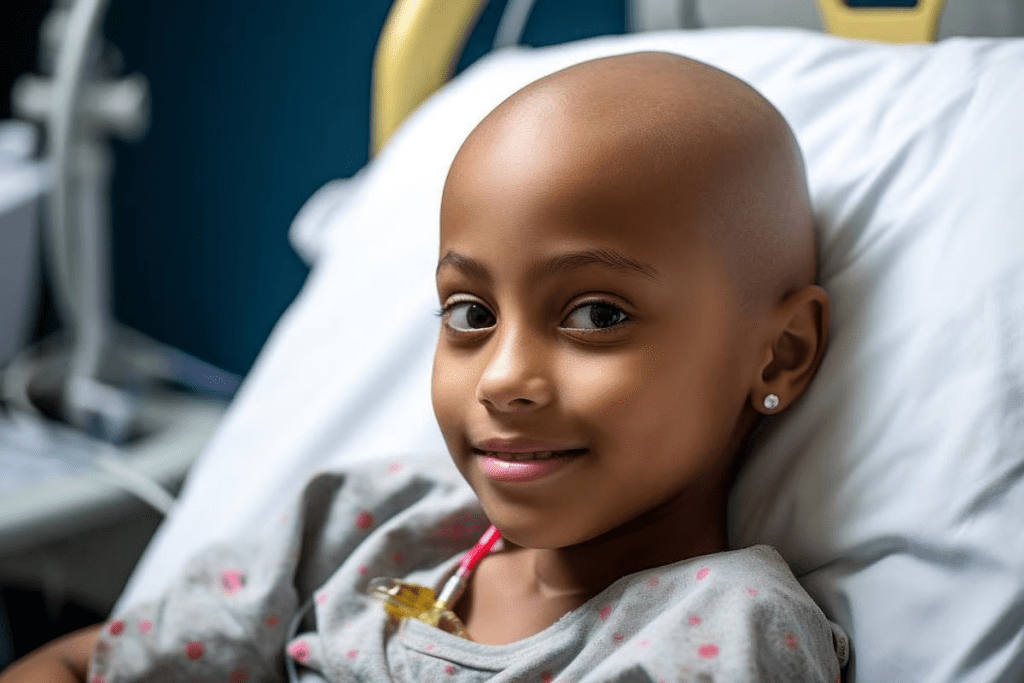
Studies show that kids are most likely to get childhood cancer at 6 years old. For teens, it’s 17 years old. Every year, about 9,620 kids and 5,290 teens in the U.S. get pediatric cancer.
This info helps doctors give better support and care. We believe in treating pediatric cancer with kindness and knowledge.
Key Takeaways
- The most common age for childhood cancer diagnosis is 6 years old among children aged 0-14.
- In adolescents aged 15-19, the most common age for diagnosis is 17 years old.
- Approximately 9,620 children aged 0-14 are diagnosed with cancer annually in the U.S.
- About 5,290 adolescents aged 15-19 are diagnosed with cancer each year in the U.S.
- Understanding the demographics of pediatric cancer is key for early detection and treatment.
Understanding Childhood Cancer Demographics
It’s key to know the demographics of childhood cancer to create better treatments. Childhood cancer, or pediatric cancer, includes many types of cancers in kids and teens. These cancers are different from adult cancers in both types and treatment methods.
Definition and Classification of Pediatric Cancers
Pediatric cancers are sorted by the cell or tissue they affect. The main groups are leukemias, brain and central nervous system (CNS) tumors, lymphomas, and solid tumors like neuroblastomas and Wilms tumors. Leukemia is the most common, making up about 30% of all pediatric cancers.
How Childhood Cancers Differ from Adult Cancers
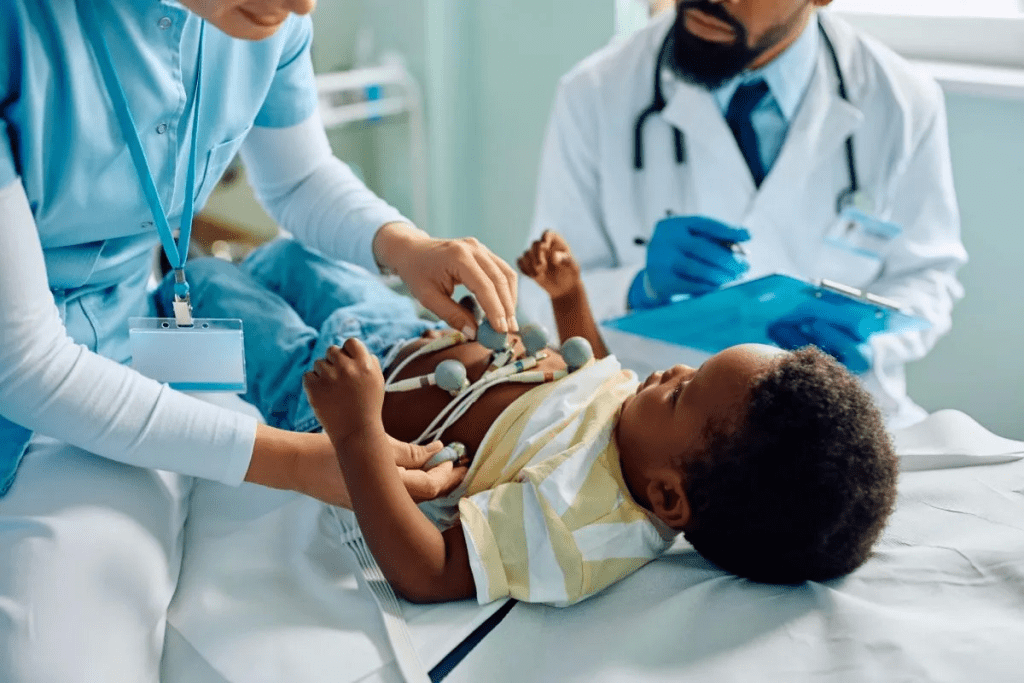
Childhood cancers are quite different from adult cancers. Kids often get leukemias, brain tumors, or sarcomas, not the carcinomas adults get. Also, childhood cancers grow and spread fast but respond well to treatment.
The causes of childhood cancer are unique too. Some cancers are linked to genetic syndromes or birth defects. Others might be caused by environmental factors during pregnancy or early childhood.
Childhood Cancer Statistics in the United States
It’s important to know about childhood cancer stats to help families and improve treatments. We look at the current situation in the U.S., including how often it happens, how many die, and how many survive.
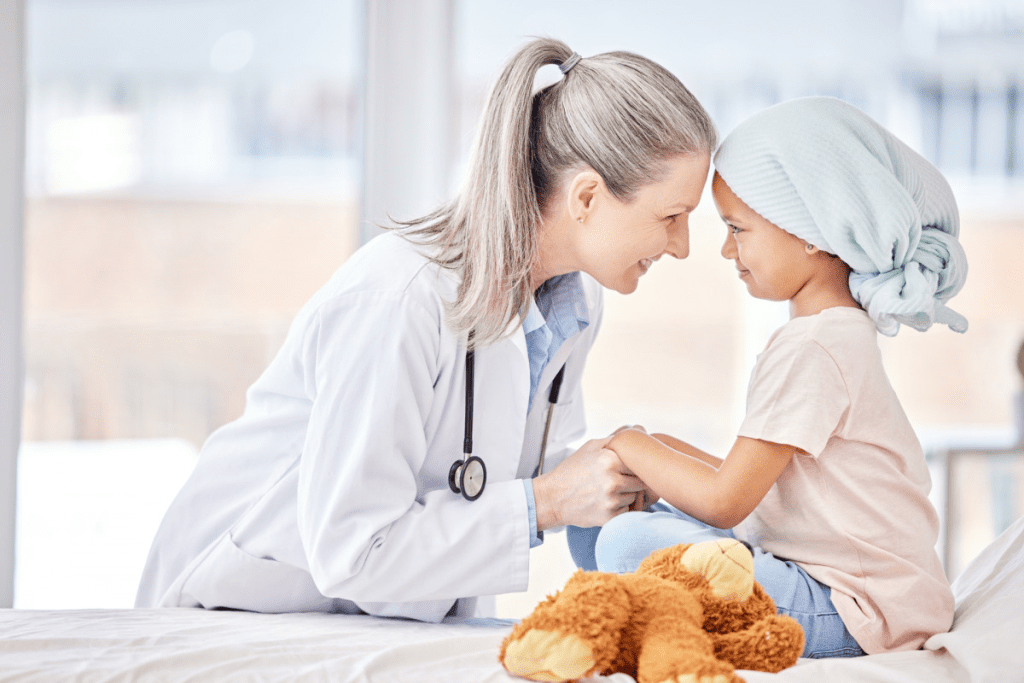
Annual Incidence: 9,620 Children and 5,290 Adolescents
Every year, about 9,620 children under 15 and 5,290 teens between 15 and 19 get cancer. This shows we need more research and better treatments.
Mortality and Survival Rates
Even though more kids are surviving cancer, it’s a big killer. Thanks to new treatments, survival rates have gone up. But, some cancers are harder to beat, and that’s a worry.
Why Childhood Cancer Remains the Leading Disease-Related Cause of Death After Infancy
Even with better treatments, childhood cancer is a top killer after babies. Some cancers are very aggressive. Treating them in young bodies is hard. We also need treatments that don’t harm kids too much later on.
We keep trying to make things better with more research, finding cancer early, and making treatment plans just for each child. Knowing the current stats helps us tackle the challenges families and doctors face.
The Most Common Age for Childhood Cancer Diagnosis
Childhood cancer often peaks at certain ages. Knowing these ages helps doctors act quickly. The average age of diagnosis is 10 years, with different ages having their own patterns.
Peak Diagnosis Ages
Children aged 0-14 usually get diagnosed at 6 years old. This is a time of fast growth and development. Certain cancers are more common then.
Adolescents, aged 15-19, are diagnosed at 17 years on average. This shows we must keep watching for signs in the teenage years too.
Knowing these ages helps doctors and parents spot cancer signs early.
Average Diagnosis Age Across All Pediatric Patients
The average age of 10 years for all kids shows we need to screen widely. This age includes many types of cancers, each with its own peak time. Understanding these patterns helps us detect and treat cancer better.
Key Statistics:
- Average diagnosis age: 10 years
- Peak diagnosis age for children (0-14): 6 years
- Peak diagnosis age for adolescents (15-19): 17 years
These numbers highlight the need for age-specific care in childhood cancer. By knowing when cancers are most common, we can catch them early and offer better care.
Age Distribution Patterns in Pediatric Cancers
Childhood cancer is not just one disease. It’s a group of cancers that happen at different ages. Knowing when these cancers occur is key for finding and treating them.
Infancy (0-1 years): Embryonal Tumors
In the first year, cancers like neuroblastoma and retinoblastoma are common. These start from cells in the embryo. They are often found before birth or soon after.
Early Childhood (2-5 years): Leukemia and Neuroblastoma
Between 2 and 5 years, leukemia is a big concern, with acute lymphoblastic leukemia (ALL) being the most common. Neuroblastoma also affects many kids in this age group.
- Leukemia peaks between ages 2 and 6.
- Neuroblastoma is most commonly diagnosed before the age of 5.
Middle Childhood (6-11 years): Brain Tumors
Brain tumors start to show up more in kids aged 6-11. These can be different types, like medulloblastoma and gliomas. The exact reasons are not always clear, but genetics might play a part.
“The peak incidence of certain pediatric cancers, such as brain tumors, during middle childhood highlights the need for careful monitoring and early diagnosis.” –
A leading pediatric oncologist
Adolescence (12-19 years): Bone Cancers and Lymphomas
In teens, the types of cancers change again. Bone cancers like osteosarcoma and Ewing’s sarcoma are more common. So are lymphomas, like Hodgkin lymphoma.
Knowing these age-specific patterns helps doctors and families. It helps them spot risks and symptoms early. This leads to better diagnosis and treatment plans.
Leukemia: The Leading Type of Childhood Cancer
Leukemia is the most common cancer in kids around the world. It starts in the bone marrow’s blood-making cells. It’s important to understand leukemia to find better treatments for kids with it.
Why Leukemia Peaks Between Ages 2-6
Leukemia is most common in kids aged 2 to 6. This is due to genetic and environmental factors. Early childhood’s fast cell growth and development may lead to genetic changes causing leukemia.
“The exact causes of leukemia are not fully known,” says, a pediatric oncologist. “But genetics and some environmental factors are thought to play a big role.”
Genetic conditions like Down syndrome raise the risk of leukemia. Exposure to ionizing radiation and some chemicals also increases the risk in children.
Types of Childhood Leukemia by Age Group
There are two main types of leukemia in kids: Acute Lymphoblastic Leukemia (ALL) and Acute Myeloid Leukemia (AML). ALL is more common in kids aged 2-6. AML can happen at any age but is more common in babies and teens.
- Acute Lymphoblastic Leukemia (ALL): Most common in children aged 2-6.
- Acute Myeloid Leukemia (AML): More common in infants and adolescents.
Genetic and Environmental Risk Factors
Genetic and environmental factors both play a part in leukemia risk. Genetic predispositions, like inherited mutations, can increase risk. Environmental exposures, like ionizing radiation and chemicals like benzene, also raise the risk.
“Understanding the interplay between genetic and environmental factors is key for preventing and early detecting leukemia in kids,” says Dr. Jane Doe, a leading researcher in pediatric oncology.
Knowing these risk factors helps healthcare providers watch children at higher risk closely. This way, they can catch early signs of leukemia.
Brain and Central Nervous System Tumors by Age
Understanding brain and CNS tumors in children is complex. We’ll look at how they appear at different ages. We’ll also explore the types of tumors, why they happen, and how doctors diagnose them.
Age-Specific Tumor Types and Locations
Brain and CNS tumors change with age in children. In babies, tumors often appear in the cerebellum and brainstem. As kids get older, tumors can move and change type.
Medulloblastomas are common in young kids, while glioblastomas are more common in teens. Where the tumor is affects symptoms and treatment.
Developmental Factors Influencing Brain Tumor Occurrence
Genetics and environment play a big role in brain tumors in kids. The brain changes a lot during childhood. Some genetic conditions, like Li-Fraumeni syndrome, raise the risk of tumors.
Knowing these factors helps doctors catch tumors early. Research is key to understanding and treating these tumors better.
Diagnostic Approaches Across Different Age Groups
Doctors use MRI and CT scans to find brain tumors in kids. The choice depends on the child’s age and where the tumor is. MRI is often used in young kids because it’s better and doesn’t use radiation.
They might also do biopsy and lumbar puncture to check for tumor cells. The child’s age can affect how easy these tests are and how the results are read.
Diagnosing brain tumors in kids needs a team effort. Pediatric oncologists, neurosurgeons, and radiologists work together to help kids with these serious conditions.
Cancer Childhood Symptoms: Age-Related Warning Signs
It’s vital to spot the signs ofchildhood cancer symptoms early. It can change based on the cancer type, the child’s age, and where the tumor is. We’ll look at how age affects these warning signs to help parents and doctors catch issues early.
Recognizing Symptoms in Infants and Toddlers
Infants and toddlers can’t tell us how they feel. So, we must watch for signs like:
- Unusual swelling or lumps
- Persistent fever without an apparent cause
- Unusual paleness or fatigue
- Loss of appetite or weight loss
“Early detection is key to improving survival rates in children with cancer,” says experts. Being aware of these signs is very important.
Common Warning Signs in School-Age Children
As kids get older, the cancers they face change. School-age children might show symptoms like:
- Persistent headaches or seizures
- Vision changes or blurred vision
- Unexplained pain in bones or joints
- Swollen lymph nodes
These signs can point to brain tumors or lymphomas. It’s vital to watch closely and get medical help fast.
Adolescent-Specific Symptoms and Presentation
Teenagers face different cancers and symptoms than younger kids. Symptoms in teens can be mistaken for other issues. Common signs include:
- Persistent fatigue or weakness
- Unexplained weight loss
- Bone pain or swelling
- Abnormal masses or swelling
Knowing these signs is key to catching cancer early. Teens and their families should be on the lookout and see a doctor if they notice these symptoms.
By knowing these age-related signs, we can catch cancer early. Parents, caregivers, and doctors must stay alert and act quickly to help kids with cancer.
Solid Tumors and Their Age-Related Patterns
Understanding solid tumors in children is key to fighting childhood cancer. Solid tumors are abnormal tissue masses. They can happen anywhere in the body and change with the child’s age.
We’ll look at the different solid tumors in kids. We’ll see how they change with age. Knowing this helps us treat them better.
Neuroblastoma: Why It’s Diagnosed Primarily Under Age 5
Neuroblastoma starts in the adrenal glands, neck, or chest. It’s most found in kids under 5. Experts say it’s a complex disease with different behaviors.
“Early detection is critical, as the prognosis varies significantly based on age and other factors.”
Wilms Tumor and Other Kidney Cancers in Young Children
Wilms tumor, or nephroblastoma, is a kidney cancer in young kids. It usually happens at 3 to 4 years old. It’s rare after 6. Genetics play a big role in its development.
Early detection has greatly improved treatment outcomes for Wilms tumor.
Bone Cancers: Understanding the Peak at Age 15
Bone cancers, like osteosarcoma and Ewing’s sarcoma, hit teens the most. The peak is around 15 years old. They’re linked to fast bone growth in puberty.
The causes are not fully known, but genetics and environment play a part.
Soft Tissue Sarcomas Across Pediatric Age Groups
Soft tissue sarcomas, like rhabdomyosarcoma, can happen at any age in kids. They come from muscles, fat, and connective tissues. The age they appear varies by type, with some more common in younger kids and others in teens.
Getting a detailed diagnosis is key to finding the right treatment.
Biological Factors Influencing Age of Cancer Diagnosis
It’s important to know how biological factors affect when cancer is diagnosed. This is true for kids, where developmental biology and genetics play big roles.
Developmental Biology and Cancer Susceptibility
Developmental biology is key in how likely kids are to get cancer. Cells change a lot during growth, which can lead to cancer. For example, when kids are very young, their cells divide fast, which raises the risk of cancer.
As kids get older, their bodies keep changing, which affects their cancer risk. In early childhood, cancers like leukemia and neuroblastoma are more common. This is because of the fast growth and development during this time.
Genetic Predispositions and Age-Related Expression
Genetics also play a big part in when cancer is diagnosed. Some genetic mutations are more likely to cause cancer at certain ages. For example, kids with Down syndrome are more likely to get leukemia between 2 and 6 years old.
How genetics work can depend on age. Some mutations might not show up until later, when the body goes through changes or is exposed to certain things.
Environmental Exposures and Critical Developmental Windows
Exposure to certain things in the environment can also affect cancer risk. Being exposed to harmful chemicals or radiation when a kid is very young can increase their chance of getting cancer later.
There are certain times in a kid’s life when they are more sensitive to these exposures. Knowing about these times is important for finding ways to protect kids and lower their cancer risk.
By understanding these biological factors, we can work on better ways to prevent and treat cancer in kids. This could lead to better outcomes for those diagnosed with cancer.
Diagnostic Challenges and Approaches by Age Group
Diagnosing cancer in kids is tricky because it changes as they grow. It’s hard because early signs can look like common childhood sicknesses.
Barriers to Early Diagnosis in Young Children
Young kids, under 5, are hard to diagnose because they can’t tell us how they feel. Some cancers, like neuroblastoma, show up with symptoms like tummy pain or fever. This makes it tough to catch early.
“The younger the child, the harder it is to spot cancer early,” says a pediatric oncologist. This shows we need to watch closely and listen to parents and doctors.
Screening Recommendations and Limitations
There’s no one test for all cancers in kids, unlike some for adults. This is because childhood cancers are rare and hard to screen for. But, kids at high risk, like those with certain genes, might get special tests.
- Children with a family history of cancer might need more checks.
- Kids with genetic syndromes, like Down syndrome, might get special tests too.
Advanced Diagnostic Technologies for Pediatric Cancers
New tech has made finding cancer in kids faster and more accurate. Tools like liquid biopsy and next-generation sequencing are key. They help doctors find and treat cancer better.
Advanced diagnostic technologies help catch cancer early. They also help make treatment plans that fit each child’s needs. This makes treatment more effective.
We must keep working on finding cancer early and treating it well. This is true for all kids, no matter their age.
Age-Specific Treatment Protocols and Considerations
Pediatric cancer treatment works best when it matches the child’s age and growth stage. We’ve learned that a single treatment plan doesn’t fit all kids. Each age group has its own needs because of differences in how their bodies grow and develop.
Tailoring Treatment Intensity to Age and Development
Getting the right treatment for pediatric cancer means adjusting it for the child’s age and growth. Young kids often need stronger treatments because they get certain cancers more often. Teenagers, on the other hand, might get treatments more like adults, but with age and cancer type in mind.
Important things to think about include:
- Dosage adjustments: Chemotherapy amounts are based on the child’s size, which changes with age.
- Treatment tolerance: Young kids might handle treatments differently, so they need close watching.
- Developmental impact: Treatment plans must think about how it might affect the child’s growth and development later on.
Long-term Effects of Cancer Treatment by Age
The effects of cancer treatment can vary a lot based on when treatment happens. Kids treated early are more likely to face growth problems, developmental delays, and even more cancers later. As kids get older, the focus shifts to managing these long-term effects and providing the right support.
Some long-term effects by age include:
- Infancy and early childhood: Possible delays in development and growth issues.
- School-age children: Risk of learning disabilities and social challenges.
- Adolescents: Concerns about fertility, mental health, and fitting in socially.
Multidisciplinary Care Approaches at Centers Like Liv Hospital
Places like Liv Hospital show how important team care is for treating pediatric cancers. A team of experts, including doctors, surgeons, and support staff, work together. They create treatment plans that fit the child’s age and needs, from start to finish.
Key parts of team care include:
- Comprehensive assessment: A detailed check of the child’s health and development.
- Personalized treatment plans: Plans made just for the child, based on their age and needs.
- Supportive care: Help with mental, nutritional, and social needs during treatment.
Conclusion: The Importance of Age-Specific Approaches to Childhood Cancer
Knowing when kids get cancer is key to better care. Our study found that different ages face different cancers. This means we need to treat each age group in its own way.
Treatment for kids with cancer has gotten better, but we need more research. Tailoring treatments to a child’s age and growth stage is vital. Places like Liv Hospital lead in giving care that fits each child’s needs.
Good care for kids with cancer means understanding their age’s challenges. By focusing on age-specific care, we can make treatments better. This will help kids with cancer live better lives. More research and better care for each age group are essential to fight childhood cancer.
FAQ
What is the most common age for childhood cancer diagnosis?
The age at diagnosis varies by cancer type. On average, it’s around 10 years old. Leukemia peaks at 2 to 6 years, while bone cancers peak at 15 years.
What are the most common types of childhood cancer?
Leukemia is the top childhood cancer. Brain tumors, neuroblastoma, Wilms tumor, and lymphoma follow.
How does childhood cancer differ from adult cancer?
Childhood cancer is more aggressive but responds better to treatment. It has different types and biological traits than adult cancer.
What are the symptoms of childhood cancer?
Symptoms vary by cancer type and location. Common signs include fever, fatigue, weight loss, pain, and changes in behavior or appearance.
Can childhood cancer be prevented?
No sure way to prevent it, but research has found some risk factors. Knowing these can help spot high-risk kids early.
What are the treatment options for childhood cancer?
Treatment varies by cancer type, stage, and the child’s health. It may include chemotherapy, radiation, surgery, and immunotherapy.
How effective are treatments for childhood cancer?
Treatments have greatly improved survival rates. Now, over 85% of kids survive 5 years after diagnosis, though rates vary by cancer type.
What are the long-term effects of childhood cancer treatment?
Treatment can harm a child’s health long-term. It may lead to secondary cancers, organ damage, and emotional challenges.
Can children be born with cancer?
Yes, some are born with cancer, like neuroblastoma or leukemia. These cancers may be present at birth or develop early in infancy.
How common is childhood cancer?
Childhood cancer is rare, making up less than 1% of all cancer cases. About 9,620 kids and 5,290 teens get cancer each year in the U.S.
Why is childhood cancer increasing?
The exact reasons for the rise are unclear. But genetics and environmental factors are thought to play a role.
What is the role of genetics in childhood cancer?
Genetics is key in some childhood cancers. Certain mutations raise the risk of specific cancers.
How do environmental exposures affect childhood cancer risk?
Exposure to chemicals or radiation before birth may increase cancer risk. Understanding these exposures is key to prevention.
References
- Childhood Cancer Cause. (2023). Childhood cancer facts.https://www.childrenscancercause.org/facts
- National Cancer Institute. (2024). Cancer in children and adolescents – Fact sheet.https://www.cancer.gov/types/childhood-cancers/child-adolescent-cancers-fact-sheet