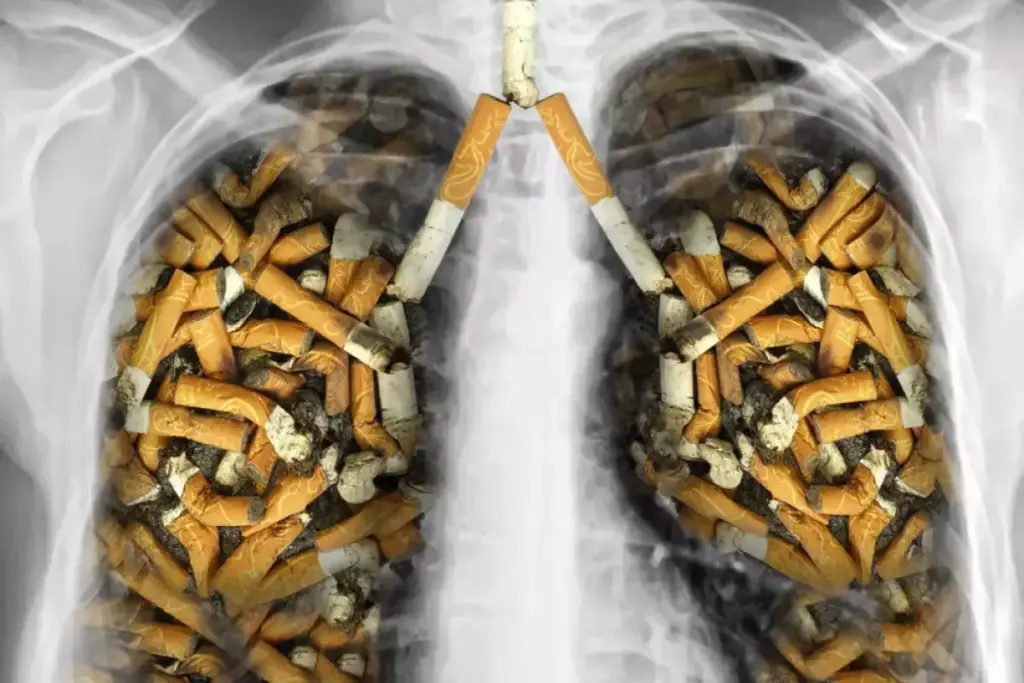
Tobacco use is a big risk for many cancer types. It causes about 30% of all cancer deaths in the U.S.
At , we focus on top-notchcancer care and support. Studies link smoking to at least 15 smoking-related cancer types. Lung cancer is a big one, causing about 20% of men’s and 13% of women’s deaths.
Stopping tobacco use could save millions of lives. This shows how critical it is to have solid prevention and care plans.
Key Takeaways
- Tobacco use is a major risk factor for various types of cancer.
- Smoking is associated with at least 15 types of cancer.
- Lung cancer accounts for a significant percentage of cancer mortalities.
- Eliminating tobacco use can prevent millions of cancer cases and deaths.
- Evidence-based prevention and care are critical in reducing cancer risk.
The Global Impact of Cancer
Cancer is a major problem worldwide, causing a lot of sickness and death. It’s important to pay close attention to this issue. Looking at the numbers, it’s clear that cancer is a big health problem globally.
Current Cancer Statistics in the United States
In the United States, cancer is also a big concern. Recent data shows that cancer rates are high. Studies like the EPIC study give us important information about cancer today.
About 1 in 3 men and women will develop cancer in their lifetime. This fact shows how common cancer is. It also shows we need to keep researching and spreading the word.
“Cancer is a major public health problem in the United States and around the world. The burden of cancer incidence and mortality is rapidly growing.”
Projected Cancer Cases for 2025
Looking to 2025, the outlook is concerning. It’s predicted that more than 2 million new cancer cases and 618,000 deaths are expected in the U.S. These numbers are alarming, showing we need better ways to prevent and treat cancer.
We are at a critical point in fighting cancer. Knowing the current and future trends is key to finding ways to beat this disease.
Understanding Cancer Development
It’s key to know how cancer starts to find ways to prevent it. Cancer happens when cells grow out of control because of lost genetic control.
How Normal Cells Transform into Cancer Cells
Normal cells turn into cancer cells due to genetic changes. These changes can come from our environment, lifestyle, or genes we inherit. This leads to cells growing and dividing without control.
Many things can cause this change, like harmful substances, viruses, and genes we’re born with. Studies, like the EPIC study, show how diet affects cancer risk. Some foods can raise or lower the chance of getting cancer.
The Role of DNA Damage in Cancer Formation
DNA damage is a big part of how cancer starts. When DNA gets hurt, cells might not fix it right, causing mutations that can lead to cancer. Things like smoking, UV rays, and chemicals can harm DNA.
Over time, this damage can cause tumors and carcinoma to form. Learning about DNA damage and repair helps us understand how to prevent and treat cancer.
|
Factor |
Description |
Impact on Cancer Risk |
|---|---|---|
|
Tobacco Consumption |
Exposure to carcinogens in tobacco products |
Increases risk of various cancers, including lung cancer |
|
Dietary Patterns |
Consumption of certain foods and nutrients |
Can either increase or decrease cancer risk |
|
Genetic Predisposition |
Inherited genetic mutations |
Increases risk of developing certain cancers |
Tobacco Use: The Leading Preventable Cause of Cancer
Tobacco is the main cause of preventable cancer deaths worldwide. We look at how tobacco affects cancer risk and death rates.
The 30% Connection: How Tobacco Drives Cancer Deaths
In the United States, tobacco causes about 30% of all cancer deaths. This shows how important it is to fight tobacco use as a major cancer risk.
Smoking, the most common tobacco use, links to at least 15 cancers. These include lung, mouth, throat, and bladder cancer. The harmful chemicals in tobacco smoke harm cell DNA, causing cancer.
Carcinogens Found in Tobacco Products
Tobacco products have many carcinogens, substances that cause cancer. Some of the most dangerous ones are:
- Tar: Damages lungs and is a known carcinogen.
- Nicotine: Not directly cancer-causing but makes tobacco addiction worse.
- Polycyclic aromatic hydrocarbons (PAHs): These are very harmful when tobacco is burned.
- Nitrosamines: These are among the strongest cancer-causing substances in tobacco.
The effects of tobacco on cancer are huge. Here’s a table showing how much risk smokers face:
|
Cancer Type |
Relative Risk for Smokers |
|---|---|
|
Lung Cancer |
15-30 times higher |
|
Mouth/Throat Cancer |
5-10 times higher |
|
Bladder Cancer |
2-4 times higher |
The 15 Types of Cancer Linked to Smoking
Smoking is a major risk factor for many cancers. Research shows a direct link to at least 15 different types. Tobacco use damages DNA, leading to cancerous cell growth.
Lung Cancer: The Most Common Smoking-Related Cancer
Lung cancer is the deadliest smoking-related cancer. It causes about 20% of all cancer deaths in men and nearly 13% in women. Smokers face a much higher risk than non-smokers.
Other Cancers Strongly Associated with Tobacco Use
Smoking is also linked to other cancers. These include mouth, throat, esophagus, stomach, pancreas, kidney, bladder, and cervix cancers. Tobacco’s carcinogens damage DNA, causing cancer.
Here is a summary of the types of cancer associated with smoking:
|
Cancer Type |
Association with Smoking |
|---|---|
|
Lung Cancer |
Strongly associated, highest risk |
|
Mouth and Throat Cancer |
Strongly associated |
|
Esophageal Cancer |
Associated with smoking |
|
Pancreatic Cancer |
Linked to smoking |
|
Bladder Cancer |
Associated with tobacco use |
Knowing the risks of smoking is key to preventing cancer. Quitting can greatly lower the risk of smoking-related cancers.
Secondhand Smoke and Cancer Risk
Exposure to secondhand smoke is a big risk for cancer. It’s the smoke from smokers or burning tobacco. We’ll look at how it affects non-smokers and how to stay safe.
Health Impacts on Non-Smokers
Non-smokers near secondhand smoke face a higher risk of lung cancer and other cancers. It’s not just lung cancer; it can also cause heart disease and breathing problems. Health groups say secondhand smoke has hundreds of harmful chemicals, many of which can cause cancer.
Protecting Yourself from Environmental Tobacco Exposure
To stay safe from secondhand smoke, take a few steps. Avoid places where people smoke, like some bars and restaurants. Also, tell smokers in your home to quit or smoke outside.
Supporting smoke-free policies in your area is also important. We can make our community healthier by spreading the word about secondhand smoke dangers. Let’s work together for a smoke-free life.
E-Cigarettes and Vaping: Emerging Cancer Concerns
E-cigarettes and vaping products are getting more popular. But, we don’t know much about their health risks, like cancer. It’s important to look at the research and clear up any wrong ideas.
Current Research on Vaping-Related Health Risks
Scientists are studying the health effects of e-cigarettes and vaping. They’ve found harmful chemicals, including some that can cause cancer. A report by the National Academies of Sciences, Engineering, and Medicine found e-cigarettes have harmful substances.
“E-cigarettes are not completely safe,” a study said. “But they might be safer than smoking tobacco.” Yet, we need more research to know how they affect our health in the long run.
Misconceptions About “Safer” Tobacco Alternatives
Many think e-cigarettes and vaping products are safe or safer than tobacco. But, “safer” doesn’t mean “safe.” They have nicotine and other harmful substances.
To avoid health risks, it’s key to know the facts. We should stay informed about the latest research and advice from health experts.
Alcohol Consumption and Cancer Risk
Drinking alcohol is linked to a higher risk of cancer. This is a big concern for public health. Alcohol is a key factor in preventing cancer.
Mechanisms of Alcohol-Related Cancer Development
Alcohol can cause cancer in several ways. When we drink, our body turns alcohol into acetaldehyde. This harmful substance can damage DNA and proteins, leading to cancer.
Alcohol also raises hormone levels, like estrogen. High estrogen levels are linked to breast cancer. Plus, alcohol makes it harder for our bodies to fix DNA damage. This increases the chance of cancer-causing mutations.
The International Agency for Research on Cancer (IARC) says alcohol is a Group 1 carcinogen. This means it’s a known cancer-causing substance for humans.
Combined Effects of Alcohol and Tobacco
Drinking and smoking together raises the risk of cancers in the mouth, throat, and esophagus. The danger is much higher when you do both. This is a big worry for public health.
People who smoke and drink a lot face a much higher risk of these cancers. It’s important to cut down on both drinking and smoking to prevent cancer.
|
Cancer Type |
Relative Risk with Alcohol Consumption |
Relative Risk with Tobacco Use |
Combined Relative Risk |
|---|---|---|---|
|
Oral Cavity Cancer |
2-3 times |
5-10 times |
15-30 times |
|
Laryngeal Cancer |
1.5-2.5 times |
10-20 times |
20-50 times |
|
Esophageal Cancer |
3-5 times |
5-10 times |
10-20 times |
It’s key to know how alcohol and tobacco use can lead to cancer. By tackling these risks, we can lower cancer rates. This improves health for everyone.
Obesity as a Major Cancer Risk Factor
Obesity is now seen as a big risk for cancer, just like smoking. We’re learning how extra weight and cancer are connected. It shows that obesity can lead to cancer in many ways.
The Biological Mechanisms Linking Obesity to Cancer
The relationship between obesity and cancer is multifaceted, involving hormonal changes, insulin resistance, and chronic inflammation. Insulin resistance leads to more insulin and IGF-1, which helps cancer cells grow. Also, chronic inflammation damages DNA and harms cell function, helping cancer grow.
Obesity also changes hormone levels, like estrogen. Higher estrogen levels can increase breast cancer risk in women after menopause. Knowing how these changes happen is key to fighting cancer.
Cancers Most Strongly Associated with Excess Weight
Many cancers are linked to being overweight. These include:
- Breast Cancer: Postmenopausal women with obesity face a higher risk of breast cancer.
- Colon Cancer: Obesity raises the risk of colon cancer, likely due to insulin resistance and inflammation.
- Kidney Cancer: Obesity increases the risk of renal cell carcinoma, the most common kidney cancer.
- Pancreatic Cancer: Obesity is linked to a higher risk of pancreatic cancer, though the exact reasons are not fully understood.
These cancer rates are going up, just like obesity. Knowing how obesity and cancer are connected helps us find ways to prevent and catch cancer early.
“The evidence is clear: obesity is a major risk factor for various types of cancer. By addressing obesity through lifestyle changes and public health initiatives, we can reduce the incidence of these cancers and improve overall health outcomes.”
The Rising Cancer Rates Among Younger Populations
A worrying trend has been noticed in recent years. Cancer rates are going up among younger people all over the world. This change makes us rethink the idea that cancer mainly hits older folks.
Changing Patterns in Cancer Incidence
For a long time, we thought cancer was a disease of the elderly. The risk of getting cancer grows as we age. But now, more young people are getting diagnosed with different types of cancer.
Research shows that cancers like colorectal, breast, and pancreatic are becoming more common in younger adults. This trend is seen not just in the U.S. but worldwide. It shows a big shift in how cancer is spreading.
Potential Causes for Early-Onset Cancers
Scientists are looking into why more young people are getting cancer. They’re checking if changes in lifestyle, like diet and exercise, play a part.
They’re also looking at environmental factors, like pollutants in air, water, and food. Plus, they’re studying how genetics and rising obesity rates among the young might be factors.
Finding out why young people get cancer is key. It helps us find ways to prevent it and improve care for those who do get it.
Diet, Nutrition, and Cancer Risk
Research shows that what we eat can help prevent cancer. Our diet greatly affects our risk of getting certain cancers. We’ll look at how diet and nutrition impact cancer risk, focusing on bad and good foods.
Cancer-Promoting Dietary Patterns
Some diets increase cancer risk. Eating a lot of processed and red meat can lead to more colorectal cancer. show that not eating enough fruits, veggies, and whole grains also raises cancer risk.
Diets rich in saturated fats and low in fiber also raise cancer risk. It’s key to choose a balanced diet full of nutrients.
Cancer-Protective Foods and Nutrients
But, some foods and nutrients can protect against cancer. Eating lots of fruits, veggies, and whole grains can lower cancer risk. Antioxidants in these foods help protect cells from damage that can cause cancer.
Foods rich in omega-3 fatty acids, like salmon and walnuts, also lower cancer risk. Drinking plenty of water and cutting down on sugary drinks and alcohol is also important.
By choosing the right foods, we can lower our cancer risk. A healthy diet and lifestyle are key in fighting cancer.
Physical Inactivity and Cancer Development
Physical inactivity is a big risk for many cancers. Regular exercise plays a key role in fighting cancer. We’ll look at how exercise helps and how much we should move to prevent cancer.
How Exercise Protects Against Cancer
Exercise lowers cancer risk by improving insulin use, reducing inflammation, and boosting the immune system. It affects many biological pathways that stop cancer cells from growing. For example, it helps control hormones like insulin and estrogen, which are linked to cancer.
Less sitting is also key because too much sitting raises cancer risk. So, moving more during the day is vital for staying healthy.
Recommended Activity Levels for Cancer Prevention
The American Cancer Society says we should do at least 150 minutes of moderate or 75 minutes of vigorous activity weekly. Spreading out activity and mixing aerobic and muscle-strengthening exercises adds more benefits.
To lower cancer risk, we should also eat well, stay at a healthy weight, and avoid tobacco. Combining these habits with regular exercise can greatly reduce cancer risk.
By knowing the role of physical activity in cancer prevention, we can make healthier choices. Adding exercise to our daily routine helps us fight cancer.
Environmental and Occupational Cancer Risks
Being around certain things in our environment and workplaces can increase cancer risk. We are surrounded by harmful substances everywhere we go. It’s important to know about these risks to protect ourselves.
Common Carcinogens in the Environment
Many things in our world can cause cancer. Here are a few examples:
- Radon: A radioactive gas found in homes, often in basements and crawl spaces.
- Asbestos: Found in old buildings, it releases fibers that can cause cancer when breathed in.
- Ultraviolet (UV) Radiation: Sun and tanning beds can lead to skin cancer.
- Certain Chemicals: Industrial chemicals like benzene and pesticides are linked to cancer.
Knowing about these dangers and how to avoid them can help lower cancer risk.
High-Risk Occupations and Protective Measures
Some jobs are more likely to expose people to cancer-causing substances. These jobs include:
- Mining and Construction Workers: They face risks from asbestos, radon, and silica dust.
- Industrial Workers: Workers may be exposed to harmful chemicals like benzene and vinyl chloride.
- Agricultural Workers: Pesticides are a big risk for them.
Employers can help by providing safety gear, improving air quality, and training on safe handling. Workers should also wear protective gear and follow safety rules.
Knowing about environmental and job-related cancer risks is key to preventing cancer. By spotting dangers and taking steps to avoid them, we can lower our cancer risk.
Infectious Agents Linked to Cancer
Learning about the link between infections and cancer helps us prevent it. Some infections raise the risk of certain cancers.
Viruses and Bacteria That Increase Cancer Risk
Many viruses and bacteria cause cancer. For example, Helicobacter pylori raises the risk of stomach cancer. Human papillomavirus (HPV) is linked to cervical, anal, and throat cancers. Hepatitis B and C viruses also increase liver cancer risk.
Other agents that lead to cancer include:
- Epstein-Barr virus, linked to Burkitt lymphoma and nasopharyngeal carcinoma.
- Human T-cell leukemia virus-1 (HTLV-1), causing adult T-cell leukemia/lymphoma.
- Schistosoma haematobium, a parasite that raises bladder cancer risk.
Vaccination and Prevention Strategies
Vaccines can lower cancer risk. For instance, HPV vaccines prevent HPV-related cancers. Hepatitis B vaccination also cuts liver cancer risk. Treating infections like Helicobacter pylori can stop cancer.
Studies show vaccines and screenings can cut cancer cases. For more on cancer prevention, visit .
Understanding infections’ role in cancer helps us fight it. We can prevent cancer by promoting vaccines, screenings, and treating infections that raise cancer risk.
The Declining Cancer Mortality Rate: Progress in Fighting Cancer
In the last thirty years, cancer mortality rates have dropped significantly. This change is thanks to better treatments, early detection, and prevention. Understanding what’s behind this drop is key to our fight against cancer.
34% Reduction in Cancer Deaths Over Three Decades
There’s been a 34% drop in cancer deaths over thirty years. This big decrease shows how well modern treatments work. It also highlights the success of efforts to lower cancer risk.
This drop in deaths is thanks to the hard work of doctors, researchers, and lawmakers. Their efforts have made a big difference.
Treatment Innovations Contributing to Improved Survival
New treatments have been key in boosting cancer survival rates. Targeted therapy, immunotherapy, and precision medicine have changed cancer care. These new methods have not only saved lives but also made life better for cancer patients.
The drop in cancer deaths comes from many areas, like research, early detection, and better treatments. We keep working to make cancer care even better. Our goal is to give world-class healthcare and support to our patients.
Understanding Your Personal Cancer Risk
Knowing your risk of getting cancer is key to preventing and catching it early. We’re always learning about the factors that affect your cancer risk.
Genetic Factors and Family History
Genetics greatly influence your cancer risk. Some genetic mutations can be passed down, raising your risk for certain cancers. For example, BRCA1 and BRCA2 gene mutations increase breast and ovarian cancer risk.
Family history is also important. If your relatives have had cancer, it might mean you’re at higher risk too.
Here are some key points to consider:
- Genetic Testing: Finding specific genetic mutations can show your cancer risk.
- Family History Assessment: Looking at your relatives’ cancer history can reveal genetic risks.
- Risk Management Strategies: If you’re at high risk, you might need more screening, preventive steps, or surgery.
Risk Assessment Tools and When to Use Them
There are many tools to help you understand your cancer risk. These include:
- Risk Calculators: Online tools that use your age, family history, and lifestyle to estimate your risk.
- Genetic Counseling: Professional advice for those with a strong family history or genetic risk.
- Screening Tests: Regular health checks and screenings can catch cancer early, when it’s easier to treat.
By using these tools and knowing your risk factors, you can take steps to prevent and detect cancer early. Always talk to your doctor to find the best tools and strategies for you.
Conclusion: Taking Control of Your Cancer Risk
Understanding your cancer risk is the first step to a healthier life. By living a balanced lifestyle and knowing about environmental and genetic factors, you can lower your cancer risk. Also, joining screening programs helps a lot.
At , we’re all about top-notch cancer care and support. Our team is ready to help with everything from prevention andearly detection to treatment and living with cancer.
By learning about cancer prevention and support, you can protect your health. Check out our resources on cancer risk, screening, and treatment. This way, you can make smart choices for your well-being.
Reducing your cancer risk is about healthy habits, being aware, and getting medical help. Working with healthcare experts can lower your risk and make your life better.
FAQ
What are the main causes of cancer?
Cancer can come from genes and the environment. Things like tobacco, diet, and lack of exercise play a big role. Exposure to harmful substances also matters.
How does tobacco use contribute to cancer risk?
Tobacco is the top cause of preventable cancer deaths. It’s linked to at least 15 types of cancer. This is why quitting is so important.
What is the link between smoking and lung cancer?
Smoking is the main cause of lung cancer. It’s responsible for about 20% of men’s and 13% of women’s cancer deaths.
Can secondhand smoke exposure increase cancer risk?
Yes, breathing in secondhand smoke raises cancer risk. Non-smokers exposed to it are more likely to get lung cancer and other cancers.
Are e-cigarettes and vaping products safe?
The health risks of e-cigarettes and vaping are not clear yet. Scientists are studying them to understand their effects on health.
How does alcohol consumption affect cancer risk?
Drinking alcohol increases cancer risk. It’s linked to liver, breast, and colon cancer. Drinking and smoking together raises the risk even more.
What is the relationship between obesity and cancer risk?
Being overweight or obese raises cancer risk. It’s linked to breast, colon, and kidney cancer. This is because of insulin resistance, inflammation, and hormonal changes.
How can diet and nutrition impact cancer risk?
Eating well can lower cancer risk. Foods like fruits, vegetables, and whole grains are good. Some foods and diets can increase cancer risk.
Can physical activity reduce cancer risk?
Yes, exercise helps fight cancer. It improves insulin sensitivity, reduces inflammation, and boosts the immune system.
What are some common environmental and occupational carcinogens?
Carcinogens include asbestos, radon, and chemicals. Jobs like mining, construction, and manufacturing also raise cancer risk.
How can infectious agents increase cancer risk?
Infections like Helicobacter pylori, HPV, and hepatitis B and C viruses can raise cancer risk. Vaccines and prevention can lower this risk.
How can I understand my personal cancer risk?
Knowing your cancer risk involves looking at genes, family history, and lifestyle. Tools like genetic testing and risk calculators can help.
References
National Center for Biotechnology Information. Evidence-Based Medical Insight. Retrieved from https://www.ncbi.nlm.nih.gov/books/NBK13463